Amboise, Clos Lucé & Chenonceau
Amboise rewards a town-based royal narrative; Chenonceau rewards a focused estate visit from its nearby station. Link them only when one Amboise interior is deliberately omitted.
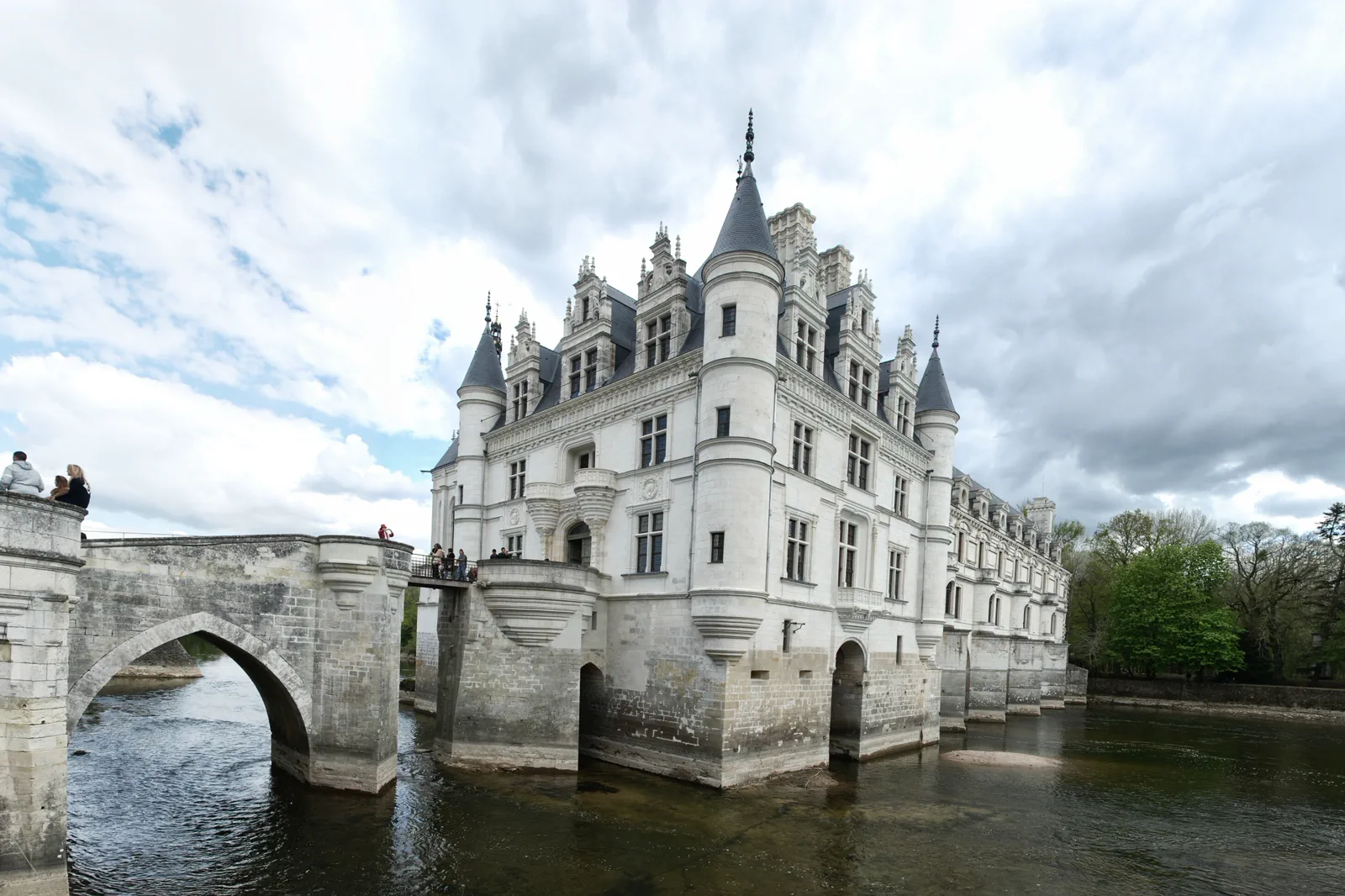
Royal Amboise
Use the château, town and Loire terrace as the main route. Add Clos Lucé only if Leonardo’s working context is the day’s second argument.
Clos Lucé and invention
Prioritize Leonardo-related rooms, models and grounds, then walk Amboise’s center. This trades royal-apartment depth for a clearer theme.
Chenonceau river estate
Travel directly to Chenonceaux station and give the château, galleries and gardens most of the day. This is the simplest rail-led estate plan.
Know where the day actually begins.
Amboise station lies across the Loire from the historic center; Chenonceaux station is close to the estate but train frequency matters. Count the Amboise bridge walk and check the exact station spelling on the ticket.
Choose what the route leaves out.
The Royal Château, Clos Lucé and Chenonceau are three paid experiences with gardens and queues. A single day should study two at most, and only when the train schedule leaves a backup return.
Fit this route into Loire Valley Châteaux, not into an isolated checklist.
The Loire Valley is a chain of towns, rail stops, gardens and estates rather than one castle park. Blois and Chambord, Amboise and Chenonceau, and Tours with the western gardens each create a different transport day. Two well-matched sites usually beat a three-château sprint.
Three nights in Blois, Amboise or Tours support two estate days without returning to Paris each evening. Choose the base from the châteaux and transport you will actually use, not from a generic “Loire Valley” label.
Some estates have a nearby rail station; others need a seasonal shuttle, bicycle, taxi, tour or car. Confirm the final approach and luggage plan before booking timed admissions across different towns.
Garden interest, shuttle service, château events and daylight vary. Summer offers the broadest connections but heavier roads and queues; winter can be atmospheric while reducing garden time and local transport.
If a shuttle, bicycle plan or garden visit fails, use the base town and one rail-accessible château rather than hiring an expensive chain of improvised transfers. Keep one indoor estate as the wet-weather anchor.
Arrive, read the place, commit, then protect the return.
Check exact admission slots, train frequency, room or garden closures and the current pedestrian approach at both stations before booking the sequence.
- 01Arrive
Cross into Amboise or enter Chenonceau
From Amboise station, use the bridge and town approach; from Chenonceaux, follow the signed estate path. Confirm the return platform before the first ticket.
- 02Read the place
Complete the chosen primary interior
Give the Royal Château, Clos Lucé or Chenonceau uninterrupted time. Follow current room openings rather than planning from a historical floor plan.
- 03Commit
Add one contrasting layer
Pair royal architecture with invention, or Chenonceau’s interior with one garden and river perspective. Stop before every garden becomes mandatory.
- 04Return
Return through the useful station
Reach Amboise or Chenonceaux with one service in reserve. If ending in Amboise, finish near the bridge rather than climbing to a distant viewpoint late.
Use the live operator, monument and destination sources for this route.
The route explains the decision; these official pages control current admission, transport, weather, access and closures.
Keep the day useful when the headline plan disappears.
If one Amboise site is sold out, use the other with the town and Loire. If Chenonceau rail service is disrupted, do not assume a taxi will appear; retain an Amboise day or a confirmed coach alternative.
Check exact admission slots, train frequency, room or garden closures and the current pedestrian approach at both stations before booking the sequence.
Change the plan before the problem compounds.
Similar station names cause errors
Check Amboise versus Chenonceaux and the direction of travel before boarding.
Garden time is real time
Chenonceau and Clos Lucé grounds add distance. Reserve them intentionally rather than after the last interior slot.
Bridge exposure matters with luggage
The Amboise station walk crosses the Loire. Solve bags and weather before treating the town as an easy transfer stop.
Other ways to use Loire Valley Châteaux.
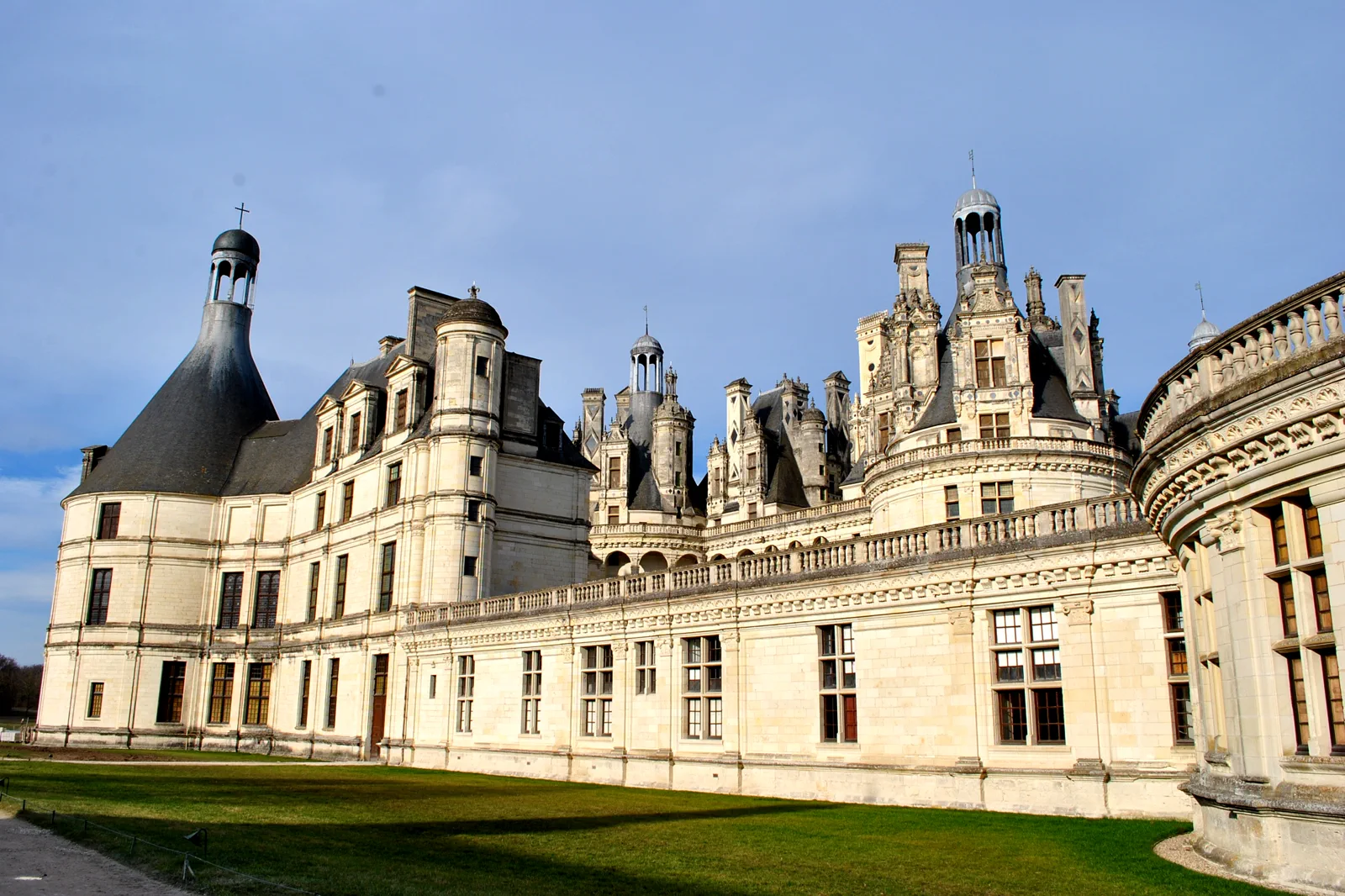
Blois & Chambord
Use Blois as a rail and historical base, then reach Chambord through a verified seasonal shuttle, bicycle, tour or car…
Open this guide →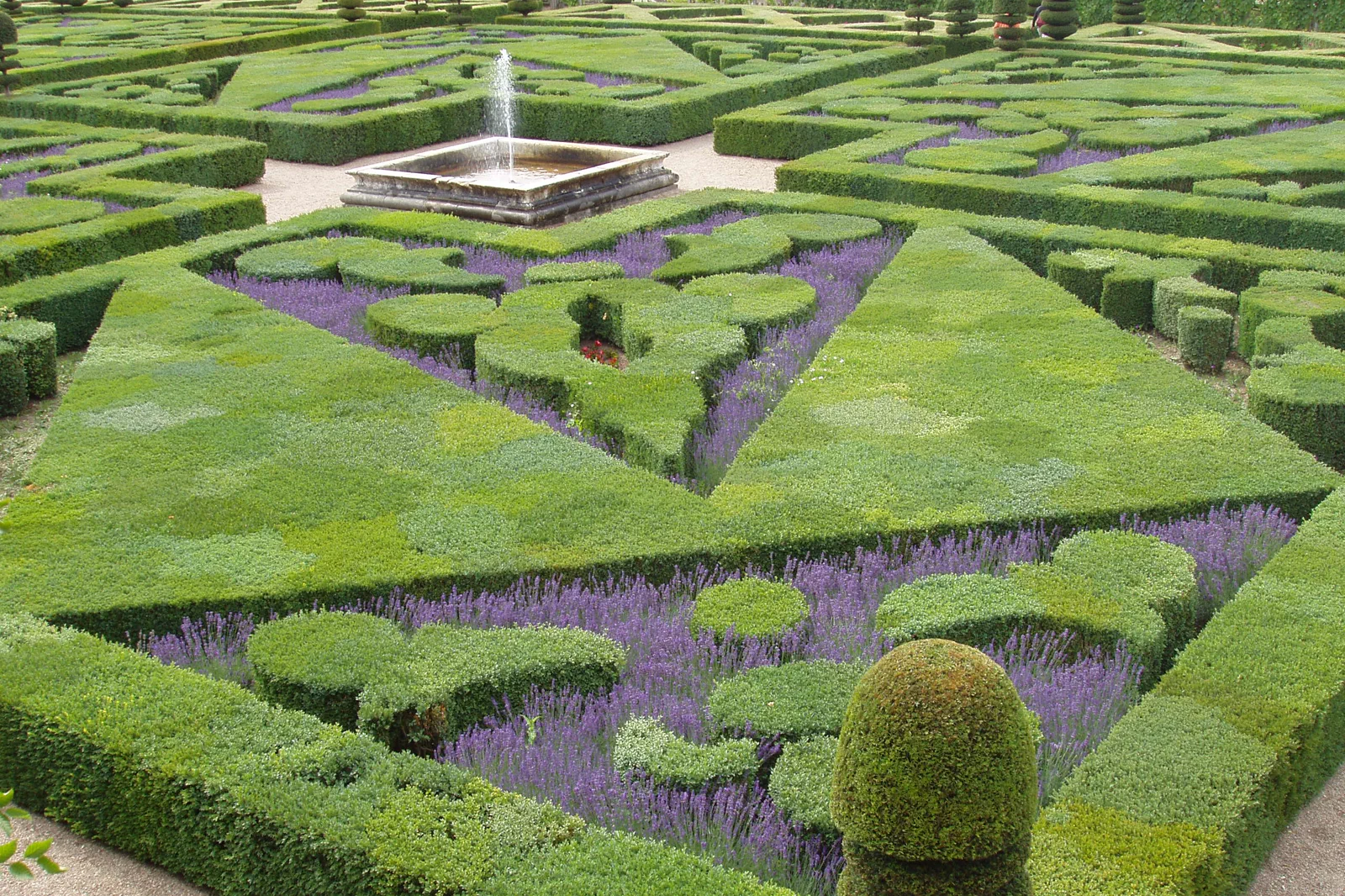
Tours, Villandry & Azay-le-Rideau
Use Tours as a practical base and choose whether Villandry’s gardens or Azay-le-Rideau’s rail-accessible château is the…
Open this guide →Amboise, Clos Lucé & Chenonceau FAQ
How much time should I give Amboise, Clos Lucé & Chenonceau?
Allow five to seven hours for one estate and town; give eight to ten hours for a carefully paired Amboise–Chenonceau day. Three interiors require another day.
What should I combine with Amboise, Clos Lucé & Chenonceau?
Combine Royal Amboise with Clos Lucé, or one Amboise site with Chenonceau. Do not append Chambord or Villandry to the same rail day.
What should I verify before leaving?
Check exact admission slots, train frequency, room or garden closures and the current pedestrian approach at both stations before booking the sequence.
Official sources and photo credits
Planning facts and image licensing were reviewed on 19 September 2026. Admission, transport, roads, trails, sea, fire, weather and local access can change; reopen the linked authority or operator before travel.
- Royal Château of Amboise — official visitor information.
- Château de Chenonceau — official tickets and access.
- Loire Valley — official regional tourism guide.
- Rémi — official Centre-Val de Loire regional transport.
- SNCF Connect — rail planning and service information.
- Château de Chambord, Loire Valley - FRANCE.jpg — Ignaz Wiradi, CC BY-SA 3.0. Resized, display-cropped and converted to WebP; no other material edits.
- Château de Chenonceau, Loire Valley, France.jpg — SpottingHistory, CC BY-SA 4.0. Resized, display-cropped and converted to WebP; no other material edits.
- Chateau Villandry garden, Loire Valley, 2004.JPG — Daderot at en.wikipedia, CC BY-SA 3.0. Resized, display-cropped and converted to WebP; no other material edits.