Tours, Villandry & Azay-le-Rideau
Tours supplies food, rail and city context; Villandry is a garden contract and Azay-le-Rideau is a town-and-château rail branch. Each earns a different schedule.
Tours city day
Keep the cathedral, old quarters, market and Loire edge together. This is the weather-flexible choice and deserves more than an evening after castles.
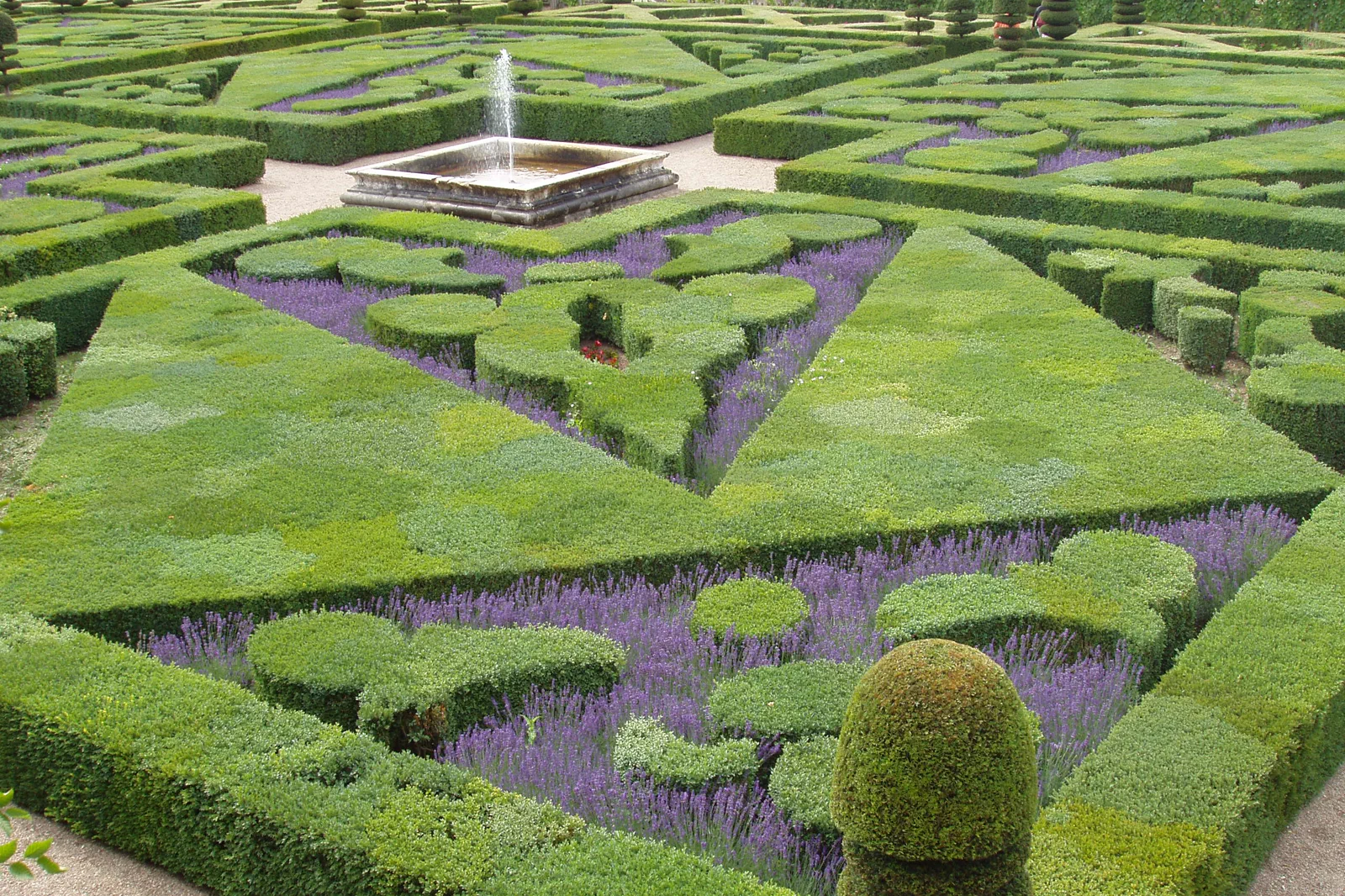
Villandry garden day
Prioritize the designed gardens and château with a confirmed bus, bicycle, tour or car. Seasonal planting and daylight shape the value.
Azay-le-Rideau by rail
Use the branch train and local walk for the château and town. This is the clearer car-free estate choice, subject to service frequency.
Know where the day actually begins.
Tours and Saint-Pierre-des-Corps are separate rail nodes; know where the train arrives and whether a transfer is needed. Villandry requires a verified last mile, while Azay-le-Rideau station still needs a walk or local connection to the château.
Choose what the route leaves out.
A Villandry-and-Azay day spends much of its margin on rural transfers. The route gives up one estate so the chosen garden or château, Tours meal and return do not collapse into clock watching.
Fit this route into Loire Valley Châteaux, not into an isolated checklist.
The Loire Valley is a chain of towns, rail stops, gardens and estates rather than one castle park. Blois and Chambord, Amboise and Chenonceau, and Tours with the western gardens each create a different transport day. Two well-matched sites usually beat a three-château sprint.
Three nights in Blois, Amboise or Tours support two estate days without returning to Paris each evening. Choose the base from the châteaux and transport you will actually use, not from a generic “Loire Valley” label.
Some estates have a nearby rail station; others need a seasonal shuttle, bicycle, taxi, tour or car. Confirm the final approach and luggage plan before booking timed admissions across different towns.
Garden interest, shuttle service, château events and daylight vary. Summer offers the broadest connections but heavier roads and queues; winter can be atmospheric while reducing garden time and local transport.
If a shuttle, bicycle plan or garden visit fails, use the base town and one rail-accessible château rather than hiring an expensive chain of improvised transfers. Keep one indoor estate as the wet-weather anchor.
Arrive, read the place, commit, then protect the return.
Check château opening and garden conditions, Rémi transport or bicycle rental, the exact rail station and the final service back to the base.
- 01Arrive
Set the correct Tours node
Confirm Tours Centre versus Saint-Pierre-des-Corps, store luggage and identify the departure point for the chosen branch.
- 02Read the place
Reach one estate deliberately
Use the verified bus, bicycle, tour, car or branch train and note the last return before entering.
- 03Commit
Read garden or water château
At Villandry, follow the garden rooms and seasonal logic; at Azay, connect the island-like setting, interiors and town without adding a second distant site.
- 04Return
Finish in Tours with a buffer
Return for the market quarter, a meal or short old-town loop only after the mainline departure is secure.
Use the live operator, monument and destination sources for this route.
The route explains the decision; these official pages control current admission, transport, weather, access and closures.
Keep the day useful when the headline plan disappears.
If the rural connection fails, use Tours as the complete day with cathedral, Musée des Beaux-Arts where open, old streets and Loire. If outdoor conditions undermine Villandry, switch only to a confirmed indoor site rather than an unbooked château chain.
Check château opening and garden conditions, Rémi transport or bicycle rental, the exact rail station and the final service back to the base.
Change the plan before the problem compounds.
Tours has two rail identities
Many TGVs use Saint-Pierre-des-Corps. A tight connection to Tours Centre or a regional branch needs explicit planning.
Bicycle distance needs a return plan
Flat terrain does not remove wind, heat, punctures or château closing times. Use official routes and rental hours.
Gardens change through the year
A garden-led day should use the current seasonal information rather than assume peak imagery.
Other ways to use Loire Valley Châteaux.
Blois & Chambord
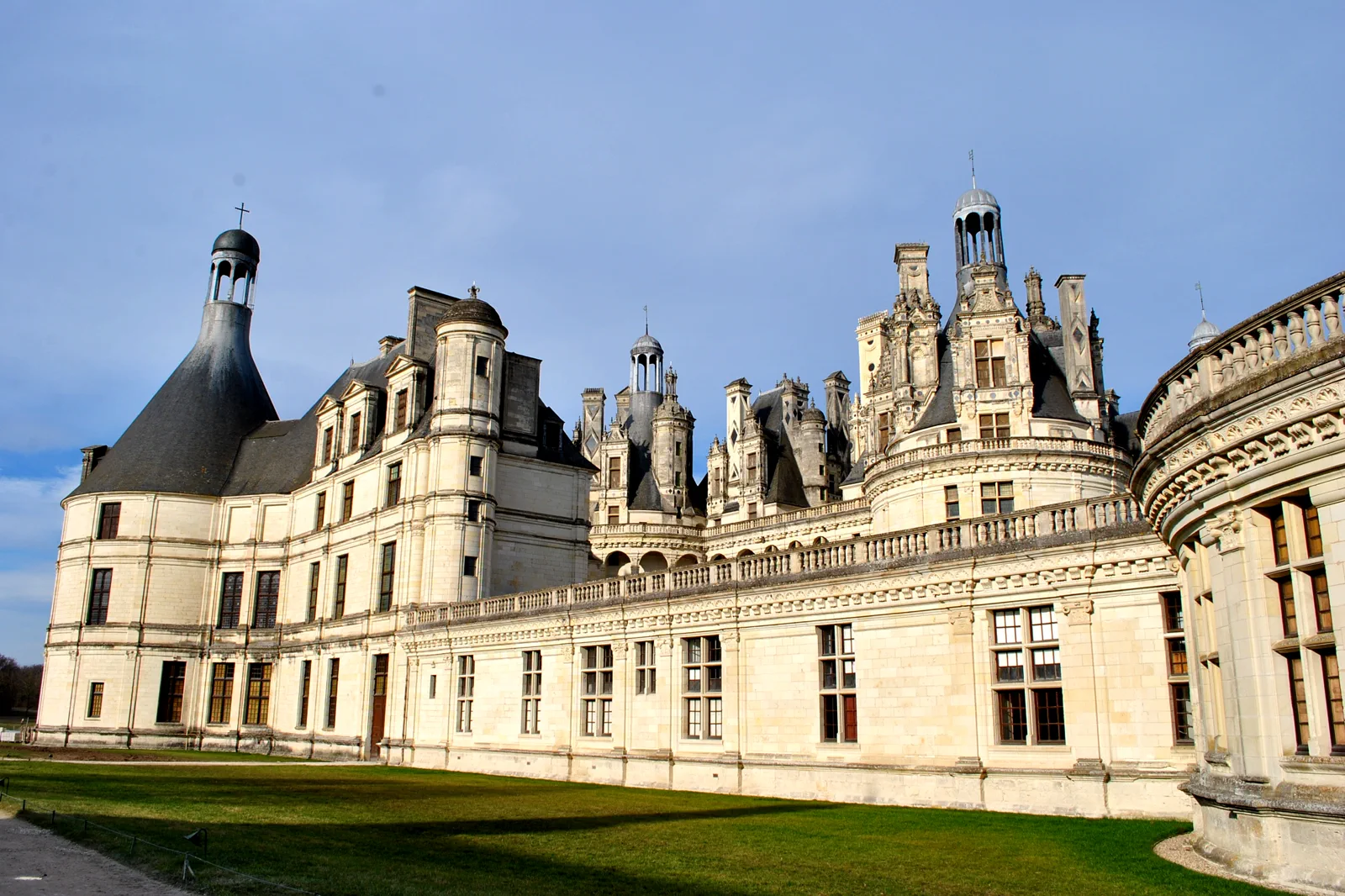
Use Blois as a rail and historical base, then reach Chambord through a verified seasonal shuttle, bicycle, tour or car…
Open this guide →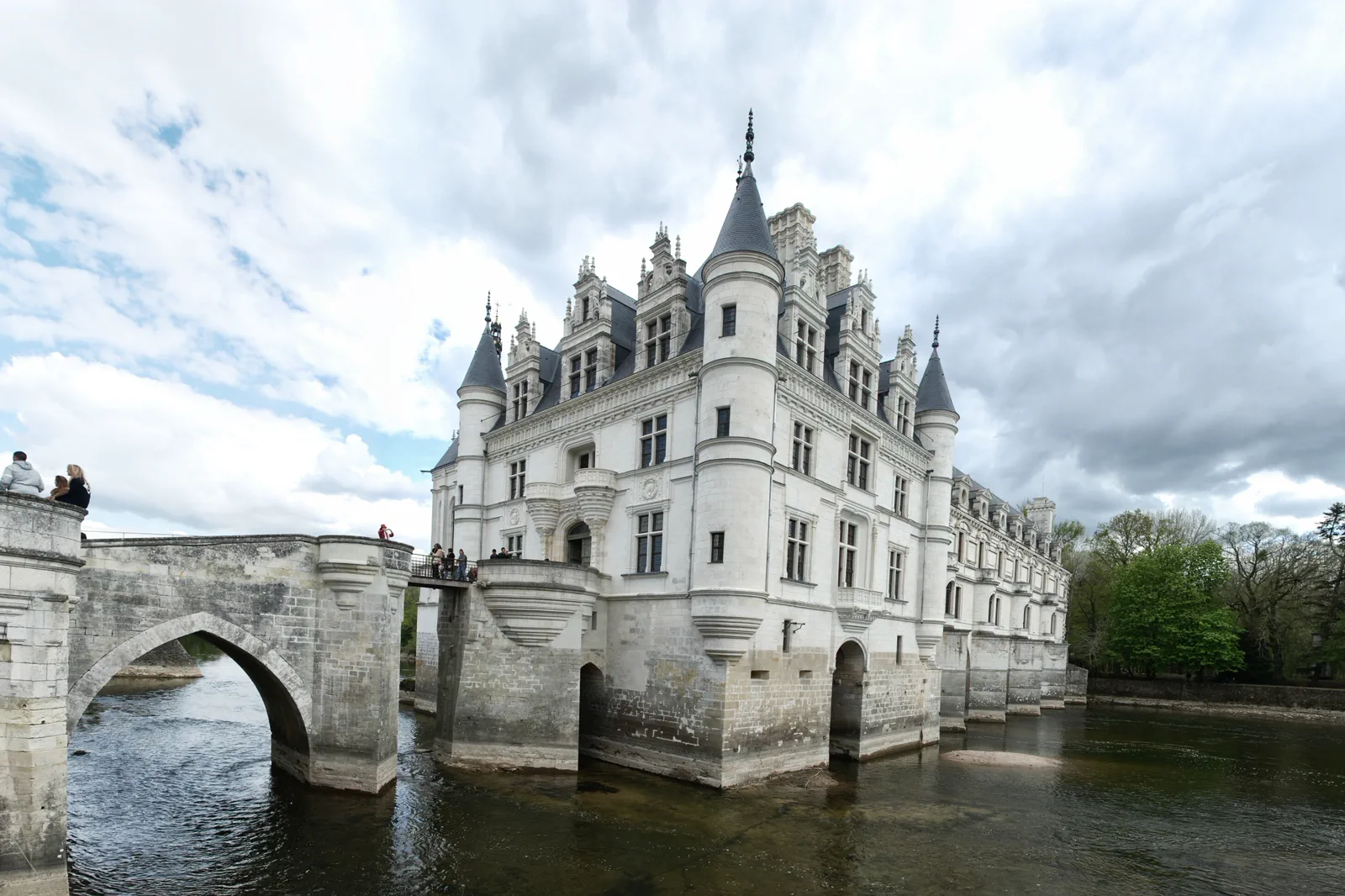
Amboise, Clos Lucé & Chenonceau
Choose between Amboise’s royal-and-Leonardo pair and Chenonceau’s river château, then use the rail corridor without turning…
Open this guide →Tours, Villandry & Azay-le-Rideau FAQ
How much time should I give Tours, Villandry & Azay-le-Rideau?
Allow a full day for Tours plus one estate. Tours alone needs five to seven hours; Villandry or Azay from the city needs at least a generous half-day.
What should I combine with Tours, Villandry & Azay-le-Rideau?
Combine Tours with Villandry or Azay-le-Rideau, not both unless using a private vehicle and deliberately shortening each. Keep Amboise and Chenonceau for the eastern corridor.
What should I verify before leaving?
Check château opening and garden conditions, Rémi transport or bicycle rental, the exact rail station and the final service back to the base.
Official sources and photo credits
Planning facts and image licensing were reviewed on 19 September 2026. Admission, transport, roads, trails, sea, fire, weather and local access can change; reopen the linked authority or operator before travel.
- Château and Gardens of Villandry — official visits.
- Château d’Azay-le-Rideau — official monument information.
- Loire Valley — official regional tourism guide.
- Rémi — official Centre-Val de Loire regional transport.
- SNCF Connect — rail planning and service information.
- Château de Chambord, Loire Valley - FRANCE.jpg — Ignaz Wiradi, CC BY-SA 3.0. Resized, display-cropped and converted to WebP; no other material edits.
- Château de Chenonceau, Loire Valley, France.jpg — SpottingHistory, CC BY-SA 4.0. Resized, display-cropped and converted to WebP; no other material edits.
- Chateau Villandry garden, Loire Valley, 2004.JPG — Daderot at en.wikipedia, CC BY-SA 3.0. Resized, display-cropped and converted to WebP; no other material edits.