Catania & Mount Etna
Use Catania as the control room, confirm the active access level before departure, enter Etna through one named flank or keep the city, and return before weather or transport removes the safe margin.
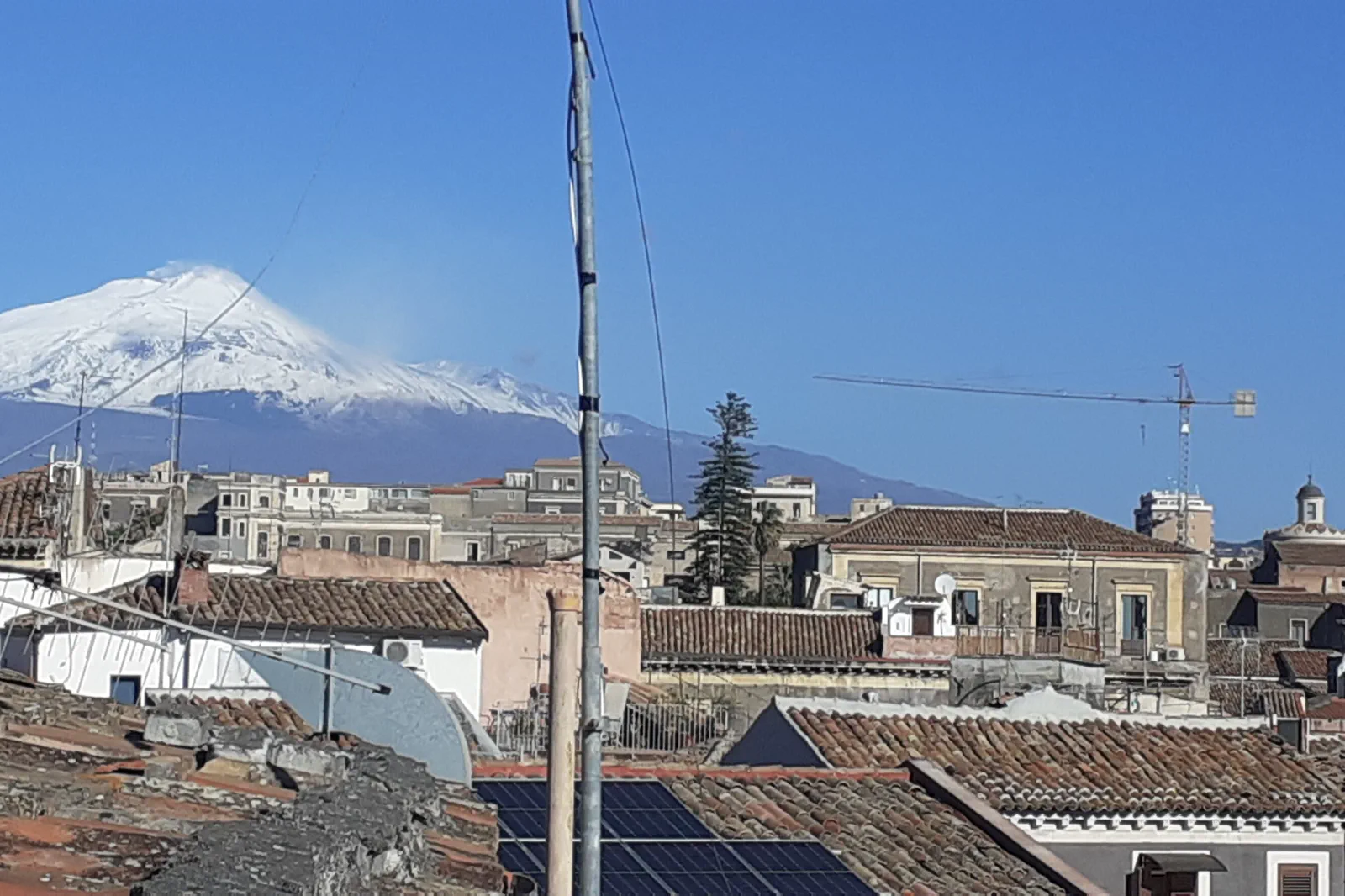
Three useful routes, each with a visible sacrifice.
Choose a Catania city day, a lower official park route or a qualified higher-elevation product and make volcanic authority, weather and the exact flank more important than a summit promise.
Catania lava-and-baroque city
Connect the historic centre, market, one archaeological layer and a museum. It is the resilient choice and preserves context, but gives up a mountain panorama day.
Official lower park route
Choose a signed lower trail or visitor-area route appropriate to current conditions. This gains volcanic landscape with less exposure but does not imply a summit or crater-edge visit.
Qualified high-elevation experience
Use the currently authorised lift, vehicle and guide product for the permitted upper zone. It gains altitude while surrendering schedule certainty to safety decisions.
Begin where the transport actually ends.
Etna has multiple flanks and gateway towns; a Catania departure labelled “Etna” does not establish the route, altitude or return. Identify the operator, Rifugio Sapienza or other exact gateway, included transport, authorised access level and emergency cancellation terms before leaving the city.
Know what the chosen line leaves out.
A serious city route and a serious volcano route each fill a day. Higher altitude offers scale but creates the most fragile schedule; a lower park route sacrifices elevation for more control and a safer return.
Eastern Sicily has four layers to align.
Eastern Sicily is shaped by Etna, the Ionian coast and the rebuilt baroque southeast, but each has a different operating system. Catania can support a city or volcano day, Taormina sits above its railway station, Milazzo controls most Aeolian departures, and Syracuse is a better southeast base than a daily Palermo commute. Choose the gateway before promising yourself the view.
BASE
Three nights in Catania allows a city day and one weather-dependent Etna attempt. Add two nights around Taormina or Milazzo when the Ionian coast or Aeolian Islands matter, and two to four nights in Syracuse or the southeast for Noto, Modica and Ragusa without serial late returns.
TRANSFER
Catania’s city network, Etna excursions and Circumetnea are not a single summit service. Taormina–Giardini station lies below the hill town; Milazzo station still needs a port transfer. Syracuse, Noto, Modica and Ragusa use rail and regional buses with date-sensitive gaps and works.
SEASON
Etna access changes with volcanic activity, snow, wind, heat and operator decisions. Summer raises city and theatre pressure and makes exposed archaeological sites demanding. Aeolian sailings depend on sea state, while winter and shoulder seasons reduce maritime frequency.
LOWER-RISK DAY
Keep Catania as the volcano fallback, Taormina or Naxos as the island-transfer fallback, and Syracuse as the southeast fallback. When an authority or operator closes a gate, preserve the base-city story instead of substituting an unofficial climb, boat or remote town.
Arrive, cross one gate, use one layer, then protect the return.
Check Etna Park, INGV Osservatorio Etneo and civil-protection notices, the exact operator and flank, guide and lift status, mountain weather, equipment conditions, cancellation policy and confirmed return to Catania.
- 01Arrive
Read the authority layer
Check Etna Park, civil-protection or operator notices and the mountain forecast before choosing city, lower park or high elevation. Cancel any route outside the currently authorised zone.
- 02Cross the threshold
Meet the named gateway
Join the exact bus, vehicle, guide or visitor-area entrance listed in the confirmed product. Carry the clothing and footwear required for altitude rather than Catania’s street temperature.
- 03Use the layer
Use only the open zone
Follow the signed trail or accredited guide and accept a lower turnaround when conditions change. City visitors keep one archaeological and one baroque line instead of chasing every monument.
- 04Protect the return
Close back in Catania
Return on the booked transport with reserve time and treat evening plans as optional. Record delays or route changes before adding a city dinner reservation.
Reopen the pages that control today’s gate.
The guide provides the decision structure; these authorities control admission, transport, paths, weather, marine operation and closures.
- Etna Park — official protected-area information.
- Etna Park UNESCO portal — official access and landscape information.
- INGV Osservatorio Etneo — official volcanic monitoring information.
- Visit Sicily — official regional tourism portal.
- Trenitalia — official eastern Sicily rail planning.
- AST — official Sicilian regional bus information.
Keep a complete alternative, not fragments.
If Etna access closes, complete Catania’s market, Roman theatre, civic museum and lava-built street route. If only the upper zone closes, use an officially open lower route; never recommend walking around a barrier or buying an unverified roadside substitute.
Check Etna Park, INGV Osservatorio Etneo and civil-protection notices, the exact operator and flank, guide and lift status, mountain weather, equipment conditions, cancellation policy and confirmed return to Catania.
Change the plan while the return is still strong.
Volcanic access is authoritative
A clear sky does not override closures, gas, eruption or rescue restrictions. Link claims to the park and current operator, not social-media conditions.
Etna has more than one flank
Transport to one visitor area cannot be repurposed for another trail. Name the side, gateway and planned return in every route.
City and mountain climates diverge
Heat in Catania can coexist with cold, wind or snow at altitude. Clothing, water and turnaround decisions must follow the mountain forecast.
Other complete ways to use Eastern Sicily.
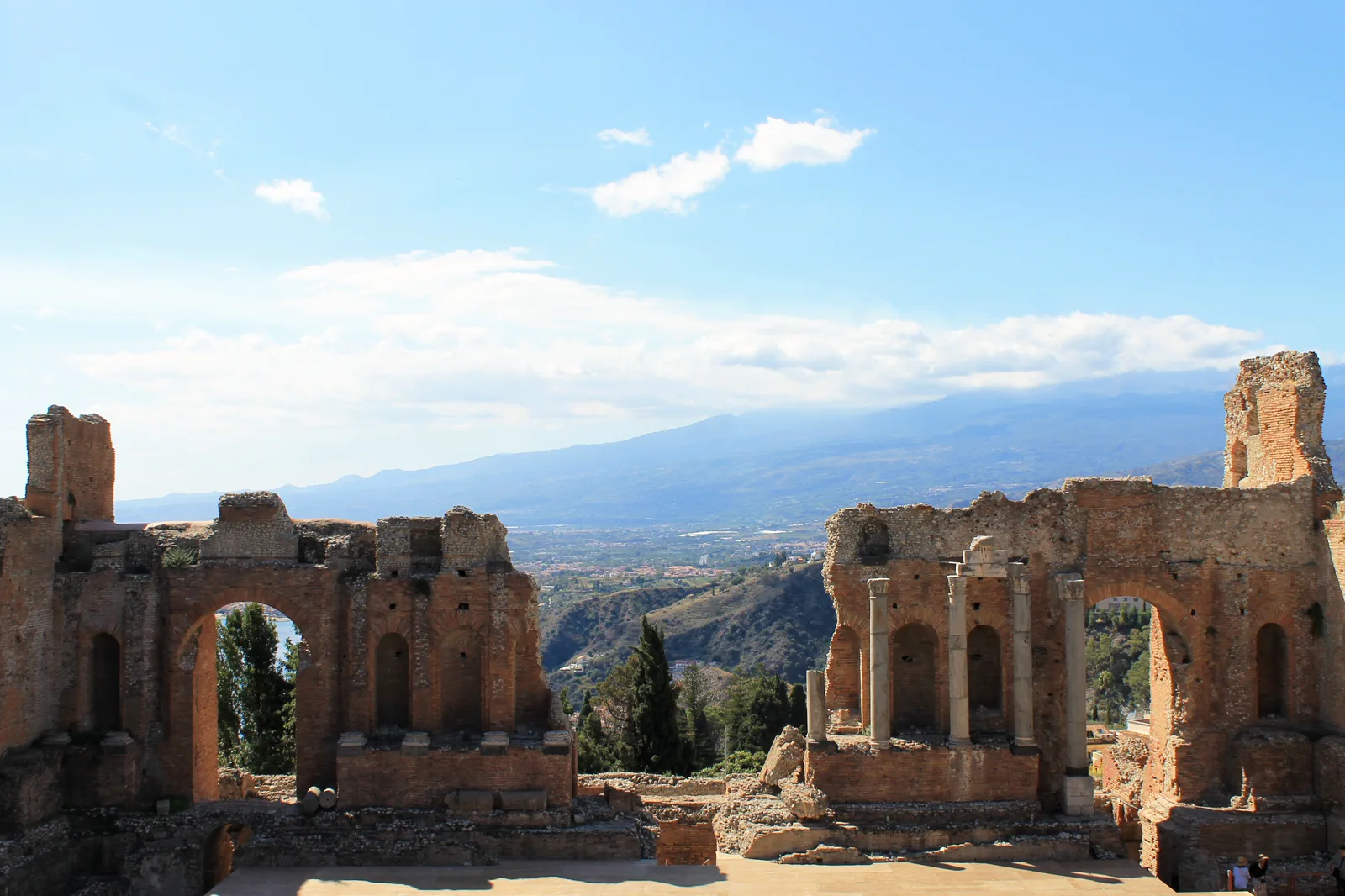
Taormina, Naxos & the Aeolian Gateway
Decide whether to stay on the Taormina–Naxos coast or reposition through Milazzo for the Aeolian Islands, making the hill…
Open this route folio →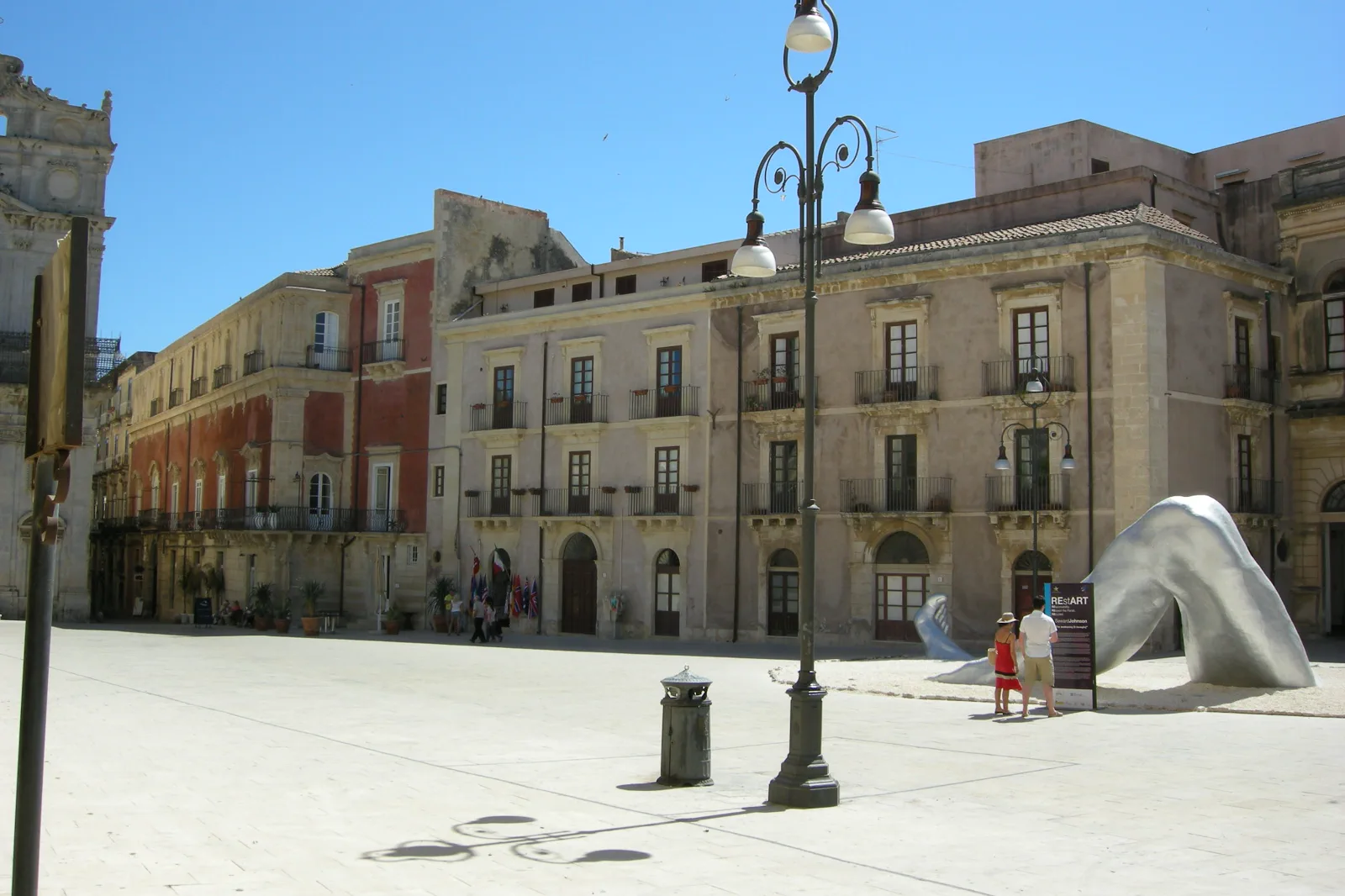
Syracuse, Noto & Ragusa
Choose Syracuse depth, a Noto day or the Ragusa–Modica branch and expose the rail and bus gaps between baroque cities…
Open this route folio →Catania & Mount Etna FAQ
How much time should I give Catania & Mount Etna?
Allow a full day for any Etna outing and five to seven hours for Catania. Keep a second Catania night so a weather cancellation does not force an unsafe same-day substitute.
What should I combine with Catania & Mount Etna?
Combine Etna only with a modest Catania evening after the return. Keep Taormina, Syracuse and an Aeolian transfer for separate days.
What should I verify before leaving?
Check Etna Park, INGV Osservatorio Etneo and civil-protection notices, the exact operator and flank, guide and lift status, mountain weather, equipment conditions, cancellation policy and confirmed return to Catania.
Official sources and photo credits
Planning facts and image licensing were reviewed on 26 September 2026. Admission, rail, roads, ZTLs, paths, ferries, weather and local access can change; reopen the linked authority or operator before travel.
- Etna Park — official protected-area information.
- Etna Park UNESCO portal — official access and landscape information.
- INGV Osservatorio Etneo — official volcanic monitoring information.
- Visit Sicily — official regional tourism portal.
- Trenitalia — official eastern Sicily rail planning.
- AST — official Sicilian regional bus information.
- Etna, Catania (Italy).jpg — 1888-stefan, CC0. Resized, display-cropped and converted to WebP; no other material edits.
- Taormina - Teatro antico di Taormina.jpg — 231286M, CC BY-SA 4.0. Resized, display-cropped and converted to WebP; no other material edits.
- Ortigia, piazza duomo, palazzi.JPG — sailko, CC BY 2.5. Resized, display-cropped and converted to WebP; no other material edits.