Syracuse, Noto & Ragusa
Base in Syracuse or another chosen southeast city, complete one archaeological or baroque axis, make at most one proven intercity move, and return before the branch service thins.
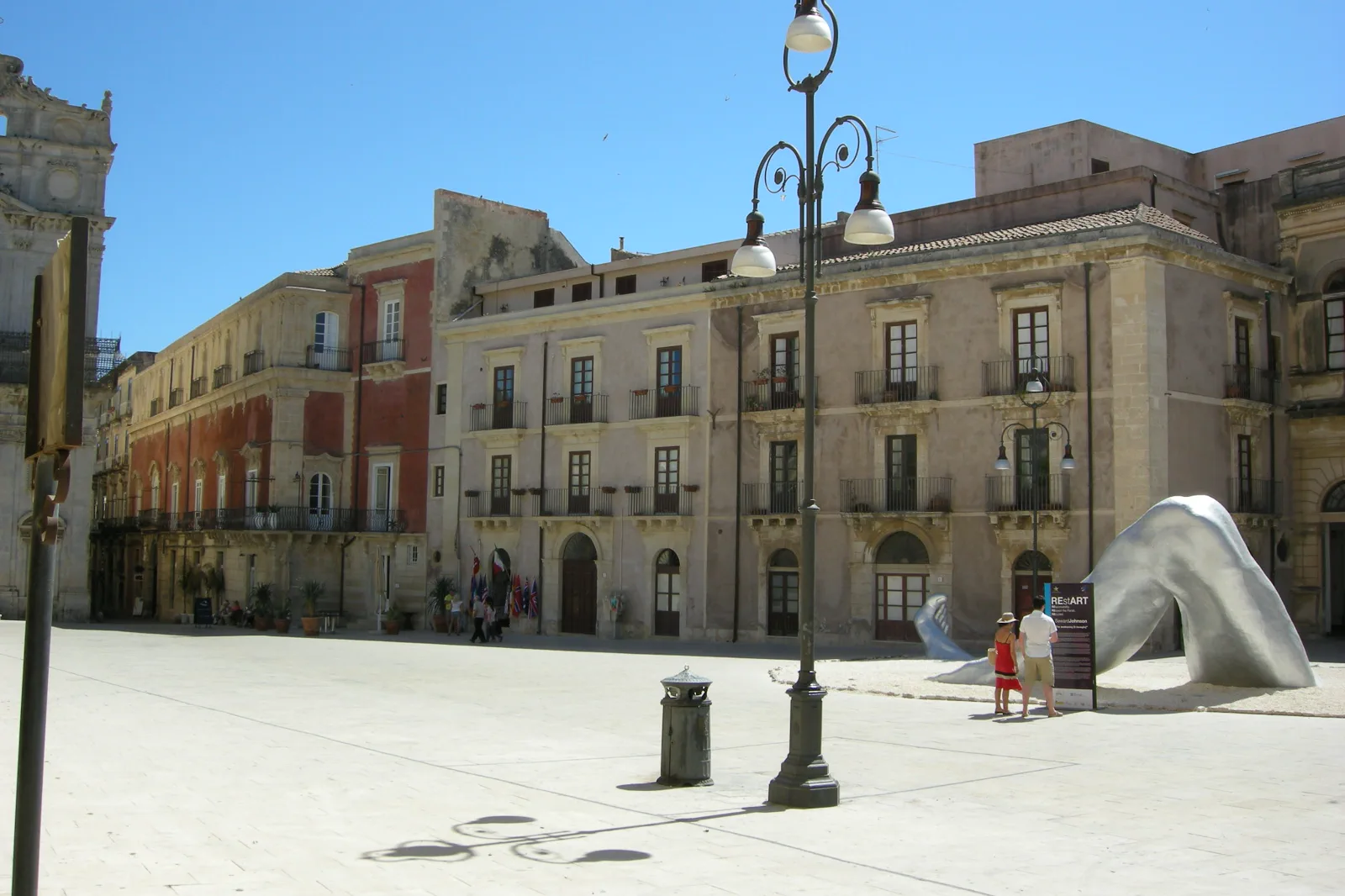
Three useful routes, each with a visible sacrifice.
Choose Syracuse depth, a Noto day or the Ragusa–Modica branch and expose the rail and bus gaps between baroque cities instead of presenting the southeast as one walkable cluster.
Syracuse and Ortigia depth
Pair Neapolis with a selective Ortigia route and a proper break. It offers the richest archaeology-to-living-city argument but leaves no room for another baroque town.
Noto day
Use the confirmed rail or bus for a focused reconstruction-and-streets route. It gives a compact baroque reading but depends on dated transport back to the base.
Ragusa or Modica branch
Choose one stepped hill city or a deliberate two-town overnight. The branch adds dramatic urban topography but should not be sold as a casual Syracuse extension.
Begin where the transport actually ends.
Syracuse station lies on the mainland outside Ortigia and also away from parts of Neapolis. Noto, Modica and Ragusa have rail or bus links with different frequencies, works and station-to-centre climbs. Verify the exact service and old-town approach in both directions.
Know what the chosen line leaves out.
Neapolis plus Ortigia already makes a substantial Syracuse day. Choosing Noto, Ragusa or Modica trades that depth for a separate rebuilding and landscape story; trying to collect all three compresses meals, interiors and return safety.
Eastern Sicily has four layers to align.
Eastern Sicily is shaped by Etna, the Ionian coast and the rebuilt baroque southeast, but each has a different operating system. Catania can support a city or volcano day, Taormina sits above its railway station, Milazzo controls most Aeolian departures, and Syracuse is a better southeast base than a daily Palermo commute. Choose the gateway before promising yourself the view.
BASE
Three nights in Catania allows a city day and one weather-dependent Etna attempt. Add two nights around Taormina or Milazzo when the Ionian coast or Aeolian Islands matter, and two to four nights in Syracuse or the southeast for Noto, Modica and Ragusa without serial late returns.
TRANSFER
Catania’s city network, Etna excursions and Circumetnea are not a single summit service. Taormina–Giardini station lies below the hill town; Milazzo station still needs a port transfer. Syracuse, Noto, Modica and Ragusa use rail and regional buses with date-sensitive gaps and works.
SEASON
Etna access changes with volcanic activity, snow, wind, heat and operator decisions. Summer raises city and theatre pressure and makes exposed archaeological sites demanding. Aeolian sailings depend on sea state, while winter and shoulder seasons reduce maritime frequency.
LOWER-RISK DAY
Keep Catania as the volcano fallback, Taormina or Naxos as the island-transfer fallback, and Syracuse as the southeast fallback. When an authority or operator closes a gate, preserve the base-city story instead of substituting an unofficial climb, boat or remote town.
Arrive, cross one gate, use one layer, then protect the return.
Check archaeological park openings, current performance restrictions, Trenitalia and regional bus notices, station-to-centre access, sacred-site hours, heat and the final return.
- 01Arrive
Set the triangle corner
Begin in Syracuse for a city day or board the confirmed service to Noto, Modica or Ragusa. Save the return and station climb before leaving the platform.
- 02Cross the threshold
Meet one historical layer
Use Neapolis, an Ortigia sacred-civic line, Noto’s central axis or the selected hill city as the fixed interpretive block. Observe current site and worship access.
- 03Use the layer
Follow the city’s terrain
Cross Ortigia once, walk Noto’s planned street sequence or respect Ragusa and Modica’s stairs and bus links. Stop adding churches when the return climb begins.
- 04Protect the return
Close at station or base
Reach the correct rail or bus stop with reserve time. A Syracuse evening remains optional after arrival, not the justification for a tight branch return.
Reopen the pages that control today’s gate.
The guide provides the decision structure; these authorities control admission, transport, paths, weather, marine operation and closures.
Keep a complete alternative, not fragments.
If branch transport fails, complete Syracuse with Neapolis, the archaeological museum or a shorter Ortigia circuit. If an archaeological sector closes, keep the city and museum evidence rather than switching towns mid-day.
Check archaeological park openings, current performance restrictions, Trenitalia and regional bus notices, station-to-centre access, sacred-site hours, heat and the final return.
Change the plan while the return is still strong.
Syracuse has separated visitor zones
Neapolis, the museum, station and Ortigia are not one doorway. Choose their order and avoid repeated mainland-island backtracking.
Hill-city stations can be misleading
A station bearing the city name may sit below or outside the historic core. Include the climb, bus or taxi plan before confirming the route.
Performance seasons alter Neapolis
The Greek theatre and surrounding access can change during productions and conservation work. Check the official archaeological park rather than assuming full monument access.
Other complete ways to use Eastern Sicily.
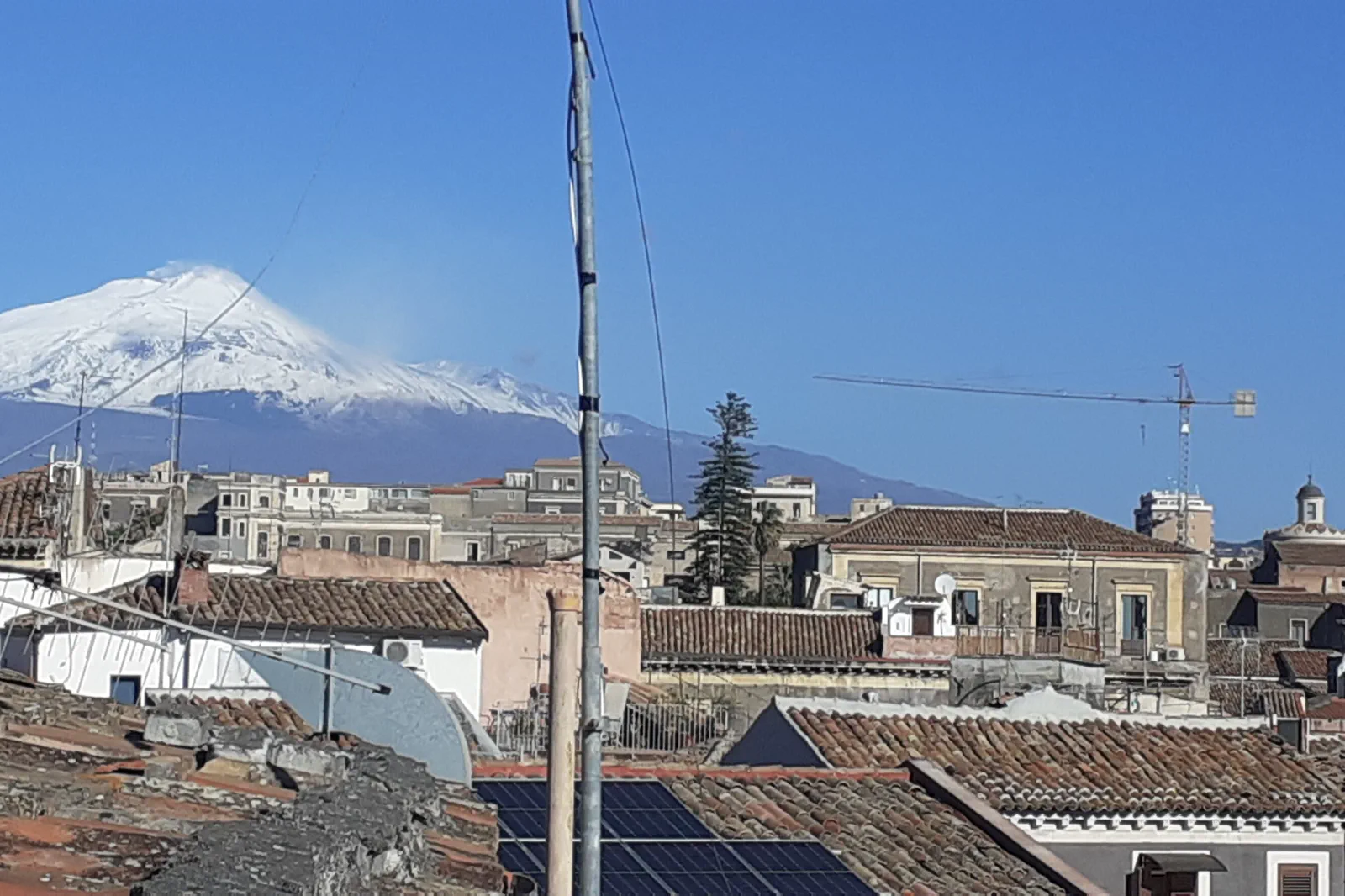
Catania & Mount Etna
Choose a Catania city day, a lower official park route or a qualified higher-elevation product and make volcanic authority,…
Open this route folio →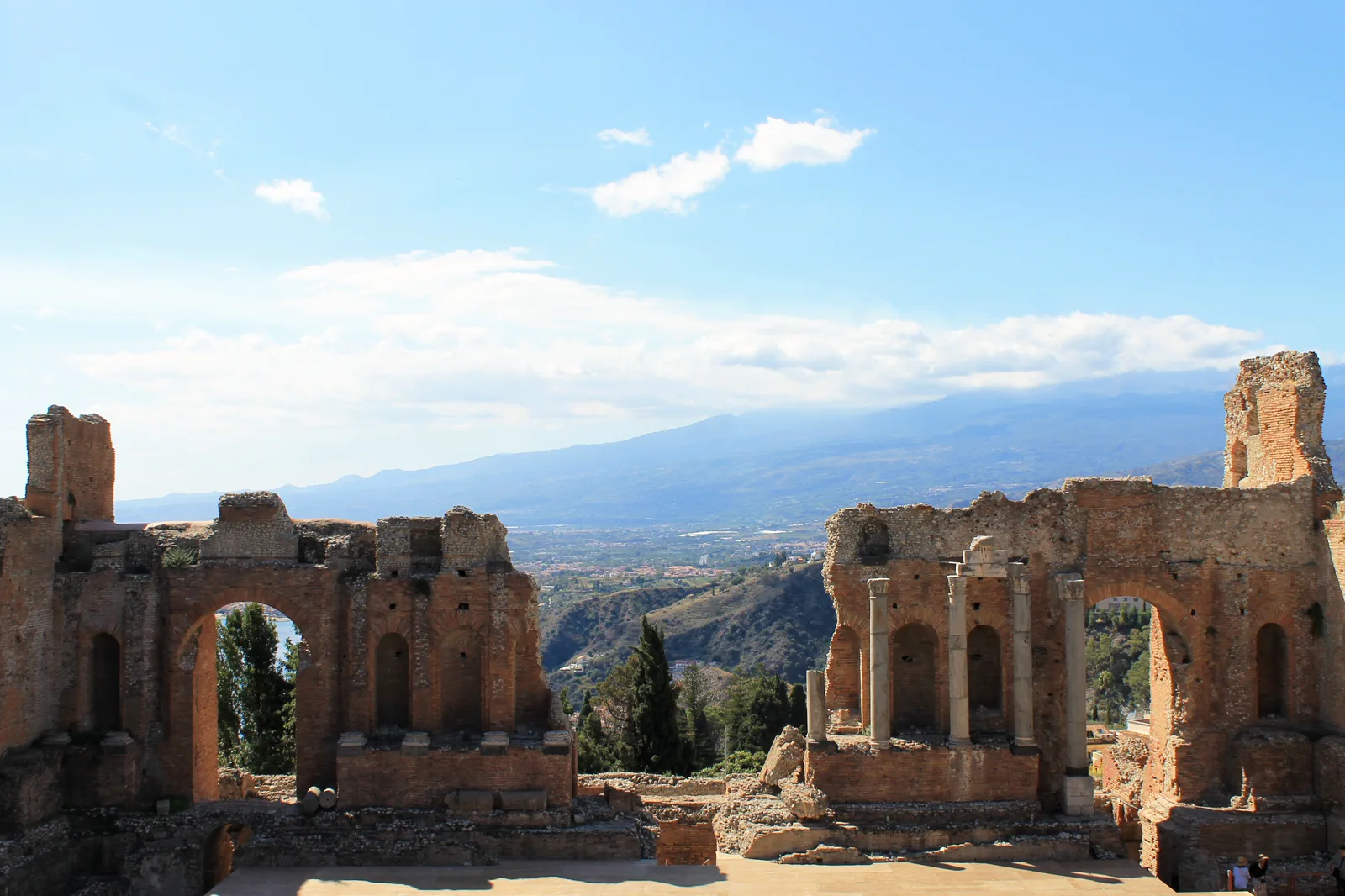
Taormina, Naxos & the Aeolian Gateway
Decide whether to stay on the Taormina–Naxos coast or reposition through Milazzo for the Aeolian Islands, making the hill…
Open this route folio →Syracuse, Noto & Ragusa FAQ
How much time should I give Syracuse, Noto & Ragusa?
Allow a full day for Syracuse or any separate southeast town. Noto can be a bounded day trip; Ragusa and Modica are stronger with an overnight or a carefully confirmed two-day branch.
What should I combine with Syracuse, Noto & Ragusa?
Combine Neapolis with Ortigia, or one baroque city with its own evening. Keep Etna, Taormina and the Aeolian Islands on separate days.
What should I verify before leaving?
Check archaeological park openings, current performance restrictions, Trenitalia and regional bus notices, station-to-centre access, sacred-site hours, heat and the final return.
Official sources and photo credits
Planning facts and image licensing were reviewed on 26 September 2026. Admission, rail, roads, ZTLs, paths, ferries, weather and local access can change; reopen the linked authority or operator before travel.
- Visit Sicily — official Neapolis Archaeological Park information.
- Regione Siciliana — official archaeological parks portal.
- Visit Sicily — official regional tourism portal.
- Trenitalia — official eastern Sicily rail planning.
- AST — official Sicilian regional bus information.
- Etna, Catania (Italy).jpg — 1888-stefan, CC0. Resized, display-cropped and converted to WebP; no other material edits.
- Taormina - Teatro antico di Taormina.jpg — 231286M, CC BY-SA 4.0. Resized, display-cropped and converted to WebP; no other material edits.
- Ortigia, piazza duomo, palazzi.JPG — sailko, CC BY 2.5. Resized, display-cropped and converted to WebP; no other material edits.