Orvieto Cliff City
Meet the cliff at Orvieto Scalo, use the current funicular or replacement connection to the old town, reserve only the underground experience that fits the cathedral clock, and return downhill before a thin regional-train connection becomes the day’s final risk.
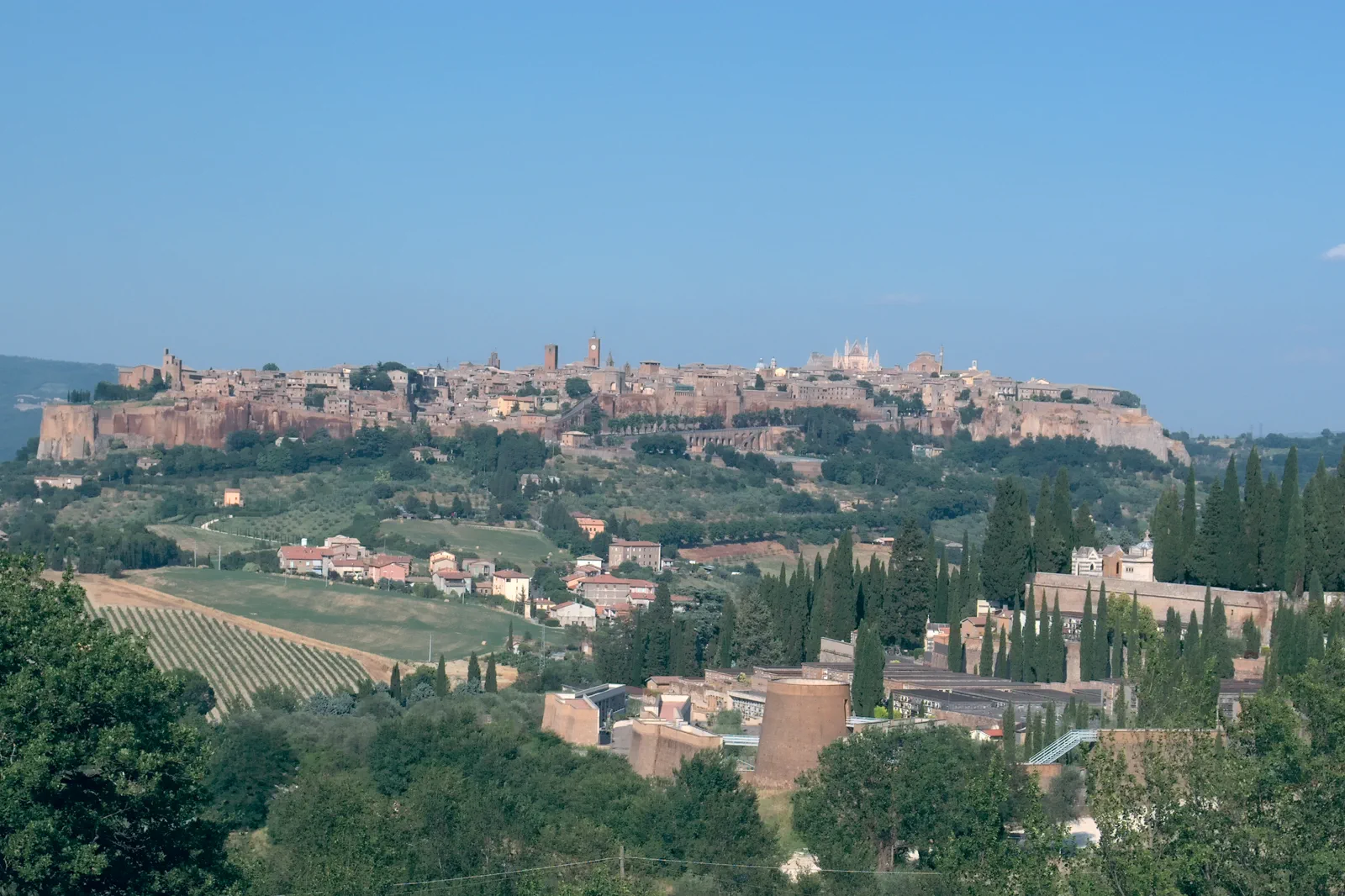
Three useful routes, each with a visible sacrifice.
Choose the cathedral, an underground appointment, or the fortress-and-cliff edge as Orvieto’s main layer, then join Orvieto Scalo, the funicular and the upper-town streets into one controlled ascent and descent.
01 Cathedral and sacred art
Make the Duomo, its chapels and related museum material the central commitment. This gives the facade and interior proper time, but leaves the underground city as a short or separate appointment.
02 Underground Orvieto
Book one authorized cave or well experience and connect it to the streets above. The controlled entry reveals the cliff’s hidden infrastructure, but sacrifices a long cathedral-museum sequence.
03 Fortress and cliff circuit
Prioritize the Albornoz fortress edge, viewpoints and a bounded walk through the upper town. It is flexible in ticket terms, yet weather and steep surfaces can remove the very views that justify it.
Begin where the transport actually ends.
Mainline and regional trains arrive at Orvieto Scalo beneath the cliff. The funicular climbs toward Piazza Cahen, from which local buses or an uphill walk reach the Duomo; replacement arrangements can differ during maintenance. Treat Scalo-to-centre and centre-to-platform as timed legs, not a station forecourt crossing.
Know what the chosen line leaves out.
A scheduled underground tour or well visit fixes the middle of the day, while the cathedral complex can absorb the same attention window. Choosing both at maximum depth crowds out the cliff circuit and a calm descent, so one controlled threshold must remain secondary.
Umbria has four layers to align.
Umbria’s headline towns occupy different ridges rather than one easy urban corridor. Perugia asks travelers to understand a lower railway station and an upper civic core; Assisi separates Santa Maria degli Angeli from the basilica city above; Orvieto begins with a cliff transfer from the scalo. A useful stay chooses one hill-town threshold per day and protects the descent before adding another church, gallery or viewpoint.
BASE
Three to five nights works well from Perugia when the trip favors regional rail and buses, while an Assisi or Orvieto overnight buys quieter sacred or civic hours. Changing hotels between all three towns usually adds more luggage climbing than useful access.
TRANSFER
Regional trains connect the main valleys, but they do not finish the journey: Perugia Fontivegge needs Minimetrò, bus or escalator access; Assisi station needs an onward bus from Santa Maria degli Angeli; Orvieto Scalo needs the funicular or replacement service. Confirm the final uphill and downhill leg as part of each ticketed day.
SEASON
Summer heat makes exposed ridge streets and stone stairways slower than the rail map suggests. Spring and autumn can bring major religious observances, school groups and rain on polished slopes; winter shortens daylight and may reduce peripheral services even when the principal basilicas and museums remain open.
LOWER-RISK DAY
Keep a complete indoor-and-covered route in the same town: Perugia’s collections and Rocca Paolina, Assisi’s basilica sequence, or Orvieto’s cathedral and civic museums. If an uphill connection fails before departure, stay in the rail-served valley town rather than improvising a costly cross-region rescue.
Arrive, cross one gate, use one layer, then protect the return.
Check the Duomo and chapel access, the exact underground meeting point and slot, current funicular operation and the return train before ascending from Orvieto Scalo.
- 01Arrive
Read the scalo connection
On arrival, confirm the funicular or replacement service and the next realistic downhill connection. Do not buy an upper-town ticket before knowing how it fits the departure train.
- 02Cross the threshold
Climb to the civic plateau
Use Piazza Cahen as the transfer hinge, then take the direct bus or a deliberate street approach to the Duomo. Avoid descending side lanes before the booked anchor.
- 03Use the layer
Open one tufa layer
Commit to the cathedral complex, one official underground tour, or the fortress edge. Place the other two as context rather than pretending every cave and museum is compulsory.
- 04Protect the return
Return through Piazza Cahen
Finish the circuit on the side that leads cleanly back to the funicular. Allow for queues, replacement buses and the walk from the lower station to the correct rail platform.
Reopen the pages that control today’s gate.
The guide provides the decision structure; these authorities control admission, transport, paths, weather, marine operation and closures.
Keep a complete alternative, not fragments.
If an underground tour is sold out or a funicular interruption changes the clock, keep the Duomo, Museo dell’Opera where available and a short upper-town civic route. In poor visibility, replace the exposed cliff walk with cathedral and museum interiors rather than chasing another Umbrian hill town.
Check the Duomo and chapel access, the exact underground meeting point and slot, current funicular operation and the return train before ascending from Orvieto Scalo.
Change the plan while the return is still strong.
Underground visits use controlled slots
Caves, wells and tunnels have separate tickets, meeting points and physical restrictions. One booking does not grant access to every subterranean site.
The funicular is a real connection
Maintenance or crowding can replace a quick ascent with a bus and wait. Preserve margin at both ends of the rail journey.
The cliff edge magnifies weather
Heat, wind and wet stone change the value and safety of exposed viewpoints. Keep the cathedral-and-museum route complete on its own.
Other complete ways to use Umbria.
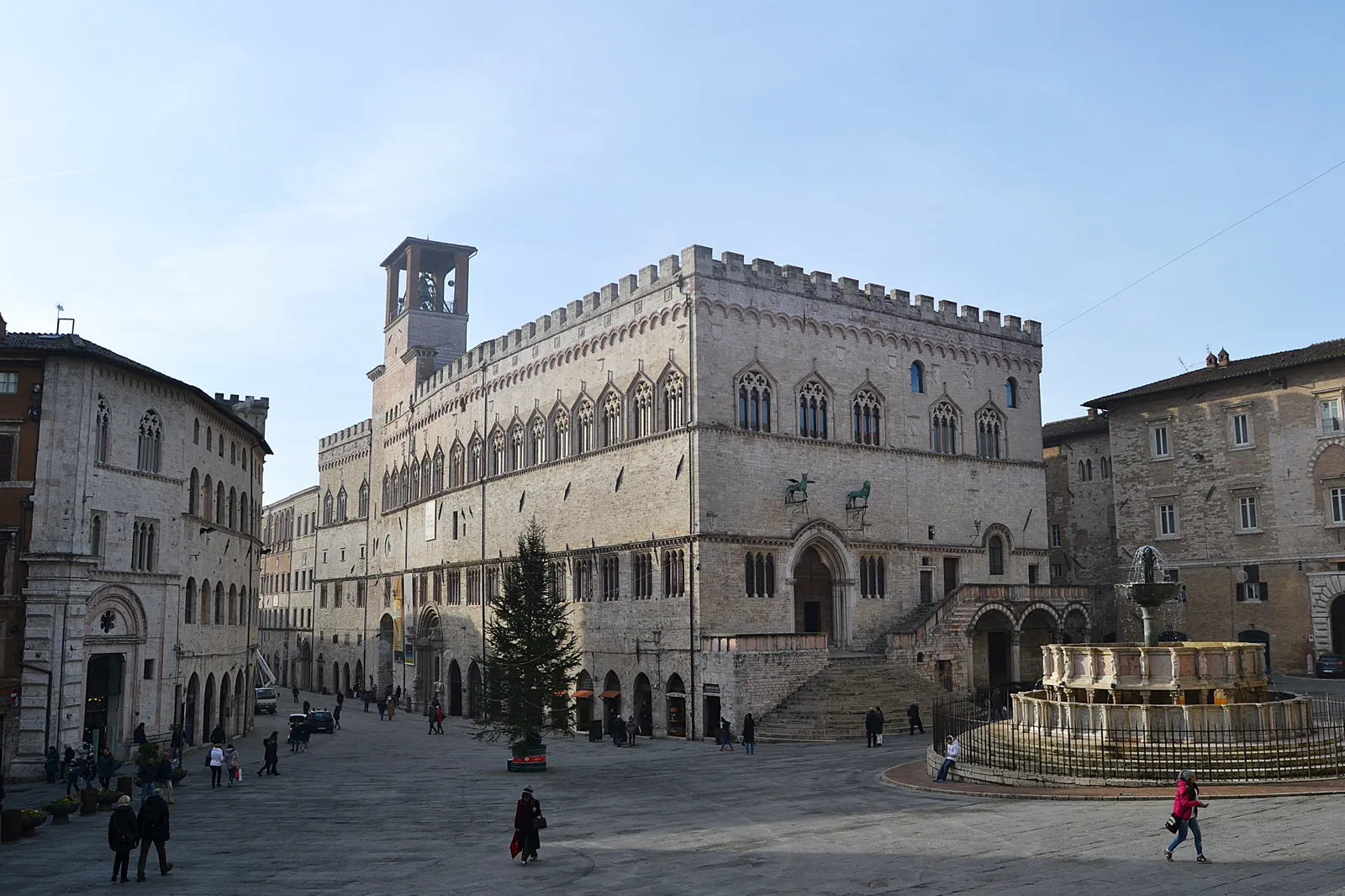
Perugia Ridge City
Choose whether Perugia’s National Gallery, its Etruscan and medieval layers, or the ridge streets are the main reason for…
Open this route folio →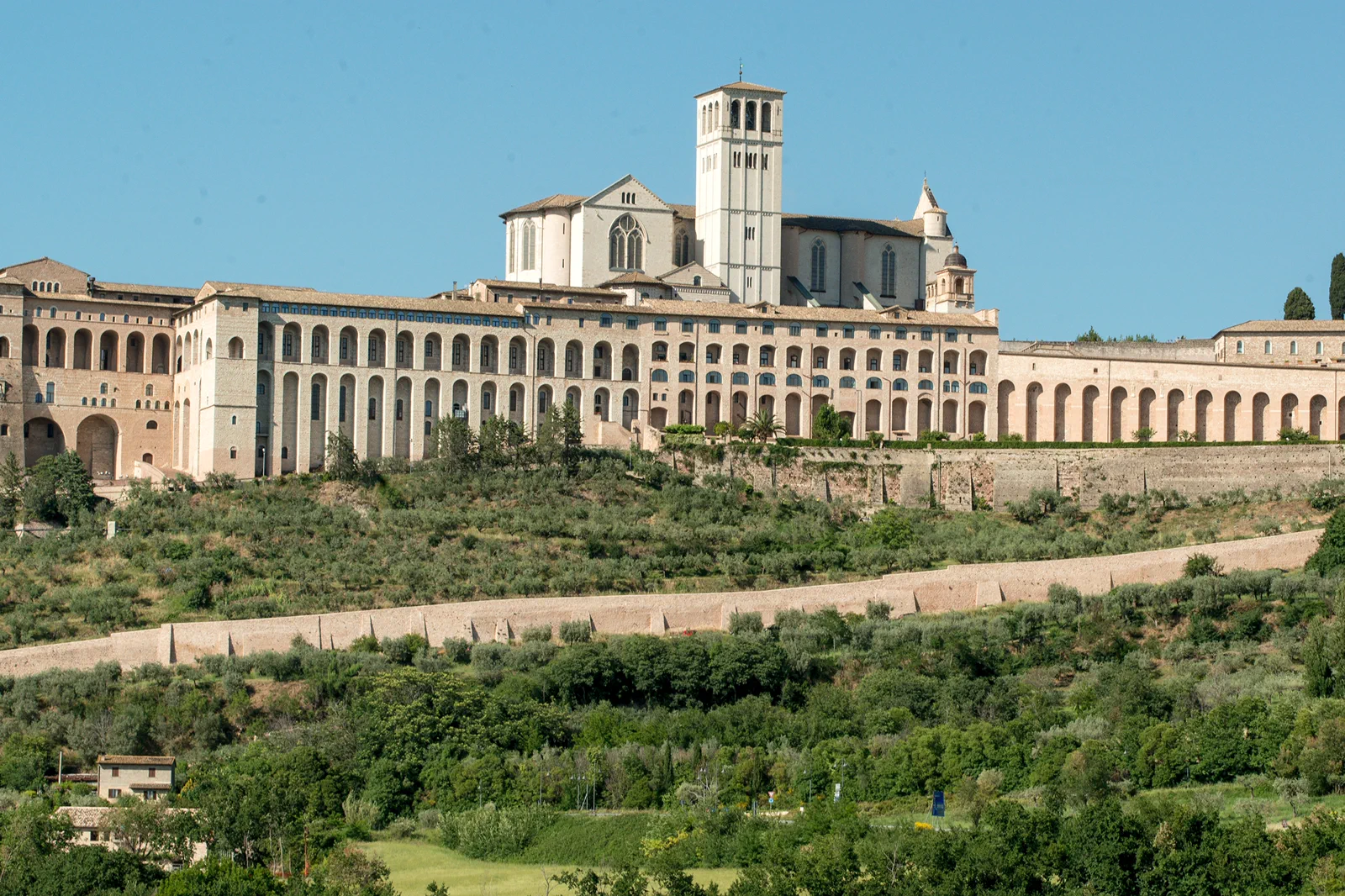
Assisi Franciscan City
Decide whether the Franciscan basilica sequence, Assisi’s upper medieval town, or the edge of Mount Subasio is the visit’s…
Open this route folio →Orvieto Cliff City FAQ
How much time should I give Orvieto Cliff City?
Allow five to seven hours from Orvieto Scalo for the cathedral and one additional layer. A compact cathedral-and-streets visit can fit four hours only with generous rail and funicular margins.
What should I combine with Orvieto Cliff City?
Combine the Duomo with one official underground appointment or the fortress edge, since each makes a different claim about the same tufa plateau. Do not add Civita di Bagnoregio without a separate last-mile plan.
What should I verify before leaving?
Check the Duomo and chapel access, the exact underground meeting point and slot, current funicular operation and the return train before ascending from Orvieto Scalo.
Official sources and photo credits
Planning facts and image licensing were reviewed on 26 September 2026. Admission, rail, roads, ZTLs, paths, ferries, weather and local access can change; reopen the linked authority or operator before travel.
- Umbria Tourism — official Orvieto and regional planning information.
- Opera del Duomo di Orvieto — official cathedral information.
- Busitalia Umbria — official regional bus information.
- Trenitalia — official rail planning and service information.
- Perugia - Palazzo dei Priori - 2025-09-07 21-53-14 001.JPG — Maddy16869, CC BY-SA 4.0. Resized, display-cropped and converted to WebP; no other material edits.
- Papal Basilica of Saint Francis of Assisi.jpg — Peter K Burian, CC BY-SA 4.0. Resized, display-cropped and converted to WebP; no other material edits.
- Orvieto panorama.jpg — Hans Peter Schaefer, http://www.reserv-a-rt.de, CC BY-SA 3.0. Resized, display-cropped and converted to WebP; no other material edits.