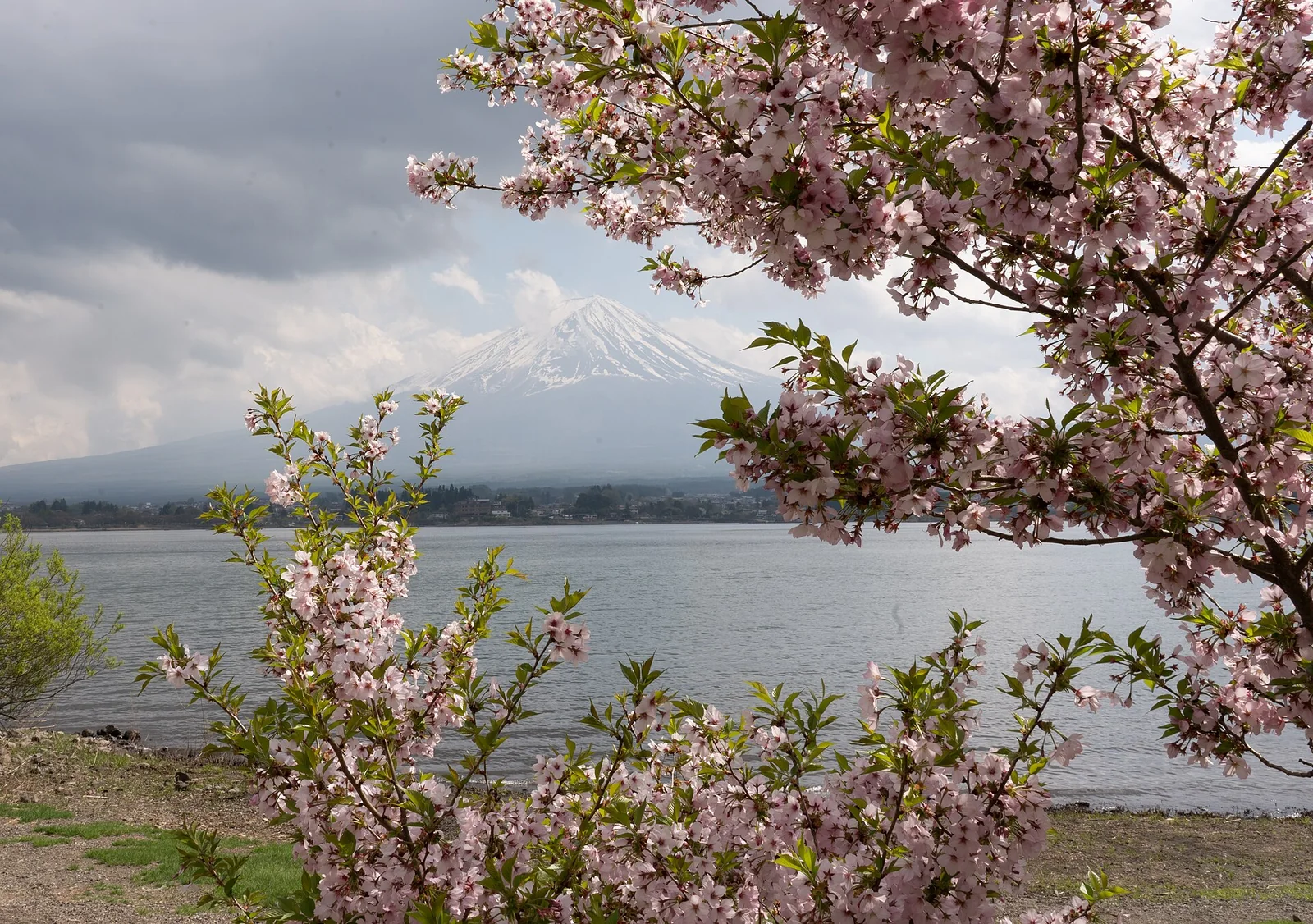
Japan
A first-trip framework for choosing regions, using the transport network confidently and leaving enough time to enjoy the places you cross the world to see.
Japan quick facts
Four regions, four very different trips
Do not treat Japan as one checklist. Choose a pace and landscape first, then add cities that support it.
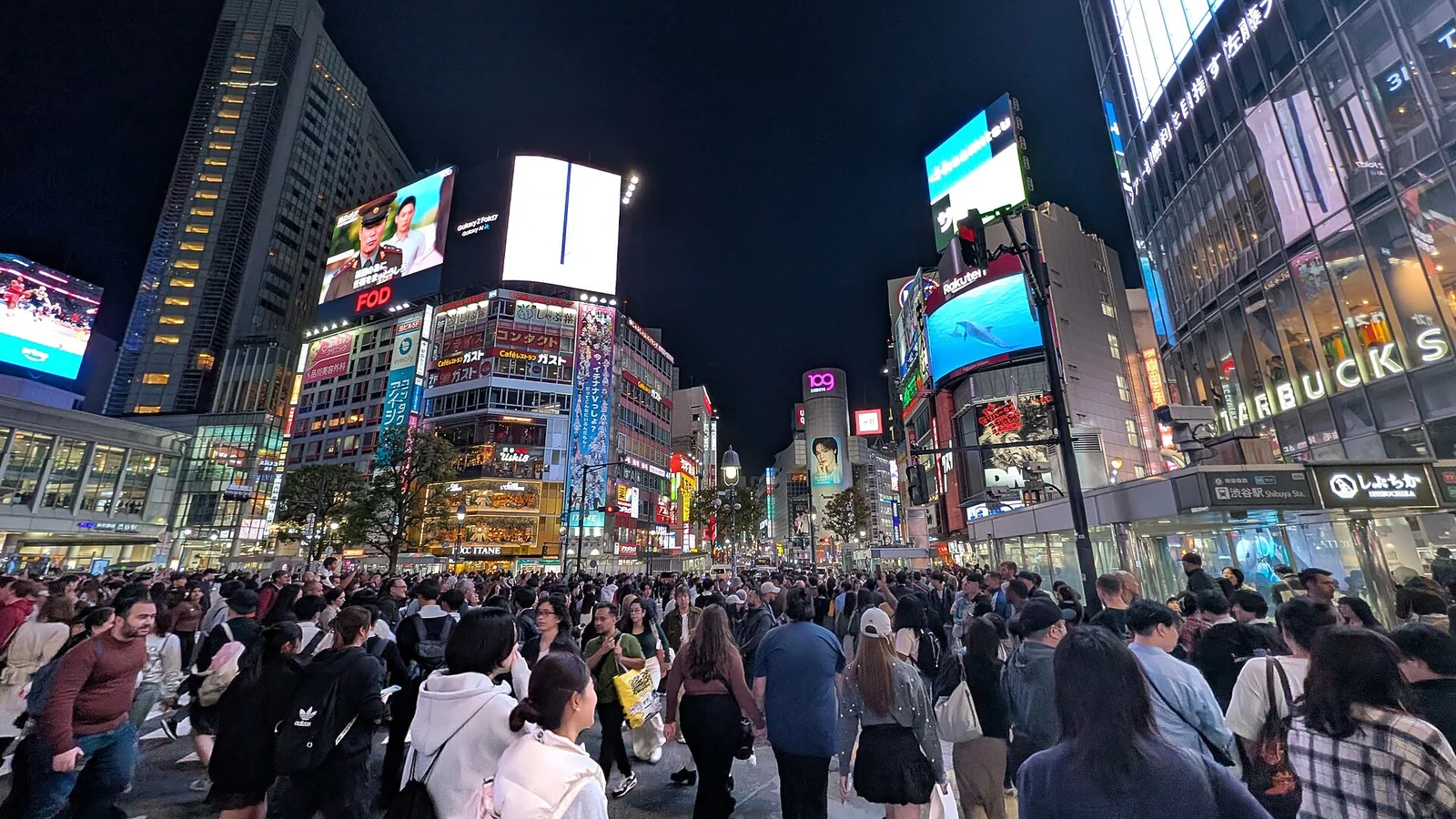
Tokyo
Eight area guides, hotel-base choices, airport logic and a realistic five-day route.
Open Tokyo guide →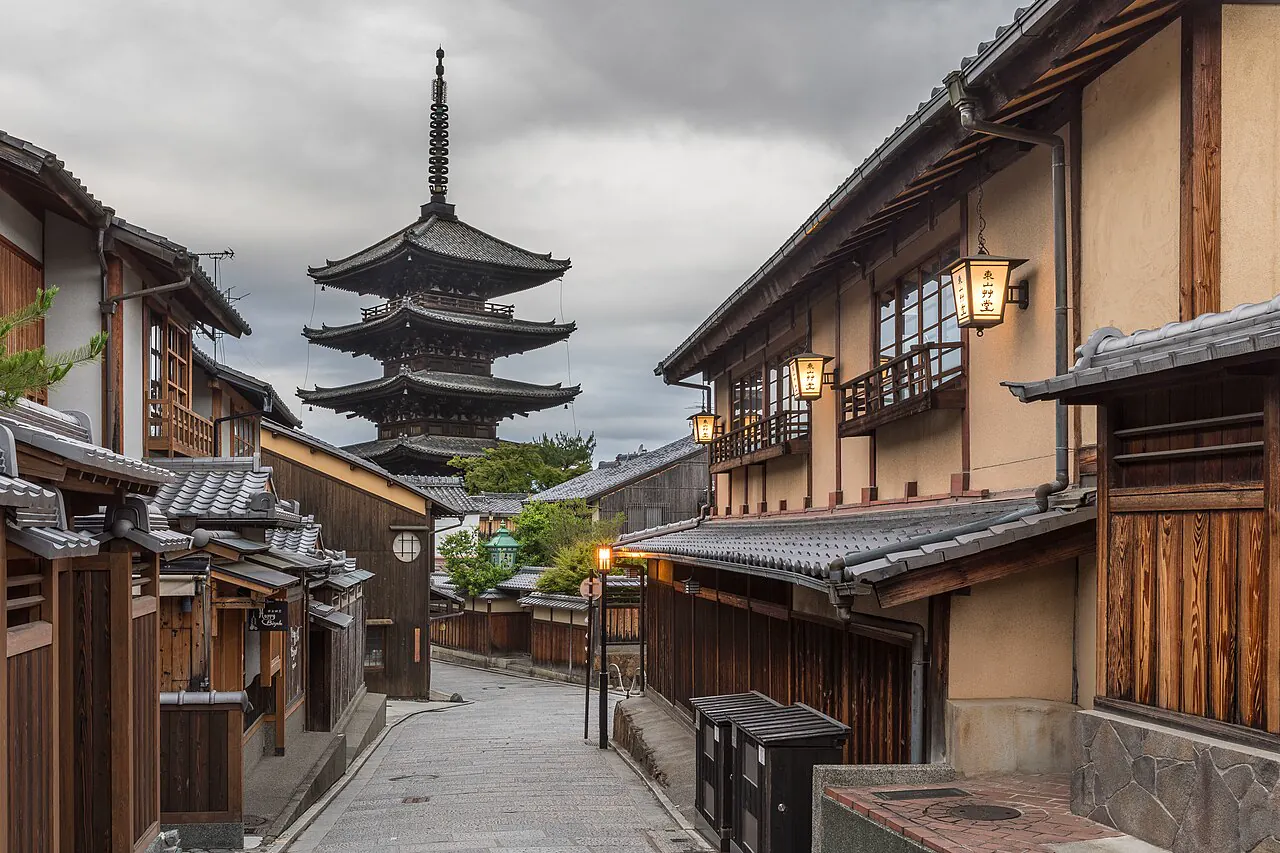
Kyoto
Eight area guides, rail-first transport, crowd strategy and a realistic four-day route.
Open Kyoto guide →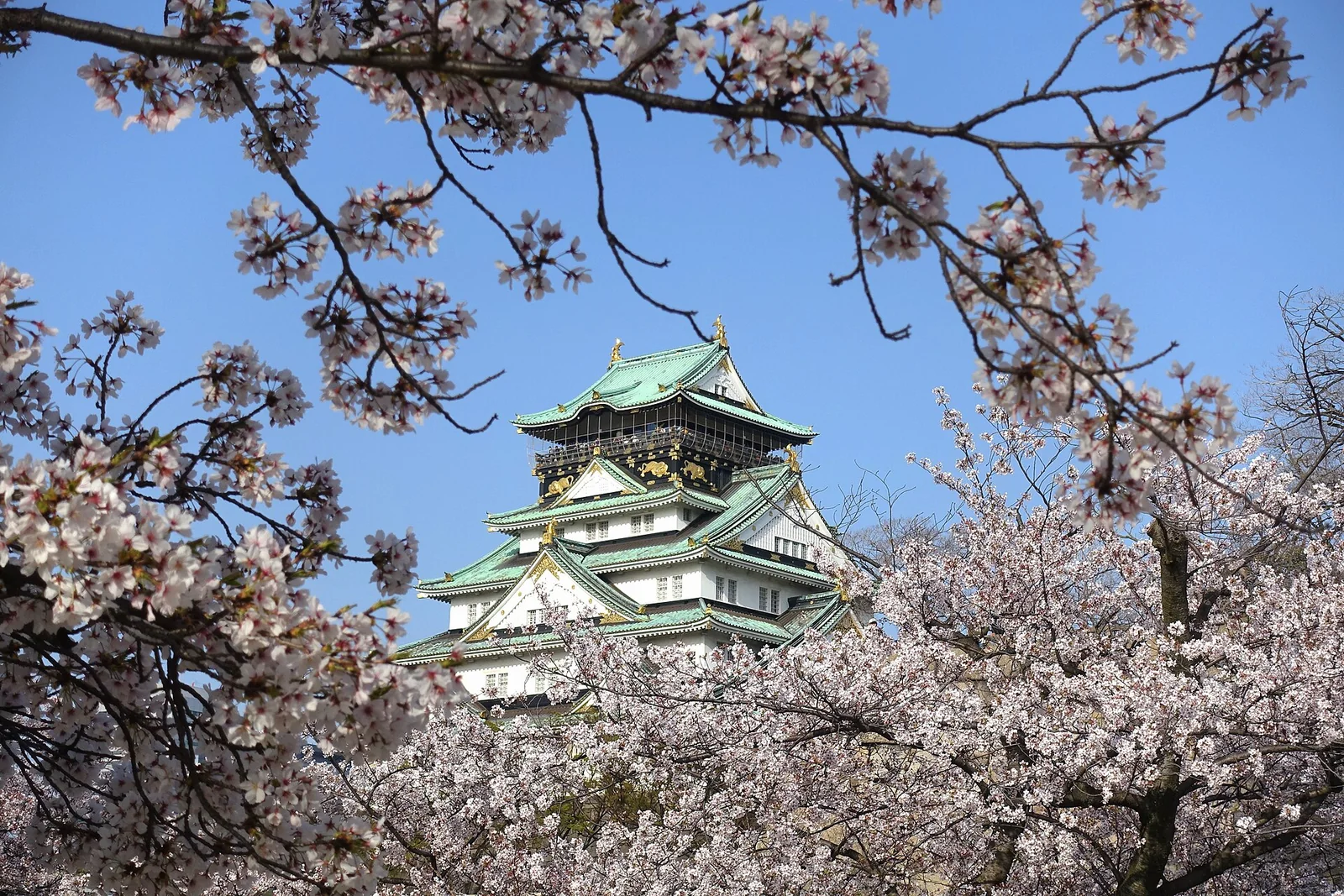
Osaka
A relaxed, food-centered city with excellent Kansai access and real reasons to stay after dark.
Open Osaka guide →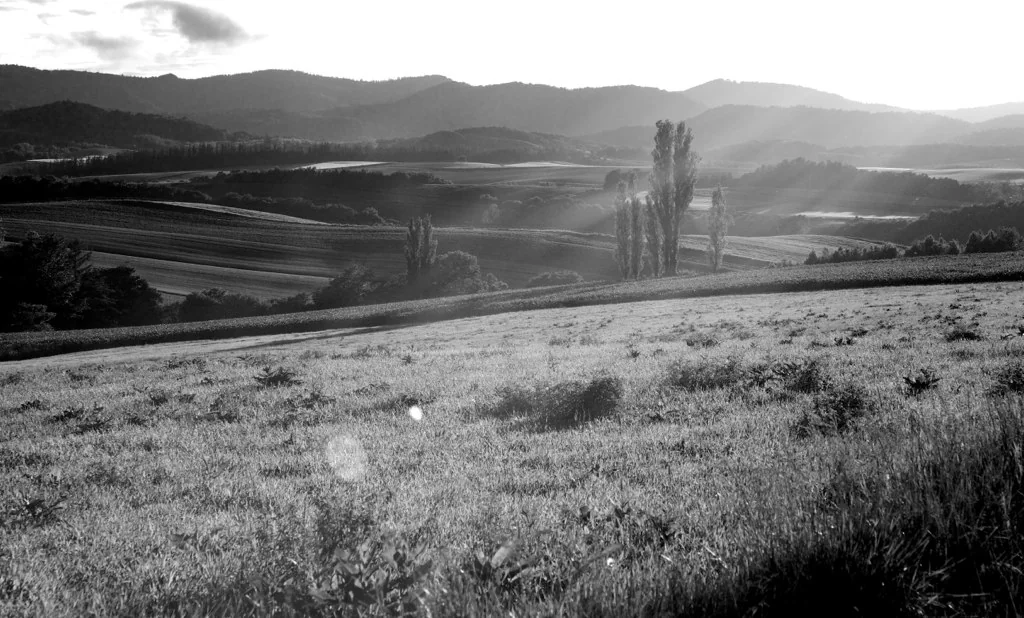
Hokkaido
Big landscapes, winter transport, summer road trips and region-first planning.
Open Hokkaido guide →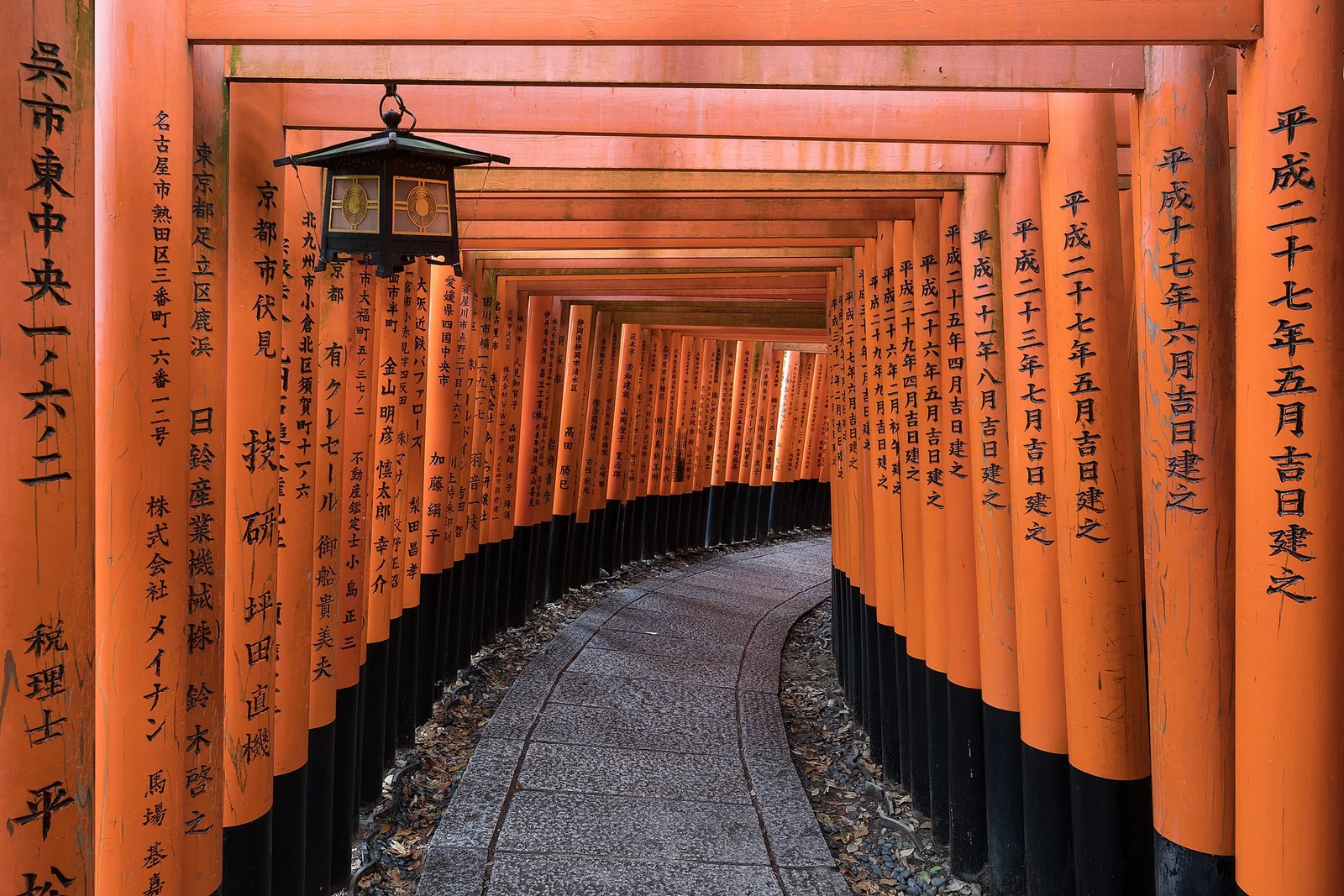
Fewer hotel changes, better days
The rail network makes distance feel cheap on a map, but check-outs, station transfers and luggage steal the most useful hours of a trip.
- Stay at least three nights in a major base unless the stop has one clear purpose.
- Count door-to-door time, not just the fastest train segment.
- Place one flexible half-day after every two ambitious sightseeing days.
- Forward large luggage or use station lockers when a transfer day is unavoidable.
| Trip length | Good first route | What to avoid | Best for |
|---|---|---|---|
| 7 days | Tokyo only, or Osaka + Kyoto | Cross-country sprints | One-region depth |
| 10 days | Tokyo + Kyoto + Osaka | Adding Hiroshima as a rushed overnight | Classic first trip |
| 14 days | Tokyo + Kansai + one focused extension | Changing hotels every night | Balanced variety |
Use the network without buying every pass
Japan's transport is excellent. The confusing part is the number of operators and products, not the act of riding a train.
IC cards for ordinary movement
Use a compatible IC card for most urban trains, buses and small purchases. Limited express and shinkansen trips can require separate tickets.
Passes are a calculation
Compare the pass price with the exact intercity legs in your route. A famous pass is not automatically a saving.
Stations are neighborhoods
Major station complexes can be large. Save the exit number, operator and nearby landmark—not only the station name.
Rail products and prices change
Use this page for the decision model, then confirm current fares and eligibility on the relevant railway operator's official site before purchase.
Choose weather trade-offs, not just postcard dates
Japan stretches across several climates. The best month depends on the region, activity and your tolerance for crowds.
Spring · Mar–May
Mild in many cities and famous for blossoms. Peak bloom is brief, variable and often accompanied by higher demand.
Summer · Jun–Aug
Rainy periods, heat and humidity shape many urban trips. Festivals and mountain or northern routes can still make summer worthwhile.
Autumn · Sep–Nov
Comfortable conditions and foliage in many regions, with timing that shifts by altitude and latitude.
Winter · Dec–Feb
Strong for snow destinations, hot springs and clearer low-season city days outside holiday peaks.
Public holidays matter
Golden Week, New Year and other holiday periods can affect transport and accommodation. Check the current calendar.
Typhoon awareness
Late summer and autumn trips should keep some schedule flexibility and monitor official weather and operator notices.
Observe first, then follow the room
You do not need perfect cultural fluency. A few habits remove most friction.
Keep public transport quiet
Use headphones, silence calls and let passengers exit before boarding. Queue markings usually show where to stand.
Handle waste intentionally
Public bins can be limited. Carry a small bag and dispose of trash at your accommodation or an appropriate collection point.
Respect photo boundaries
Do not block streets, photograph people closely without permission or enter restricted private lanes for a famous angle.
Check entry rules against your own passport
Japan's visa-exemption arrangements and permitted stay lengths are nationality-specific. The official Ministry of Foreign Affairs list is the authority; airline and transit requirements may also apply to your route.
Japan planning FAQ
How many days should a first trip to Japan be?
Seven days works for one main region. Ten to fourteen days is more comfortable for two or three bases without turning the trip into a sequence of check-outs.
Do I need a nationwide Japan Rail Pass?
Not automatically. Price your real long-distance trips against individual tickets and regional passes. Urban days do not create nationwide-pass value.
Should I carry cash?
Yes, keep a reasonable backup. Cards and mobile payments are widespread in many cities, but small restaurants, temple fees, older machines and rural businesses may still be cash-oriented.
When is the best time to visit?
Spring and autumn are popular for mild conditions but often busier and more expensive. Winter and summer can be excellent when the region and activities fit the season.
Can Tokyo, Kyoto and Osaka fit in ten days?
Yes. A practical split is roughly four nights Tokyo, three nights Kyoto and two or three nights Osaka, adjusted for arrival time and personal priorities.
Official sources and photo credits
Planning facts were reviewed on 26 August 2026. Always reopen official sources for visa, fare, weather and service changes.
- JNTO — Travel Japan official guide.
- Ministry of Foreign Affairs — short-stay visa exemptions.
- JR-West — ICOCA official guide.
- Mount Fuji photo — SRP1998, CC BY-SA 4.0.
- Shibuya photo — Joli Rumi, CC BY-SA 4.0.
- Yasaka-dori photo — Basile Morin, CC BY-SA 4.0.
- Osaka Castle photo — Luka Peternel, CC BY-SA 4.0.
- Biei photo — Chi King, CC BY 2.0.