Hokkaido
Hokkaido is a journey measured in corridors, weather windows and gateway choices. Choose one or two regions well, then let the landscape stay larger than the checklist.
Hokkaido quick facts
Treat Hokkaido as several trips
New Chitose Airport publishes multi-hour travel estimates even between Hokkaido airports and major cities. Sapporo is an excellent hub, but it is not a sensible base for every coast, national park and lake.
Do not make every night a new hotel
Long distances do not require constant movement. Use two- or three-night bases, and change regions only when the next base unlocks a genuinely different landscape.
Choose the Hokkaido you actually have time for
Each guide solves a distinct route: a city base, a coast, a mountain gateway, volcanic onsen country or a remote wildlife corridor.
Sapporo
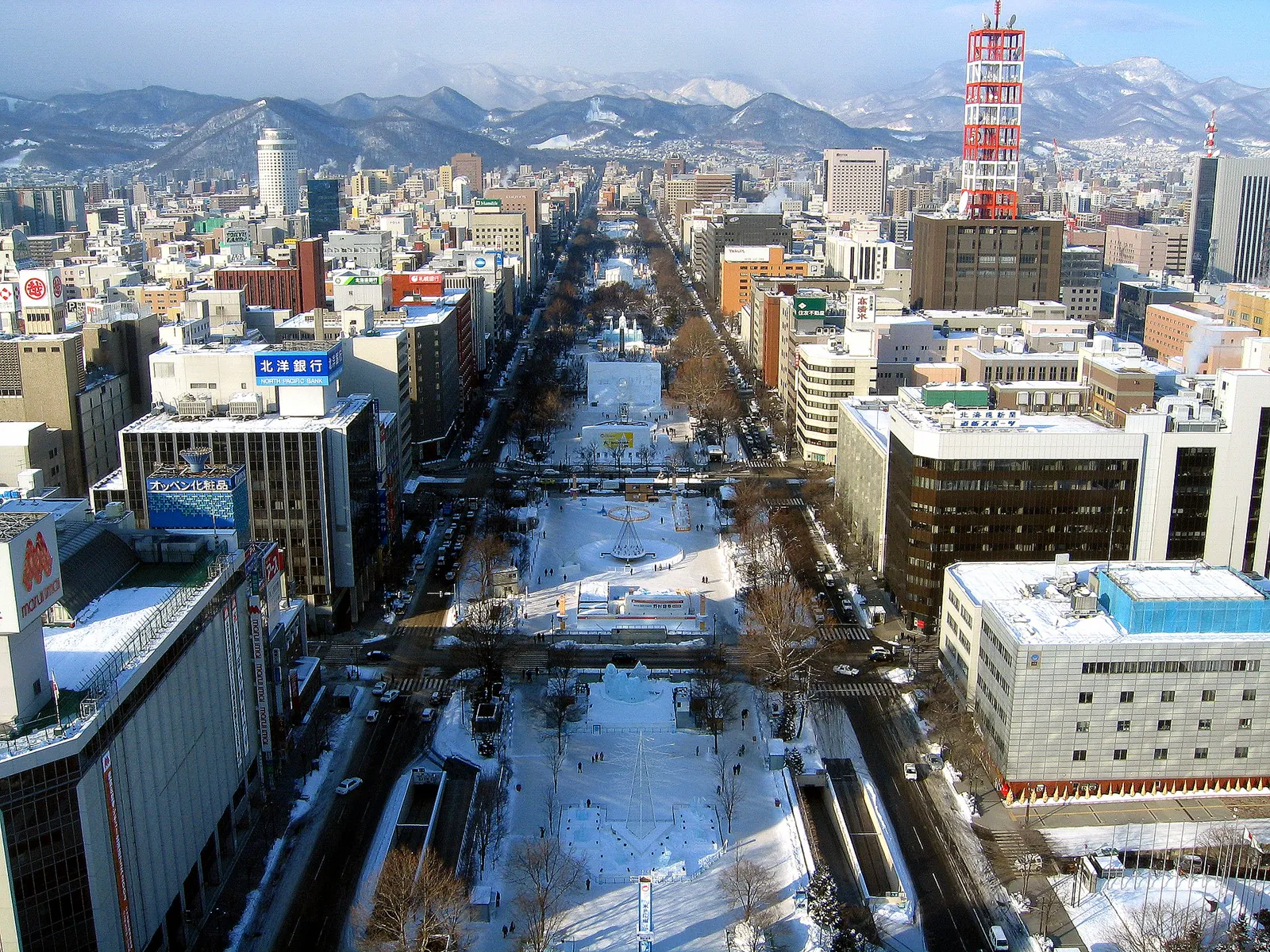
Choose a useful neighborhood, arrive cleanly from CTS and give the city two real days.
Open Sapporo guide →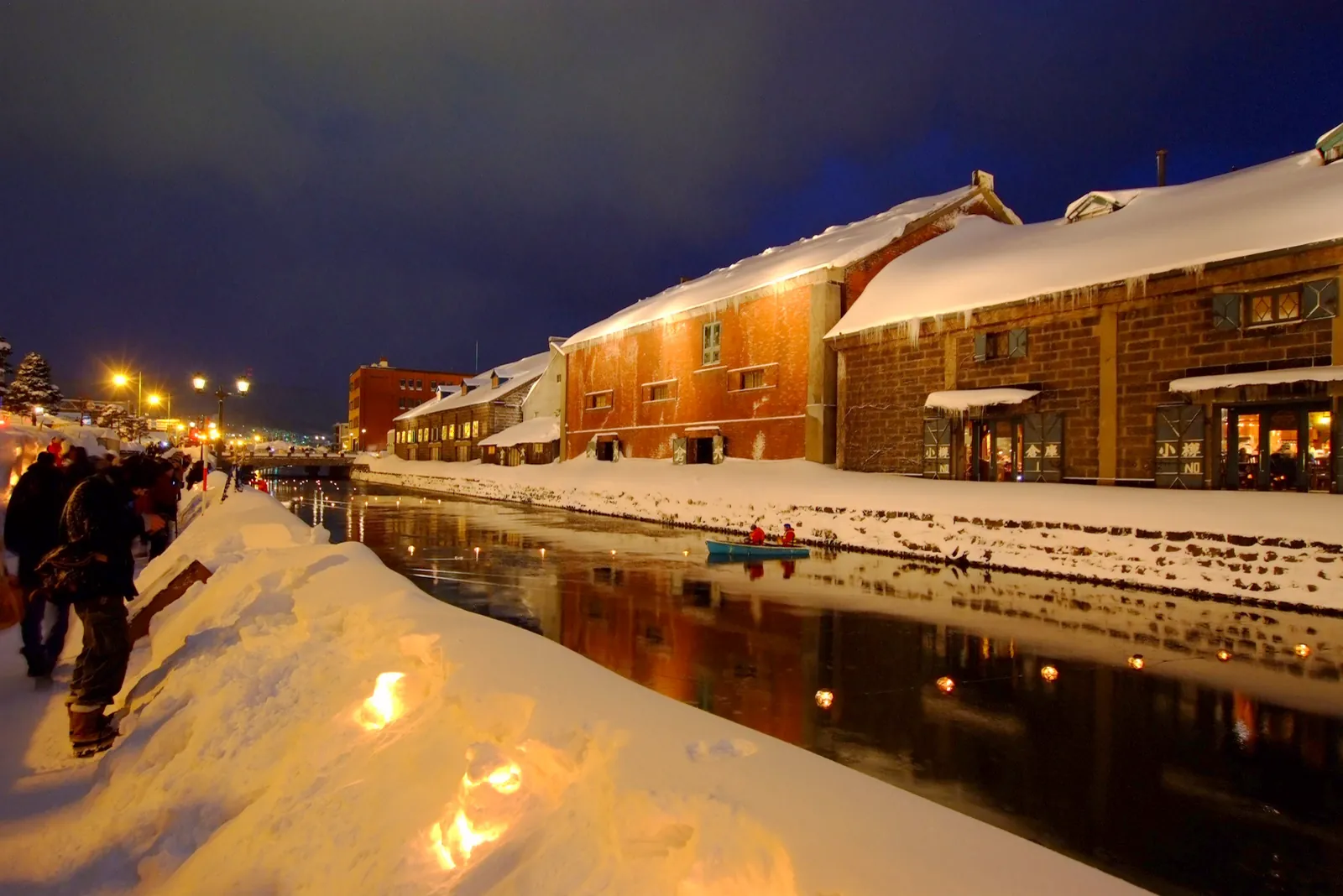
Otaru & Shakotan
Separate the easy rail port from the seasonal peninsula beyond it.
Open west-coast guide →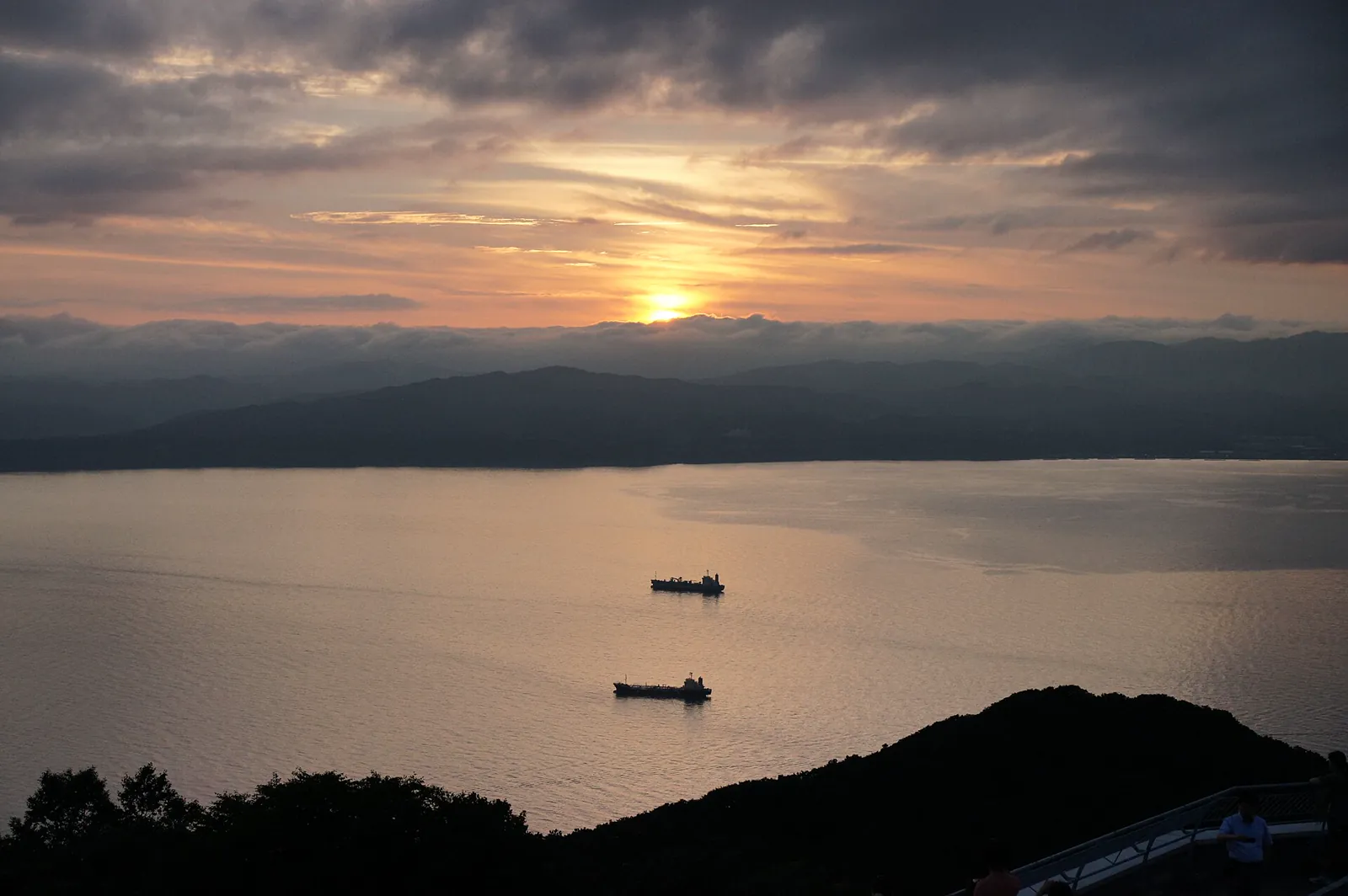
Hakodate & Onuma
Plan the bay, Motomachi, Goryokaku and a weather-dependent night view.
Open southern guide →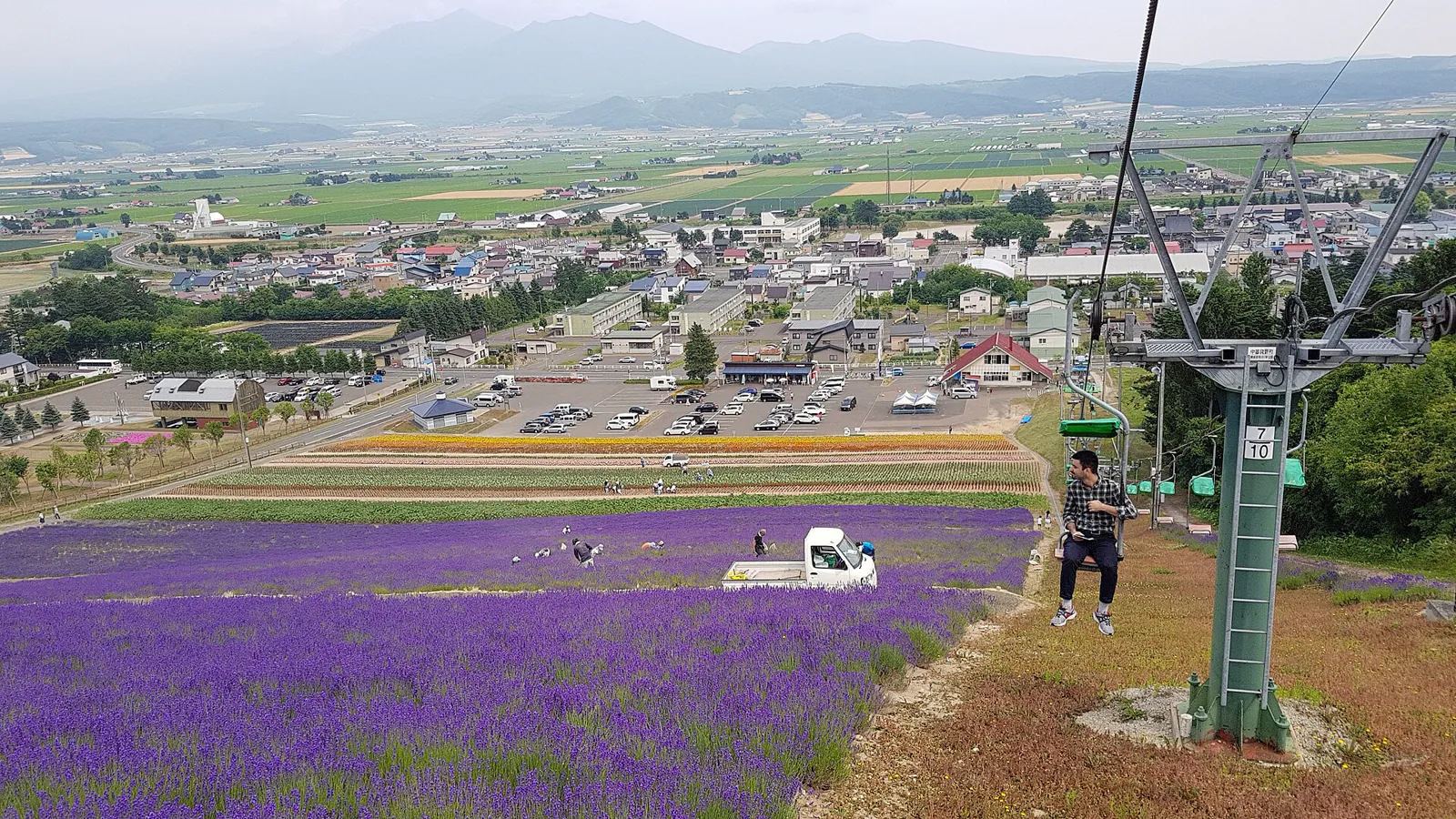
Furano & Biei
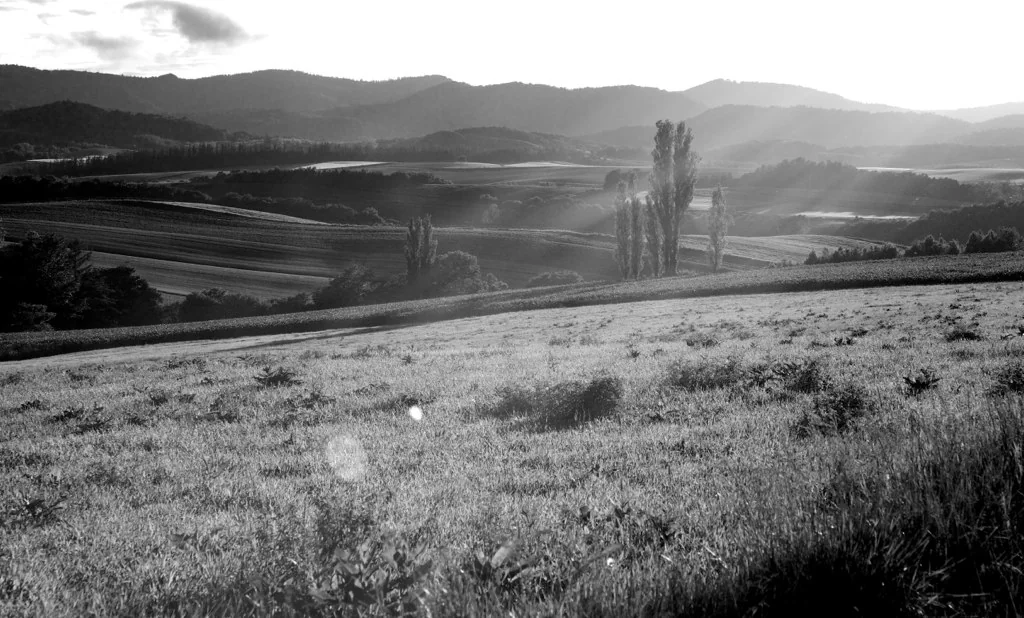
Match blooms, rural transport and your base instead of chasing every photo pin.
Open field-country guide →Asahikawa & Daisetsuzan
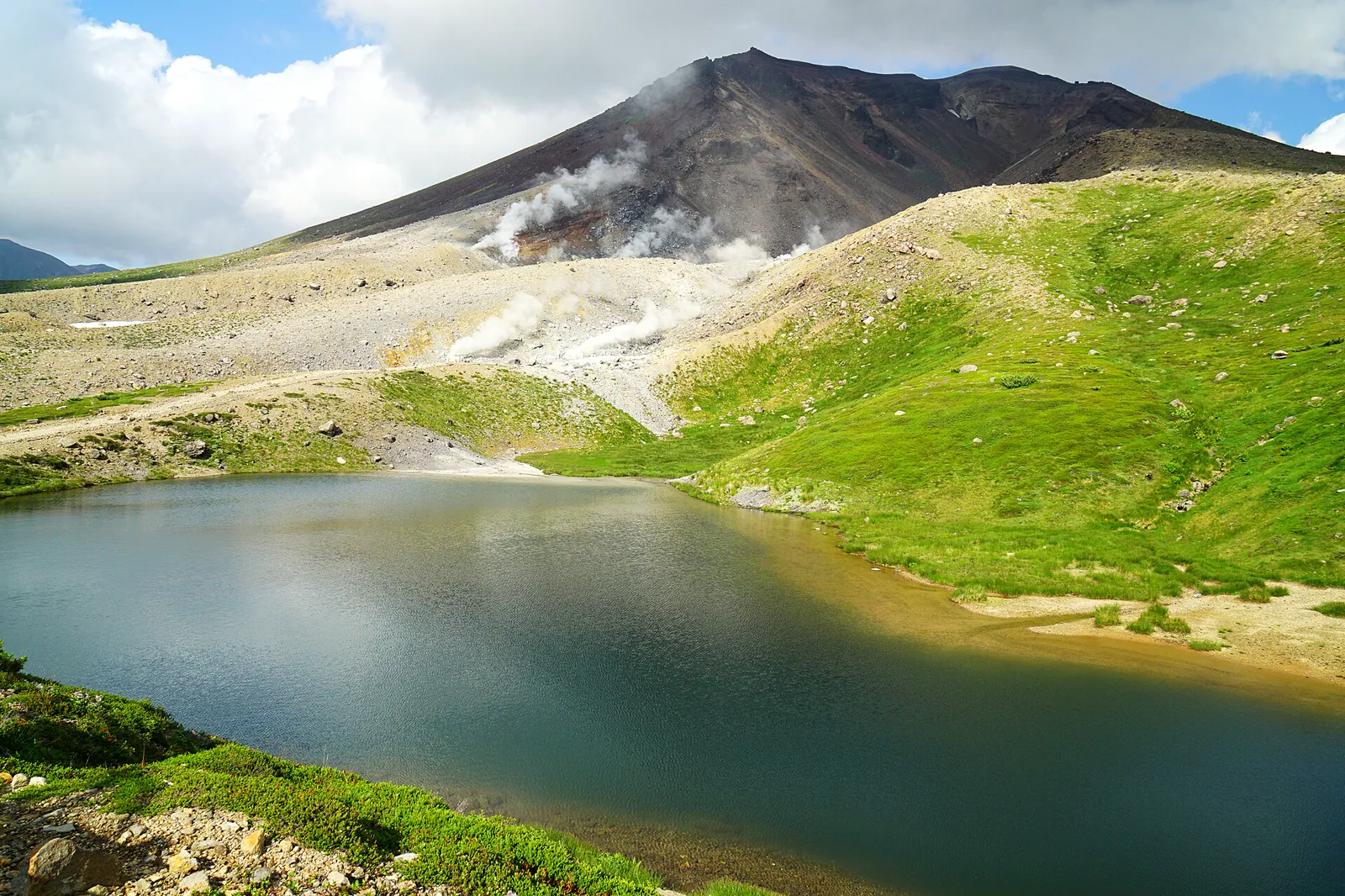
Do not confuse Asahidake and Sounkyo: they are separate mountain approaches.
Open alpine guide →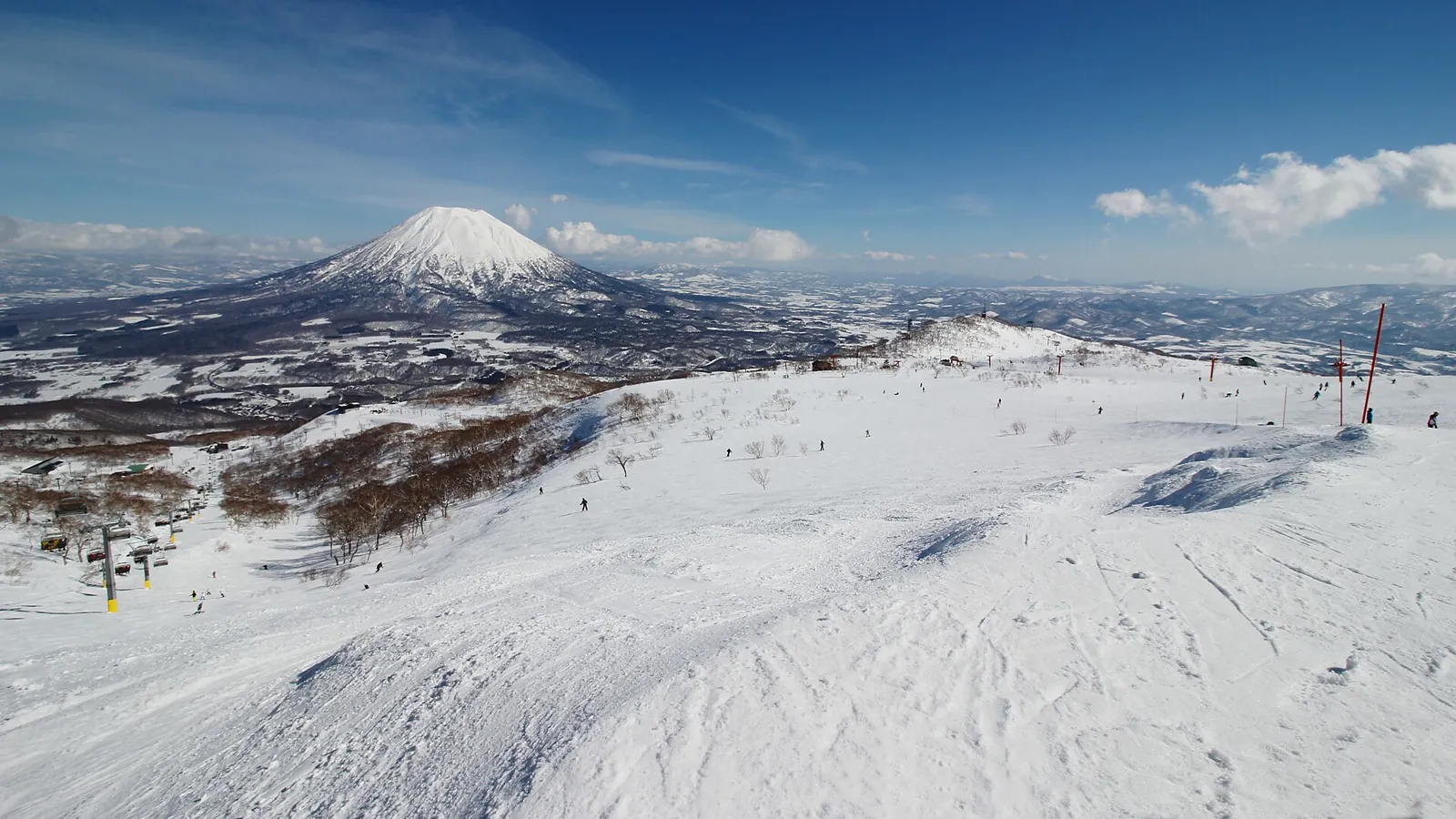
Niseko & Yoichi
Choose the right resort village, then add Yoichi only when transport supports it.
Open resort guide →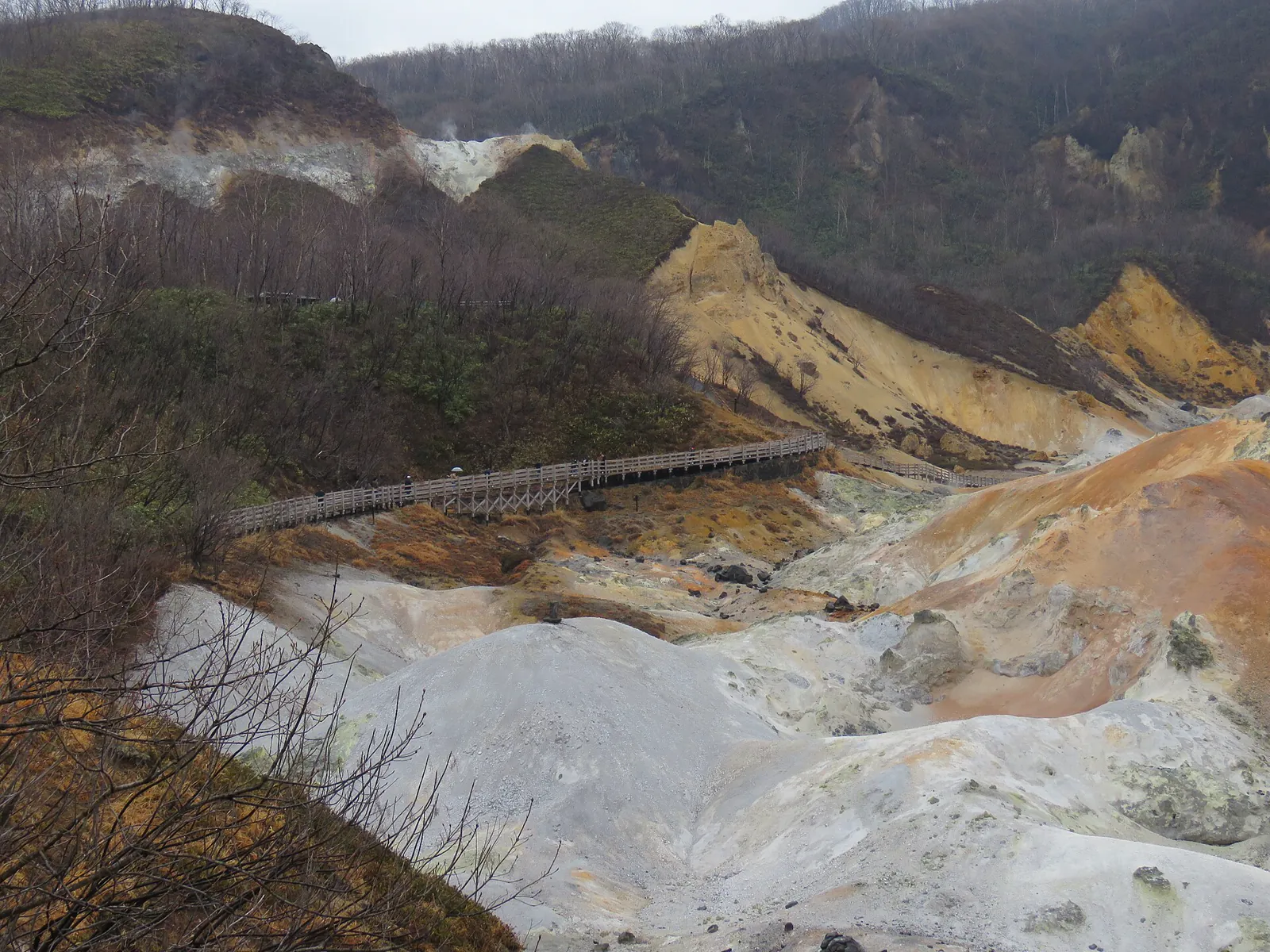
Noboribetsu & Lake Toya
Two separate resort towns, linked by geography but not by a casual stroll.
Open volcanic guide →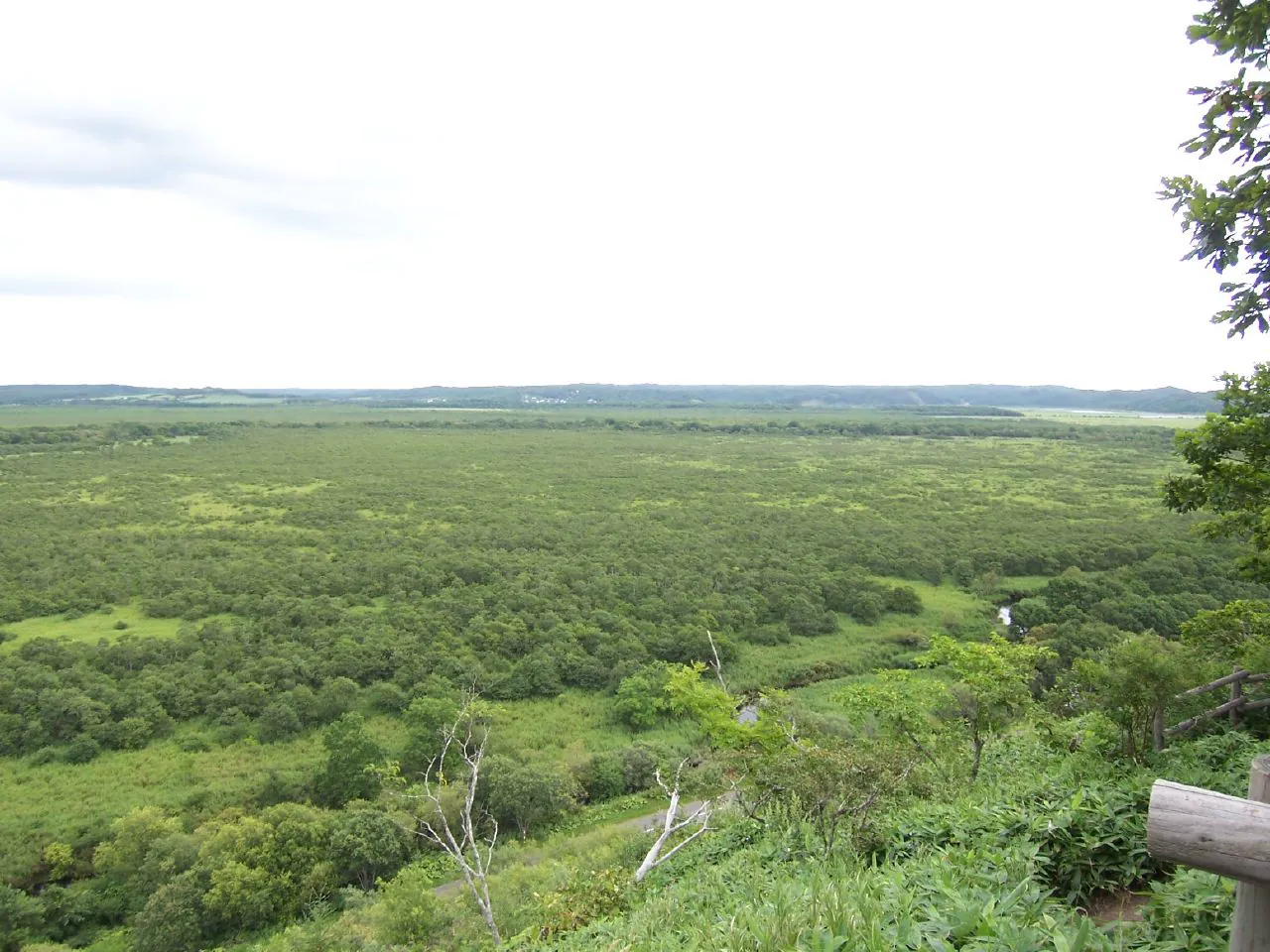
Kushiro & Lake Akan
Use Kushiro for marsh access and Lake Akan for a separate forest-and-onsen stay.
Open eastern wetlands guide →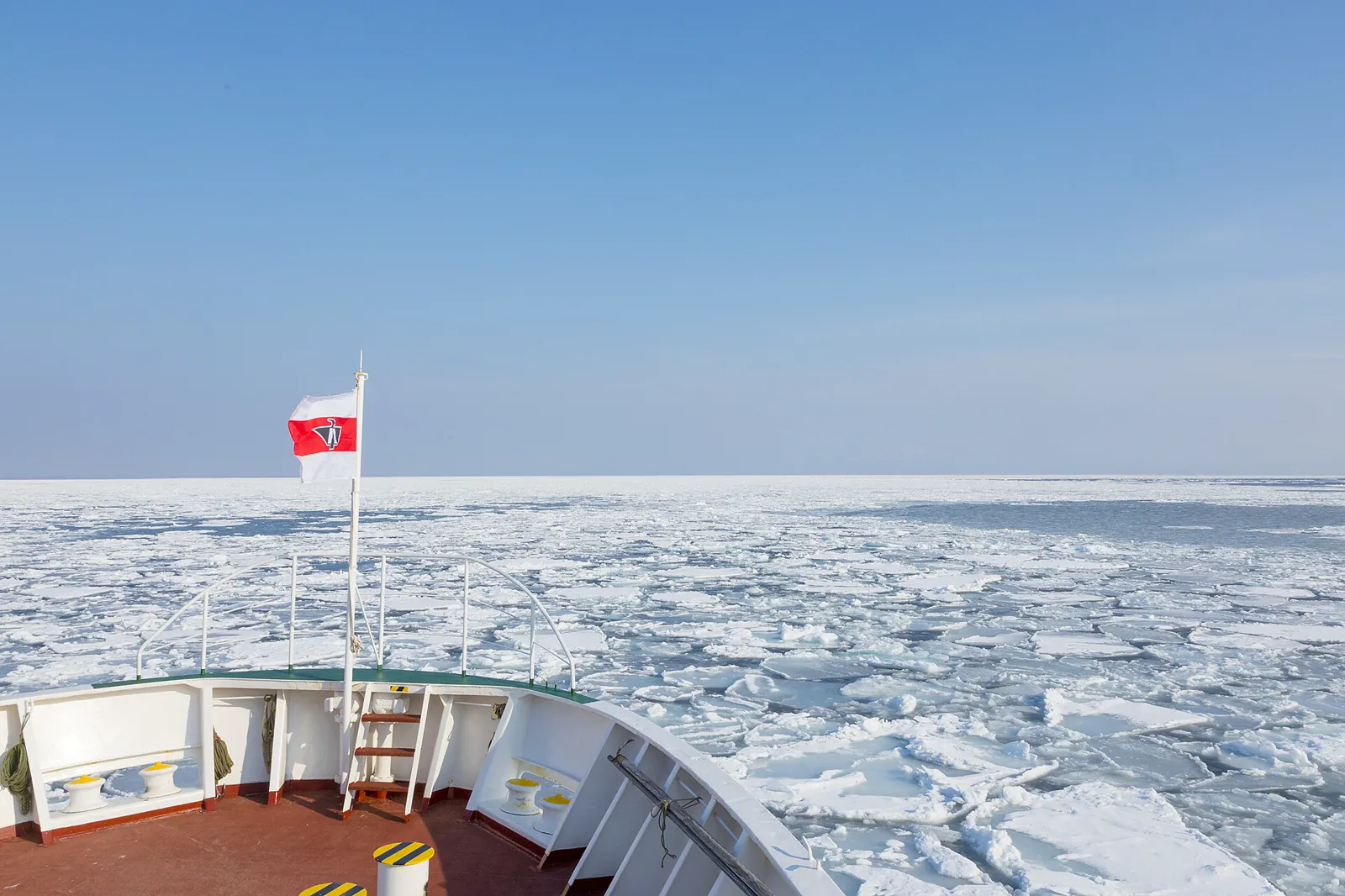
Abashiri & Shiretoko
Build an expedition around Memanbetsu, Utoro and current access rules—not a rushed return from Sapporo.
Open northeast guide →The right airport can save a travel day
New Chitose is the default, not a requirement. Hokkaido Airports operates seven airports; a domestic connection or open-jaw route can remove a full backtrack.
New Chitose
Best for Sapporo, Otaru, Noboribetsu and many Niseko transfers. The railway station is beneath the terminal.
Hakodate
Useful when the port city and Onuma are the focus. Do not confuse the airport with Shin-Hakodate-Hokuto Station.
Kushiro
A strong entry for the marsh, cranes and Lake Akan, especially when paired with a different exit airport.
Memanbetsu
The practical air gateway for Abashiri and many Shiretoko routes. Confirm the final seasonal bus or car leg.
Choose transport by corridor, not identity
You do not need to be a “rail traveler” or a “road-trip traveler.” Use the mode that fits each section, and budget the final connection before booking a remote hotel.
Rail-first route
- Strong for Sapporo, Otaru, Asahikawa, Noboribetsu and Hakodate.
- Reserve all-seat limited express services when required.
- Check the exact pass against your actual journeys and operators.
- Keep an IC card, but never assume it covers a rural section.
Car-first route
- Useful for Furano–Biei, lake country and eastern viewpoints.
- Plan fuel, daylight, rest and wildlife crossings.
- Expect seasonal road closures and slow mountain conditions.
- In winter, choose public transport unless you have real snow-and-ice driving experience.
Build for the season you booked
Hokkaido is not one year-round product. Flowers, hiking, autumn color, drift ice and ski transport operate on different calendars, and shoulder periods can be quiet precisely because services pause.
Protect the buffer
Allow for snow disruption, short daylight and icy walking. Reserve critical trains or coaches and keep the final night near the departure gateway.
Flowers are date-specific
Lavender is not a permanent backdrop. Check current bloom information and expect congestion on rural roads during peak field season.
Valley weather is not summit weather
Daisetsuzan conditions can change quickly. Check the ropeway, trail and forecast on the day and carry appropriate layers and footwear.
Choose one loop before adding another
These are frameworks, not timetables. Insert a slower day after any major transfer, and verify seasonal transport before locking accommodation.
Sapporo + Otaru + one nearby onsen
Use Sapporo as the only city base, make Otaru a rail day trip and spend one or two nights in Noboribetsu, Lake Toya or Jozankei according to your onward route.
Central-west or southern rail arc
Choose Sapporo–Otaru–Furano/Biei–Asahikawa, or Sapporo–Noboribetsu–Lake Toya–Hakodate. Do not force both arcs into one week.
Add one eastern region with an open-jaw flight
Pair a central route with Kushiro–Lake Akan or Abashiri–Shiretoko, then leave from Kushiro or Memanbetsu when flight schedules support it.
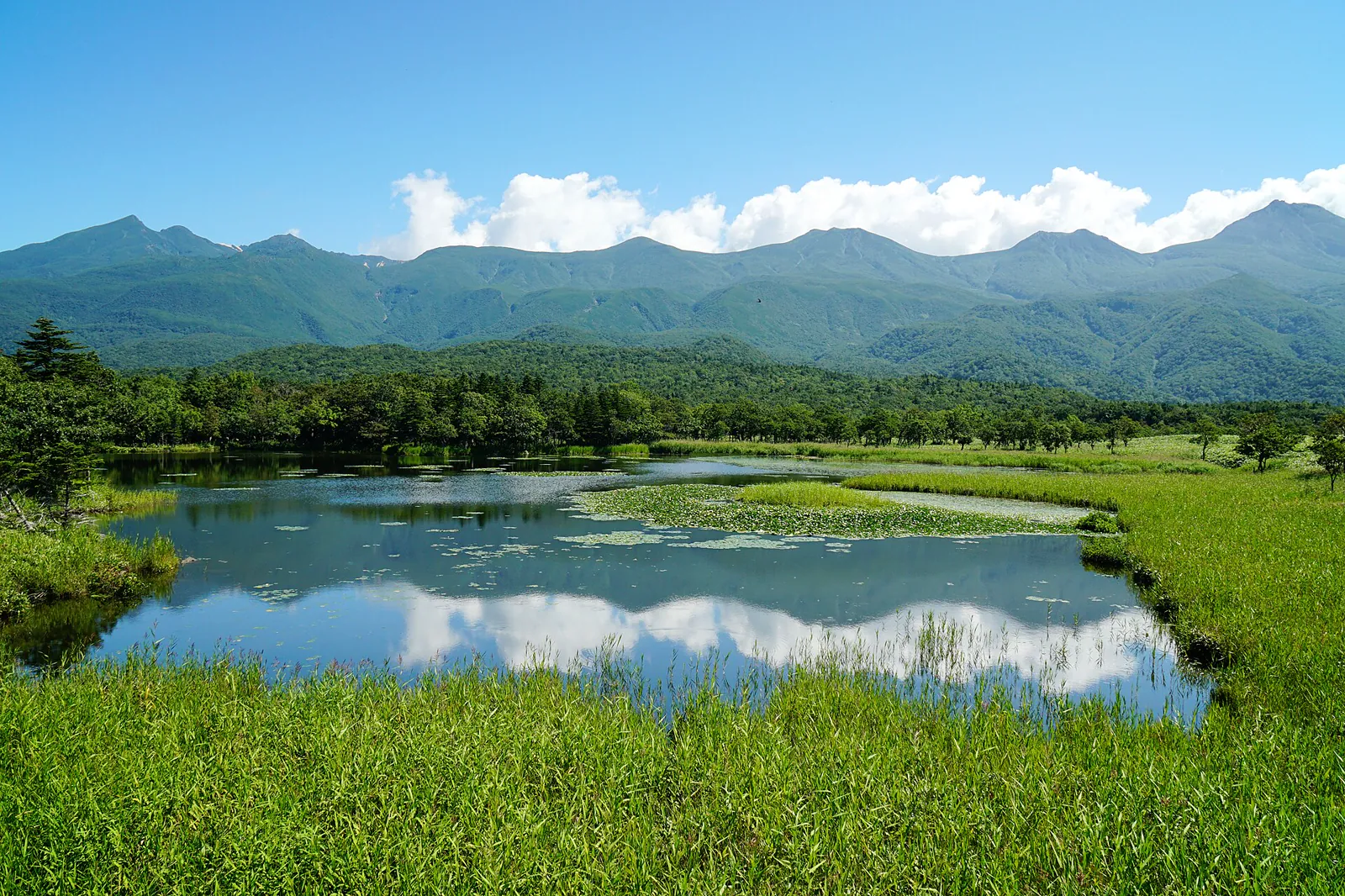
Leave wildlife wild
National-park access changes with snow, volcanic conditions and brown bear activity. Use official paths, never feed wildlife, keep distance and treat closures as part of the landscape—not an obstacle to outsmart.
- Check park, road and ropeway status on the day.
- Carry back every item you bring in.
- Never stop traffic for a wildlife photograph.
- Use trained local guides where access rules require or reward it.
Hokkaido planning FAQ
How many days do I need for Hokkaido?
Five nights support a compact Sapporo-centered trip. Seven to nine nights fit one regional loop; ten to fourteen nights can add one eastern or southern corridor with breathing room.
Can I see Hokkaido without renting a car?
Yes. Sapporo, Otaru, Asahikawa, Noboribetsu and Hakodate can form a strong rail itinerary. Rural flower fields, lakes and national parks need more schedule discipline, tours or taxis.
Should I buy a Hokkaido Rail Pass?
Price the exact route first. JR Hokkaido offers several passes with different areas and durations, but a pass does not create extra service or cover every bus, subway and private operator.
Is winter self-driving a good idea?
Only for drivers with meaningful snow and ice experience who understand reduced visibility, braking distance and closures. Otherwise use trains, airport coaches, resort transfers and guided day trips.
Can I use Sapporo as a base for eastern Hokkaido?
Not efficiently for a normal day trip. Kushiro, Lake Akan, Abashiri and Shiretoko deserve local nights and often a regional airport strategy.
Official sources and photo credits
Planning facts were reviewed on 26 August 2026. Recheck timetables, road status, park rules, weather and seasonal operations before travel.
- Hokkaido Official Tourism Site — transport.
- JR Hokkaido — official English site.
- New Chitose Airport — transportation.
- Ministry of the Environment — Shiretoko Five Lakes.
- Asahidake photo — 663highland, CC BY 2.5.
- Biei landscape photo — Chi King, CC BY 2.0.
- Shiretoko Five Lakes photo — 663highland, CC BY 2.5.