Tokyo
A city of connected centers, not one downtown. Choose a base by evening mood, group days by rail corridor and let each district feel different.
Tokyo quick facts
Sleep near the evening you want
Tokyo is too large for one universally best district. A base saves energy when it matches your late dinners, early departures and most repeated rail corridor.
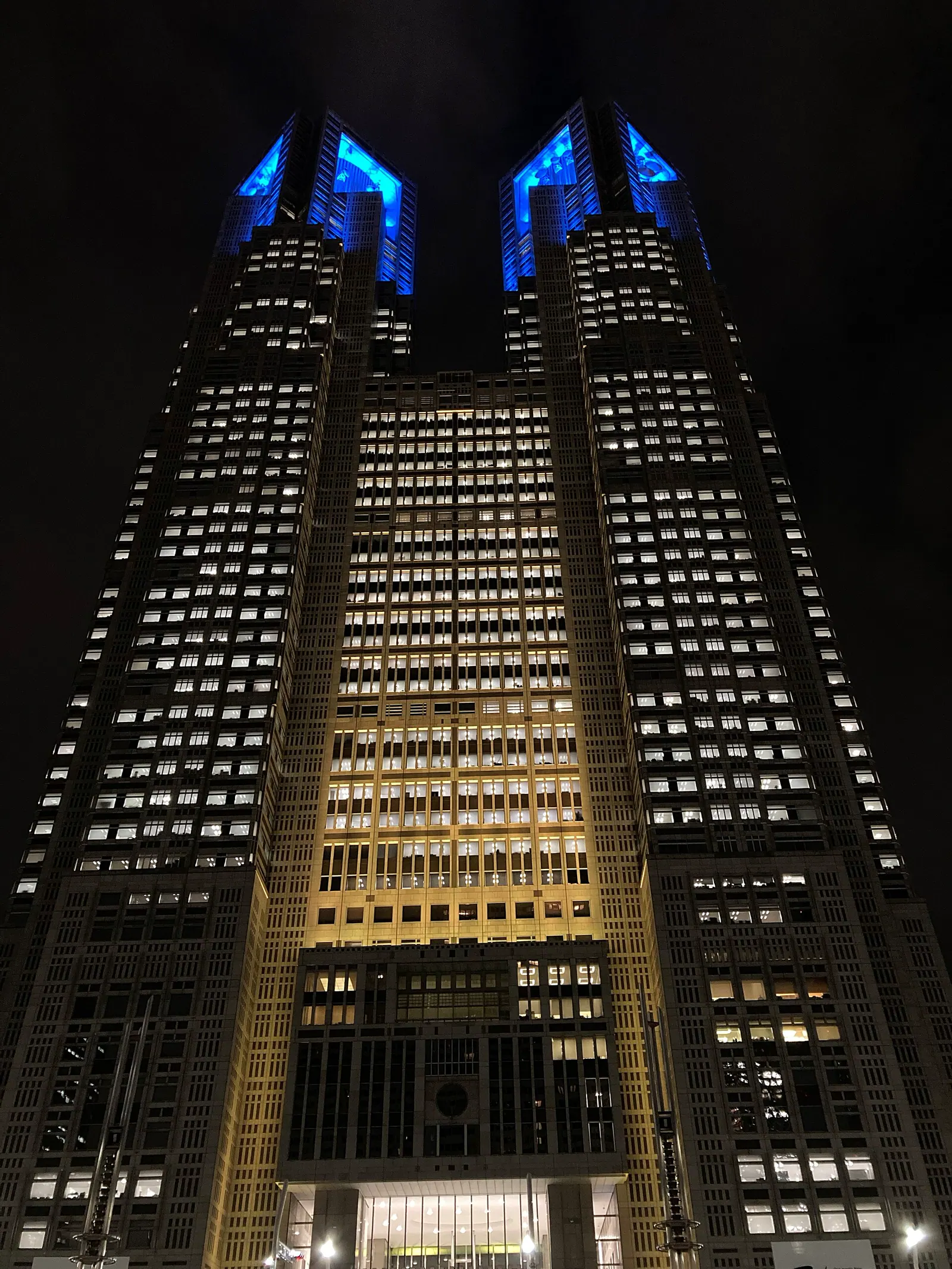
Shinjuku
Broad transport reach, skyscrapers and late dining; the station takes patience.
Shibuya
Fast access to Harajuku and lively nights; expect crowds and higher central prices.
Tokyo Station
Excellent for Shinkansen days and polished evenings; less casual after dark.
Asakusa / Ueno
History, museums and a calmer base; some west-side trips take longer.
Pick districts by purpose, not fame
Each area guide explains station logic, hotel trade-offs and a route that fits the district instead of repeating the same attraction-list template.
Shinjuku
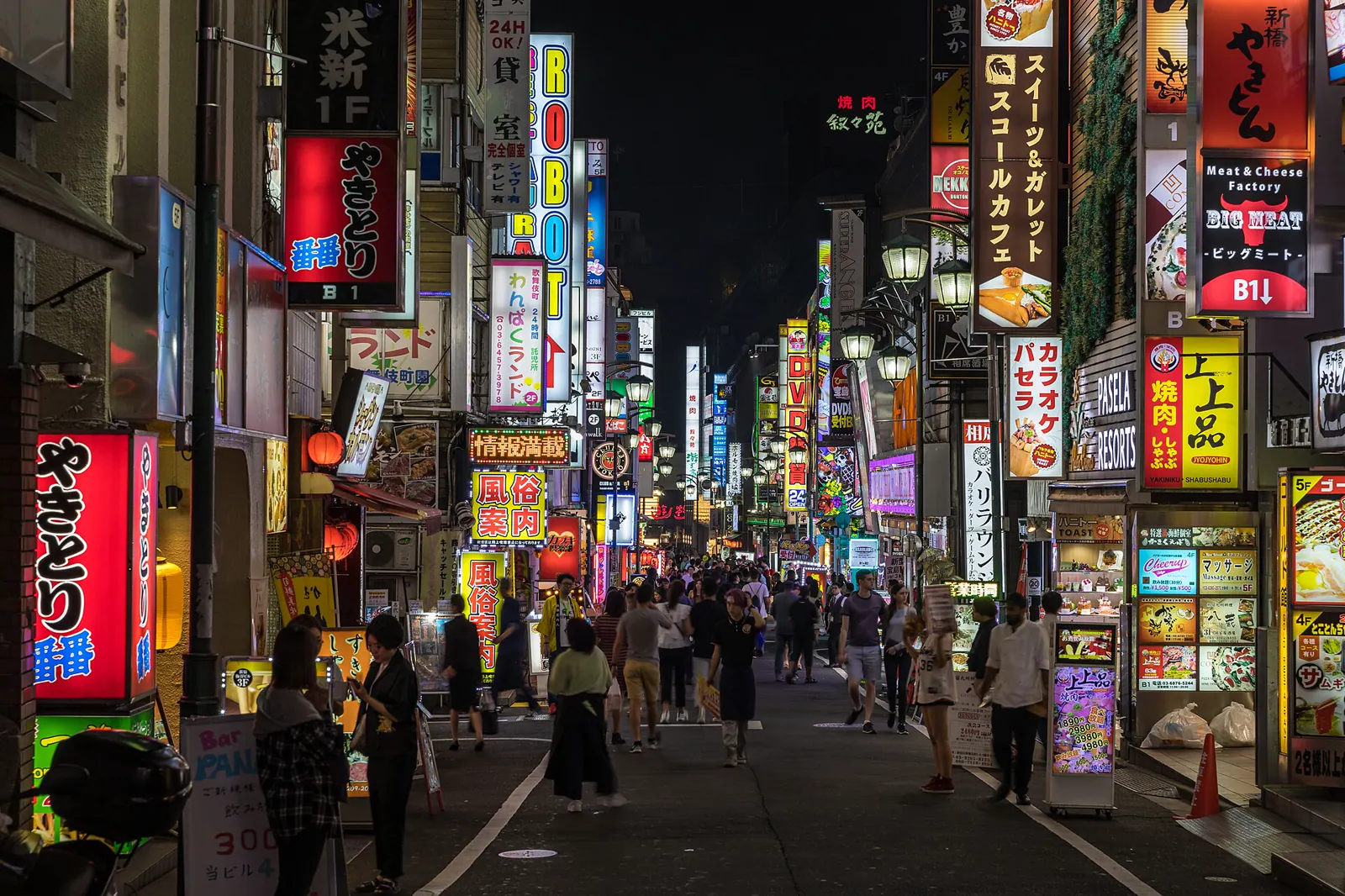
Separate the west towers, east nightlife and south transport zone.
Open Shinjuku guide →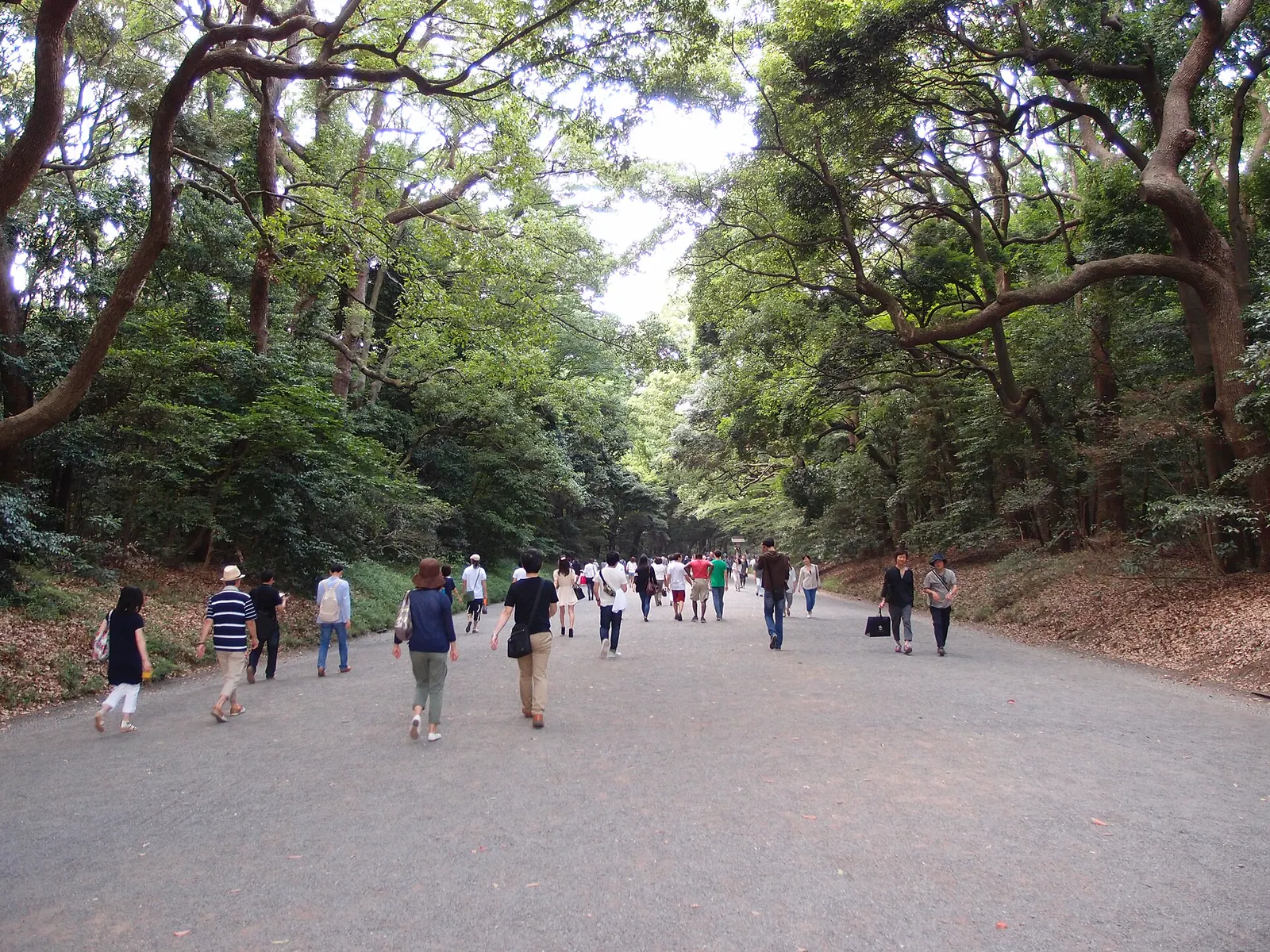
Shibuya & Harajuku
Link the crossing, fashion streets and shrine forest in one direction.
Open west-side guide →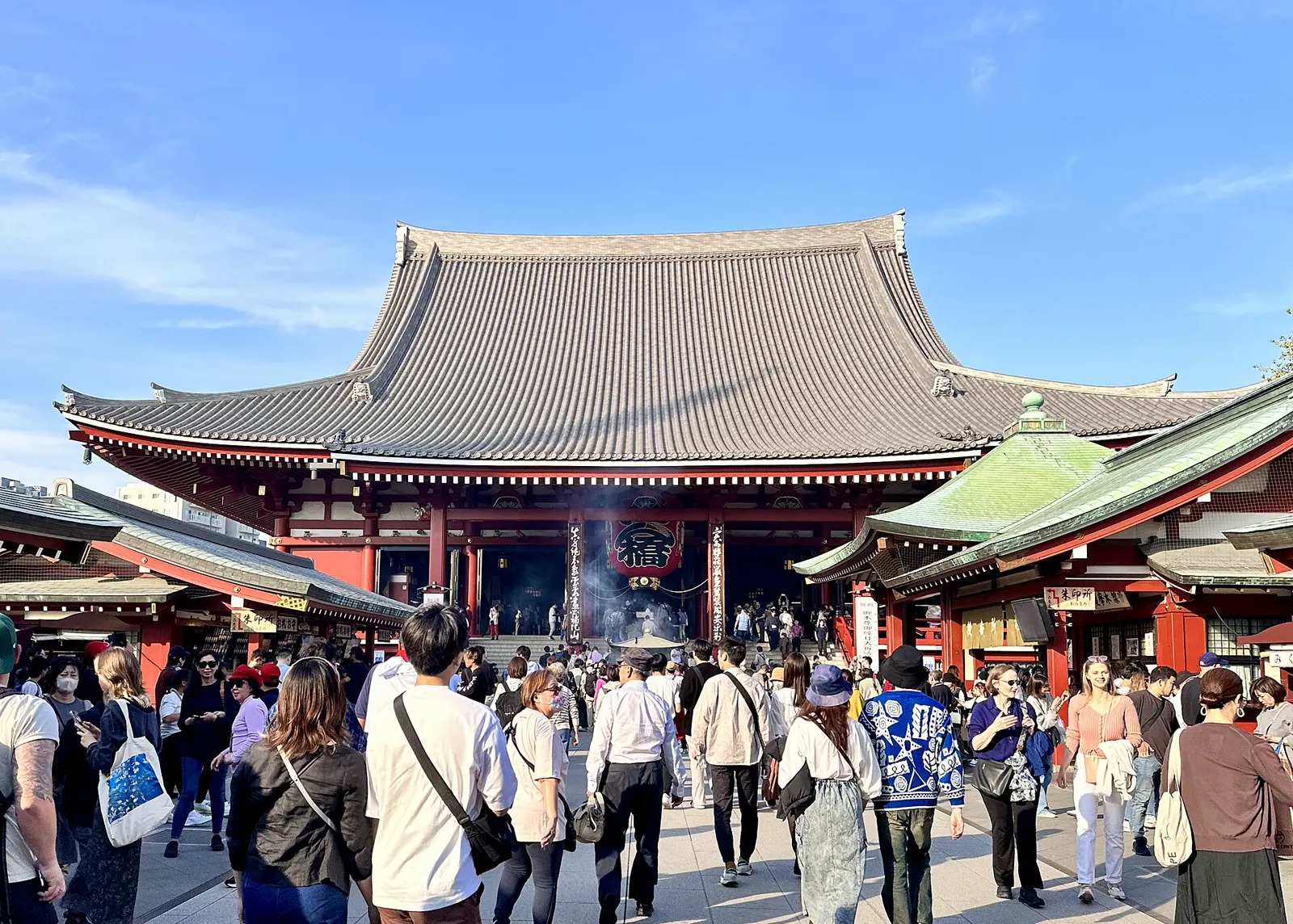
Asakusa & Ueno
Choose early temple streets, museum depth or a balanced day of both.
Open east-side guide →Tokyo Station & Ginza
Decode Marunouchi and Yaesu, then turn an arrival day into a polished walk.
Open central guide →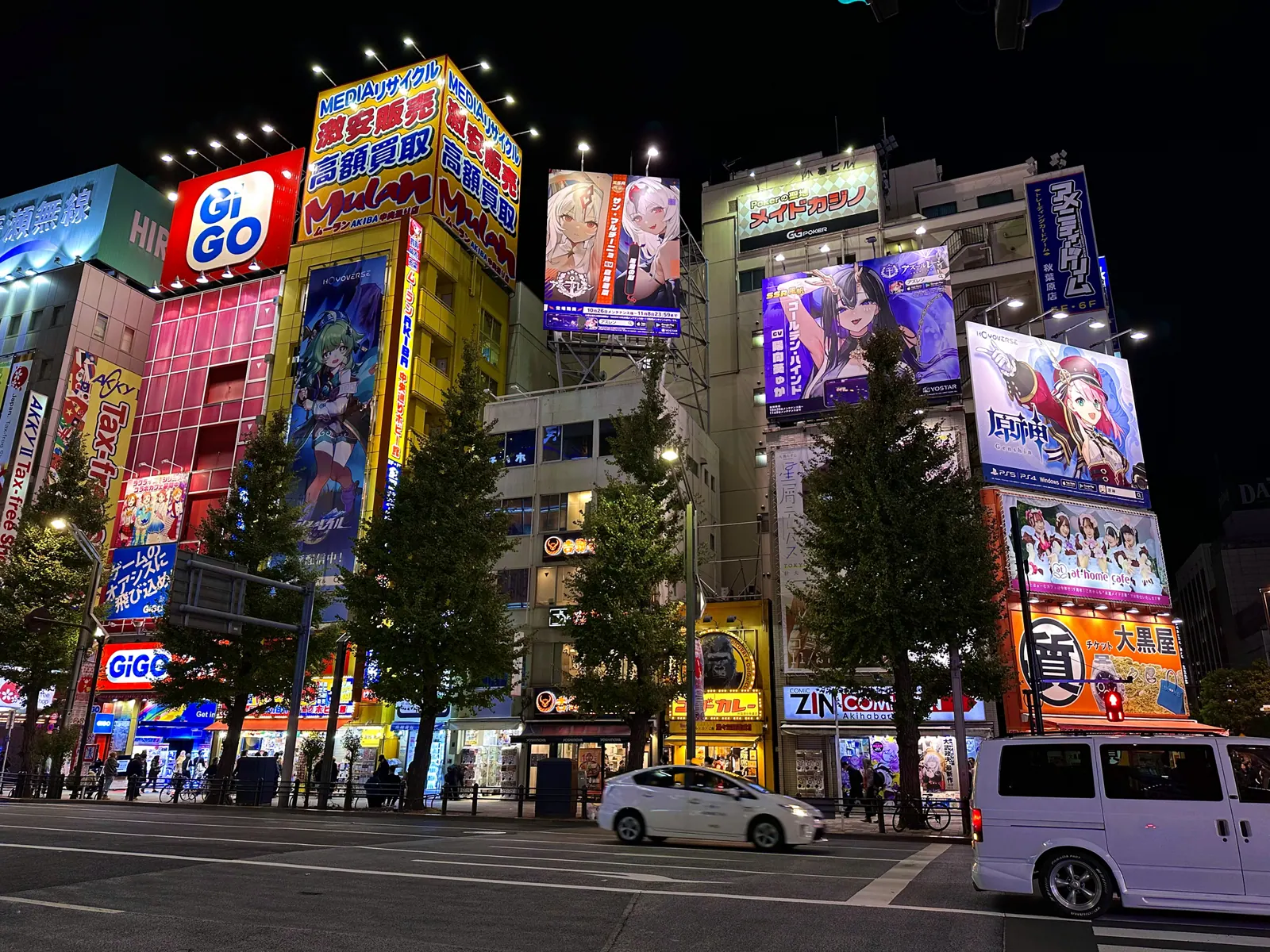
Akihabara & Kanda
Shop by interest lane, then reset at a shrine or book district.
Open Akihabara guide →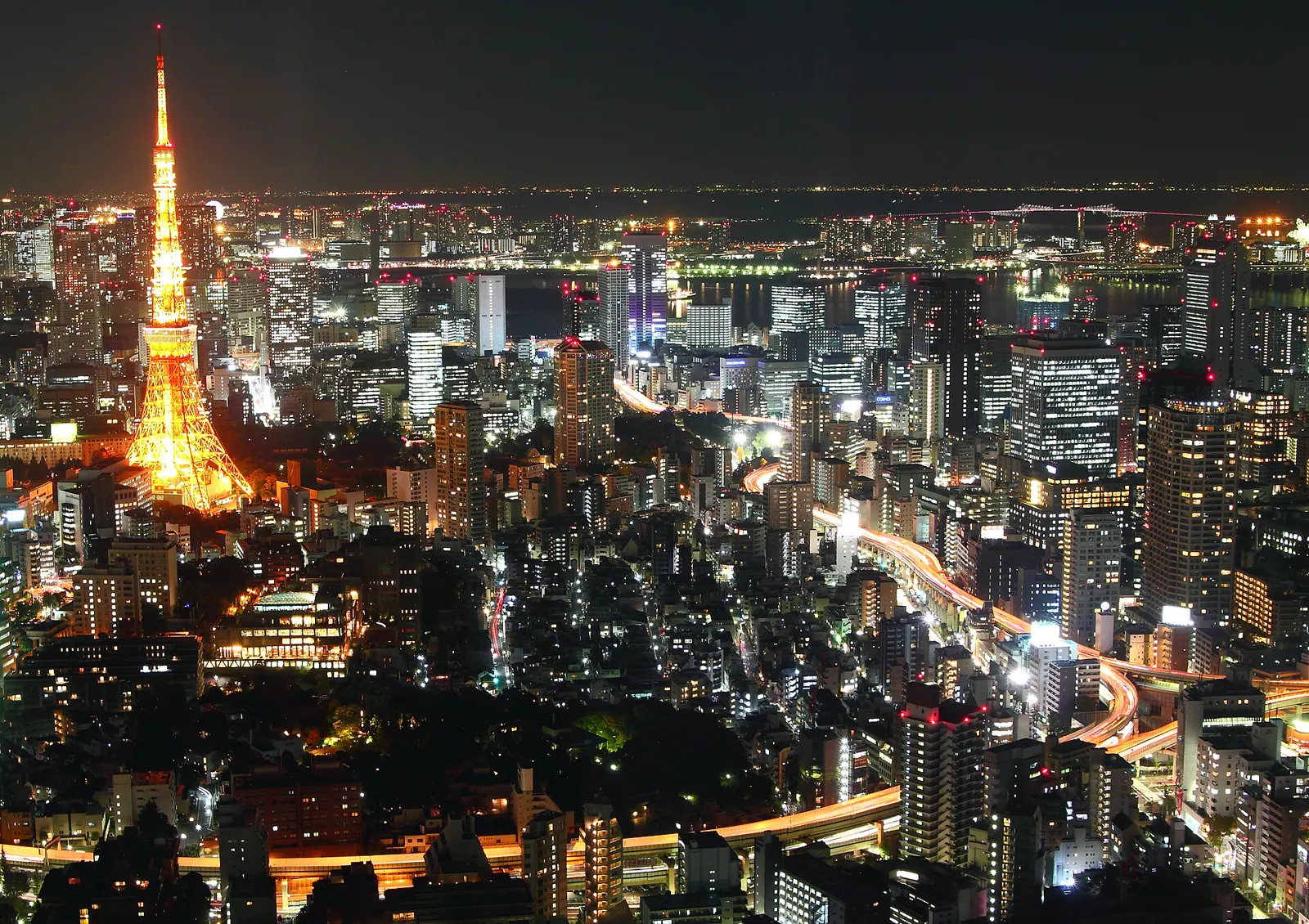
Roppongi & Azabu
Combine galleries and skyline architecture with a quieter local contrast.
Open Roppongi guide →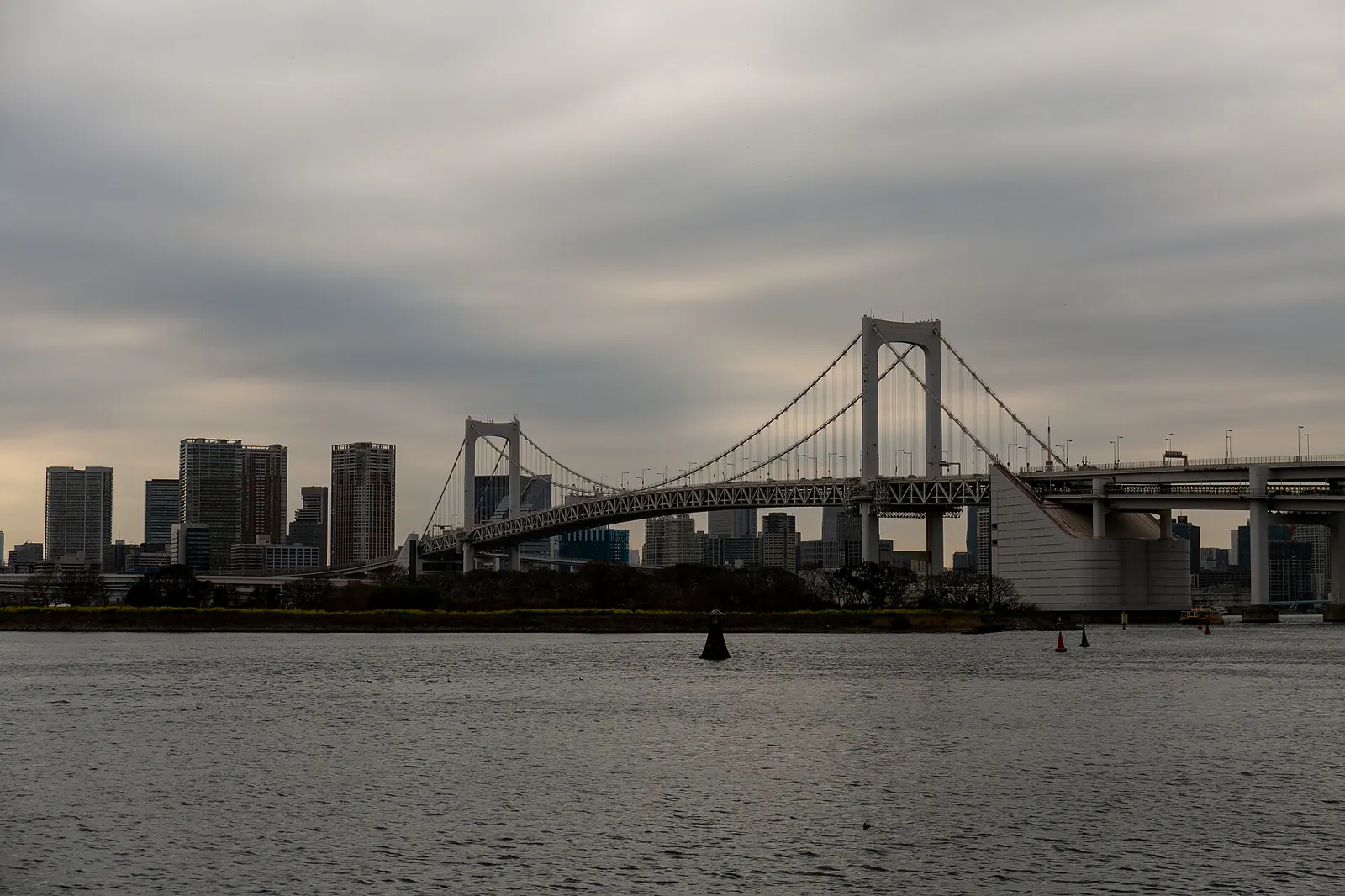
Odaiba & Toyosu
Separate entertainment, market mornings and bay transport corridors.
Open waterfront guide →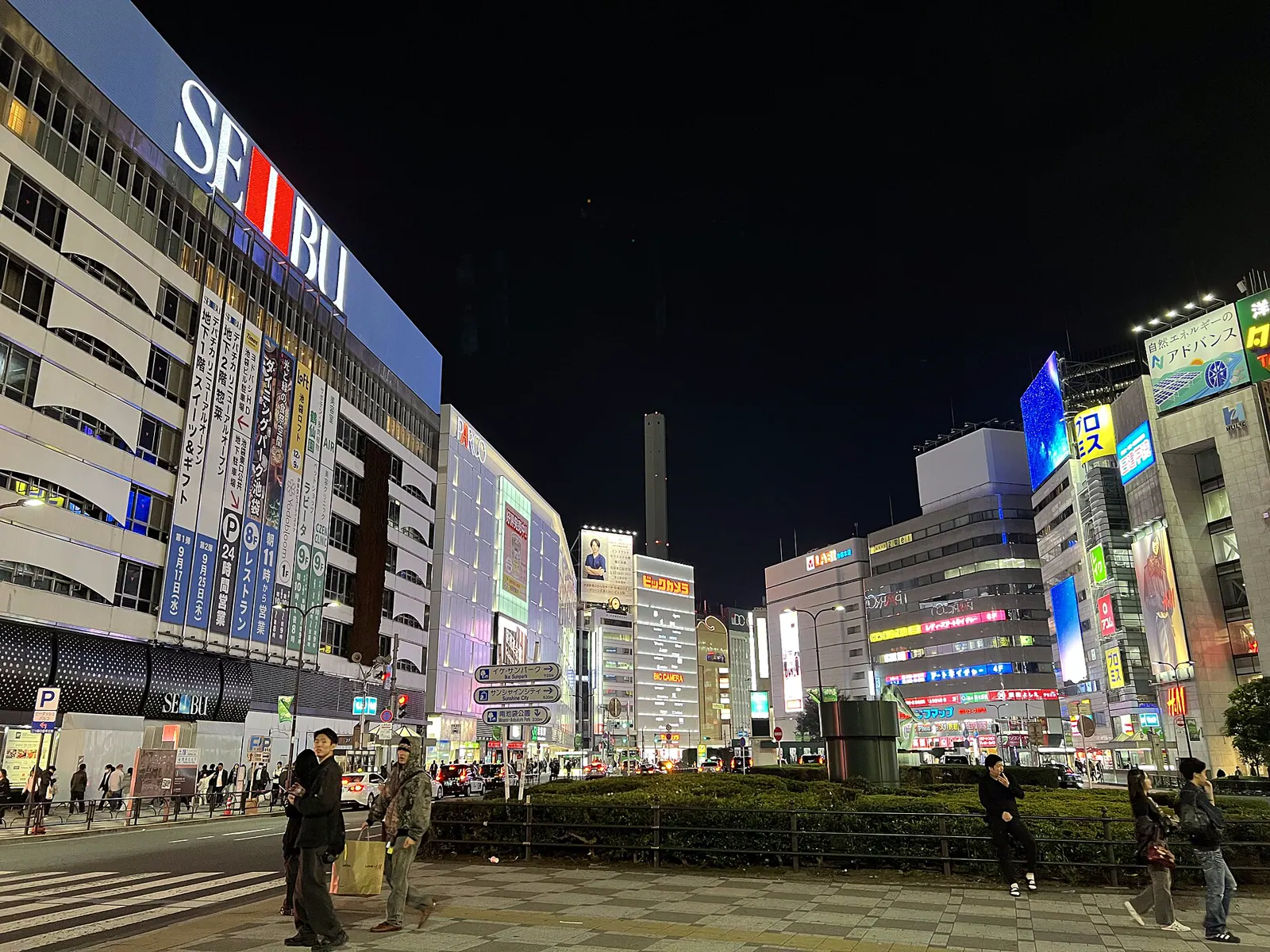
Ikebukuro
Use east and west exits with purpose, from Sunshine City and fan culture to local arts.
Open Ikebukuro guide →Read the operator before the platform
“Tokyo subway” is not one company, and not every useful train is a subway. Search the full station and line, then save the exit nearest your destination.
JR East
Useful for the Yamanote loop and many cross-city or regional journeys. Tokyo, Shinjuku, Shibuya, Ueno and Ikebukuro are major JR anchors.
Tokyo Metro
Nine lines connect many central districts. Line color, letter and station number help more than memorizing every Japanese station name.
Toei and private rail
Toei runs four subway lines; Keikyu, Keisei, Tokyu, Odakyu and others matter for airports, suburbs and selected city corridors.
An IC card does not make every train identical
It simplifies ordinary fares, but some limited-express or reserved-seat services still need an additional ticket. Follow the operator's current rules.
Compare the hotel door, not the airport name
Haneda is much closer to central Tokyo, while Narita sits outside the metropolis in Chiba. The right choice still depends on airfare, arrival time and your final transfer.
- Haneda: compare Keikyu toward Shinagawa with Tokyo Monorail toward Hamamatsucho.
- Narita west-side route: compare JR's Narita Express for Tokyo, Shibuya and Shinjuku.
- Narita east-side route: compare Keisei Skyliner for Nippori and Ueno.
- Late arrival: check the dated final service before booking a nonrefundable hotel connection.
Five days grouped by city geography
This is a route skeleton, not a race. Use the area guides to select depth, reservations and weather swaps inside each day.
Meiji Jingu → Harajuku → Shibuya
Begin with the shrine forest, move through fashion streets and finish around Shibuya after dark. Keep the walk one-way.
Garden → west skyline → east evening
Use the quieter daylight side first, orient at the west towers and cross only once for dinner or nightlife.
Asakusa → Kappabashi → Ueno
See the temple streets early, browse a focused interest stop, then protect time for one Ueno museum or park walk.
Tokyo Station → palace edge → Ginza
Use a palace-garden visit only when current opening information fits, then continue toward Ginza for architecture and dinner.
Bay, art, subculture or a day trip
Pick Odaiba/Toyosu, Roppongi/Azabu, Akihabara/Kanda or Ikebukuro according to interests—not because every list says it is compulsory.
Tokyo planning FAQ
How many days do you need in Tokyo?
Five full days is a practical first core. Add nights for slower shopping, several museums, theme parks or day trips without stripping the city days of breathing room.
Which area is best for a first stay?
Shinjuku and Shibuya favor west-side energy; Tokyo Station favors intercity rail; Asakusa and Ueno favor a calmer east-side rhythm. Choose around your evenings and longest repeat journeys.
Is Haneda always better than Narita?
No. Haneda is closer, but airfare, flight schedule and the final hotel transfer can outweigh distance. Compare the full door-to-door journey and last service.
Do I need a Tokyo rail pass?
Not by default. Use an IC card for simple pay-as-you-go travel, then price any pass against the exact operators and rides you will take.
Should I take day trips from Tokyo?
Only when the destination adds a priority that Tokyo does not. A first five-day visit already fills easily; add day trips with extra nights instead of treating them as mandatory.
Official sources and photo credits
Planning facts were reviewed on 26 August 2026. Recheck fares, schedules, attraction rules and temporary closures before travel.
- GO TOKYO — getting to Tokyo.
- GO TOKYO — Haneda Airport access.
- JR East — Narita Express.
- Keisei — Skyliner.
- Tokyo Metro — network map.
- Toei Transportation.
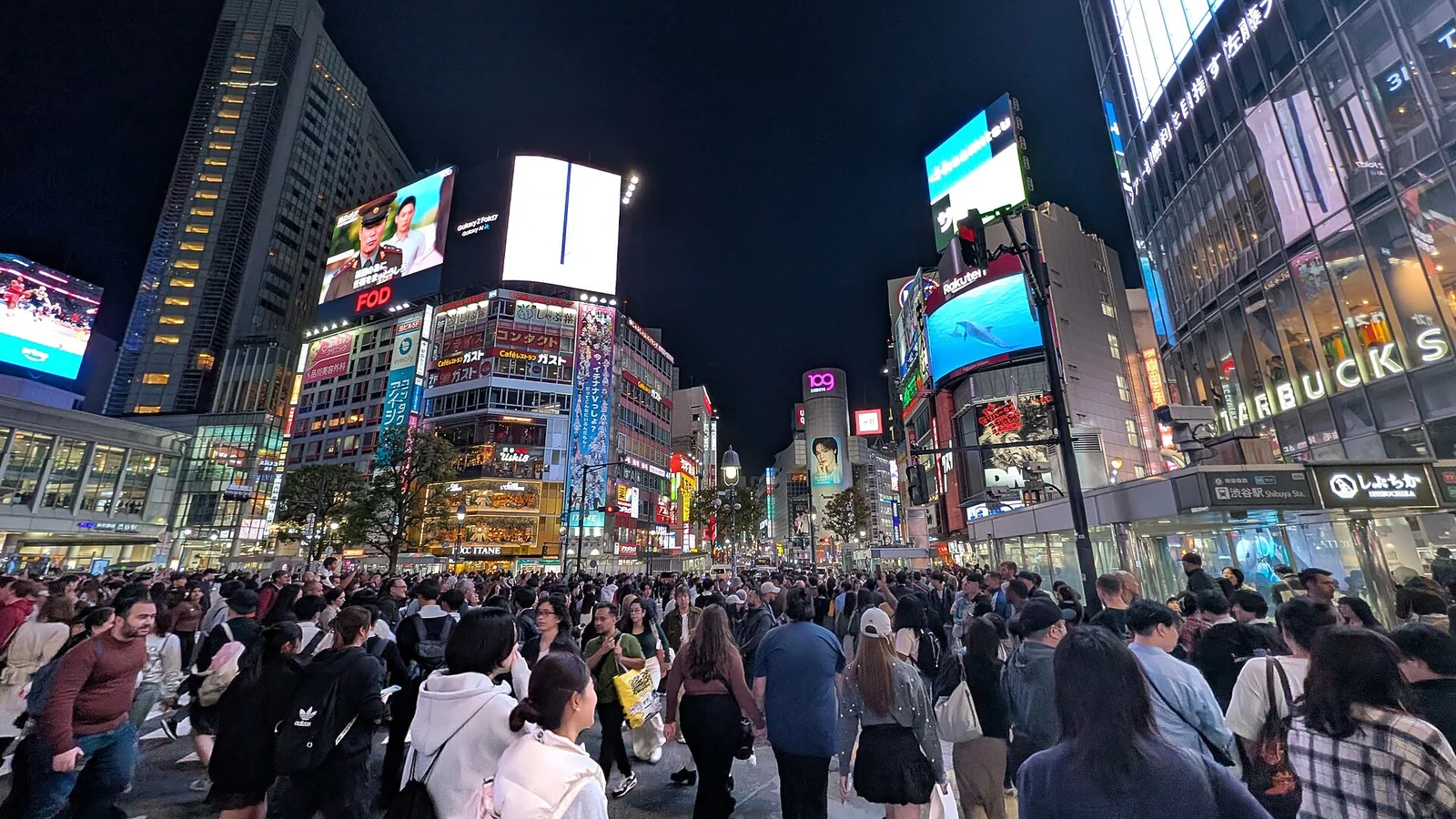
- Shibuya crossing at night — Joli Rumi, CC BY-SA 4.0.
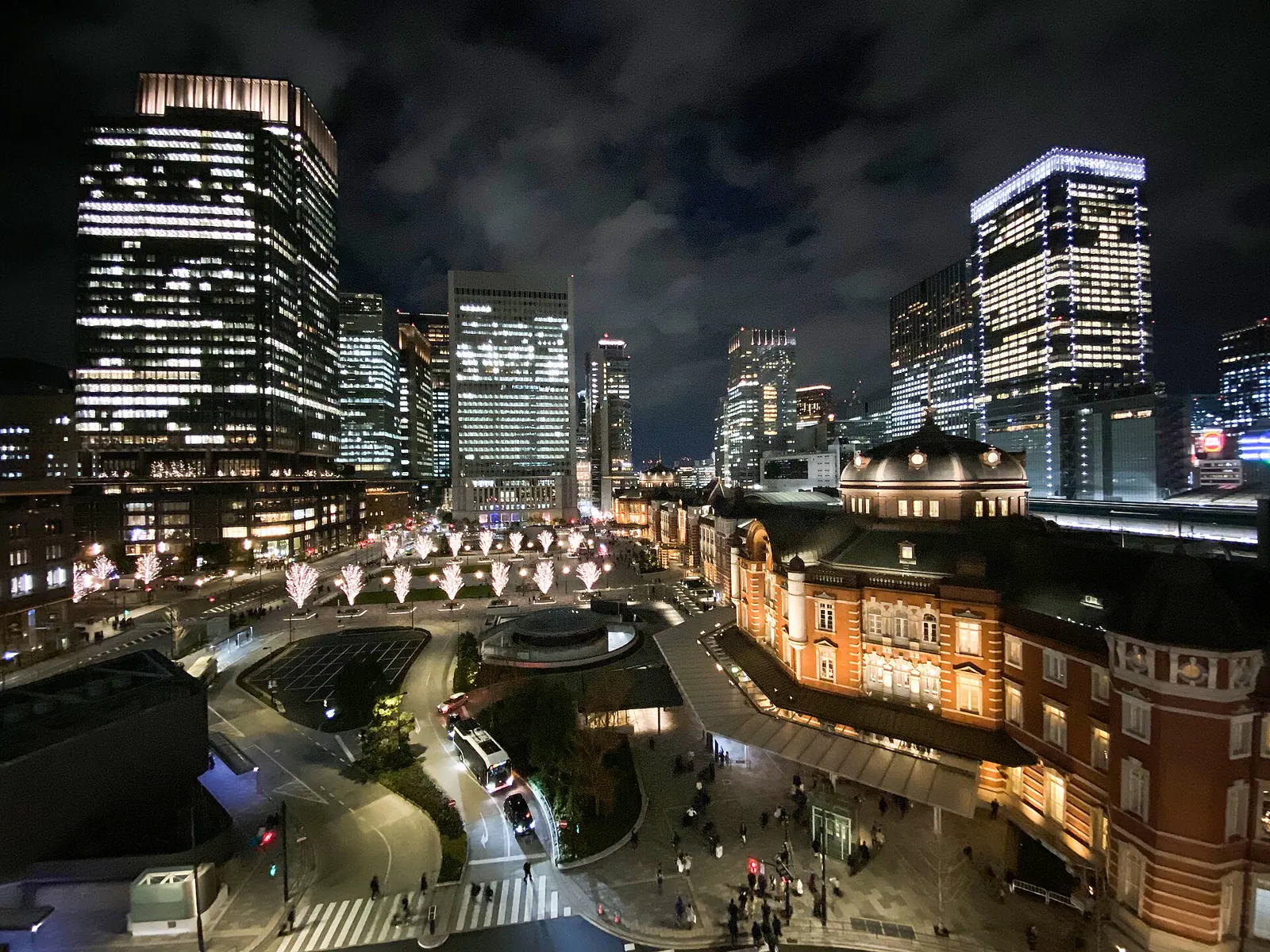
- Tokyo Station at night — Wpcpey, CC BY 4.0.
- Tokyo Metropolitan Government Building — Asanagi, CC0.