Roppongi
& Azabu
Contemporary art and megastructure architecture by day, a single skyline choice at dusk and quieter hillside streets when neon is not the goal.
Roppongi and Azabu quick facts
Art district, nightlife district or local hillside?
The same station serves very different trips. Set the purpose before selecting museums, restaurants or a hotel.
Contemporary art
Build around one current exhibition, then add a second institution only when its program genuinely fits.
Architecture and skyline
Walk one complex deeply and choose a single observation experience for the weather and light.
Roppongi or Azabu
Use Roppongi for dense dining and nightlife; drift toward Azabu for a smaller-scale, quieter finish.
Let the current exhibition decide
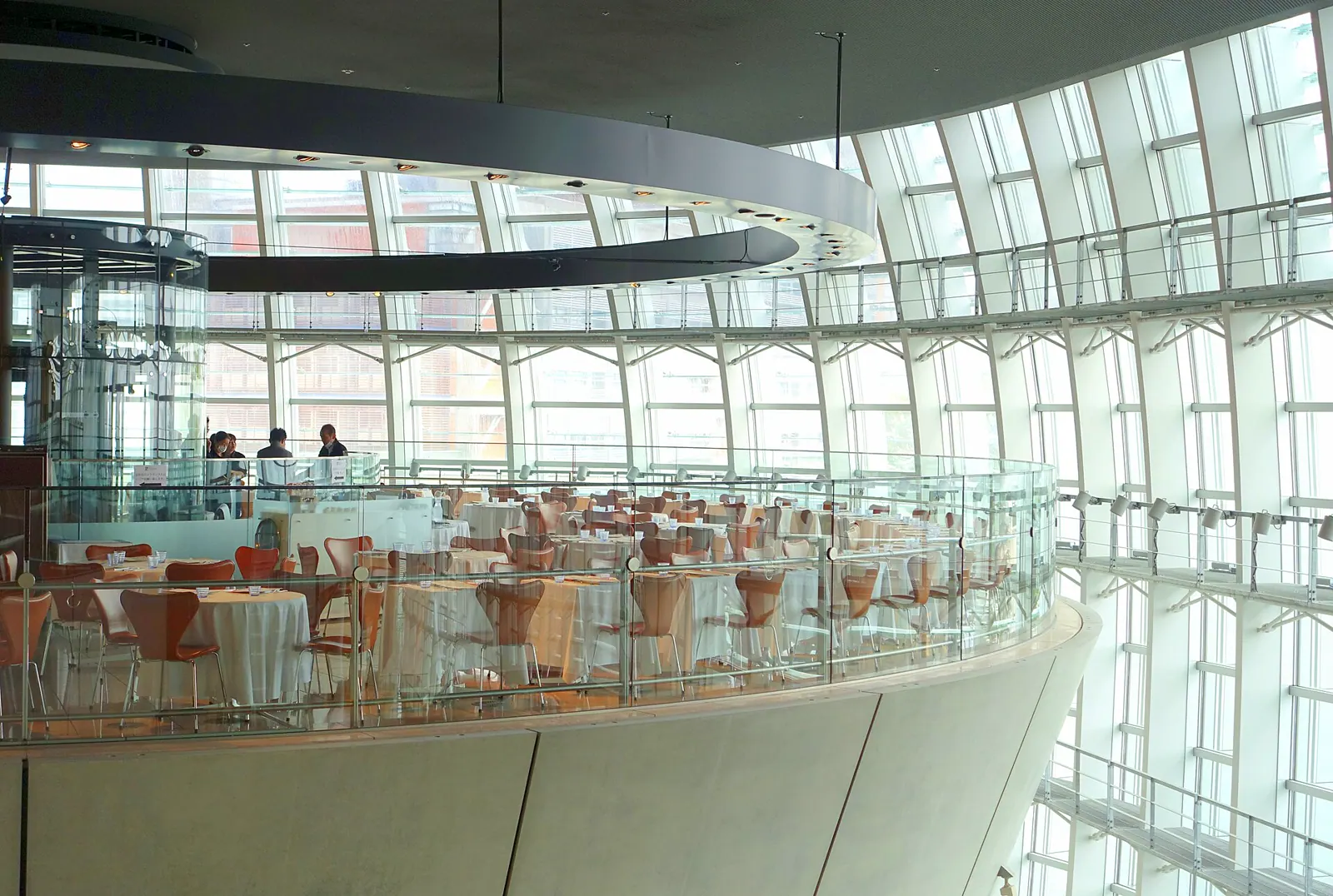
The National Art Center, Mori Art Museum and Suntory Museum of Art have different collection and exhibition models. Their schedules and closed days do not necessarily align.
| Institution | Planning strength | Watch for | Use it when… |
|---|---|---|---|
| National Art Center, Tokyo | Large rotating exhibitions and distinctive architecture | No permanent collection in the usual sense | A current exhibition interests you |
| Mori Art Museum | Contemporary program inside Roppongi Hills | Ticket combinations and dated hours vary | Art and skyline share the day |
| Suntory Museum of Art | Japanese art and craft within Tokyo Midtown | Exhibition turnover and closure periods | Design and Japanese aesthetics lead |
Two anchors, one exhibition, one view
This route avoids museum fatigue. Reverse the direction when a timed ticket or current closing hour requires it.
Nogizaka → Midtown → Roppongi Hills → Azabu
National Art Center
Visit only if the current program fits; otherwise enjoy the architecture briefly.
Tokyo Midtown
Use the garden, design spaces or one meal as a pacing reset.
Roppongi Hills
Choose museum or observation ticket according to interest and visibility.
Azabu option
Walk downhill only when weather and footwear suit the exact dinner route.
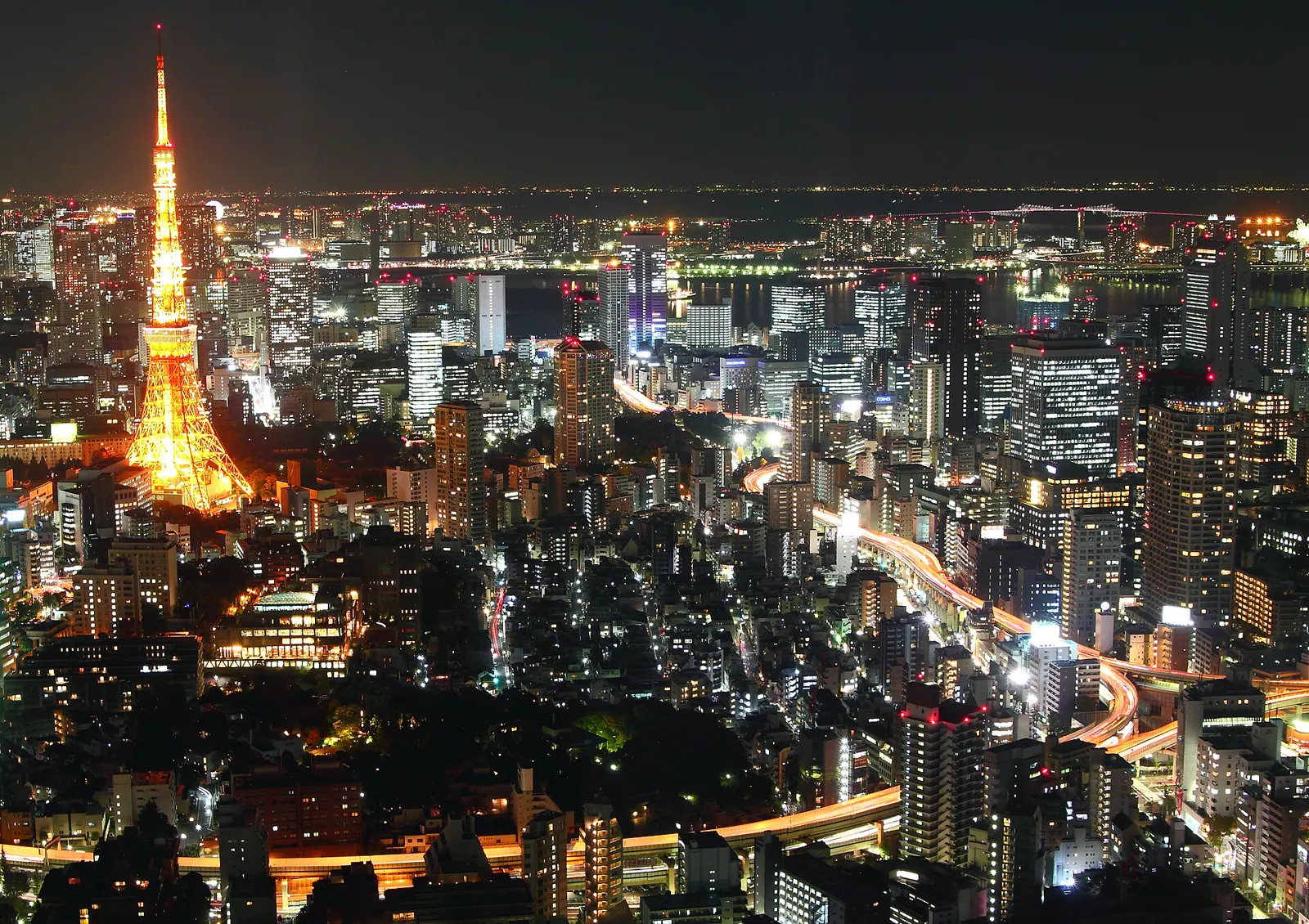
One panorama is enough; the return plan is essential
Paid observation experiences vary in ticket rules and visibility. For nightlife, verify cover charges and prices, avoid aggressive solicitors, control your drink and check the last direct train to the hotel.
- Check cloud base and visibility before buying.
- Allow elevator and security time.
- Save the last useful route—not only the final train.
- Use licensed taxis or official ride options if trains end.
Central and polished, but not rail-universal
Roppongi works best when art, dining, international amenities and south Tokyo repeat across the itinerary.
Stay here if…
- Museums, architecture and restaurants fill several evenings.
- Hibiya or Oedo Line routes match your daily destinations.
- International services and polished hotels are priorities.
- You prefer central south Tokyo to a giant JR hub.
Compare elsewhere if…
- Shinkansen and regional day trips dominate the itinerary.
- Budget dining and small local streets matter most.
- Airport transfers need to be as direct as possible.
- Nightlife noise or hills reduce the appeal.
Roppongi and Azabu FAQ
How many museums fit in one day?
Two focused museums is a sensible maximum for most people. Read the current exhibition programs and leave room for architecture and dinner.
Is Roppongi only for nightlife?
No. It is one of Tokyo's strongest contemporary-art and urban-architecture districts, with quieter Azabu areas nearby.
Is Roppongi a good place to stay?
Yes for art, dining and central south Tokyo. Compare Tokyo Station or Shinjuku when regional rail is more important.
Can I walk into Azabu?
Often, but the area is hilly. Check the exact route, weather and footwear, especially after a long museum day.
Follow art with street culture or the bay
Official sources and photo credits
Planning facts were reviewed on 26 August 2026. Recheck exhibitions, timed tickets, opening days and transport before travel.
- GO TOKYO — Roppongi.
- The National Art Center, Tokyo.
- Mori Art Museum.
- Suntory Museum of Art.
- National Art Center, Tokyo — Daderot, CC0.
- Tokyo Tower at night — Kakidai, CC BY-SA 4.0.