Shinjuku
Three city moods around one enormous station: quiet garden mornings, west-side towers and an east side that wakes up after dark.
Shinjuku quick facts
Treat Shinjuku as three connected districts
Trying to cover everything from a single station pin causes needless underground walking. Choose the side that fits the next two or three stops.
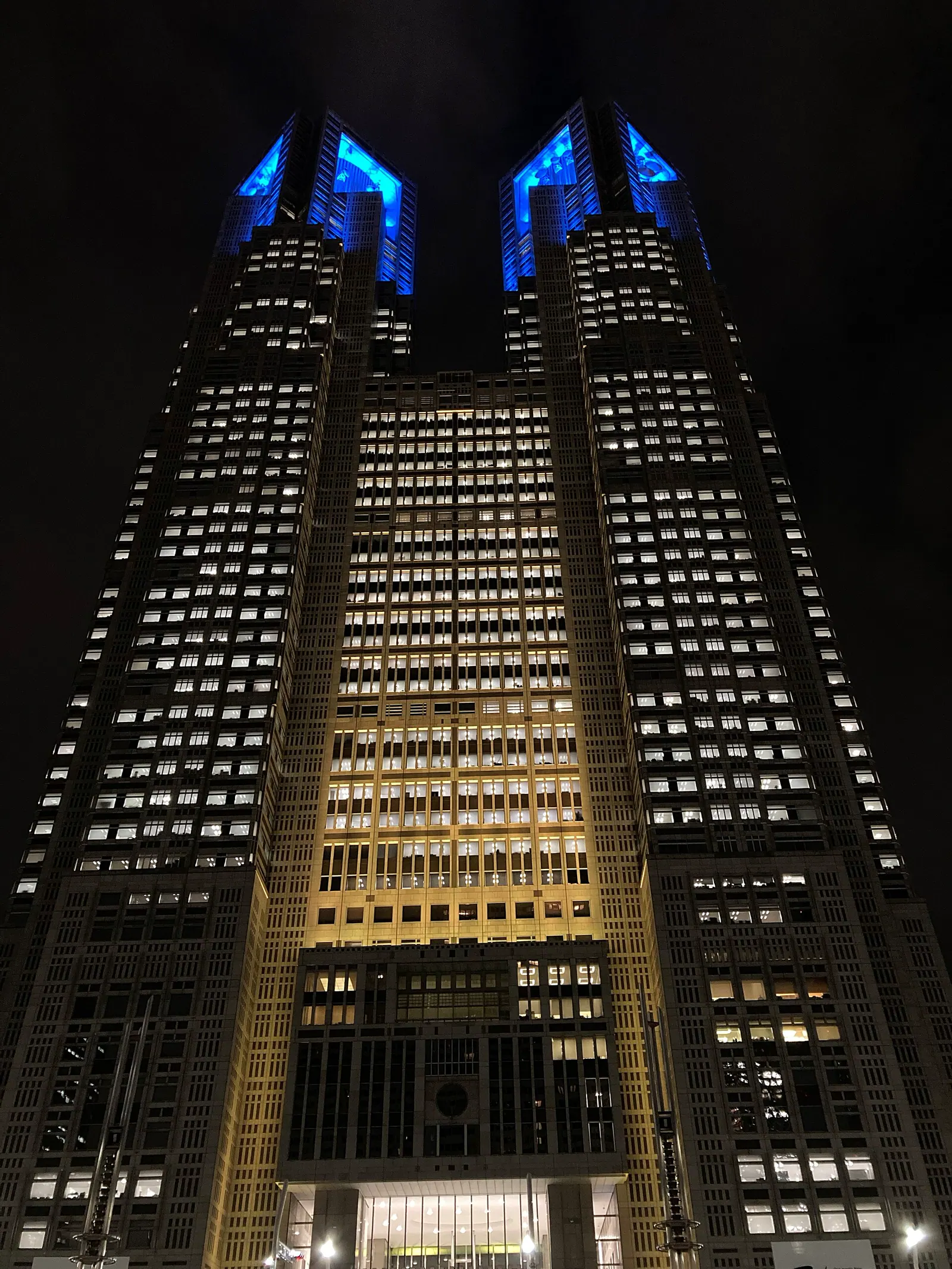
Skyscraper district
Tokyo Metropolitan Government buildings, office towers and broad roads. Strong for architecture and a less frantic first orientation.
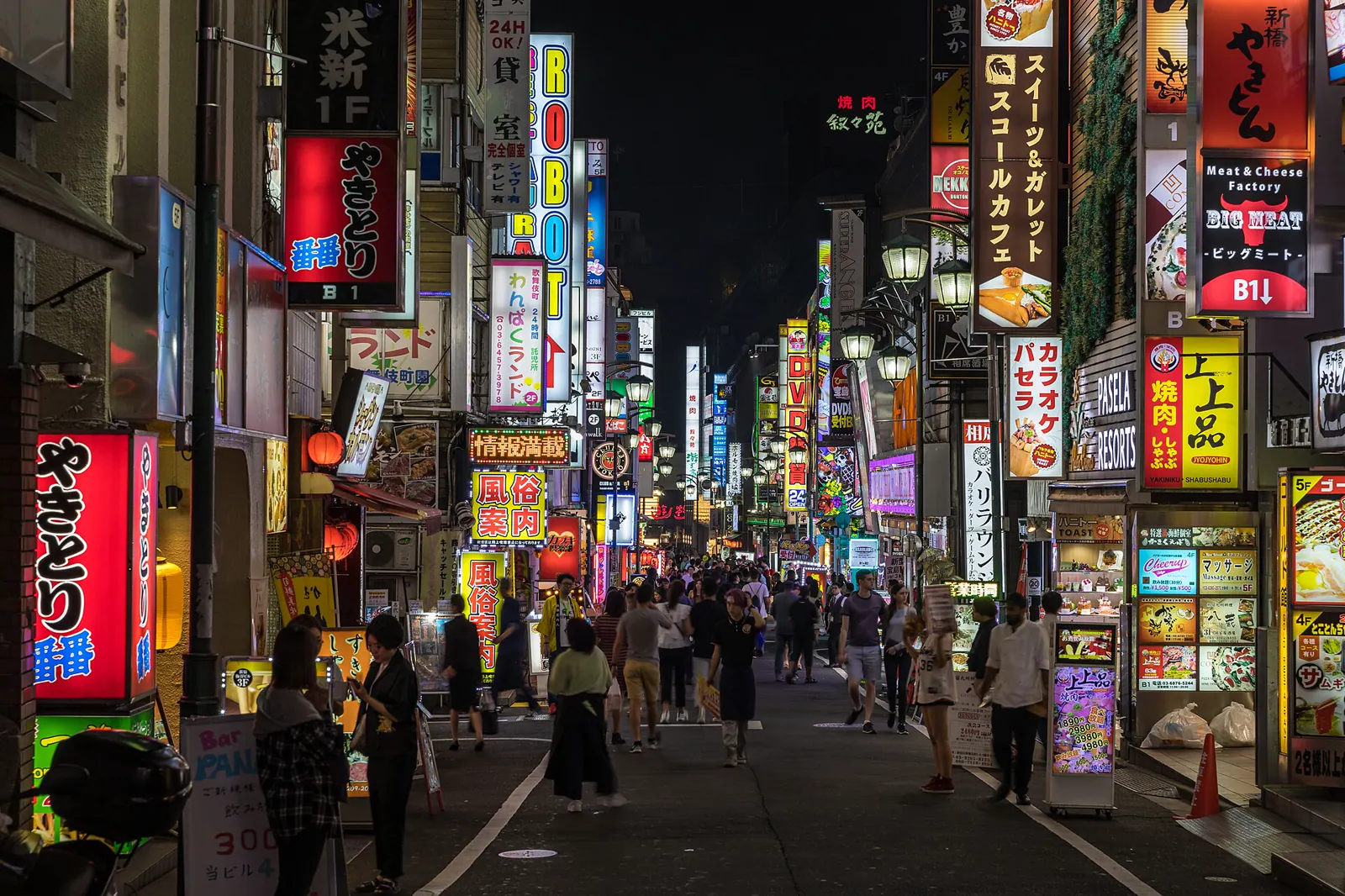
Shinjuku-sanchome to Kabukicho
Department stores, dense dining lanes and entertainment. The mood intensifies north of the main shopping streets.
New South Gate and Busta
Useful for highway buses, newer retail terraces and the bridge toward Yoyogi. Practical when arriving with luggage.
Shinjuku Gyoen edge
A quieter daylight counterweight to the station core. Admission rules and seasonal reservation requirements can change.
Choose convenience at the correct edge
A “five-minute Shinjuku hotel” can be five minutes from an entrance that is far from your operator. Map the actual route before paying.
Stay in Shinjuku if…
- West-side Tokyo and regional day trips fill the itinerary.
- You value late dining without a long ride home.
- You want several line choices when one route is disrupted.
- Large commercial districts feel energizing, not exhausting.
Choose another base if…
- Most mornings begin in Asakusa, Ueno or Tokyo Station.
- A quiet, small-station arrival matters more than rail reach.
- You are traveling with large luggage and dislike complex transfers.
- Nightlife noise outweighs the convenience of late restaurants.
Save four details, not one pin
Your note should include operator, station name, gate and exit. “Shinjuku” alone is not enough when JR, Metro, Toei, Odakyu, Keio and nearby Seibu facilities meet the district.
Which railway?
Start with JR, Tokyo Metro, Toei, Odakyu, Keio or Seibu. Each has its own gates and signs.
Which concourse?
Save the gate printed by the route app or venue. Do not improvise after leaving the paid area.
Exit and landmark
Pair an exit with a building, plaza or department store; exits can close or be hard to see.
Meet above ground
For a group, choose a visible landmark outside the gates and exchange a map pin. “At Shinjuku Station” is not a useful meeting instruction.
Quiet first, neon last
This route crosses the station area once. Reverse it only when a dated reservation or weather condition makes that worthwhile.
Garden → towers → dinner → lights
Shinjuku Gyoen
Use the quietest outdoor block before shops and nightlife become the focus.
West towers
Walk the business district and choose at most one observation stop.
East-side dinner
Reserve only if the meal matters; otherwise use a lane away from the loudest touts.
Kabukicho edge
See the lights, keep valuables controlled and leave before the last-train decision becomes rushed.
Choose one skyline, then stay at street level
The Tokyo Metropolitan Government observatories are officially described as free, though closures can be sudden. Paid rooftops elsewhere may require dated tickets. One deliberate viewpoint is usually enough.
- Check the official calendar on the day.
- Allow a queue buffer near sunset.
- Do not buy a second view just to fill a list.
- Ignore aggressive street solicitation and verify venue prices before entering.
Shinjuku planning FAQ
Is Shinjuku a good place to stay?
Yes for rail reach, west-side sights and late dining. Choose the exact station edge to avoid a long daily walk through the complex.
Which side of Shinjuku is best?
West is calmer and architectural, east is busiest for shopping and nightlife, and south is practical for highway buses and newer station connections.
Is the Metropolitan Government observatory free?
The official Tokyo page lists the observatories as free. Check the dated opening calendar and sudden closure notices before making the trip.
Is Kabukicho safe to walk through?
Many visitors walk its main streets, but use ordinary big-city caution: avoid touts, verify prices, watch drinks and possessions, and know the route home.
Choose a contrasting next area
Official sources and photo credits
Planning facts were reviewed on 26 August 2026. Recheck attraction calendars, station work, fares and temporary closures before travel.
- GO TOKYO — Shinjuku.
- Tokyo Metropolitan Government — observatories.
- Shinjuku Gyoen National Garden.
- JR East — Shinjuku Station.
- Kabukicho neon signs — Basile Morin, CC BY-SA 4.0.
- Tokyo Metropolitan Government Building — Asanagi, CC0.