Tokyo Station & Ginza
One station with two city faces, a palace edge that follows its own calendar and a refined avenue best allowed to glow after dark.
Tokyo Station and Ginza quick facts
Pick the side before you leave the platform
Tokyo Station is long, layered and connected to underground commercial areas. The correct side matters more than the nearest visible exit.
Marunouchi
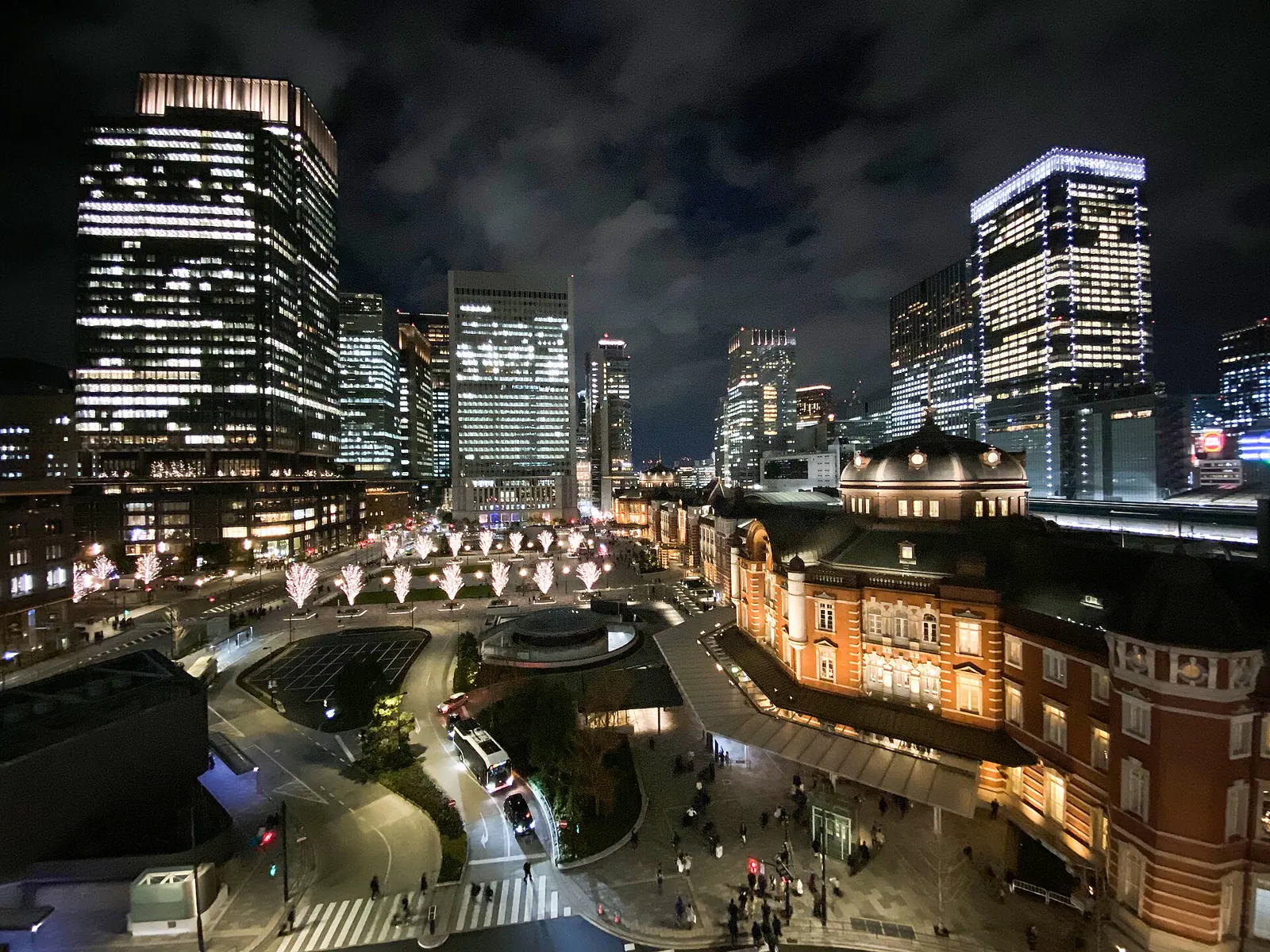
The restored red-brick facade, office towers and broad axis toward the Imperial Palace. Best for architecture and the classic station photograph.
Yaesu
Highway-bus facilities, office towers and access toward Nihombashi. Practical, but visually different from the famous station front.
Gransta and transfer levels
Food, gifts and long internal corridors can consume time. Confirm whether a shop sits inside or outside ticketed gates.
Yurakucho connection
A useful bridge between the station district and Ginza, especially when the route includes architecture, cafés or an evening meal.
Do the luggage decision before sightseeing
Tokyo Station works beautifully as an arrival-day district only after bags are stored and the correct collection point is saved.
Save train and gate
Record the service, car position if useful, transfer line and the hotel-facing exit.
Use a defined storage plan
Coin lockers can fill. Compare hotel storage and staffed services, then save closing time.
Rehearse the return
Know whether a final purchase is inside the gates and allow time for the long platform walk.
Do not photograph a locker and assume that is enough
Save the station level, nearby shop or gate, locker number and closing/access conditions. A giant station can contain many identical corridors.
Red brick, garden edge, then blue hour
Use the East Gardens only when the official calendar fits. Otherwise replace that block with Marunouchi architecture or Nihombashi.
Marunouchi → palace edge → Yurakucho → Ginza
Marunouchi facade
Orient outside the west front and look back before moving into the tower district.
Garden or architecture
Use the official East Gardens calendar; otherwise stay with the cityscape.
Yurakucho
Transition south with rail viaduct texture, cafés or a short rest.
Ginza
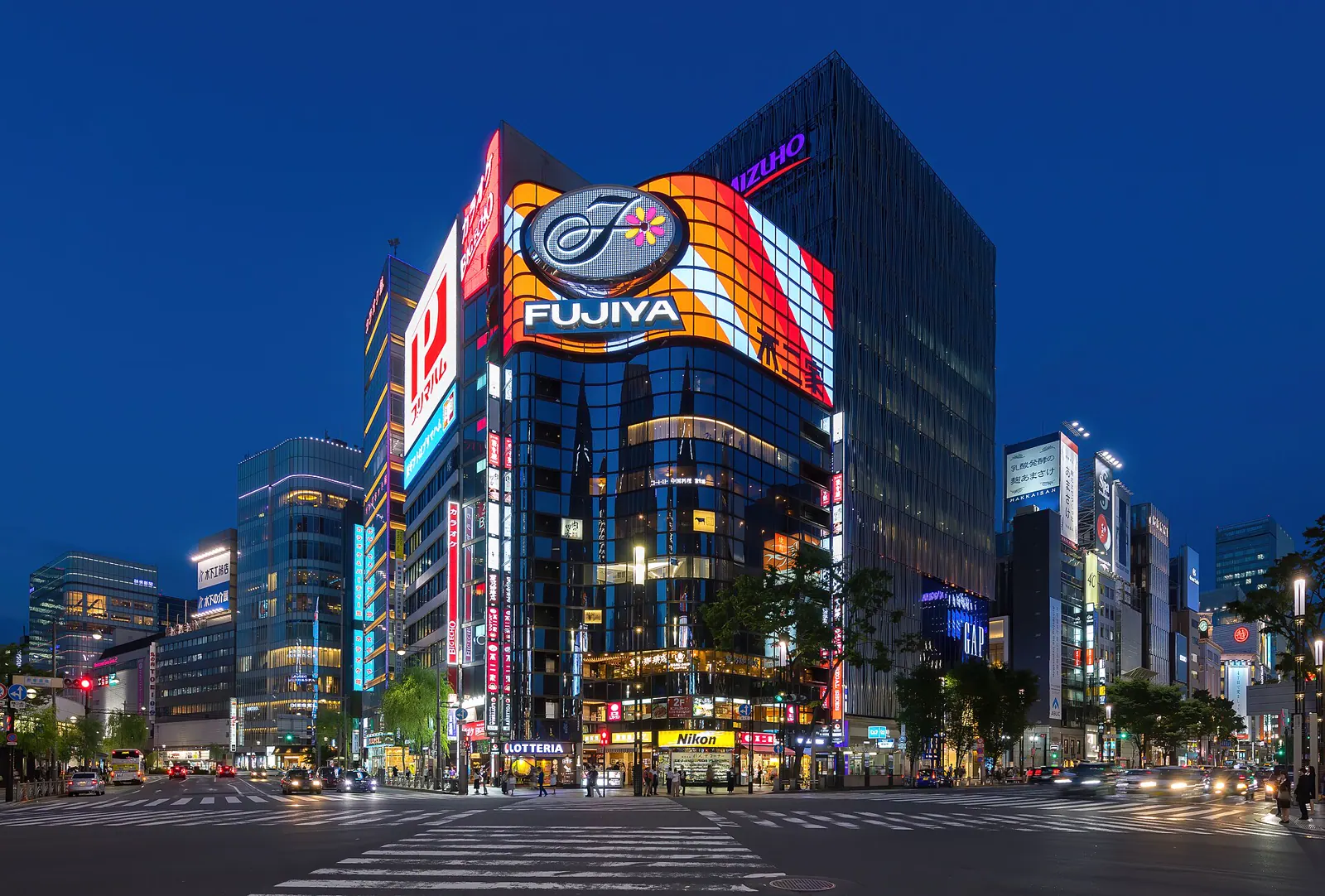
Walk selected architecture and finish with one meal, bar or department store.
Never hard-code the palace garden into Monday
The Imperial Household Agency publishes variable hours, regular closure days and temporary restrictions for the East Gardens. Check the exact date, then keep Ginza as the reliable evening anchor.
- Open the official date calendar before routing.
- Allow security and entry time.
- Carry no plan that depends on a last-minute entry.
- Use Marunouchi or Nihombashi as the closed-day alternative.
Excellent for rail, quieter for late-night spontaneity
Tokyo Station and Ginza hotels solve different budgets and moods while sharing strong central access.
| Area | Best for | Trade-off | Choose it if… |
|---|---|---|---|
| Marunouchi | Shinkansen, premium convenience, polished city views | High prices and fewer casual late-night lanes | Intercity rail leads the trip |
| Yaesu / Nihombashi | Practical access, buses and business-district value | Less of the postcard station atmosphere | Function beats spectacle |
| Ginza / Yurakucho | Dining, architecture, shopping and central Metro access | Premium retail character and variable room value | Elegant evenings matter |
Tokyo Station and Ginza FAQ
What is the difference between Marunouchi and Yaesu?
Marunouchi is the west, red-brick-facade side toward the Imperial Palace; Yaesu is the east side toward Nihombashi and bus facilities.
Can I walk from Tokyo Station to Ginza?
Yes, especially via Yurakucho. Use a train or taxi instead when carrying luggage, in severe weather or when the destination sits at Ginza's far edge.
Is Tokyo Station a good hotel base?
It is excellent for Shinkansen trips, central access and refined evenings. Shinjuku and Shibuya offer more casual late-night energy.
Are the East Gardens open daily?
No. Check the Imperial Household Agency's official date calendar for closures, hours and entry restrictions.
Use the rail hub to change city texture
Official sources and photo credits
Planning facts were reviewed on 26 August 2026. Recheck rail facilities, garden calendars, store hours and temporary closures before travel.
- GO TOKYO — Tokyo Station and Marunouchi.
- GO TOKYO — Ginza.
- Imperial Household Agency — East Gardens.
- JR East — Tokyo Station.
- Tokyo Station at night — Wpcpey, CC BY 4.0.
- Ginza at blue hour — Basile Morin, CC BY-SA 4.0.