Balearic Islands: Mallorca, Menorca & Ibiza
Mallorca, Menorca and Ibiza are separate island trips with different settlement patterns and ground transport; Formentera is an additional ferry leg from Ibiza. Choose one island for a short stay, then decide whether local bus, rail, rental car or bicycle actually reaches the place you plan to see.
Treat flights or ferries as the island gateway, not the whole transfer. Mallorca has a Palma-centred rail and bus network plus a mountain coast; Menorca has no rail spine and relies on road transport; Ibiza-to-Formentera adds a port and ferry timetable. Pick the island by the kind of days you want, not just the map’s beach count.
Late spring and early autumn often balance warmth and lower pressure, but ferry, bus and attraction schedules can be seasonal. Summer brings capacity, traffic and heat; reserve essential crossings and lodging early, use shade, and check AEMET marine or weather alerts. Winter has reduced services on some routes, so verify operation before building a car-free plan.
Palma de Mallorca is the main air gateway and hub for the island’s EMT/TIB buses and regional rail to selected towns; not every cove is rail-served. Menorca’s airport buses and inter-town routes vary by date and season. Ibiza’s local buses serve key towns and beach areas, but Formentera requires the port and a separate ferry booking. Check operator service notices and the last return before choosing a no-car itinerary.
Palma is the easiest Mallorca base for old-town and rail access; Sóller, Pollença and coastal resorts create different bus or car needs. On Menorca, choose Maó or Ciutadella according to your flight, evening plans and route network. In Ibiza, Ibiza Town simplifies port access, while resort stays can be farther from the airport and ferry. A beach pin alone is not a transport plan.
A car gives flexibility for Mallorca’s mountain villages and coves and Menorca’s dispersed beaches, but summer parking and narrow roads add friction. It is optional in Palma and can be unnecessary for a no-car town stay. On Ibiza and Formentera compare local buses, taxi and bicycle access; confirm rental, insurance and parking before assuming island driving is simple.
Each route has a different centre of gravity.
Compare the arrival, main commitment and effort. A compact city walk, timed interior and rural extension are not interchangeable day plans.
Mallorca: Palma, Sóller & the Tramuntana
Keep Palma’s old town separate from the Sóller rail-and-tram excursion, then decide whether a mountain village needs an overnight or a car beyond the rail terminus.
Open route guide →02An island without rail where two towns do not solve every beach transferMenorca: Maó, Ciutadella & the Cove Decision
Use Maó and Ciutadella as two urban anchors, then choose one named cove whose bus, road, parking and walking access fits the date.
Open route guide →03An island day trip built from a port, ferry, local mode and a protected returnIbiza & Formentera: Port-to-Beach Connections
Treat Formentera as a separate ferry day from Ibiza: reach the correct port, reserve the crossing, choose a local mode and save enough time to return before the ferry buffer disappears.
Open route guide →From the rail trunk to the local door.
Use the right gateway
Palma de Mallorca is the main air gateway and hub for the island’s EMT/TIB buses and regional rail to selected towns; not every cove is rail-served. Menorca’s airport buses and inter-town routes vary by date and season. Ibiza’s local buses serve key towns and beach areas, but Formentera requires the port and a separate ferry booking. Check operator service notices and the last return before choosing a no-car itinerary.
Let the base protect the evening
Palma is the easiest Mallorca base for old-town and rail access; Sóller, Pollença and coastal resorts create different bus or car needs. On Menorca, choose Maó or Ciutadella according to your flight, evening plans and route network. In Ibiza, Ibiza Town simplifies port access, while resort stays can be farther from the airport and ferry. A beach pin alone is not a transport plan.
Make the car earn its cost
A car gives flexibility for Mallorca’s mountain villages and coves and Menorca’s dispersed beaches, but summer parking and narrow roads add friction. It is optional in Palma and can be unnecessary for a no-car town stay. On Ibiza and Formentera compare local buses, taxi and bicycle access; confirm rental, insurance and parking before assuming island driving is simple.
Frequently asked questions
Can I visit Mallorca, Menorca and Ibiza on one short trip?
You can fly or ferry between islands, but each change consumes gateway and ground-transfer time. For a short holiday, choose one island and add another only when the second stay is long enough to justify a new base.
Do I need a car in the Balearics?
Not always. Palma and some town corridors can work by transit, but dispersed coves and rural routes can require a car, taxi, seasonal bus or long walk. Choose a target and test the dated return first.
Is Formentera part of the Ibiza airport transfer?
No. It requires traveling to Ibiza port and taking a separate ferry; check date-specific departures, port access and return conditions before making it a day trip.
Official regional sources & photo credit
Routes and licensing reviewed 20 October 2026. Recheck train, bus, entry, weather, path and ferry notices for your date.
- Baleària Balearic routes and timetables.
- Baleària Ibiza–Formentera ferry route.
- TIB Mallorca public transport routes and schedules.
- AEMET official weather warnings.
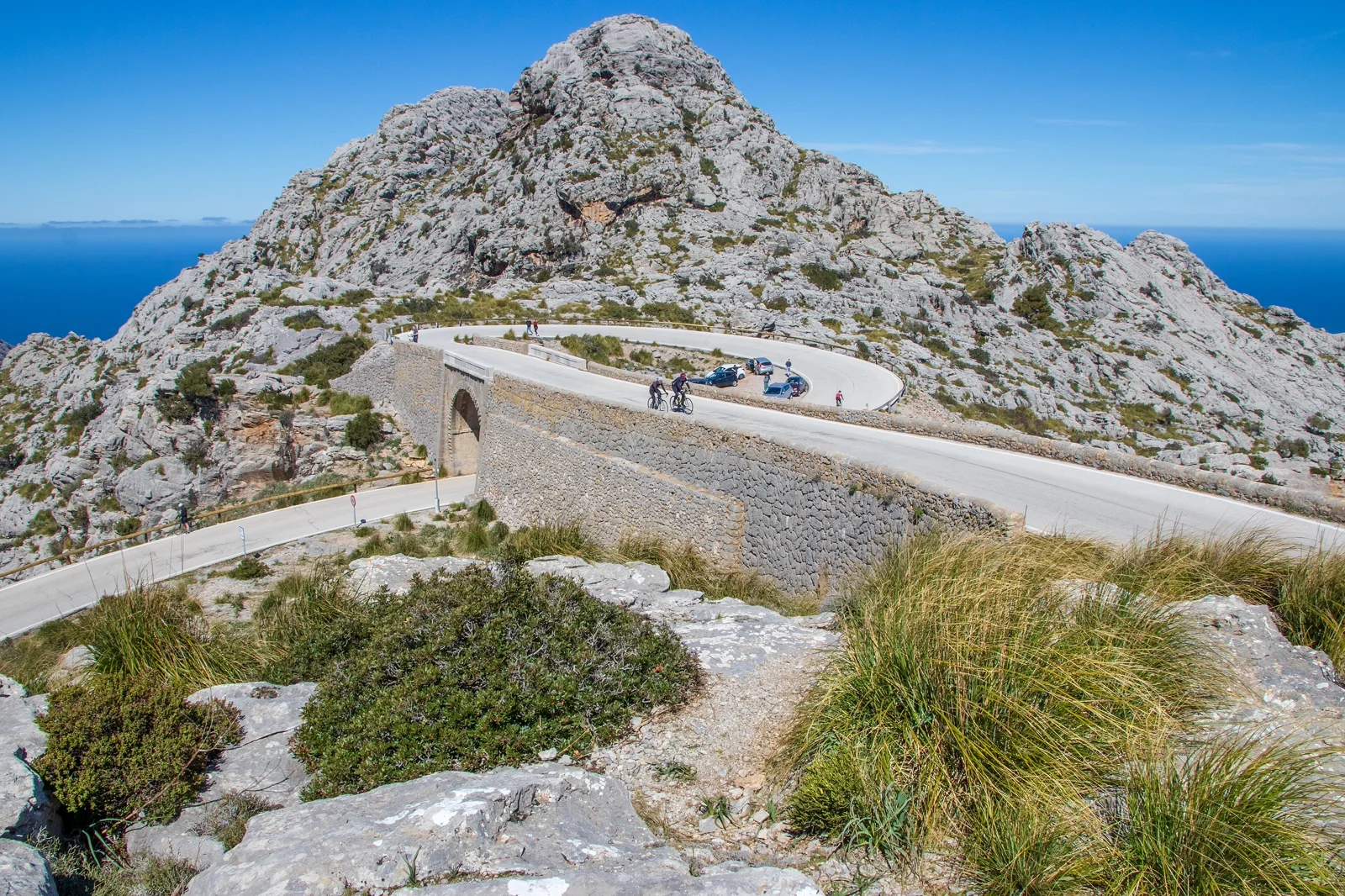
- Serra de Tramuntana Mallorca msu 2018-4041.jpg — Matthias Süßen, CC BY-SA 4.0. Resized and cropped to a WebP derivative; changes made. The derivative remains under CC BY-SA 4.0.