Spain
Plan a country of different rail corridors, languages, seasons and island transfers. This guide links Madrid, Catalonia, Andalusia, the Basque coast, Valencia and three island systems with route choices that start at the station, port or trailhead—not at a generic map pin.
Madrid, Barcelona, Seville, Bilbao and Valencia are strong urban bases; a high-speed train still ends at one named station.
Metro, regional rail, uphill transfers, rural buses and ferry ports have separate tickets and service notices.
Summer heat, Atlantic weather, mountain access and island schedules can change a day. Keep a complete alternative near the same base.
Choose a region by the days you want to have.
Each hub describes its transport spine, useful bases and the tradeoff involved in adding another city, coast or island.
Madrid & Castile approaches
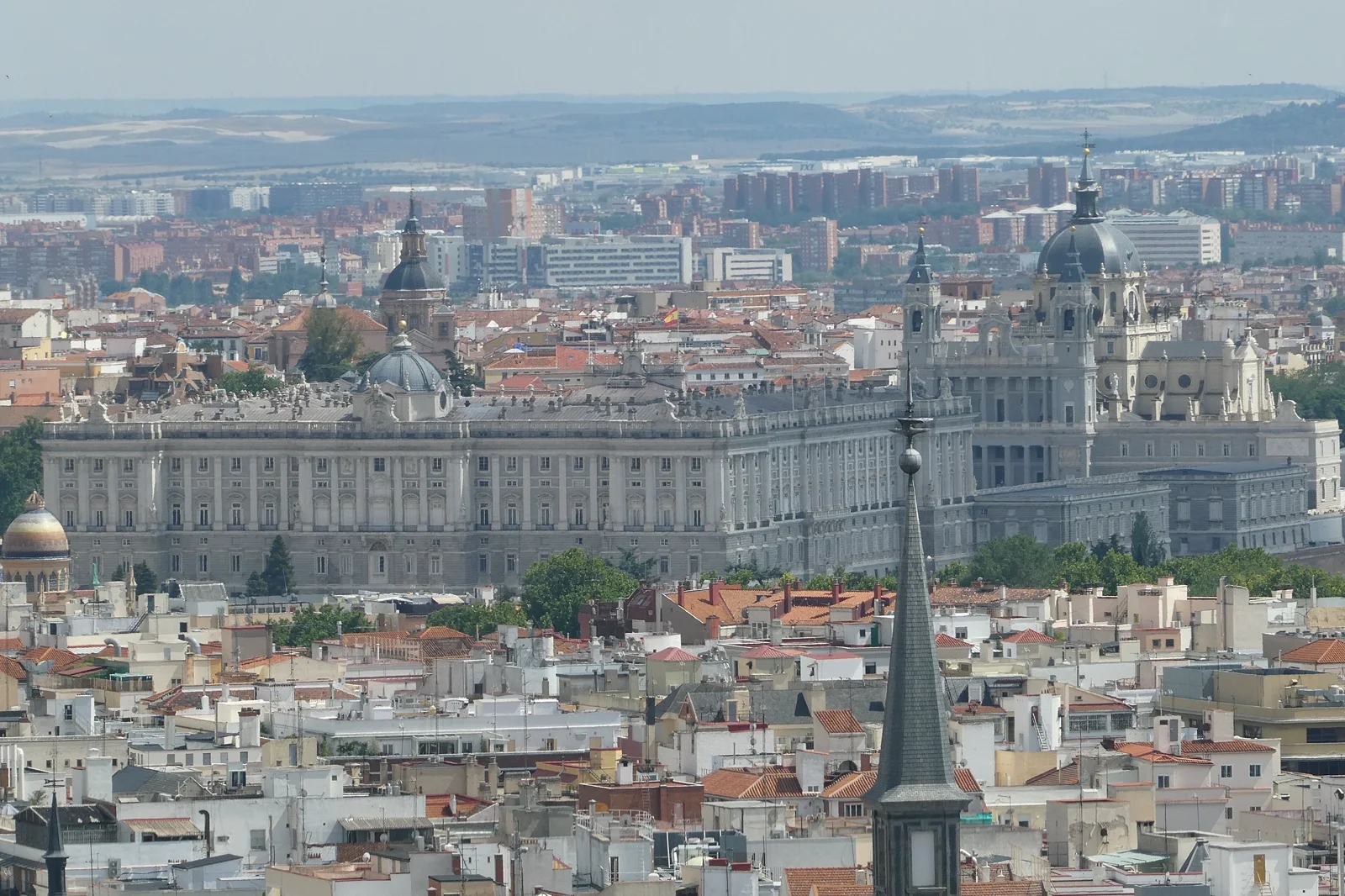
Madrid is a rail hub and a full city stay, not merely a transfer between AVE trains. Use the capital for its own walkable museum, park and palace districts; add a Castilian day trip only when the named station, return train and local onward leg all fit.
Compare the regional routes →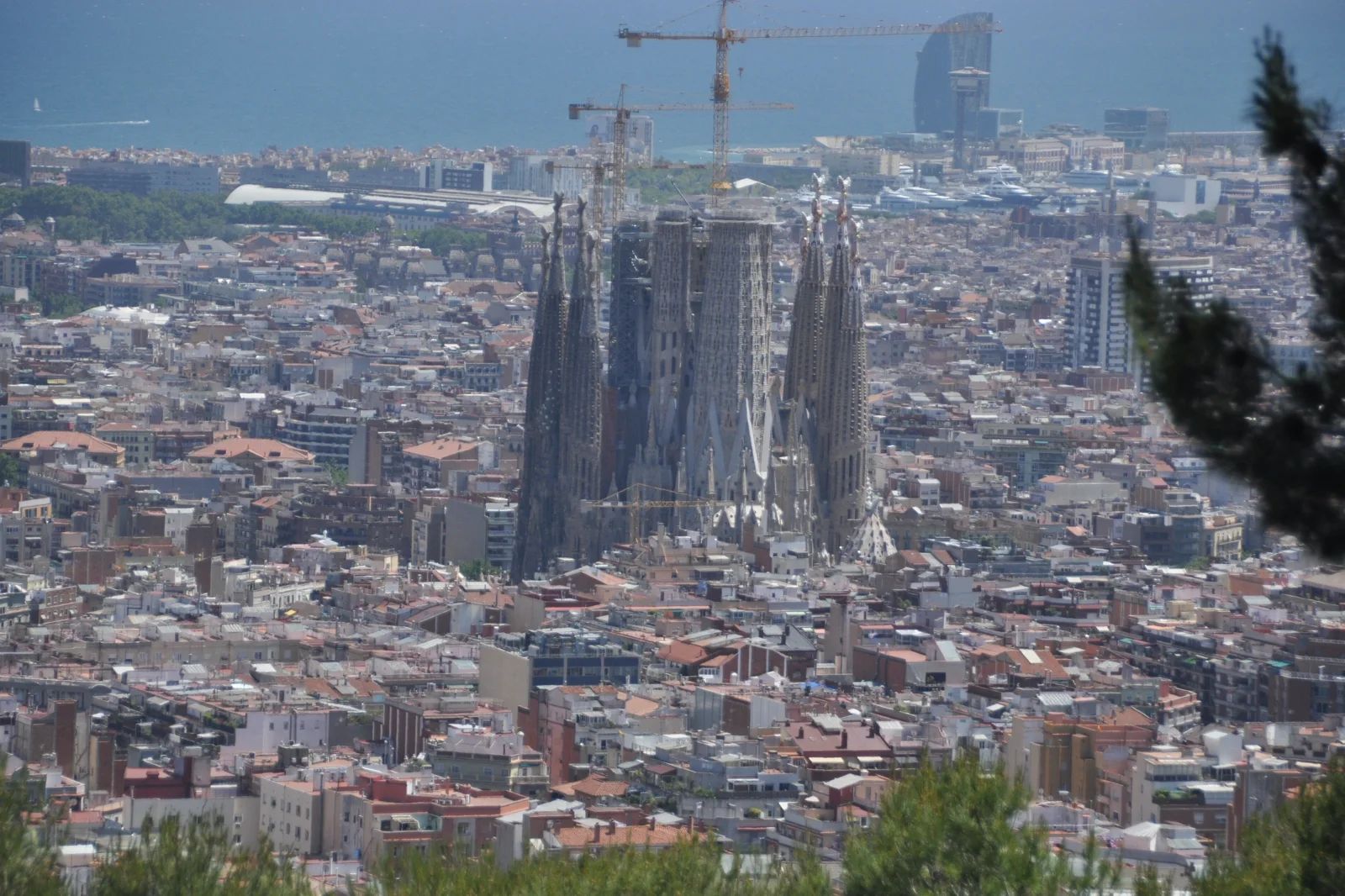
Catalonia & Barcelona
Barcelona rewards a neighbourhood-led stay; Girona and the coast are separate rail and last-mile decisions. AVE access from France or Madrid lands on a city network, while beach, hillside and monument visits still have their own doors and local services.
Compare the regional routes →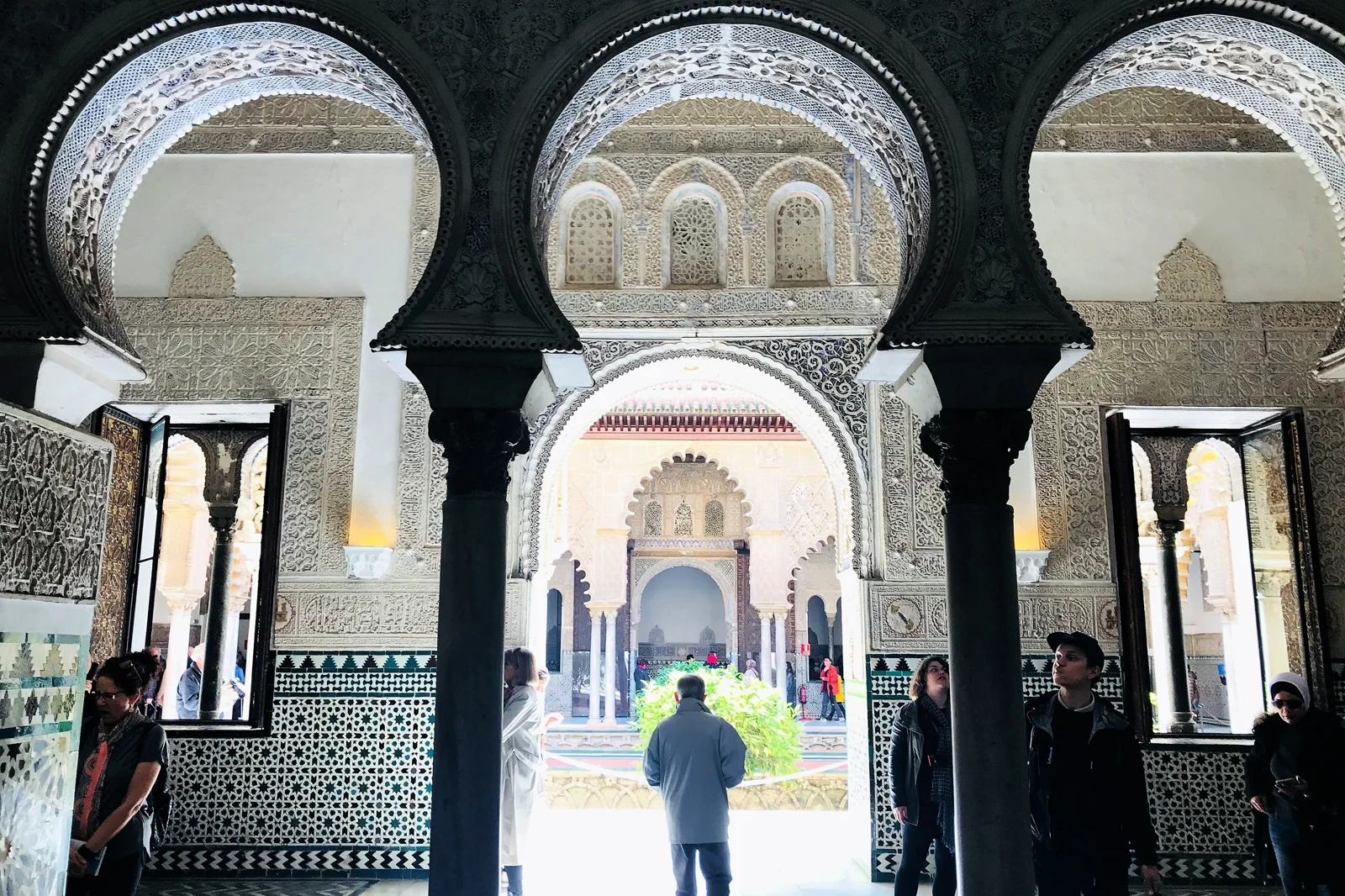
Andalusia: Seville, Córdoba & Granada
Andalusia is not one city itinerary: Seville, Córdoba and Granada each have a rail station, a different local walk and an independent landmark-entry system. Link them by AVE or conventional rail only after checking the named operator, terminal and transfer; summer heat can change how much of each day belongs outdoors.
Compare the regional routes →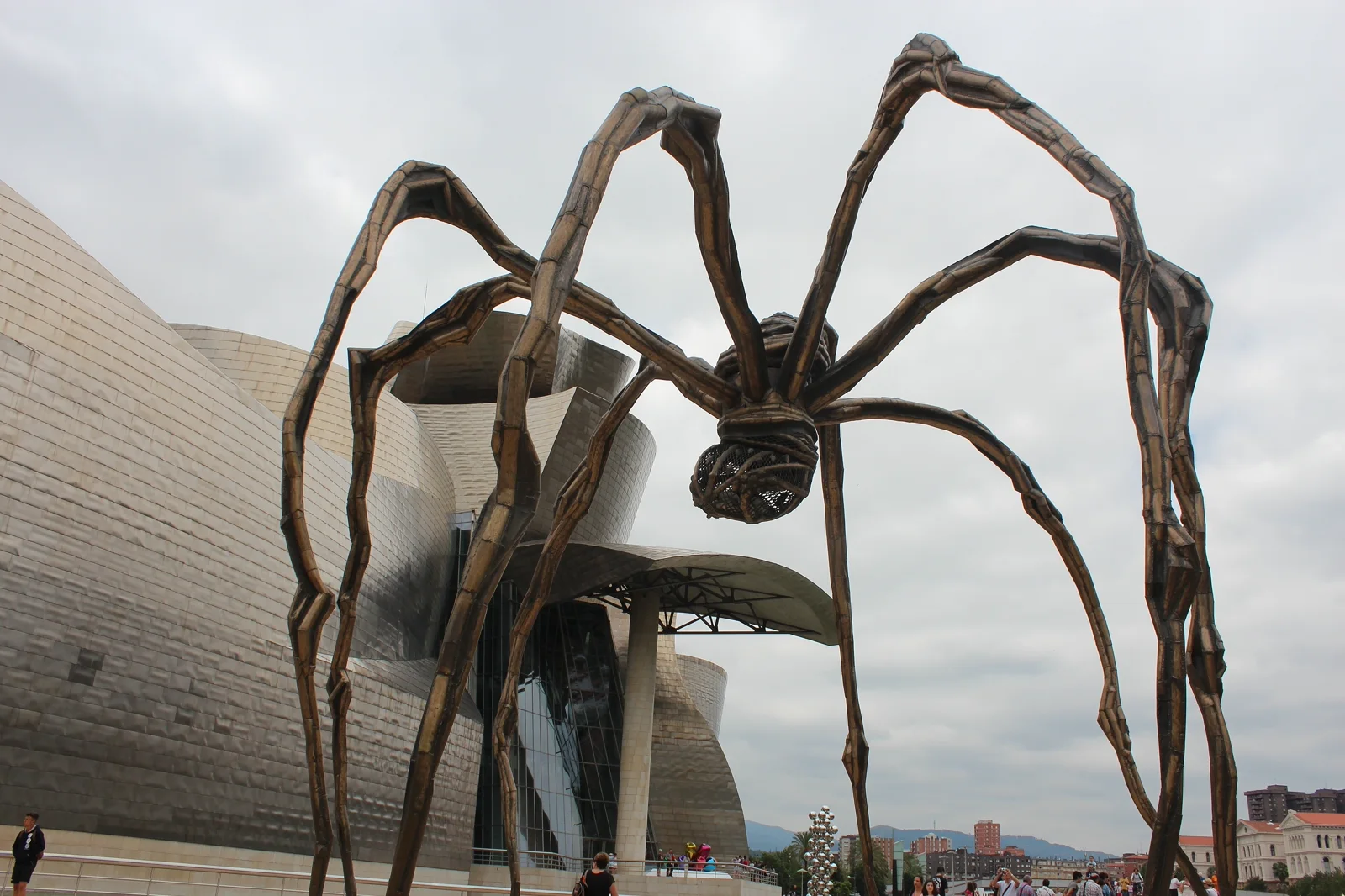
Basque Country: Bilbao, Donostia & the Coast
Bilbao, Donostia-San Sebastián and the smaller coast are linked by a mix of national rail, Euskotren, bus and local streets. The Bay of Biscay brings changing weather and steep coastal paths; choose one city base and treat each rural stop as a separate timetable decision.
Compare the regional routes →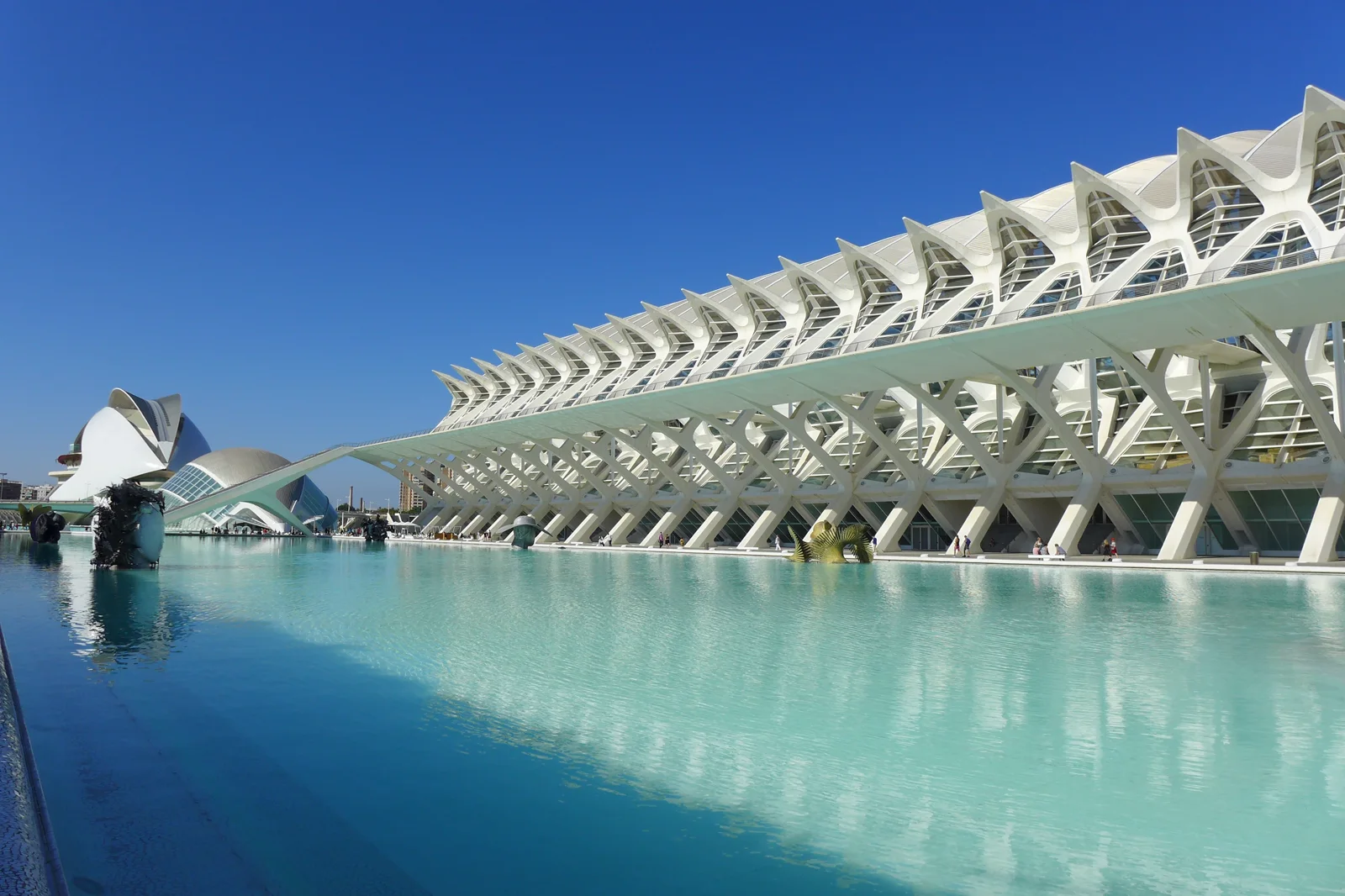
Valencia & the Albufera
Valencia pairs a compact historic centre with a long former riverbed park, eastern cultural district and a separate lagoon-and-rice coast. Metro, tram, bus and walking cover different edges of the city; Albufera is an excursion whose access, boat operation and return deserve a dedicated check.
Compare the regional routes →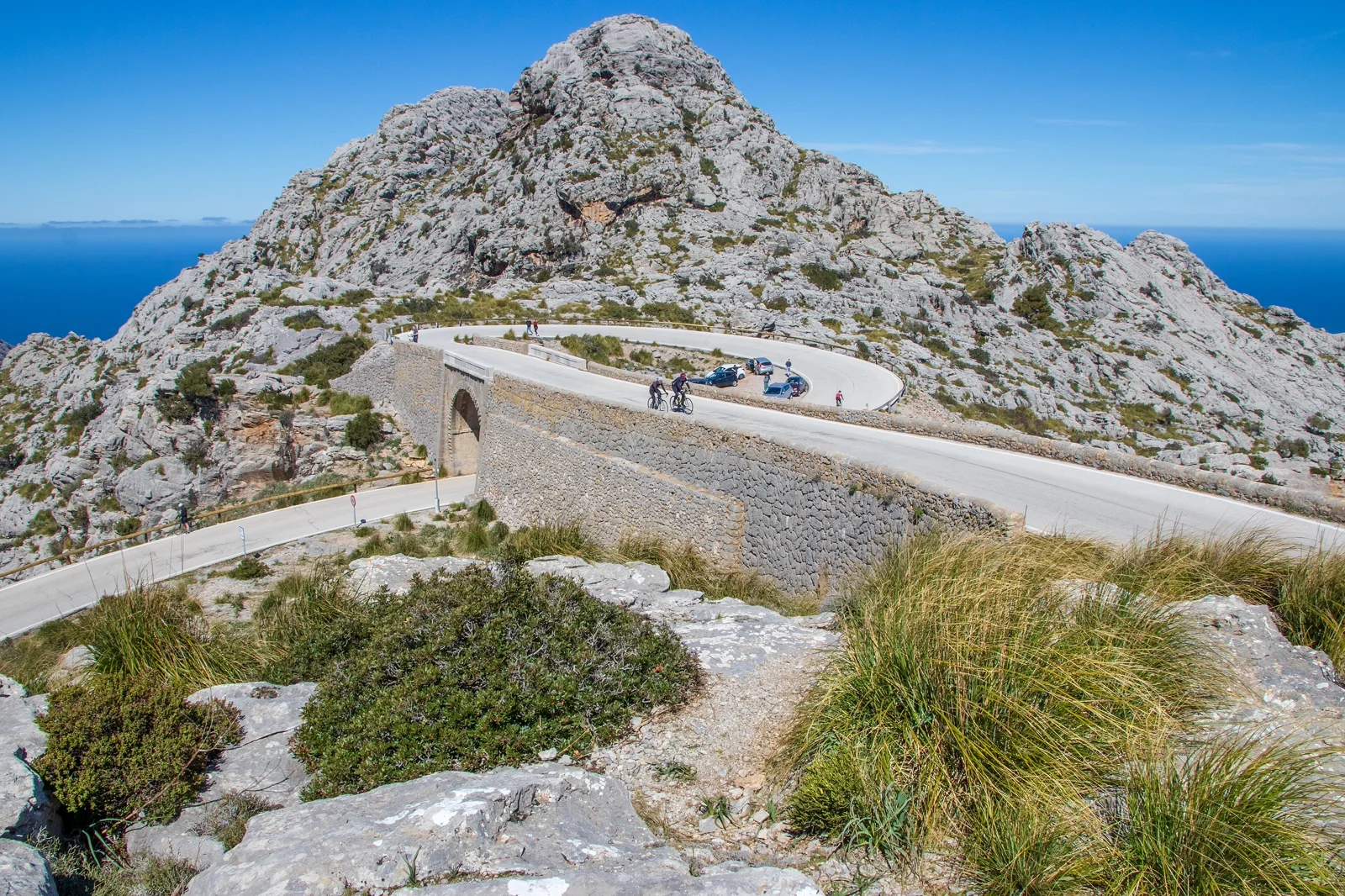
Balearic Islands: Mallorca, Menorca & Ibiza
Mallorca, Menorca and Ibiza are separate island trips with different settlement patterns and ground transport; Formentera is an additional ferry leg from Ibiza. Choose one island for a short stay, then decide whether local bus, rail, rental car or bicycle actually reaches the place you plan to see.
Compare the regional routes →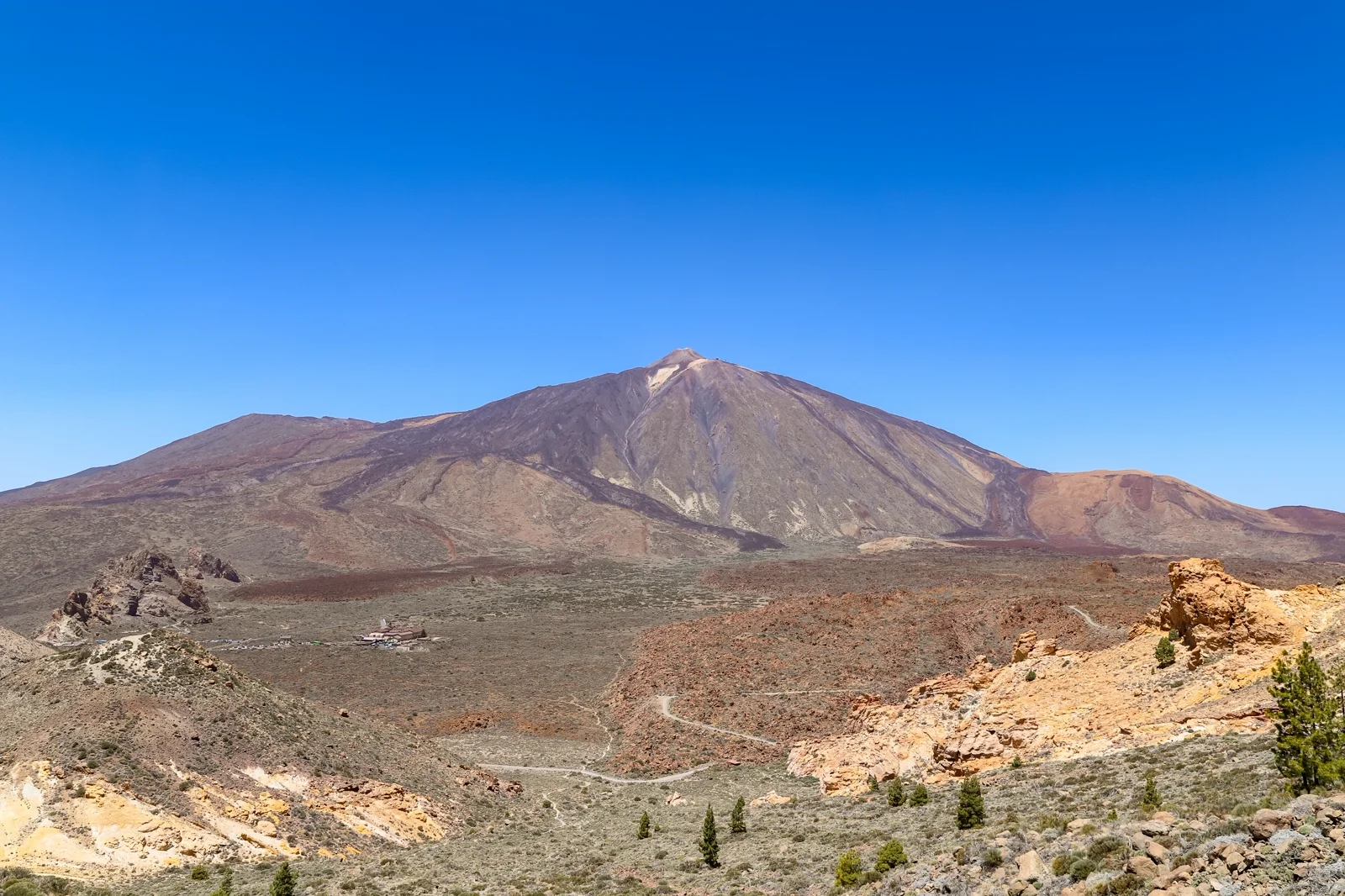
Canary Islands: Tenerife, Gran Canaria & the Eastern Islands
The Canary Islands are several distinct volcanic islands, not one rail-connected destination. Choose a home island by terrain and town mix, then coordinate an inter-island flight or ferry with the port or airport transfer and local road or bus network; weather and elevation can change sharply within one day.
Compare the regional routes →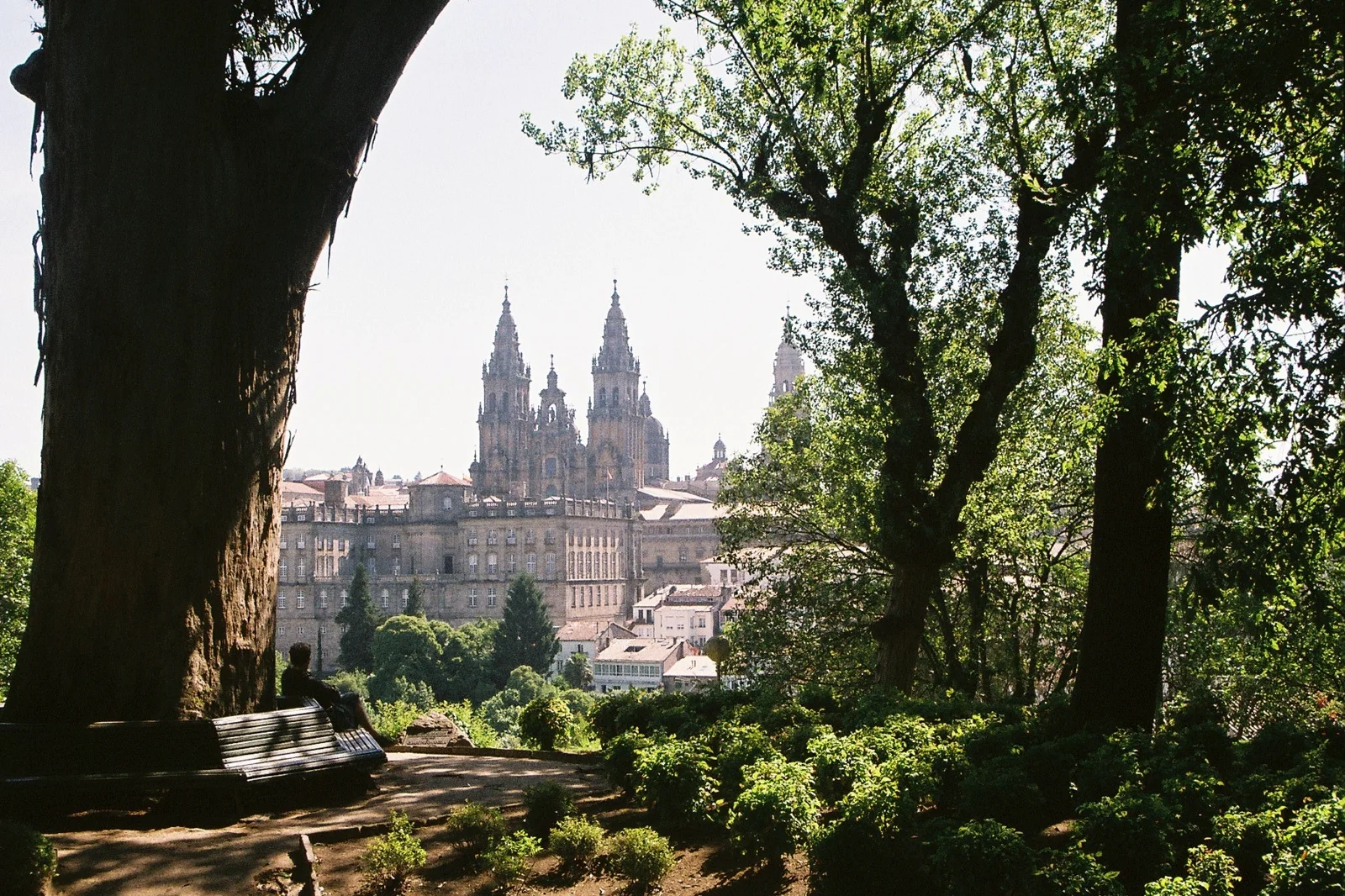
Galicia & Asturias: Atlantic Cities and Green North
Northwestern Spain trades the interior’s heat for Atlantic weather, green valleys and a more dispersed coast. Santiago de Compostela has a strong rail-and-walk centre, while the Rías Baixas and Asturias’ Picos gateways need a dated bus, road or seasonal access plan beyond the mainline station.
Compare the regional routes →Buy the trunk after the endpoints make sense.
Spain’s long-distance rail is useful when its exact station and journey fit the itinerary. It does not replace city transit, a regional train, a dated island boat or a final bus to a beach or mountain town.
AVE and long-distance trains
Use Renfe’s current map and ticket conditions for the named route. Madrid has multiple long-distance terminals; Barcelona Sants, Valencia Joaquín Sorolla, Córdoba and Seville are specific stations. Check the ticket, luggage plan and onward Metro or walk before reserving another leg.
One station is not the whole region
Cercanías, Media Distancia, Euskotren, Metrovalencia, island buses and intercity coaches are separate networks. Confirm operator, start point, service notices and last practical return for the day.
Move exposed walking into cooler hours
In hot inland and southern cities, schedule plazas, waterfront and hills early or late; choose a confirmed indoor visit during peak heat. Check AEMET warnings for the city or elevation, not only the country forecast.
Flights and ferries add a transfer day
Balearic and Canary routes use distinct airports and ports. Add the local transfer, check-in buffer, luggage or vehicle rules and island transport. Save both the outward and return crossing.
Stay long enough to notice the place you chose.
One strong base
Give Madrid, Barcelona, Seville, Granada, Bilbao, Valencia or Palma a real city stay. Add at most one nearby rail day trip; keep arrival and departure days light.
One corridor, two or three bases
Join a sensible mainland line—such as Madrid with Andalusia—or stay in Catalonia and add Girona or one coast town. Count intercity transfer days honestly.
One mainland region plus an island
Leave enough nights for a separate Balearic or Canary base. Choose one island and book the gateway after confirming local transport and seasonal service.
Pick transport after naming the last stop.
City pairs and principal rail hubs usually work better without parking friction. For coves, inland villages and remote trailheads, a car can solve the final gap but adds parking, road and weather constraints.
Car-free works best when
Your base is a major city, the day trip ends at a rail-served town and the station-to-centre walk or bus is clear.
A car earns its place when
The route links dispersed rural stops or a trailhead with no reliable public return. Reserve legal parking and check seasonal road controls.
Choose a slower day when
A train, timed monument and final bus all need to align. Drop one stop or sleep near the coast rather than make an uncertain evening return the hinge.
Frequently asked questions
How many Spanish cities fit into one week?
For seven days, choose one city or a two-city rail corridor with two or three stable nights per base. Madrid–Córdoba–Seville or Barcelona with one nearby rail day trip can work; adding an island or remote coast makes transfer days dominate.
Should I travel by AVE or regional rail?
Use AVE and other high-speed trains for a named long-distance trunk where the station and ticket fit your route. Regional rail, Cercanías, metro, intercity bus and ferry solve different local legs; check the operator and station, then plan the last mile separately.
Is a rental car needed?
Most city centres and major rail corridors work better without a car. A car helps with dispersed villages, rural coast or some island and mountain routes, but restricted centres, parking and seasonal access can make it slower. Choose after naming the exact places.
When is Spain too hot for a walking day?
Heat varies by region and date, but exposed southern and inland cities can become uncomfortable in summer. Put outdoor routes in cooler hours, take an indoor midday break, carry water and follow AEMET warnings for the precise location.
Can I add an island to a mainland itinerary?
Yes, if you budget for an airport or port transfer and a separate flight or ferry. Add the local transfer, check-in buffer and island transport; on a short trip, choose one island rather than several crossings.
Official transport, weather & image sources
Entry, transport, weather and access details can change. Reopen the operator or local authority for your exact date.
- Renfe AVE and long-distance network map.
- Renfe Media Distancia and Avant network map.
- AEMET official weather warnings.
- Official Canary Islands inter-island travel guidance.
- Baleària Balearic routes.
- Royal Palace of Madrid viewed from a distance.jpg — Sheila1988, CC BY-SA 4.0. Resized and cropped to a WebP derivative; changes made. The derivative remains under CC BY-SA 4.0.
- Sagrada familia BCN 01.jpg — Felvalen, CC BY-SA 4.0. Resized and cropped to a WebP derivative; changes made. The derivative remains under CC BY-SA 4.0.
- Alcazar of Seville.jpg — Mervat, CC BY-SA 4.0. Resized and cropped to a WebP derivative; changes made. The derivative remains under CC BY-SA 4.0.
- Guggenheim Museum Bilbao 2016-07 --3.jpg — Zinneke, CC BY-SA 3.0. Resized and cropped to a WebP derivative; changes made. The derivative remains under CC BY-SA 3.0.
- City of Arts and Sciences, Valencia (52395812264).jpg — ChiralJon, CC BY 2.0. Resized and cropped to a WebP derivative; changes made.
- Serra de Tramuntana Mallorca msu 2018-4041.jpg — Matthias Süßen, CC BY-SA 4.0. Resized and cropped to a WebP derivative; changes made. The derivative remains under CC BY-SA 4.0.
- Aerial view of the area Roques de García and Mount Teide volcano on Tenerife, Spain (48225409071).jpg — dronepicr, CC BY 2.0. Resized and cropped to a WebP derivative; changes made.
- Santiago de Compostela Cathedral.jpg — Sudzie, CC BY-SA 4.0. Resized and cropped to a WebP derivative; changes made. The derivative remains under CC BY-SA 4.0.