Pilatus: Summit & Round-Trip Logic
Plan Pilatus as a chain of city transport, mountain railway or cable car and summit weather, choosing a directional round trip only when every link is operating.
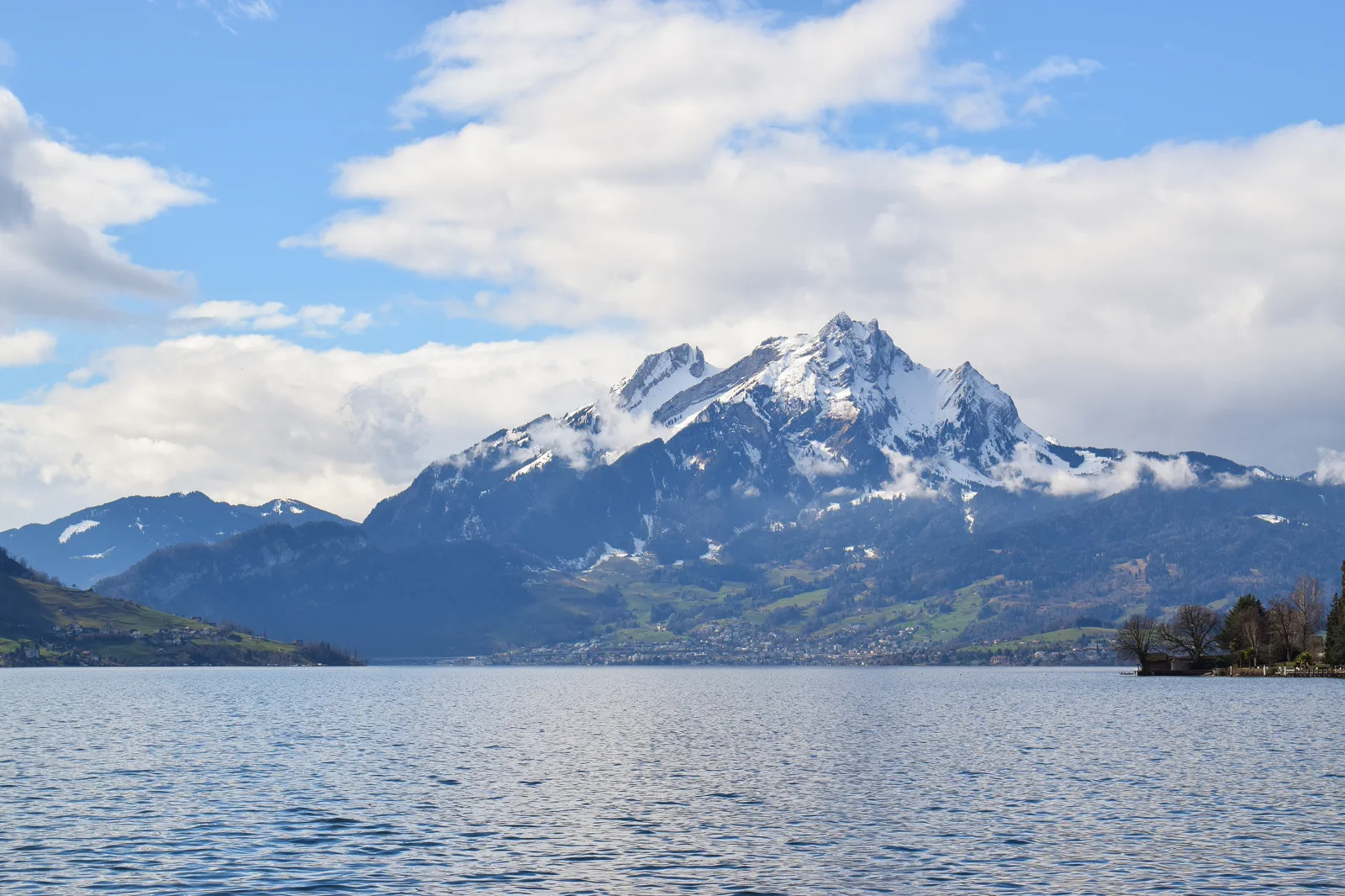
Classic circuit
Ascend one side and descend the other; best when all links operate and the day is clear.
Cableway out-and-back
Simpler logistics from Kriens; useful when the cogwheel side is closed or time is tighter.
Cogwheel out-and-back
Use Alpnachstad when the railway is operating and the ascent itself is part of the attraction.
Know where the day actually begins.
Pilatus is not one station. Depending on season and route, travelers use the Kriens cableway side, the Alpnachstad cogwheel side, or one as ascent and the other as descent. Confirm which branches operate on the travel date before leaving Lucerne.
What this route gives up.
A directional round trip adds variety and lake/rail context but increases dependence on several connections. A simple out-and-back from one side is easier in marginal weather, late starts or when maintenance closes part of the mountain system.
Fit this field guide into Lucerne, Pilatus & Rigi, not into an isolated checklist.
Lucerne combines a compact medieval center with two famous mountain systems and Lake Lucerne boats. The practical question is not “what is best?” but which mountain fits the day’s weather, season and transport preference. Keep one full city block, one mountain block and enough margin to return before the scenic transport becomes a deadline.
Two or three nights let you keep a weather-flexible mountain day. Staying near the station simplifies boats and rail; the old-town side is more atmospheric but luggage movement across bridges can be less direct.
Lucerne station is the rail-and-boat hinge. Pilatus normally combines rail or bus with mountain transport; Rigi can combine boat, cogwheel rail and regional trains. Treat each excursion as a timed chain, not a spontaneous local bus ride.
Lake access is broad, but mountain transport and trails have seasonal maintenance windows. Low cloud can make a high-ticket excursion poor value even when Lucerne itself is pleasant.
If mountain visibility collapses, use Lucerne’s old town, lakefront, museums and a shorter lake-boat sector. Keep the expensive summit excursion for the clearest remaining window.
Arrive, orient, commit, then protect the return.
Check Pilatus-Bahnen operating status, the mountain forecast and SBB connections. Pay special attention to seasonal maintenance and the last descent from the chosen side.
- 01Arrive
Lock the operating map
Before breakfast, confirm which mountain branches run and whether clouds justify the summit.
- 02Orient
Reach the chosen base
Use Lucerne’s city/rail network to reach Kriens or Alpnachstad without assuming the mountain begins beside the main station.
- 03Commit
Spend time above, not in queues
Keep the summit circuit selective and do not add a long hike unless footwear, weather and return time support it.
- 04Return
Descend with margin
Take the planned side down before the last practical connection, then treat Lucerne as the evening reset.
A useful day even when the postcard disappears.
If the summit is in cloud, delay Pilatus and use Lucerne or a lower-elevation lake day. If only one mountain branch is operating, treat that as the itinerary rather than forcing the classic round-trip shape.
Check Pilatus-Bahnen operating status, the mountain forecast and SBB connections. Pay special attention to seasonal maintenance and the last descent from the chosen side.
Change the plan before the problem compounds.
Maintenance windows
Mountain transport does not operate identically all year. Verify each segment, not just “Pilatus open.”
Cloud value
A working lift does not guarantee a useful panorama. Visibility is an itinerary input.
Last descent
Summit time feels open-ended until the transport chain tightens. Save the final safe descent before exploring.
Other ways to use Lucerne, Pilatus & Rigi.
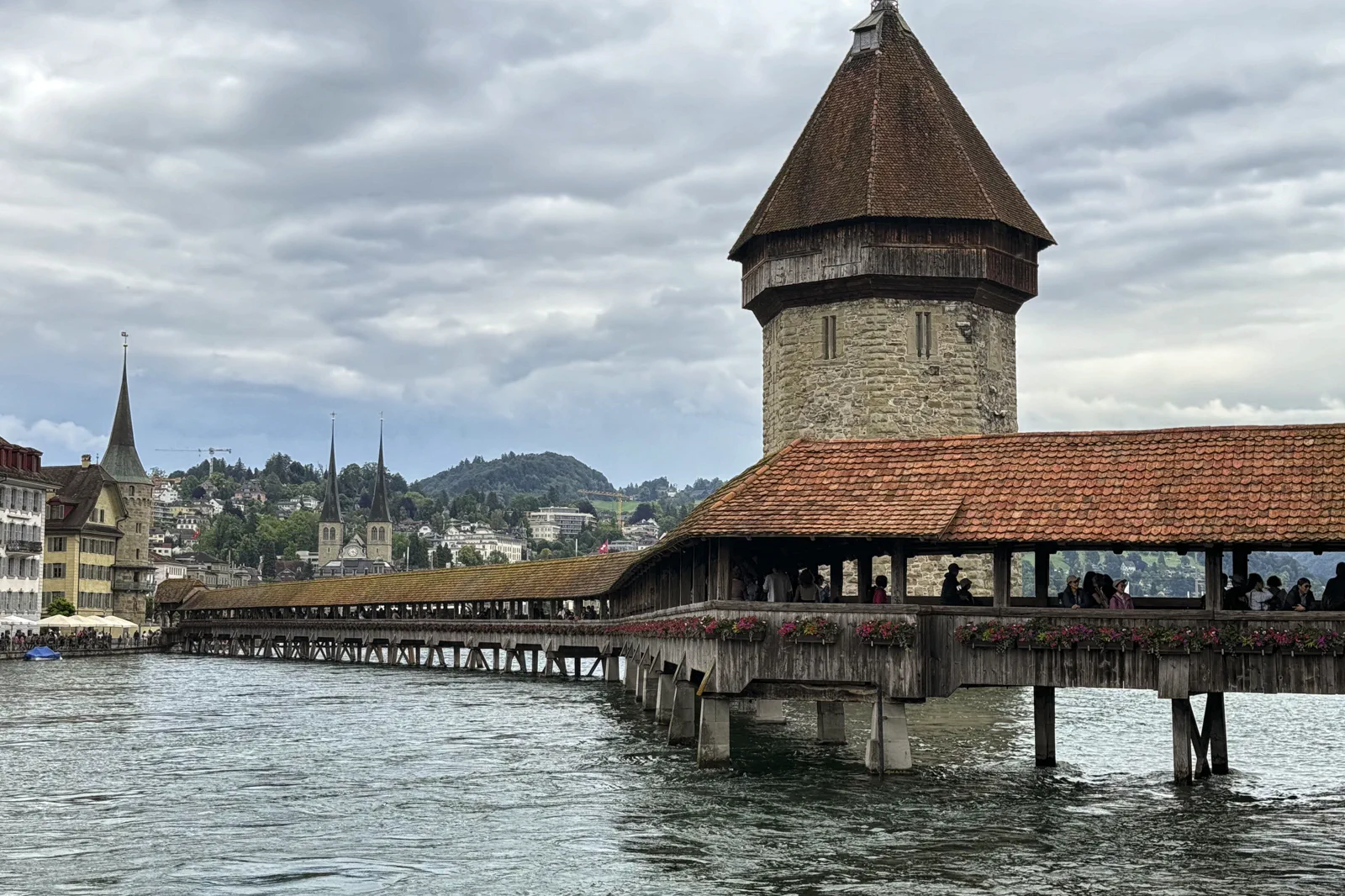
Lucerne Old Town & Lakefront
Build a first Lucerne day around the station, Chapel Bridge, old-town squares, Spreuer Bridge and the lakefront, with…
Open this guide →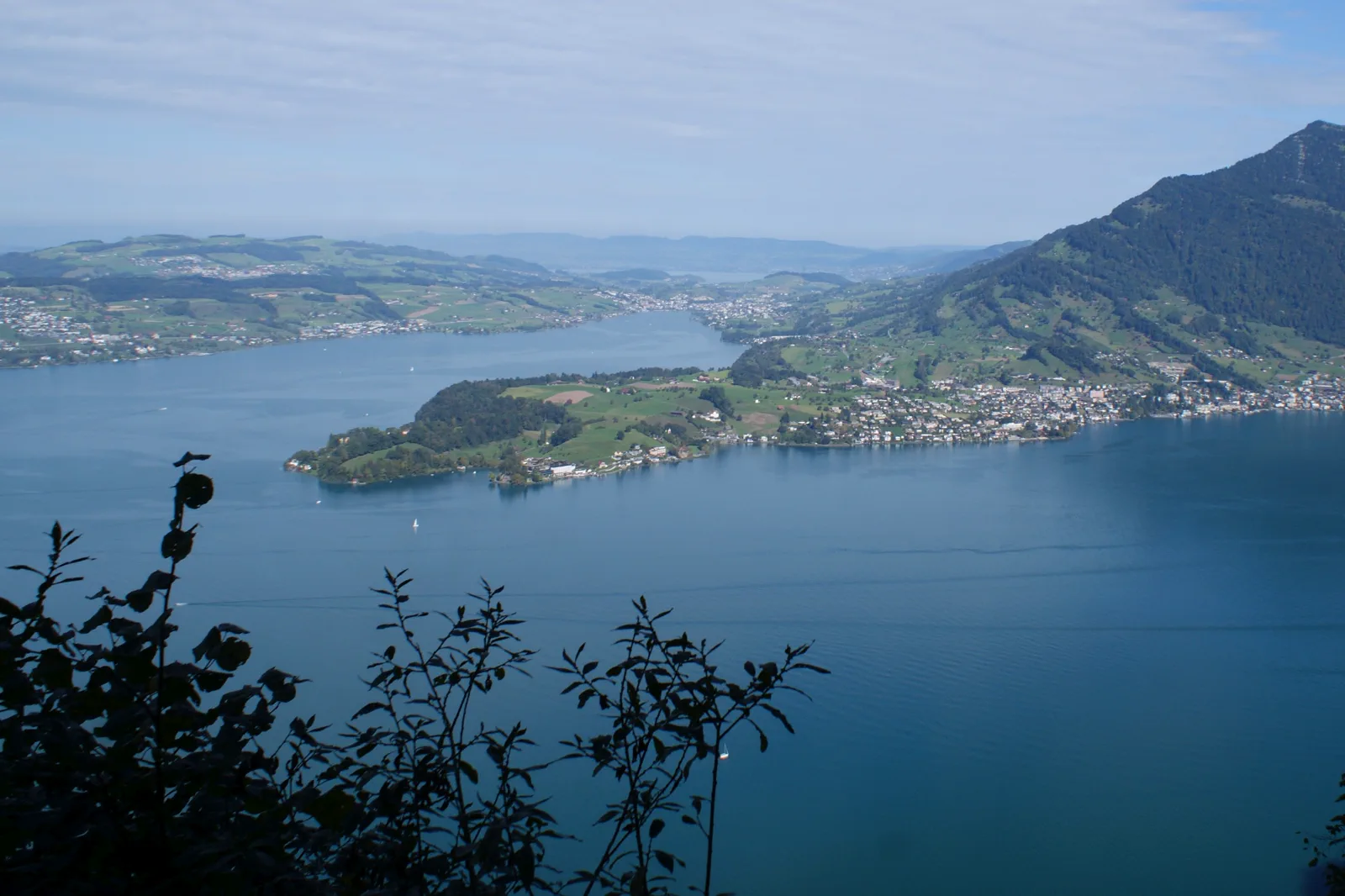
Rigi & Lake Lucerne Circuit
Use Rigi as a lake-and-rail circuit rather than only a summit: choose a boat approach, cogwheel branch and return…
Open this guide →Pilatus: Summit & Round-Trip Logic FAQ
How much time should I give Pilatus: Summit & Round-Trip Logic?
Reserve most of a day for a round trip with summit time. A shorter out-and-back can fit a half day only when connections are clean and you are not adding substantial hiking.
What should I combine with Pilatus: Summit & Round-Trip Logic?
Do not combine Pilatus with Rigi on the same day. Pair it with an evening in Lucerne because the station and lakefront provide a low-stress finish after the descent.
What should I verify before leaving?
Check Pilatus-Bahnen operating status, the mountain forecast and SBB connections. Pay special attention to seasonal maintenance and the last descent from the chosen side.
Official sources and photo credits
Planning facts and image licensing were reviewed on 12 September 2026. Lift, boat, trail, weather and transport conditions can change quickly; verify the linked operator or authority before travel.
- Lucerne Tourism.
- Pilatus-Bahnen.
- Rigi Railways.
- SBB rail planning.
- Chapel Bridge GFgf814.jpg — Gillfoto, CC BY-SA 4.0. Resized, display-cropped and converted to WebP; no other material edits.
- Luzern - Mount Pilatus - March 2019 (01).jpg — Liridon, CC BY-SA 4.0. Resized, display-cropped and converted to WebP; no other material edits.
- View from Buergenstock-Resort (Felsenweg) to Kuessnacht-Hertenstein-Weggis-Rigi (Kulm)-lake Lucerne-02ASD.jpg — Asurnipal, CC BY-SA 4.0. Resized, display-cropped and converted to WebP; no other material edits.