Old Town, Lindenhof & the Limmat
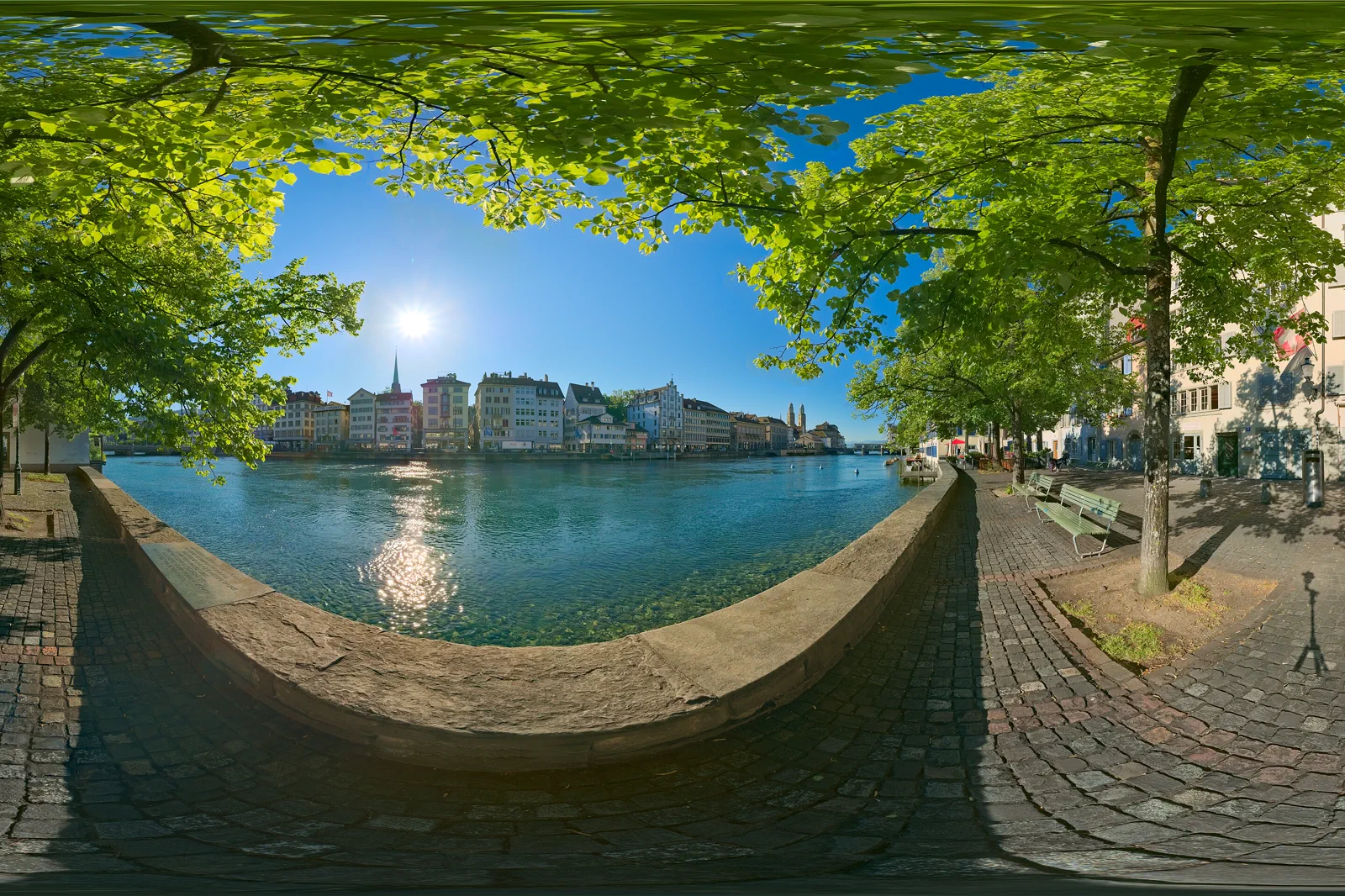
Read central Zurich from the station to both banks of the Limmat, using Lindenhof, Bahnhofstrasse, Niederdorf and the Grossmünster side as one connected but selective first-day route.
Historic spine
Station → Bahnhofstrasse → Lindenhof → river crossings; best when orientation matters more than museums.
Museum-led
Swiss National Museum or Kunsthaus plus a shorter old-town circuit; better in rain or winter darkness.
Evening-led
Save Niederdorf and the Limmat for late afternoon, then finish near Bellevue rather than returning to the station.
Know where the day actually begins.
Start at Zürich HB and walk the Bahnhofstrasse edge toward the river rather than entering every shopping block. The old town is easiest when you treat Rathausbrücke and Münsterbrücke as planned crossings instead of drifting back and forth between both banks.
What this route gives up.
This route gives architectural context, river views and a strong evening finish without transport complexity. It sacrifices the lake’s outer shore and contemporary west Zurich, so it suits an arrival day or a traveler who wants a compact historical core before wider day trips.
Fit this field guide into Zurich & Lake Zurich, not into an isolated checklist.
Zurich works because the main station, old town, lakefront and dense tram network compress a large-city itinerary into short moves. The mistake is treating every district as one continuous walk: choose one city layer, protect the lake weather window, and leave Uetliberg or the western industrial quarter as a deliberate contrast rather than an afterthought.
Two or three nights suit a first visit. Sleep near Zürich HB for early intercity departures, around the old town for evening walks, or near Enge and Wiedikon if lake access matters more than being beside the main station.
Zürich HB is the national rail anchor; trams and S-Bahn handle almost every city move. Airport rail is frequent, while Uetliberg uses the local S-Bahn. Save the exact stop because similar district names can sit on different tram and rail corridors.
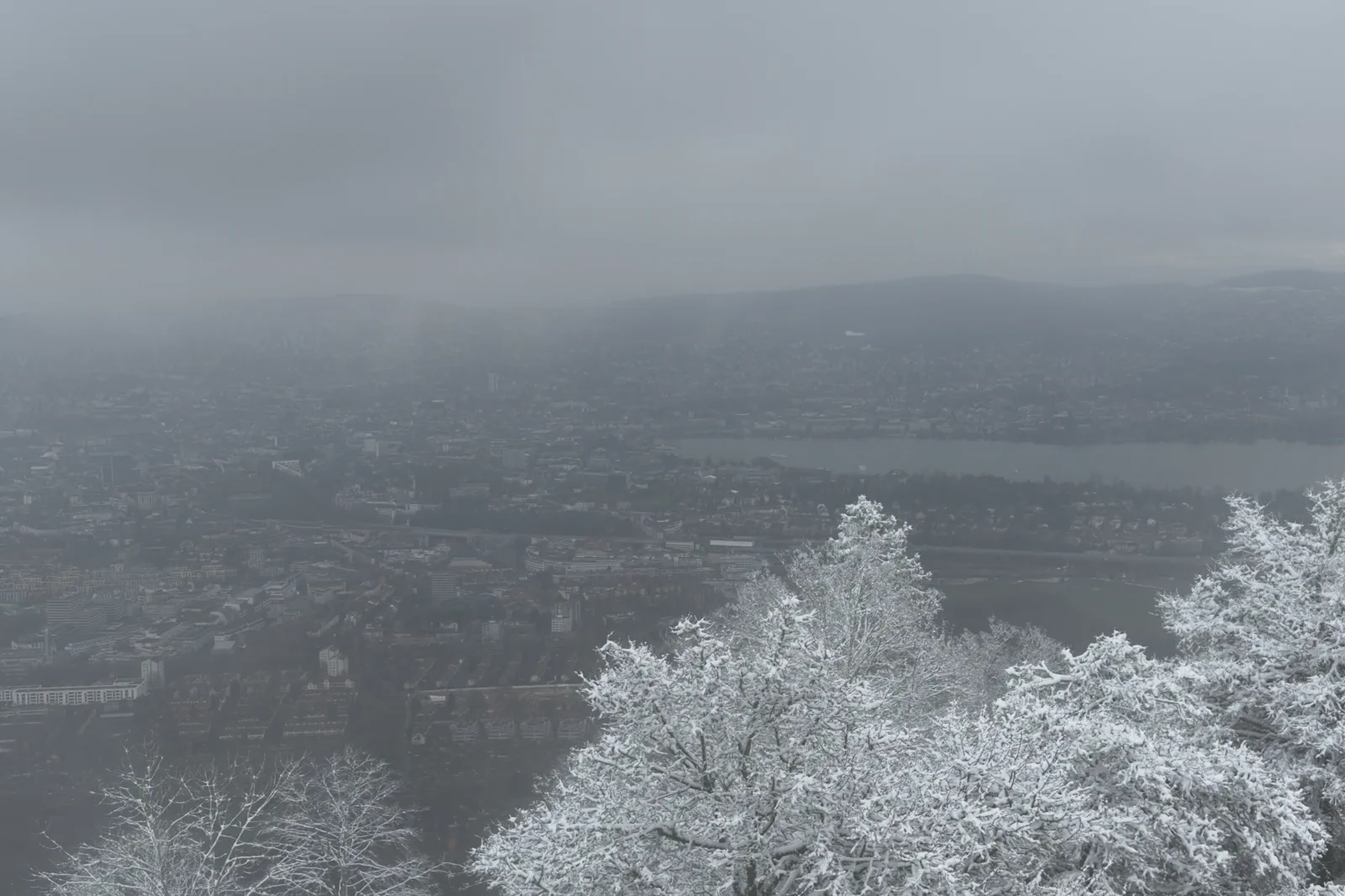
The city is useful year-round. Summer makes lake swimming and boats valuable; winter shortens outdoor time but strengthens museum and café plans. Fog can erase the Uetliberg view even when the city below is dry.
If the lake or ridge disappears into rain or low cloud, compress the day around the Kunsthaus, Swiss National Museum, covered old-town lanes and tram-connected neighborhoods instead of chasing a viewpoint.
Arrive, orient, commit, then protect the return.
Check Kunsthaus or museum opening days if they matter, and use ZVV for any tram shortcut. River walks are flexible, but temporary construction can change the most direct crossing or promenade access.
- 01Arrive
Zürich HB to Lindenhof
Exit toward the old city, use Bahnhofstrasse as a straight orientation line, then climb briefly to Lindenhof for the river and roofline overview.
- 02Orient
Cross the Limmat deliberately
Drop toward the Rathaus area, cross once, and walk the east-bank lanes rather than repeatedly switching sides.
- 03Commit
Grossmünster to Bellevue
Use the cathedral quarter and Münsterbrücke to connect the historic core with the open water at the lake end.
- 04Return
Choose your final bank
Return by tram, Bahnhofstrasse or the Niederdorf side according to dinner and hotel location; avoid needless retracing after dark.
A useful day even when the postcard disappears.
In steady rain, shorten the river sections and use the Swiss National Museum, Kunsthaus or café stops to bridge between old-town segments. The route still works because the tram network can remove most exposed walking.
Check Kunsthaus or museum opening days if they matter, and use ZVV for any tram shortcut. River walks are flexible, but temporary construction can change the most direct crossing or promenade access.
Change the plan before the problem compounds.
Old-town overload
Churches, lanes and viewpoints blur together if every side street becomes a stop. Choose two interiors and keep the rest as movement.
Sunday rhythm
Retail opening patterns differ from sightseeing. Do not build a Sunday plan around ordinary shopping hours.
Cobblestone fatigue
The historic core is compact but uneven. Use trams to remove the return walk if mobility or weather makes the final kilometer the least useful part.
Other ways to use Zurich & Lake Zurich.
Lake Zurich & Uetliberg
Choose between the lake and Zurich’s local ridge according to visibility, then connect Bellevue, the lakeside parks…
Open this guide →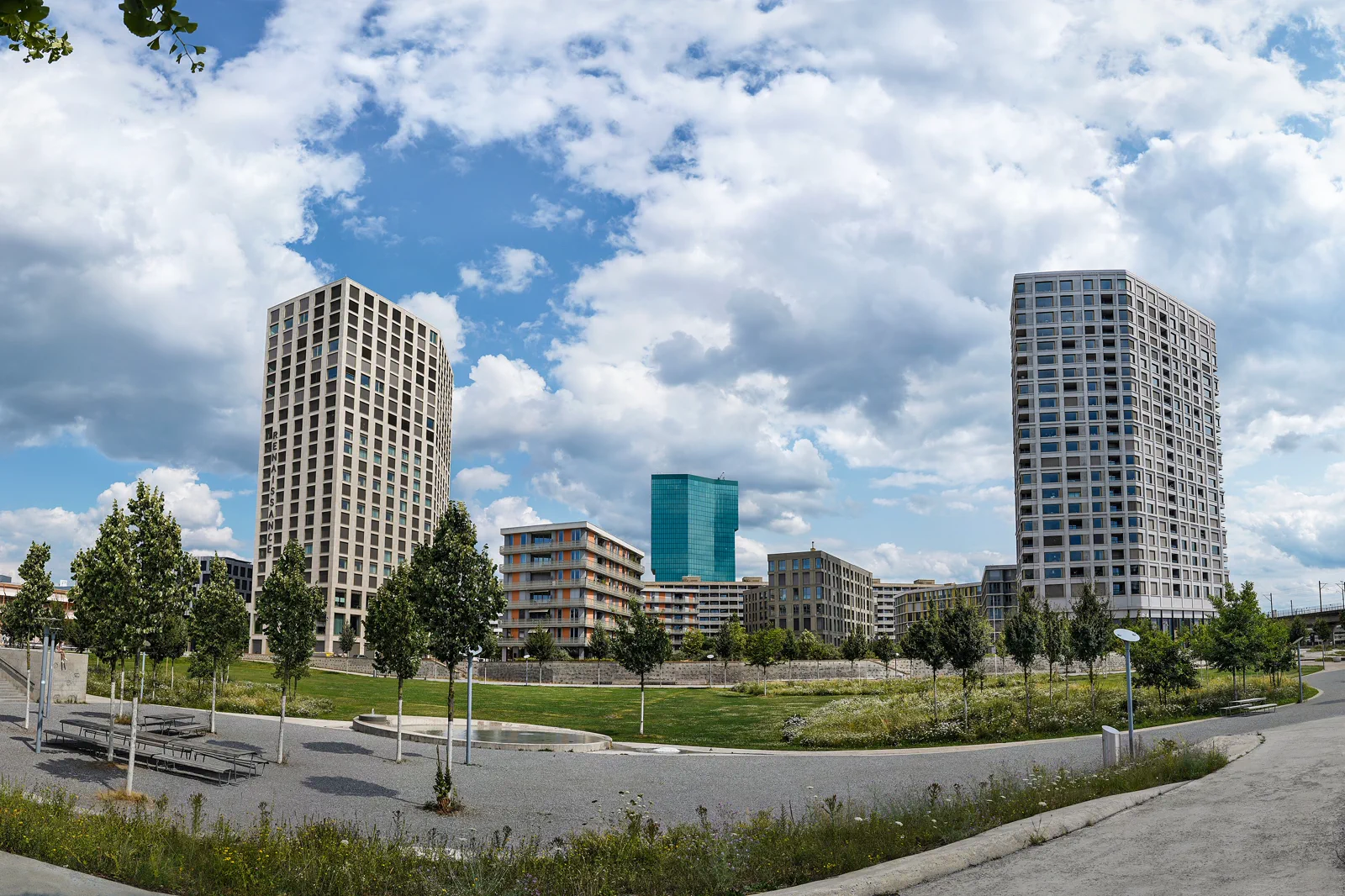
Zurich West & Museum Quarter
Use Zurich West to see the city beyond the postcard core: converted rail arches, design and food spaces, contemporary…
Open this guide →Old Town, Lindenhof & the Limmat FAQ
How much time should I give Old Town, Lindenhof & the Limmat?
Allow four to six hours for a deliberate first pass; add a museum only if you are willing to drop part of Bahnhofstrasse or Niederdorf rather than stacking everything into one block.
What should I combine with Old Town, Lindenhof & the Limmat?
Pair it with the lakefront only when the weather is clear and you still have energy. Keep Uetliberg or Zurich West for another half day because both change the city’s scale and transport logic.
What should I verify before leaving?
Check Kunsthaus or museum opening days if they matter, and use ZVV for any tram shortcut. River walks are flexible, but temporary construction can change the most direct crossing or promenade access.
Official sources and photo credits
Planning facts and image licensing were reviewed on 12 September 2026. Lift, boat, trail, weather and transport conditions can change quickly; verify the linked operator or authority before travel.
- Zurich Tourism.
- ZVV public transport.
- SBB rail planning.
- City of Zurich — tourism information.
- Zürich Limmat panosphere 20220614.jpg — Daniel Kraft, CC BY-SA 3.0. Resized, display-cropped and converted to WebP; no other material edits.
- Snowy panorama of Zurich from Uetliberg 2026.JPG — Mike is Michi, CC BY-SA 4.0. Resized, display-cropped and converted to WebP; no other material edits.
- Mobimo Tower. Zölly Wohnhochhaus. Zürich West.jpg — Photones, CC BY-SA 4.0. Resized, display-cropped and converted to WebP; no other material edits.