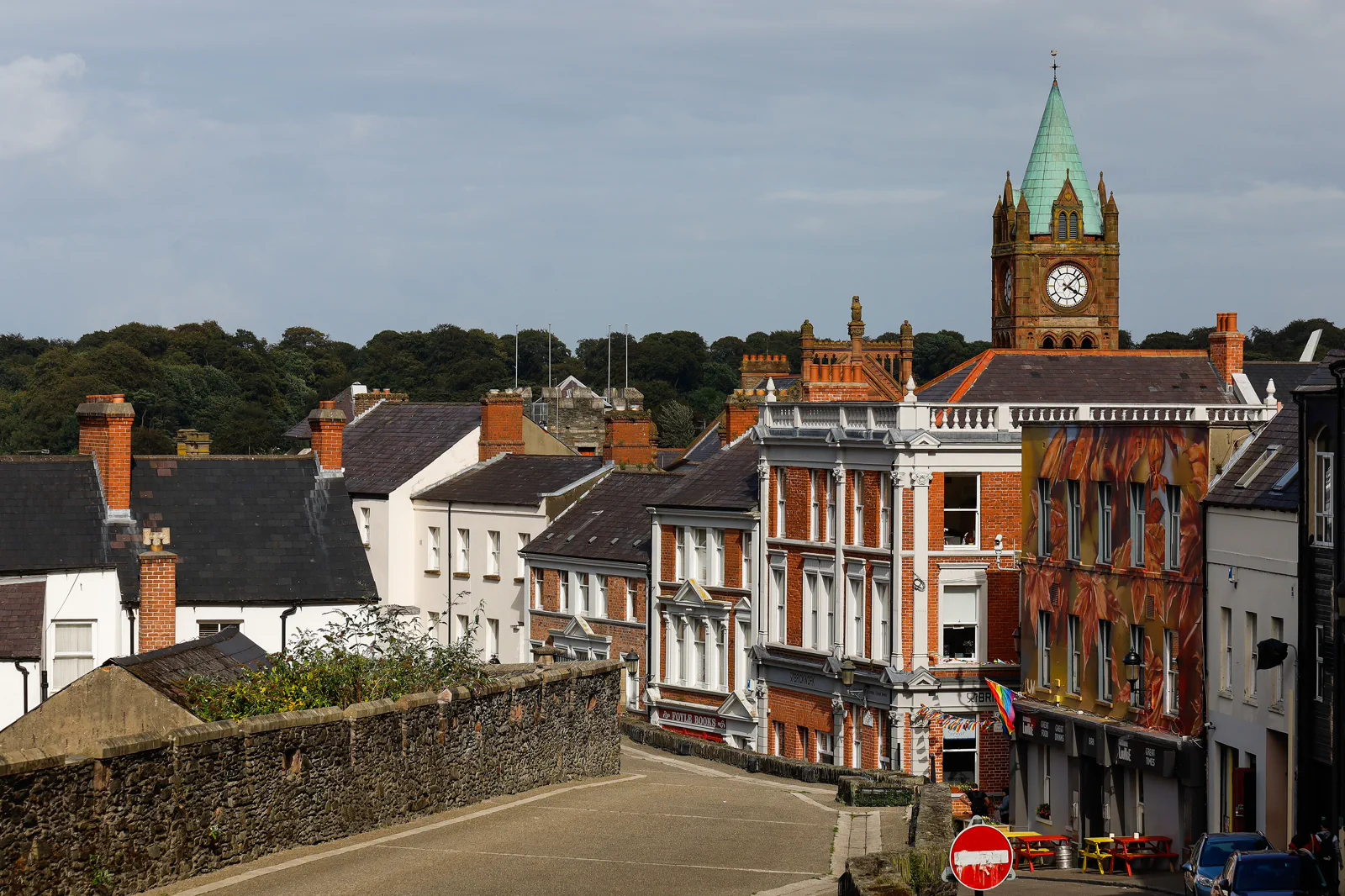
Derry Walls, Bogside & River Foyle
Arrive at the bus or rail gateway, complete a one-direction wall circuit, descend for one context-rich institution, and finish at Guildhall or the Peace Bridge.
Three useful choices, each with a real sacrifice.
Walls and plantation city
Use the complete walls, gates and central institutions as the main argument. This gives the clearest urban form and broad historical frame.
Bogside and civil-rights history
Use the Museum of Free Derry or a reputable guided route with time for context and reflection. This is essential history, not a photo checklist.
River Foyle and civic city
Connect Guildhall, Peace Bridge and riverside institutions with a shorter wall section. It offers a contemporary city view and easier gradients.
Meet the day at its real gateway.
Derry rail station lies across the Foyle from the walled city and connects by local transport or the Peace Bridge route; bus arrivals may be closer to the centre. Wall access includes stairs. Identify the first gate and final river or station connection before climbing.
Know what this route leaves out.
A complete wall circuit, deep recent-history museum and long river route exceed a short visit. Choosing interpretation sacrifices some wall distance; choosing the whole walls keeps the Bogside visit focused and respectful.
Use Belfast, Causeway Coast & Derry as an operating system, not a pin collection.
Belfast’s civic quarters and Maritime Mile are urban transit days; the Causeway Coast is a rail-and-bus or road corridor; Derry is a separate walled city whose recent history requires careful, site-led interpretation. Combining them works across several nights, not as a single highlights loop.
Four to six nights supports two Belfast districts, a coast day and Derry. Belfast is the best transport base for the east and coast; an overnight in Derry protects the western city from a rushed same-day return.
Translink integrates many trains and buses, but Belfast stations and bus centres serve different corridors. Causeway sites require a named stop and final connection. Cross-border or ferry arrivals have separate terminals and should not be tied to a tight onward ticket.
Rain and wind can reshape the coast year-round. Summer improves daylight and visitor services but raises Giant’s Causeway pressure. Belfast and Derry have strong indoor alternatives; public events and parades can change streets and transport.
Use a complete Belfast or Derry museum-and-street day when coast weather or transport fails. Do not move to another exposed cliff site merely because the bus continues.
Arrive, read the window, commit once, then get back.
Check Museum of Free Derry and Guildhall access, wall notices, Translink rail or bus service, public events and weather before departure.
- 01Arrive
Enter at a named gate
Approach from the bus centre or across the Foyle and choose the wall direction, noting step-free streets and the final station route.
- 02Read the window
Read the complete urban frame
Follow one wall arc or circuit, using gates and viewpoints to understand the city’s layers before descending.
- 03Commit
Commit to one context institution
Visit the Museum of Free Derry, Guildhall or another established institution. Give testimony and interpretation enough time.
- 04Return
Finish at the river or civic centre
Use Guildhall Square and the Peace Bridge or a direct bus route, ending near the planned return without recircling the walls.
Reopen the sources that control today’s window.
The guide explains the route decision; these official pages control transport, admission, paths, tides, weather and closures.
Keep a complete lower-risk day.
If walls are slippery or closed, use street-level gates, Guildhall, the museum and Peace Bridge. If a guided route is unavailable, use the established institution rather than wandering residential streets for images.
Check Museum of Free Derry and Guildhall access, wall notices, Translink rail or bus service, public events and weather before departure.
Change the plan while the return is still strong.
Living history deserves care
Follow museum and community guidance, avoid intrusive photography and do not treat residential murals as entertainment.
The rail station is across the river
Include the bridge or local transfer in both directions. Do not use the departure time as the moment to leave the walls.
Walls include stairs and exposure
Wet stone, wind and access closures can make a full circuit unsuitable. Use the civic street alternative.
Other ways to use Belfast, Causeway Coast & Derry.
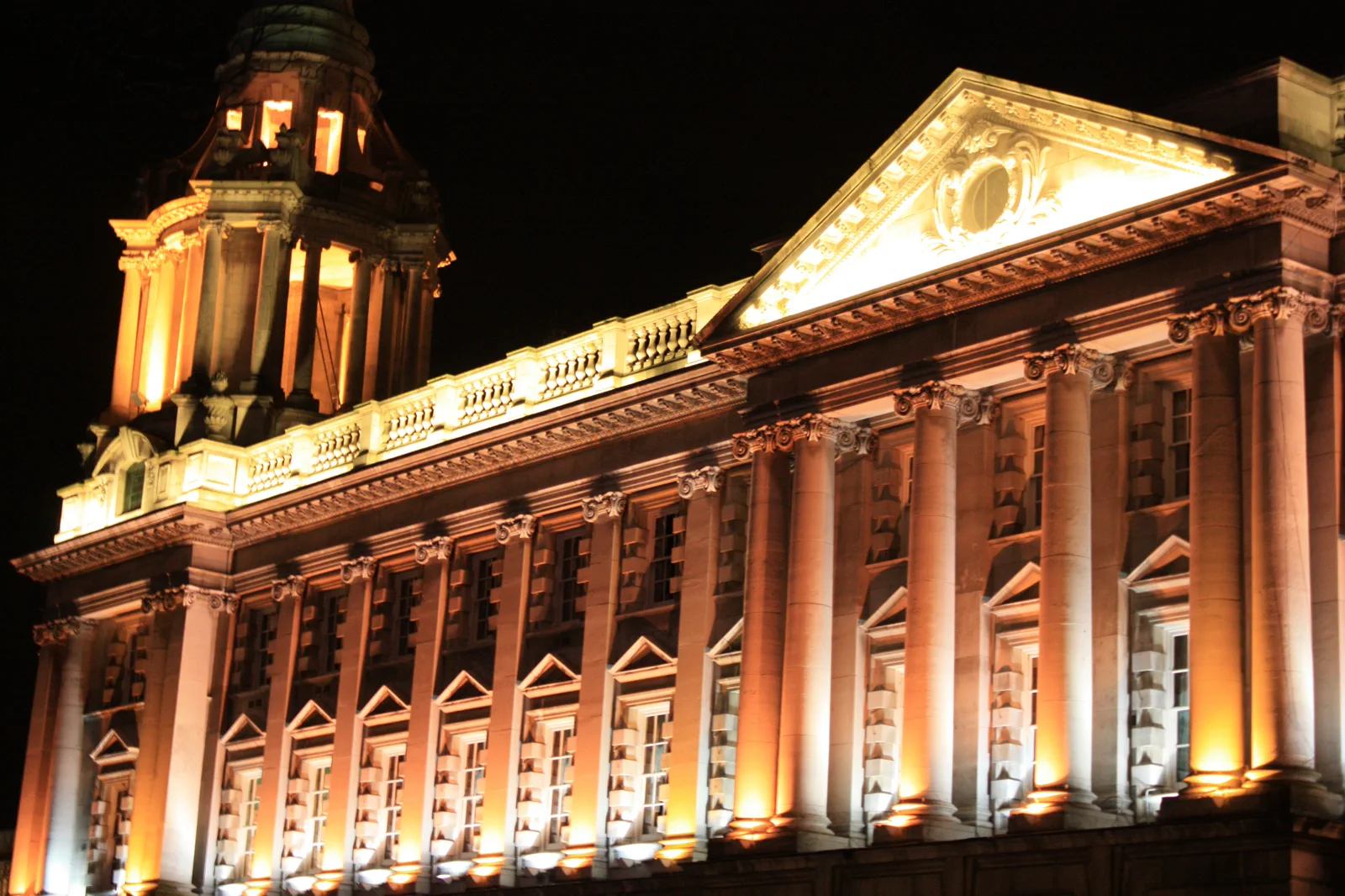
Belfast Civic Quarter & Maritime Mile
Choose Belfast’s civic centre, recent-history institutions or Maritime Mile as the main layer and use one deliberate river…
Open this field file →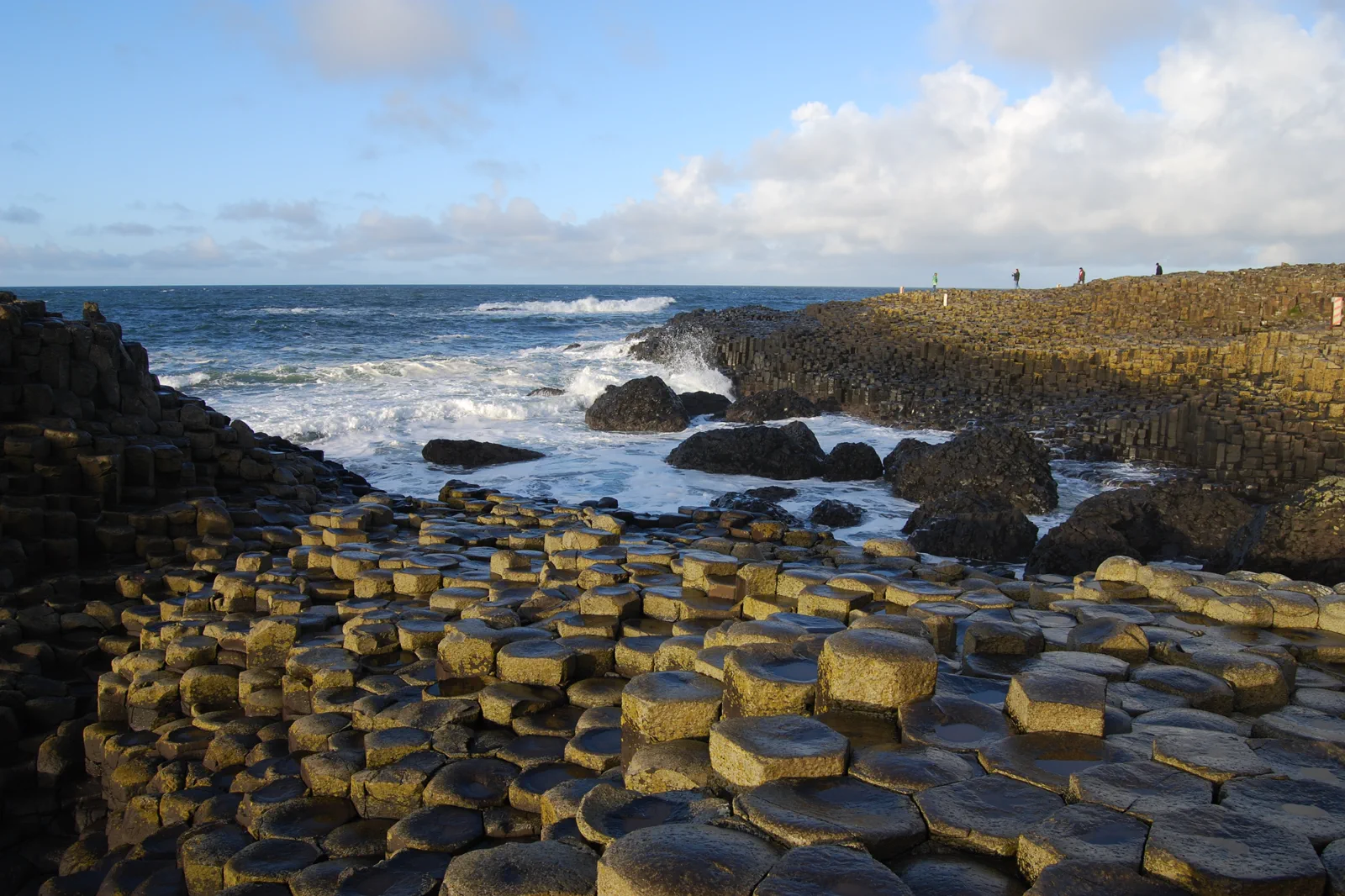
Giant’s Causeway & the Causeway Coast
Choose the Giant’s Causeway as the anchor and add at most one coast stop supported by the actual rail-and-bus or road…
Open this field file →Derry Walls, Bogside & River Foyle FAQ
How much time should I give Derry Walls, Bogside & River Foyle?
Allow six to eight hours for walls, one major interpretation site and the river. A focused walls-and-Guildhall stop can fit four hours.
What should I combine with Derry Walls, Bogside & River Foyle?
Combine the walls with one recent-history institution or the civic centre with the Peace Bridge. Keep Belfast and the Causeway Coast for separate days.
What should I verify before leaving?
Check Museum of Free Derry and Guildhall access, wall notices, Translink rail or bus service, public events and weather before departure.
Official sources and photo credits
Planning facts and image licensing were reviewed on 20 September 2026. Admission, transport, roads, paths, tides, weather and local access can change; reopen the linked authority or operator before travel.
- Visit Derry — official destination guide.
- Museum of Free Derry — official visitor information.
- Discover Northern Ireland — official destination guide.
- Translink — official rail and bus information.
- Met Office — Belfast and Northern Ireland forecasts.
- Belfast City Hall (05), December 2009.JPG — Ardfern, CC BY-SA 3.0. Resized, display-cropped and converted to WebP; no other material edits.
- Giant's Causeway (14).JPG — Chmee2, CC BY 3.0. Resized, display-cropped and converted to WebP; no other material edits.
- Derry Magazine Street 2019 08 29.jpg — Andreas F. Borchert, CC BY-SA 4.0. Resized, display-cropped and converted to WebP; no other material edits.