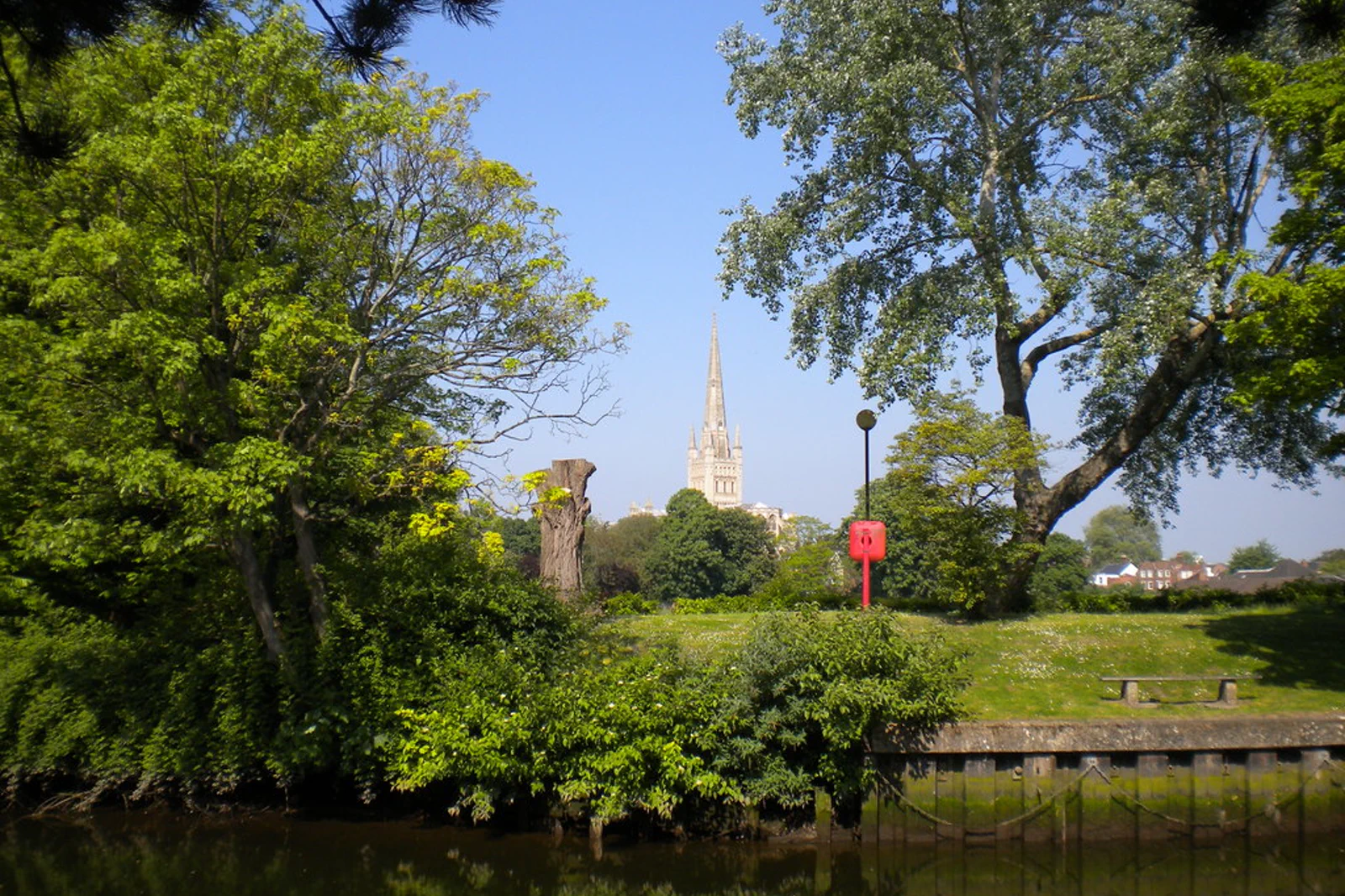
Norwich & a North Norfolk Branch
Walk Norwich’s castle-to-cathedral spine first, then either keep the complete city day or use one verified rail or bus branch with its final return protected.
Three useful choices, each with a real sacrifice.
Norwich city depth
Give the cathedral close, castle area, market and lanes the full day. This provides the strongest city narrative and the most reliable poor-weather plan.
Broads gateway
Use a rail-served gateway such as Wroxham for a verified boat or waterside plan. This adds water landscape but gives up much of central Norwich.
North coast branch
Choose one rail or bus-linked coast town and accept the longer connection. It offers sea landscape but is the least compatible with a full city visit.
Meet the day at its real gateway.
Norwich station is east of the central lanes across the Wensum. Coast and Broads branches depart by specific rail or bus corridors, not from every city stop. Check the exact interchange and final return before beginning the Norwich walk.
Know what this route leaves out.
A complete Norwich city day and a meaningful coast excursion are separate products. The branch gains landscape but sacrifices the cathedral, castle and market depth; staying in Norwich gives up the coast but avoids timetable pressure.
Use Cambridge & East Anglia as an operating system, not a pin collection.
Cambridge, Ely and Norwich sit on useful rail lines, but their stations, historic cores and surrounding fen or coast landscapes operate at different scales. A good plan distinguishes a walkable academic city from a cathedral stop and a wider East Anglian excursion with its own onward connection.
Two nights in Cambridge supports the university city and Ely; three or four nights permits Norwich or a selected coast branch without turning every day into a London commute. Norwich can also function as a separate base for northern Norfolk.
Cambridge station is south-east of the colleges, Cambridge North serves a different edge and Ely station sits below the cathedral core. Greater Anglia routes are useful but do not remove the final walk or rural bus; check engineering works, especially at weekends.
College access follows academic use, while fen paths, river activities and coast services respond to weather and daylight. Summer brings punting and visitor pressure; winter gives clear urban days but shorter rural returns.
When college access or an outdoor branch fails, Cambridge and Norwich both have complete museum-led alternatives. Keep the fallback in the same rail city rather than chasing a distant village.
Arrive, read the window, commit once, then get back.
Check cathedral and museum access, Greater Anglia or bus service, any boat booking and the final return from the chosen branch on the actual travel date.
- 01Arrive
Cross from the station
Follow the river or Prince of Wales Road toward the cathedral quarter, recording the station return. Do not detour into the centre before confirming the branch decision.
- 02Read the window
Read the historic spine
Connect the cathedral close, Elm Hill and market or castle area in one direction. Keep one interior as the anchor.
- 03Commit
Commit to city or branch
Stay for collections and lanes or return to the correct station or bus point for the verified outward service. Never improvise both Broads and coast.
- 04Return
Protect the final connection
End near Norwich station or the selected branch’s return stop with a service in reserve. Rural evening alternatives can be limited.
Reopen the sources that control today’s window.
The guide explains the route decision; these official pages control transport, admission, paths, tides, weather and closures.
Keep a complete lower-risk day.
If the branch is disrupted, Norwich remains complete through the cathedral, museum, market and covered or compact lanes. If a city interior closes, use the river and cathedral-close public realm rather than boarding an unresearched bus.
Check cathedral and museum access, Greater Anglia or bus service, any boat booking and the final return from the chosen branch on the actual travel date.
Change the plan while the return is still strong.
Norfolk branches diverge
Broads, Cromer, Sheringham and other coast points use different services. A single “Norfolk” timetable does not cover the whole plan.
Boat times create a second booking
A train arrival does not guarantee a useful cruise connection. Confirm operator, landing and return independently.
City hills are easy to overlook
The station, cathedral and market sit on different levels. Preserve energy for the climb back or choose a bus intentionally.
Other ways to use Cambridge & East Anglia.
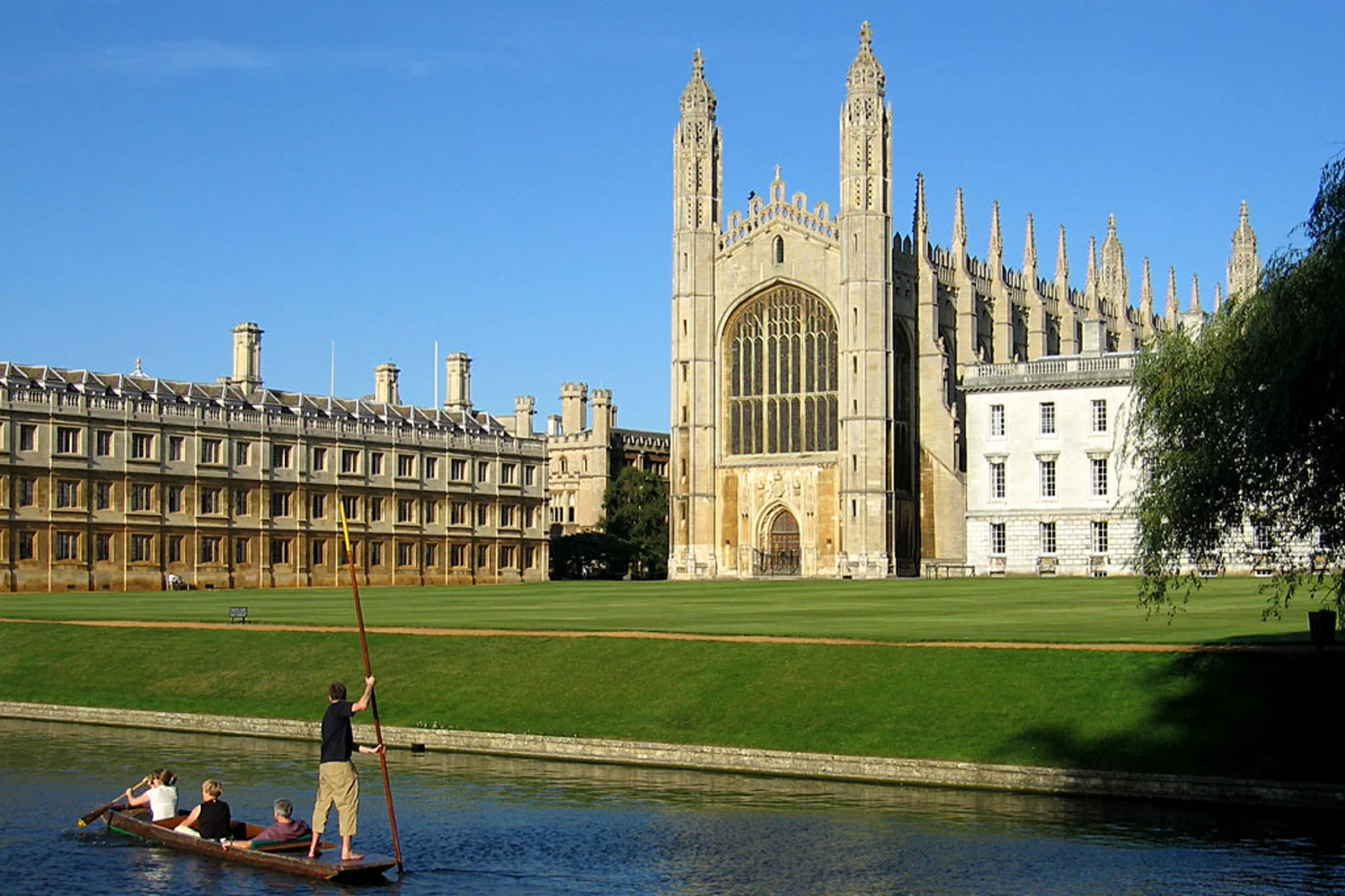
Cambridge Colleges & the Backs
Choose one publicly accessible college and one river-side line, then connect them without assuming every court, chapel and…
Open this field file →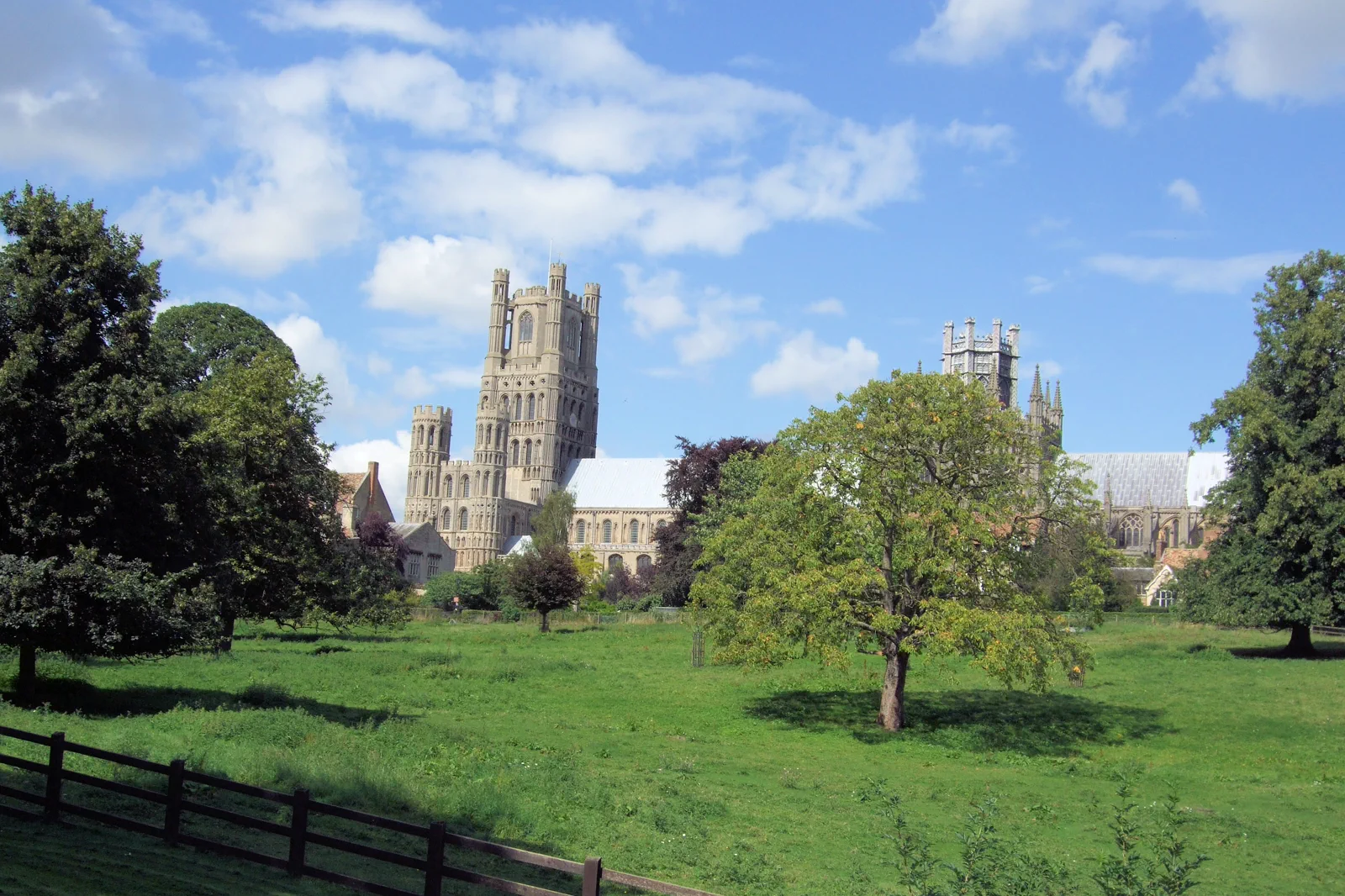
Ely Cathedral & the Fen Edge
Use Ely as a complete cathedral-and-fen day, connecting the station, riverside and elevated historic core without mistaking…
Open this field file →Norwich & a North Norfolk Branch FAQ
How much time should I give Norwich & a North Norfolk Branch?
Allow a full day for Norwich or for one branch with a short city prelude. Two nights are better if both city depth and the coast matter.
What should I combine with Norwich & a North Norfolk Branch?
Combine Norwich with one rail branch only when its times work cleanly. Keep Cambridge and Ely for different days or a multi-night East Anglia base.
What should I verify before leaving?
Check cathedral and museum access, Greater Anglia or bus service, any boat booking and the final return from the chosen branch on the actual travel date.
Official sources and photo credits
Planning facts and image licensing were reviewed on 20 September 2026. Admission, transport, roads, paths, tides, weather and local access can change; reopen the linked authority or operator before travel.
- Visit Norwich — official destination guide.
- Greater Anglia — rail planning and service updates.
- Visit Cambridge — official destination guide.
- Traveline — public transport journey planning.
- KingsCollegeChapelWest.jpg — Andrew Dunn, CC BY-SA 2.0. Resized, display-cropped and converted to WebP; no other material edits.
- Ely Cathedral From The Deans Meadow. (2787425290).jpg — Jim Linwood, CC BY 2.0. Resized, display-cropped and converted to WebP; no other material edits.
- The Close from the River Wensum, Norwich - geograph.org.uk - 4144334.jpg — Richard Vince, CC BY-SA 2.0. Resized, display-cropped and converted to WebP; no other material edits.