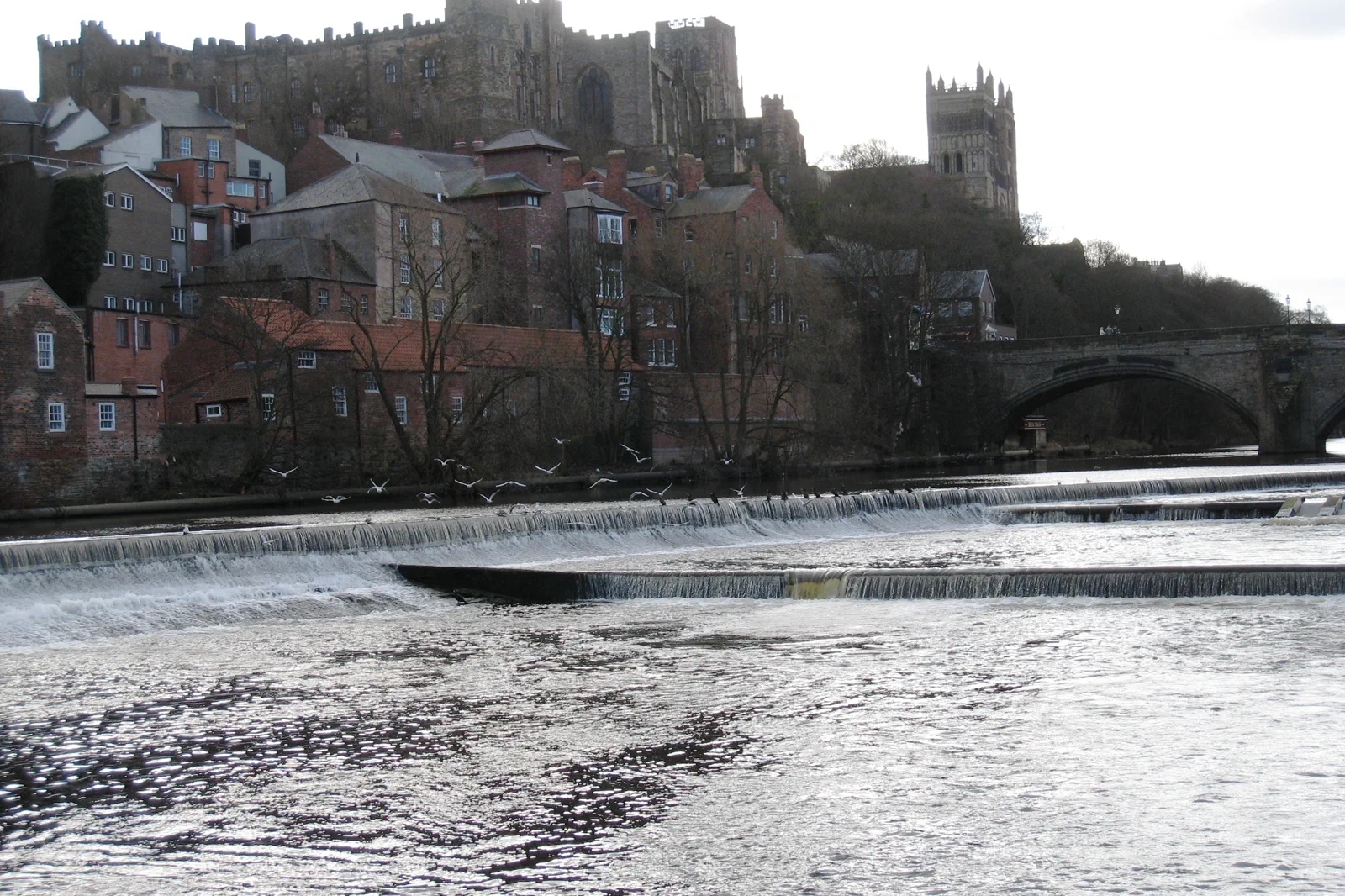
Durham Cathedral & River Peninsula
Descend from Durham station, climb to Palace Green for one controlled interior, follow one side of the River Wear, and return without repeating the peninsula slopes.
Three useful choices, each with a real sacrifice.
Cathedral depth
Give the cathedral, collections and precinct the main block. This provides the strongest sacred and architectural reading.
Castle and university context
Use an available castle tour or university collection with Palace Green. This depends more on timed access.
River and city landscape
Keep interiors shorter and complete a signed riverbank or garden route. It offers the best peninsula perspective but includes steps and gradients.
Meet the day at its real gateway.
Durham station sits high west of the centre, while the cathedral peninsula rises again above the Wear. Buses and taxis can reduce the first climb. Castle access is often by specific tour, and riverside paths may include stairs or mud.
Know what this route leaves out.
A full cathedral visit, castle tour and complete river loop compete for the same half-day. Choosing the river sacrifices interior depth; choosing both controlled buildings makes the landscape a short viewpoint only.
Use Newcastle, Durham & Northumberland as an operating system, not a pin collection.
Newcastle–Gateshead and Durham are compact rail cities with strong river and collection routes, while Bamburgh and Holy Island introduce long road links and a tidal causeway. The region works when city days remain complete and the coast is planned as a separate weather-and-tide operation.
Three to five nights in Newcastle supports the Tyne, Durham and one Northumberland branch. Durham also works as a quiet base but offers fewer coast connections. A Holy Island day should never be tied to a hotel-change deadline.
Newcastle Central, Gateshead Metro stops and Durham station sit at different elevations. Northumberland coast buses and roads cover long distances; Holy Island access is governed by published safe crossing times rather than ordinary opening hours.
City routes remain useful year-round. Coast wind, sea state, causeway windows and winter daylight shape Northumberland; summer increases castle and island pressure. Football and arena events can crowd Tyne transport.
If tide, wind or coast transport fails, use Newcastle or Durham as a complete city day. Do not substitute another remote beach or castle without rechecking the return.
Arrive, read the window, commit once, then get back.
Check cathedral services, castle tour availability, river path notices and the rail service before departure.
- 01Arrive
Descend from the rail ridge
Use the direct street, bus or taxi toward the market and locate the final station climb before entering the peninsula.
- 02Read the window
Meet Palace Green
Complete the cathedral or booked castle product with its worship, tour and security conditions. Do not assume both can be improvised.
- 03Commit
Choose one river side
Descend toward the Wear and follow a bounded bank or bridge sequence. Use the opposite side only when the exit supports the return.
- 04Return
Regain the station with margin
Climb through the market or use a bus, allowing for gradients and wet surfaces. Keep the final meal below the rail cutoff.
Reopen the sources that control today’s window.
The guide explains the route decision; these official pages control transport, admission, paths, tides, weather and closures.
Keep a complete lower-risk day.
If castle or cathedral access is restricted, use Palace Green, the Oriental Museum or city collections and a shorter river viewpoint. If river paths are poor, stay on the upper streets and bridges.
Check cathedral services, castle tour availability, river path notices and the rail service before departure.
Change the plan while the return is still strong.
Worship and university use control access
Cathedral and castle are working institutions. Check the exact visitor and tour notice for the day.
The city is steep
Station, river and Palace Green occupy different levels. Build the final climb into the schedule.
Low paths respond to water and rain
Riverbank mud or closures can break a loop. Use bridges and upper streets rather than forcing a blocked section.
Other ways to use Newcastle, Durham & Northumberland.
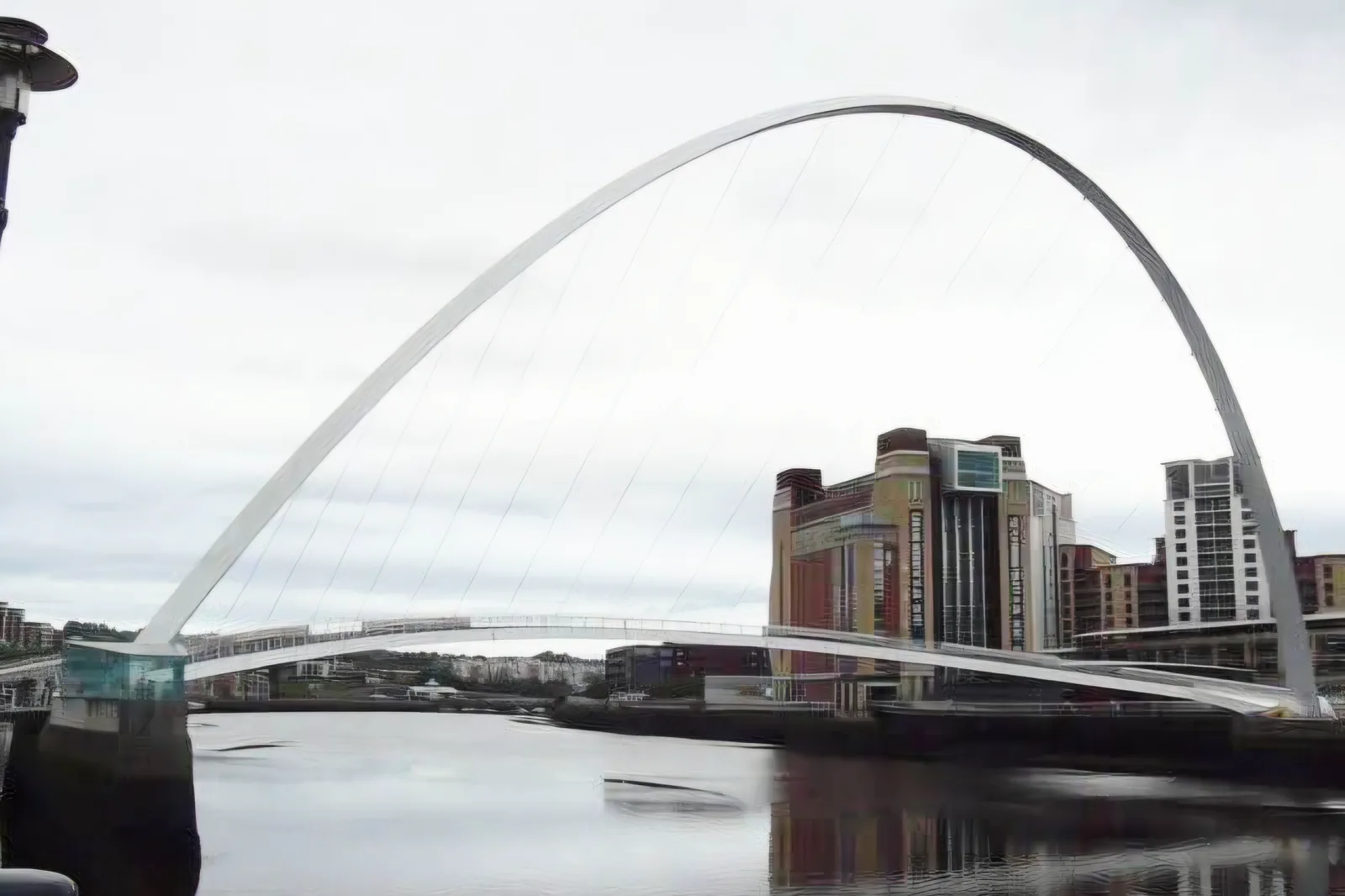
Newcastle & Gateshead Quays
Choose one bank and cultural anchor, then cross the Tyne deliberately so station elevation, bridges and Quayside venues…
Open this field file →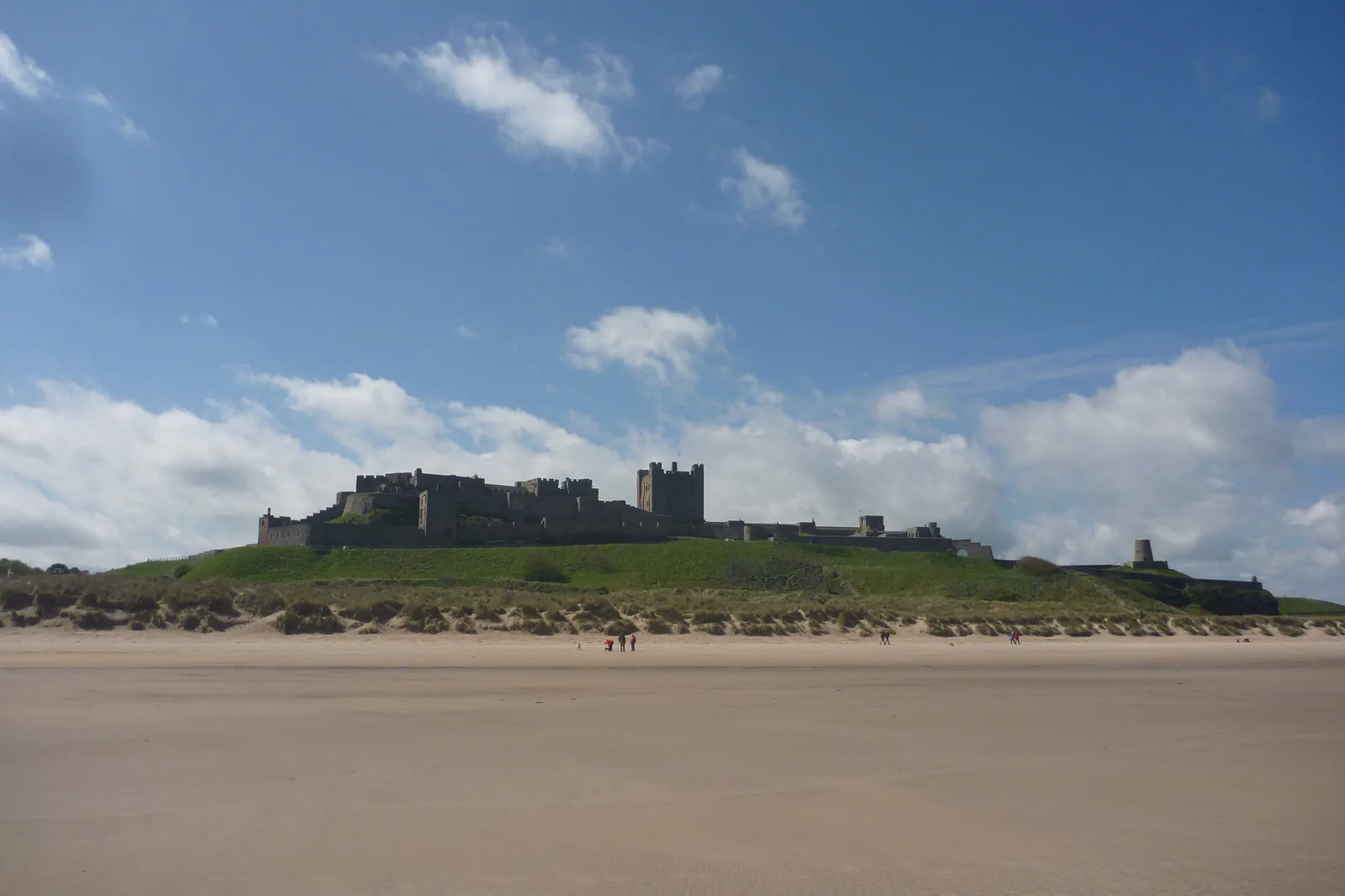
Bamburgh Castle & Holy Island
Choose Bamburgh or Holy Island as the main coast destination and make the published causeway window, road distance and…
Open this field file →Durham Cathedral & River Peninsula FAQ
How much time should I give Durham Cathedral & River Peninsula?
Allow five to seven hours for one major interior and a river route. A cathedral-and-city stop can fit three to four hours between trains.
What should I combine with Durham Cathedral & River Peninsula?
Combine the cathedral with one river loop or a castle tour with the market. Keep Newcastle and Northumberland coast for separate days.
What should I verify before leaving?
Check cathedral services, castle tour availability, river path notices and the rail service before departure.
Official sources and photo credits
Planning facts and image licensing were reviewed on 20 September 2026. Admission, transport, roads, paths, tides, weather and local access can change; reopen the linked authority or operator before travel.
- Durham Cathedral — official visitor information.
- Visit County Durham — official Durham City guide.
- NewcastleGateshead — official destination guide.
- Visit County Durham — official destination guide.
- Visit Northumberland — official destination guide.
- Gateshead Millennium Bridge viewed from the Gateshead bank, Tyne and Wear, England.jpg — Salwa Farwaneh Dameh, CC0. Resized, display-cropped and converted to WebP; no other material edits.
- River Wear, Durham Castle and Cathedral - geograph.org.uk - 1737829.jpg — Philip Barker, CC BY-SA 2.0. Resized, display-cropped and converted to WebP; no other material edits.
- Coastal Northumberland , Bamburgh Castle - geograph.org.uk - 3986420.jpg — Richard West, CC BY-SA 2.0. Resized, display-cropped and converted to WebP; no other material edits.