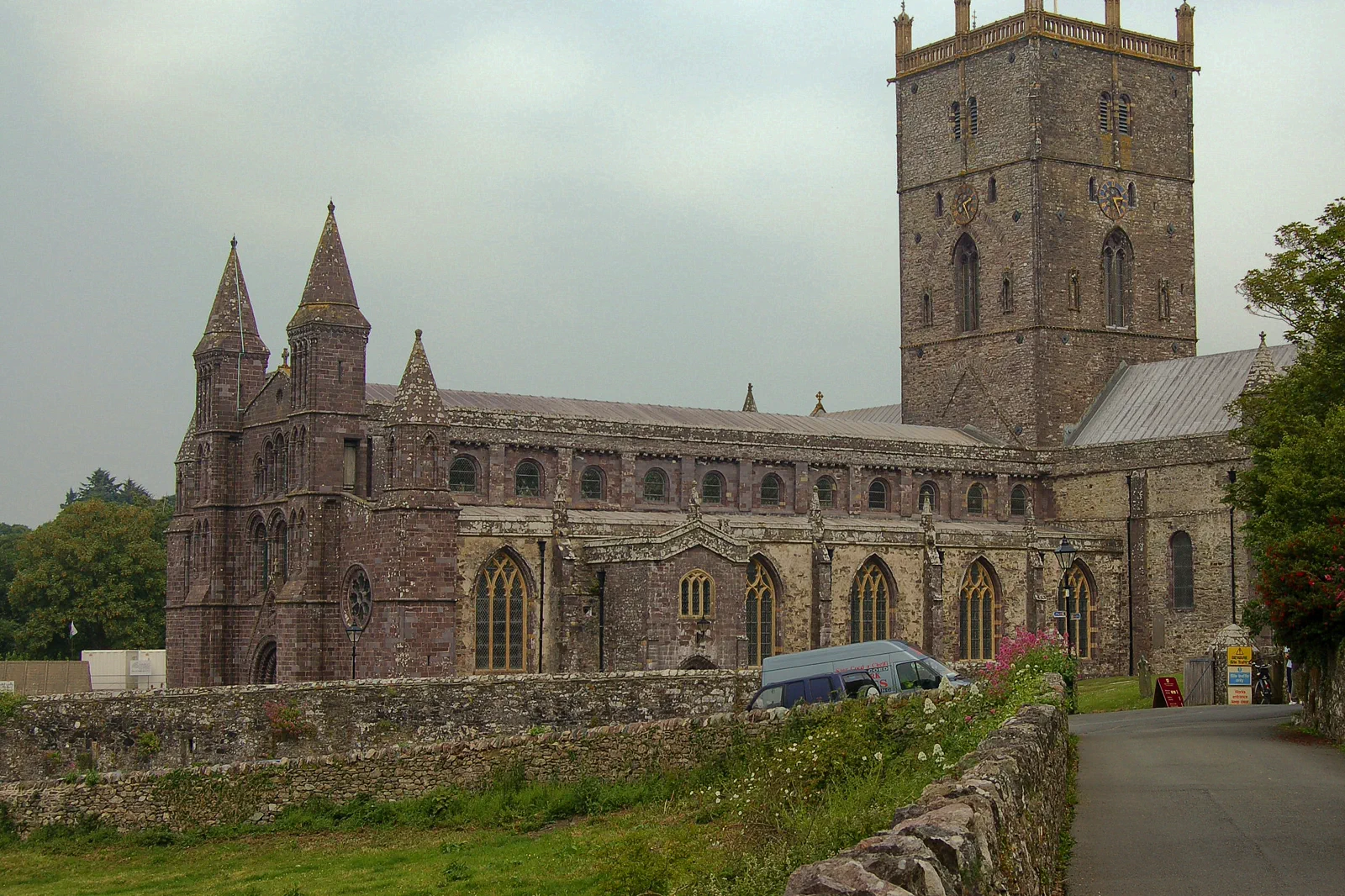
St Davids & the Pembrokeshire Coast
Arrive in St Davids, descend to the cathedral precinct, then commit to one signed coast, harbour or boat branch only when weather and return transport remain secure.
Three useful choices, each with a real sacrifice.
Cathedral and city depth
Use the cathedral, Bishop’s Palace and compact city as the complete day. It is the strongest poor-weather and public-transport choice.
St Davids Head coast route
Use one signed section from a named trailhead with a turn-back. It adds geology and sea views but requires the full weather window.
Boat or Ramsey Sound
Book one exact operator and sailing from the named harbour. It offers marine perspective but can cancel and adds a last-mile transfer.
Meet the day at its real gateway.
St Davids has no railway station. Buses and roads arrive in the city, while coast trailheads and boat harbours sit beyond it. Confirm the rural return and operator pickup; do not assume the cathedral and coast start share one stop.
Know what this route leaves out.
A deep cathedral visit, substantial coast walk and boat trip do not fit one resilient day. Choosing the coast sacrifices palace and city depth; choosing the city gives up marine reach but protects the return.
Use Pembrokeshire & West Wales as an operating system, not a pin collection.
St Davids, Tenby and the Ceredigion coast sit on separate West Wales corridors. Rail reaches Tenby and Aberystwyth, while St Davids needs a bus or road connection. Coast-path sections, boats and island visits add weather, tide and final-service decisions that should be explicit.
Four to six nights across one or two bases supports a south Pembrokeshire town, St Davids and a Ceredigion branch. Tenby is useful for the south coast; St Davids for the national-park edge; Aberystwyth for rail and northern Ceredigion.
West Wales rail branches are slow and vulnerable to missed connections. Coastal buses can be seasonal. Boats use named harbours and sea-state policies. Protect the final land connection before joining the coast path or island queue.
Atlantic wind and rain affect boats, cliffs and exposed beaches in every season. Summer improves services but raises road and accommodation pressure; winter demands shorter routes and urban fallbacks.
Use Tenby, St Davids or Aberystwyth as a complete town day. If a boat or coast segment fails, do not replace it with another distant exposed headland.
Arrive, read the window, commit once, then get back.
Check cathedral worship access, Cadw palace information, coast-path alerts, the exact bus or boat, sea weather and final return before departure.
- 01Arrive
Arrive in Britain’s small city
Locate the final bus or car pickup before descending to the cathedral valley. Keep the city fallback visible.
- 02Read the window
Complete the sacred precinct
Visit the cathedral or Bishop’s Palace with current worship and admission conditions, then reassess weather.
- 03Commit
Commit to one coast branch
Take the confirmed shuttle, road or signed path to the selected headland or harbour. Use a time-based turnaround.
- 04Return
Return before the rural cutoff
Regain St Davids or the pickup point with margin for wind, path surface and boat delay.
Reopen the sources that control today’s window.
The guide explains the route decision; these official pages control transport, admission, paths, tides, weather and closures.
Keep a complete lower-risk day.
If boats or cliffs are unsuitable, keep the cathedral, palace, city galleries and a short lower coast viewpoint only when safe. If rural buses fail, stay near the base rather than walking road verges.
Check cathedral worship access, Cadw palace information, coast-path alerts, the exact bus or boat, sea weather and final return before departure.
Change the plan while the return is still strong.
St Davids is not rail-served
Every rail itinerary contains a bus or road leg. Protect the final service and station connection.
Cliff paths are exposed
Wind, rain and erosion can change a short route. Follow national-park advice and stay back from edges.
Boat departure points differ
Operators may use distinct harbours and check-in places. Confirm the exact product and pickup.
Other ways to use Pembrokeshire & West Wales.
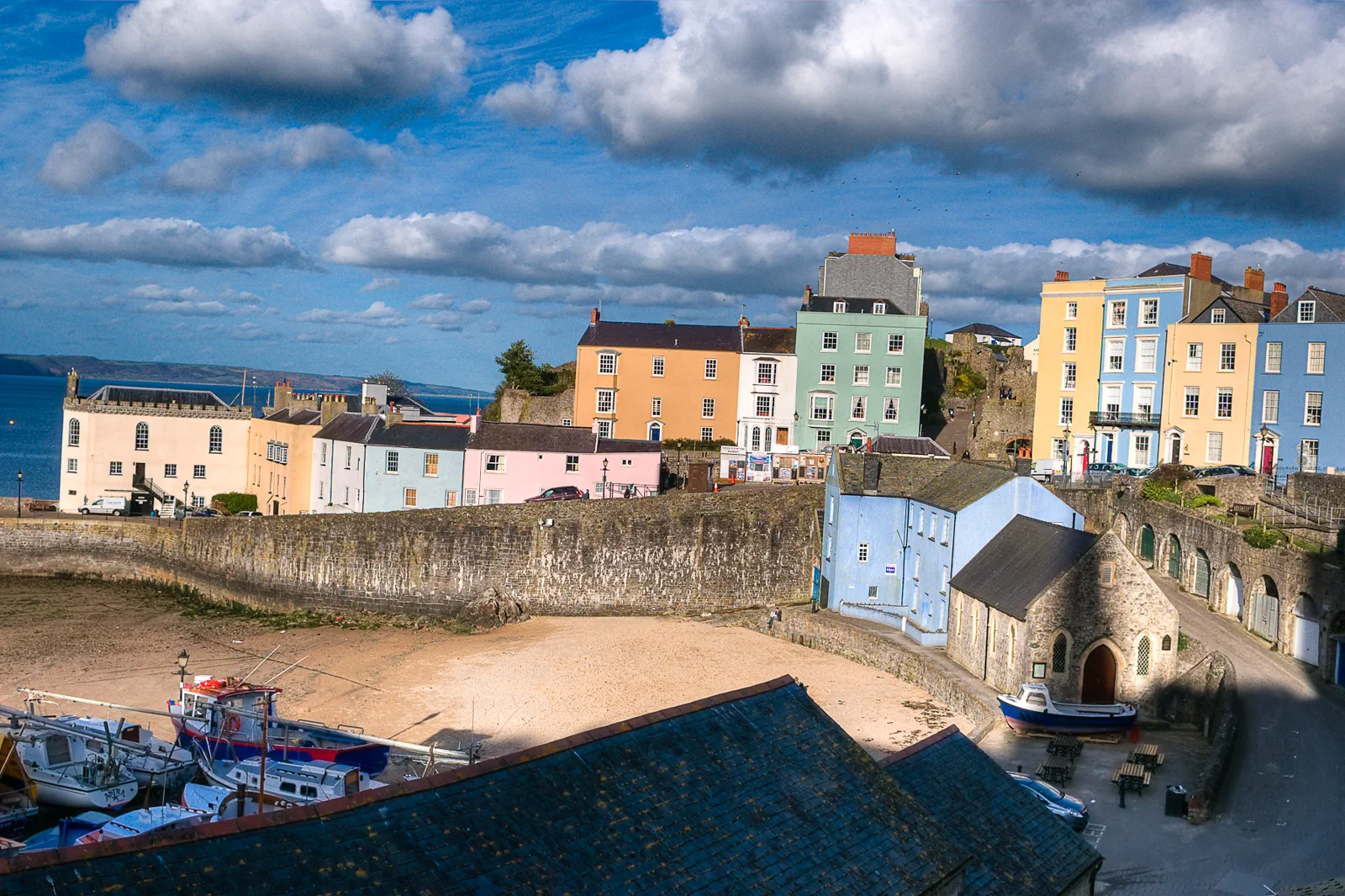
Tenby, Caldey & the South Coast
Choose Tenby’s walled harbour town, a Caldey Island sailing or one coast-path section, matching tides, boat operation and…
Open this field file →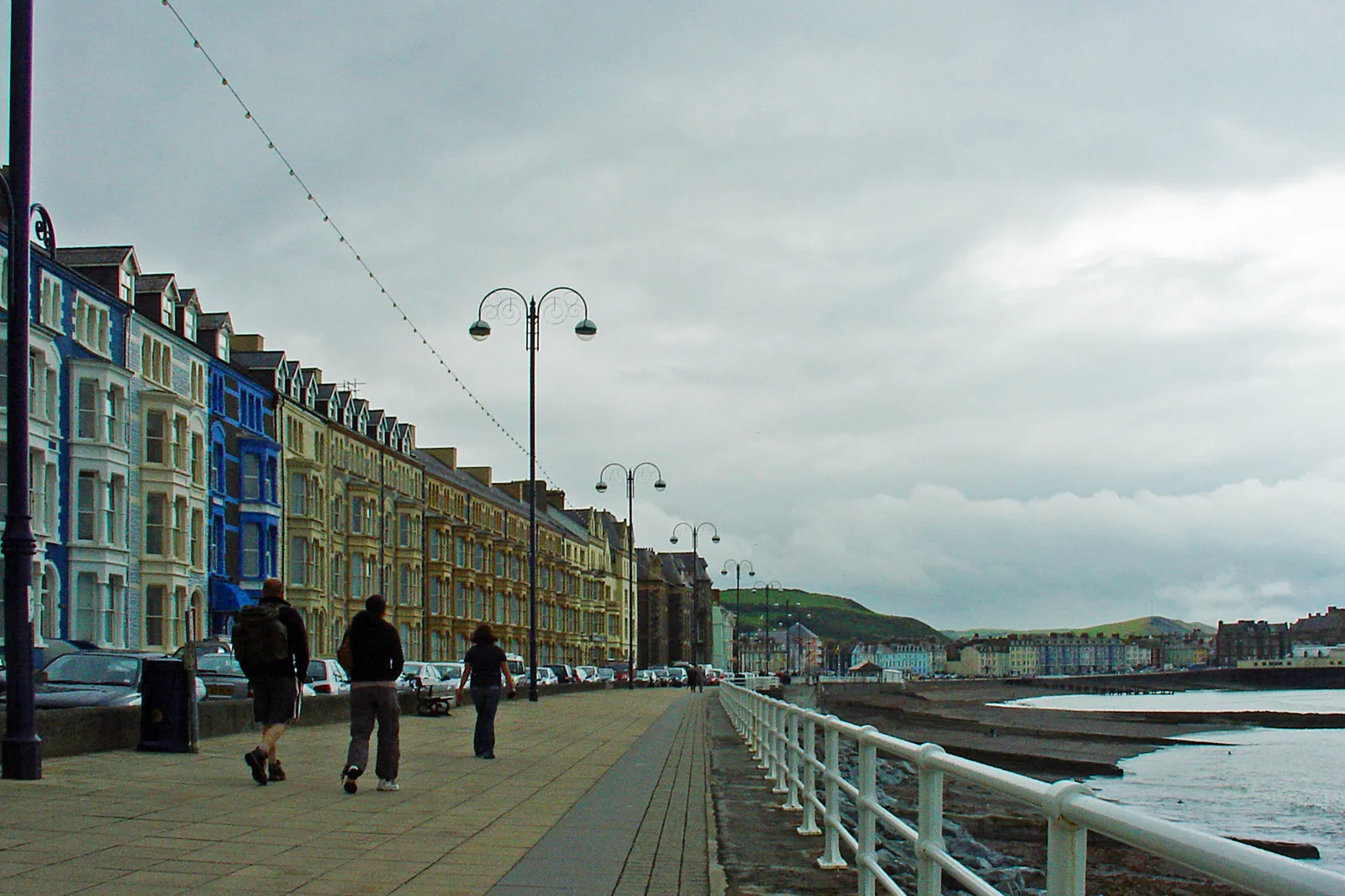
Aberystwyth & the Ceredigion Coast
Use Aberystwyth as the rail-end city and choose the National Library, cliff railway or one Ceredigion coast branch,…
Open this field file →St Davids & the Pembrokeshire Coast FAQ
How much time should I give St Davids & the Pembrokeshire Coast?
Allow a full day from a Pembrokeshire base. The cathedral and city need four to six hours; a coast or boat branch owns the remaining daylight.
What should I combine with St Davids & the Pembrokeshire Coast?
Combine the cathedral with the palace or one nearby coast segment. Keep Tenby and Ceredigion for separate days.
What should I verify before leaving?
Check cathedral worship access, Cadw palace information, coast-path alerts, the exact bus or boat, sea weather and final return before departure.
Official sources and photo credits
Planning facts and image licensing were reviewed on 20 September 2026. Admission, transport, roads, paths, tides, weather and local access can change; reopen the linked authority or operator before travel.
- St Davids Cathedral — official visitor information.
- Pembrokeshire Coast National Park — official walking guidance.
- Visit Pembrokeshire — official destination guide.
- Pembrokeshire Coast National Park — official visitor information.
- Transport for Wales — rail and bus planning.
- St Davids Cathedral Wales Pembrokeshire.jpg — Aqwis, CC BY-SA 3.0. Resized, display-cropped and converted to WebP; no other material edits.
- Tenby, Pembrokeshire, Wales (3493504312).jpg — Phil Price from Encinitas, California, USA, CC BY-SA 2.0. Resized, display-cropped and converted to WebP; no other material edits.
- Promenade, Aberystwyth - geograph.org.uk - 2568817.jpg — Dylan Moore, CC BY-SA 2.0. Resized, display-cropped and converted to WebP; no other material edits.