Presqu’île, Croix-Rousse & the Silk City
Begin between the rivers, climb by Métro or signed slope to the canut district, and use silk history to explain the urban form rather than treating traboules as a scavenger hunt.
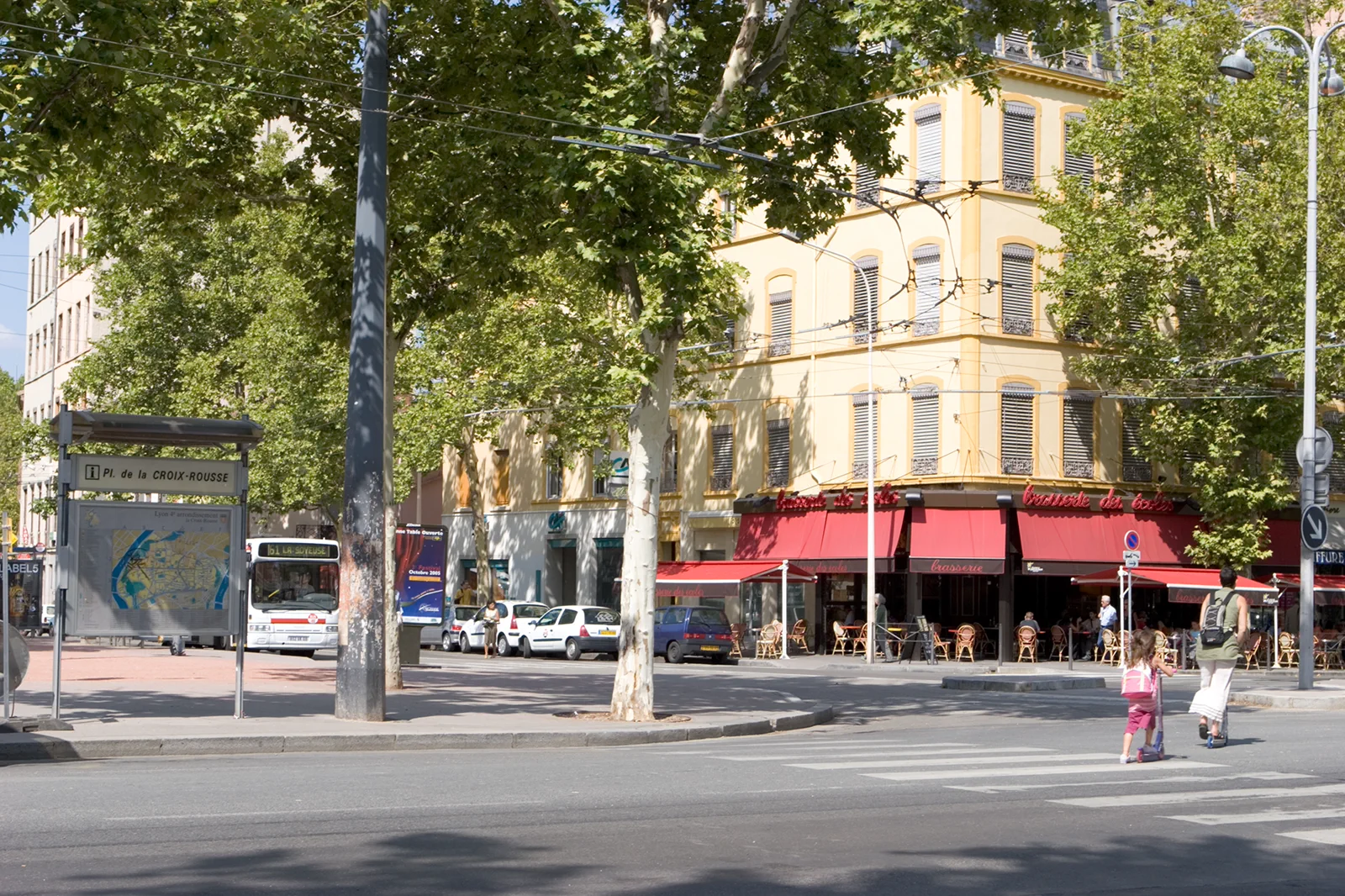
Presqu’île civic route
Keep Bellecour, Hôtel de Ville, Terreaux and one museum on the flat central spine. This is the accessible and rain-flexible option.
Croix-Rousse silk history
Use a guided passage, Maison des Canuts or current workshop visit, then read the slopes and plateau. Appointments matter.
Food and contemporary city
Use markets, a reserved food experience or river edges as the main layer, adding only a compact silk-history block.
Know where the day actually begins.
Metro A and C serve the civic center and Croix-Rousse, while many slopes are steep. Decide whether to ride uphill and walk down, and verify any guided traboule or workshop meeting point before arrival.
Choose what the route leaves out.
A full art museum, long food hall visit and deep Croix-Rousse walk exceed one day. The route keeps one central collection or meal and one hill narrative.
Fit this route into Lyon & the Rhône Gateway, not into an isolated checklist.
Lyon’s planning logic comes from the Saône, Rhône and two hills. Vieux Lyon and Fourvière form a vertical historic route; Presqu’île and Croix-Rousse connect commerce to silk-worker history; Beaujolais and Pérouges require separate regional last miles. Choose the hill before the meal reservation so the final descent, not fatigue, decides where the evening ends.
Three nights allow two city days and one excursion. Base near a useful Métro or tram connection rather than assuming the old town is easiest for every station, hill and dinner.
Part-Dieu and Perrache are distinct main stations. Metro, tram and funicular lines solve different axes; regional excursions require an exact station, bus or tour rather than a generic Lyon departure.
Summer heat makes hills and exposed squares harder at midday; winter and rain favor traboules only where publicly signed and museums where open. Festival and major-event periods alter crowds and transit.
Use the city’s museums, covered food hall or flatter Presqu’île route when heat, funicular disruption or rural weather changes the plan. Keep the substitute on the same transport axis.
Arrive, read the place, commit, then protect the return.
Check TCL service, museum and market hours, workshop reservation and public-passage guidance before choosing the slope.
- 01Arrive
Start between the rivers
Use Bellecour or Cordeliers to orient Presqu’île, then move north through civic squares without zig-zagging to both riverbanks.
- 02Read the place
Choose the central anchor
Visit the Musée des Beaux-Arts, market or another selected site, keeping the Croix-Rousse reservation time protected.
- 03Commit
Ride or climb to silk history
Use Métro C or a deliberate slope, then join the official workshop, Maison des Canuts or public passage route.
- 04Return
Descend toward useful transit
Walk one signed slope or use the metro, finishing near Hôtel de Ville or a river crossing rather than returning to the plateau.
Use the live operator, monument and destination sources for this route.
The route explains the decision; these official pages control current admission, transport, weather, access and closures.
Keep the day useful when the headline plan disappears.
In heat or rain, stay on Presqu’île with museums and covered food options, or ride directly to a booked silk interior. If a guided passage cancels, use the public streets and Maison des Canuts where open.
Check TCL service, museum and market hours, workshop reservation and public-passage guidance before choosing the slope.
Change the plan before the problem compounds.
Slopes are the route, not decoration
Cobble, stairs and gradients affect footwear and mobility. Ride uphill when needed.
Workshops need reservations
Living silk businesses are not open-display attractions. Confirm language, time and purchase expectations.
Food halls have trading rhythms
Check current opening and vendor hours; a building may be open while the intended stalls are not.
Other ways to use Lyon & the Rhône Gateway.
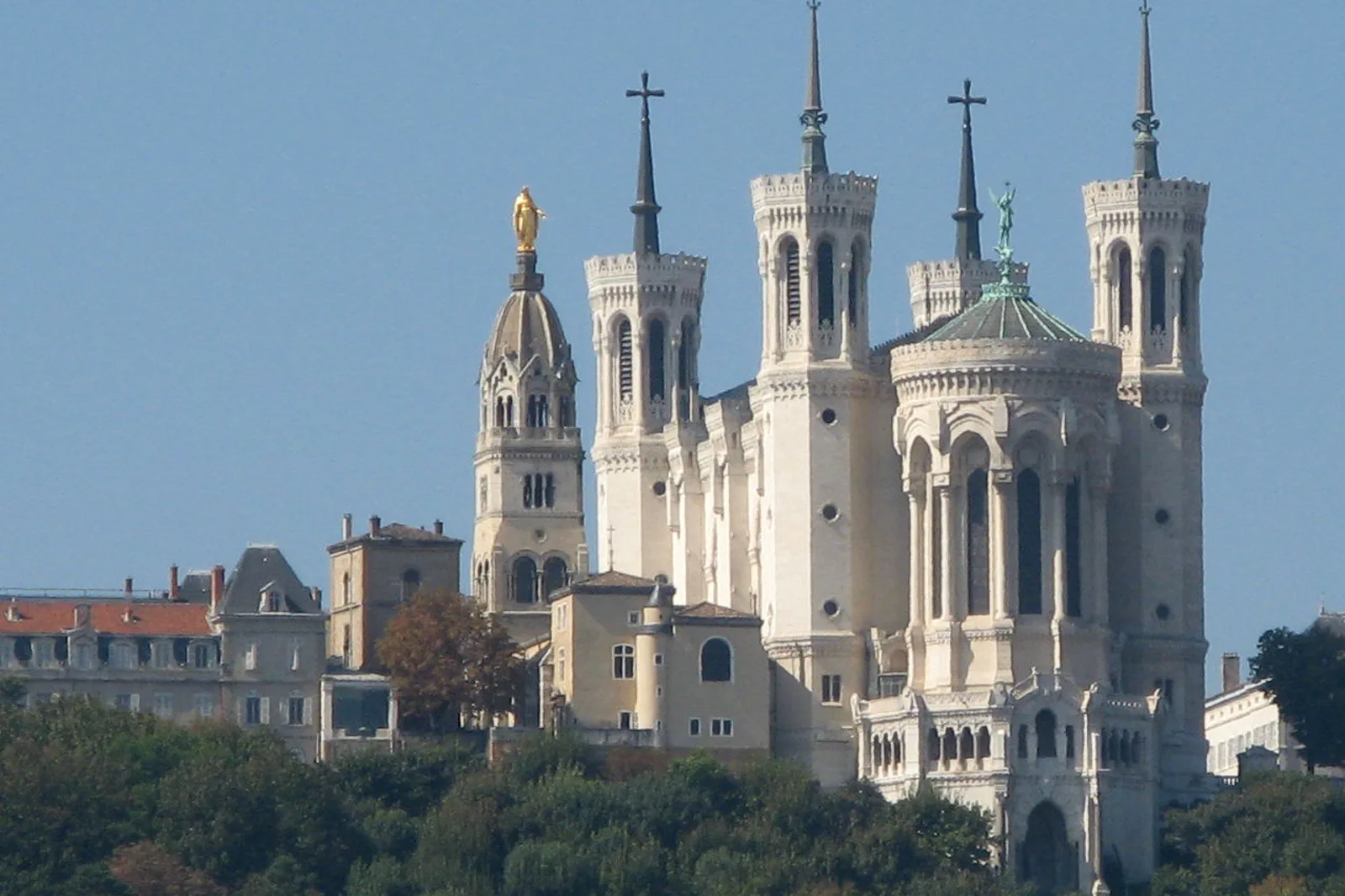
Vieux Lyon & Fourvière
Connect Vieux Lyon’s Renaissance streets to Fourvière through one controlled ascent, using only signed public traboules and…
Open this guide →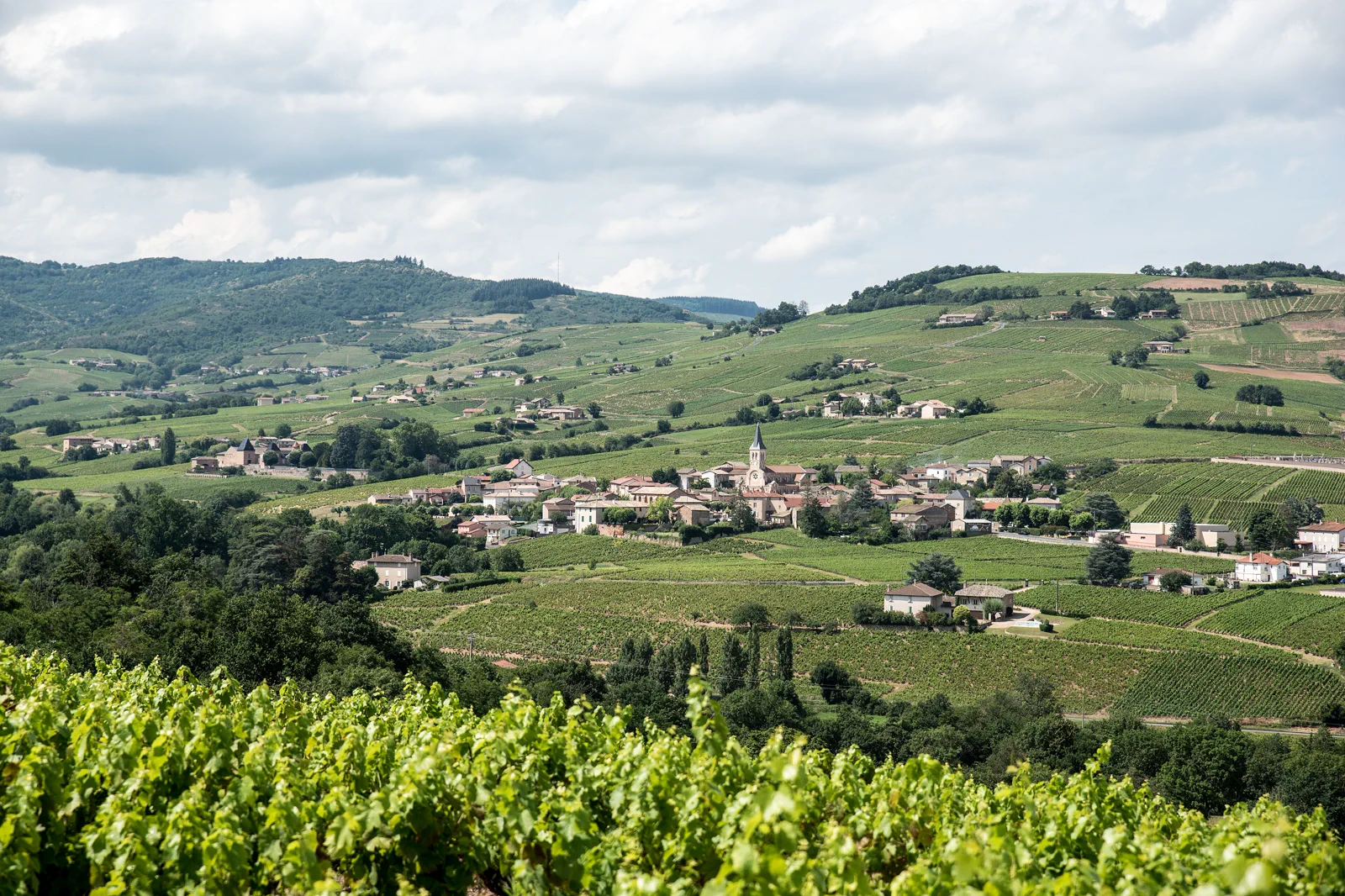
Beaujolais Villages or Pérouges
Choose one Lyon-region excursion—Beaujolais wine villages or the fortified town of Pérouges—and solve its last mile rather…
Open this guide →Presqu’île, Croix-Rousse & the Silk City FAQ
How much time should I give Presqu’île, Croix-Rousse & the Silk City?
Allow six to eight hours for Presqu’île plus Croix-Rousse and one interior. Either district alone supports four to five hours.
What should I combine with Presqu’île, Croix-Rousse & the Silk City?
Combine the central spine with one Croix-Rousse route. Keep Fourvière, Confluence and Beaujolais for their own days.
What should I verify before leaving?
Check TCL service, museum and market hours, workshop reservation and public-passage guidance before choosing the slope.
Official sources and photo credits
Planning facts and image licensing were reviewed on 19 September 2026. Admission, transport, roads, trails, sea, fire, weather and local access can change; reopen the linked authority or operator before travel.
- Maison des Canuts — official silk-history visits.
- Musée des Beaux-Arts de Lyon — official visitor information.
- ONLYLYON Tourism — official city guide.
- TCL — official Lyon public transport information.
- TER Auvergne-Rhône-Alpes — official regional rail information.
- Basilique de Fourvière from Saone (Lyon).jpg — MickaëlG, CC BY-SA 3.0. Resized, display-cropped and converted to WebP; no other material edits.
- Lyon croix rousse 01.jpg — Olivier Aumage, CC BY-SA 2.0 fr. Resized, display-cropped and converted to WebP; no other material edits.
- Juliénas.jpg — Sunappu-shashin, CC BY-SA 4.0. Resized, display-cropped and converted to WebP; no other material edits.