Vieux Lyon & Fourvière
Read the Saône-side old town at street level, take the funicular or a deliberate climb once, and descend by a different safe route with the Roman or basilica layer clearly chosen.
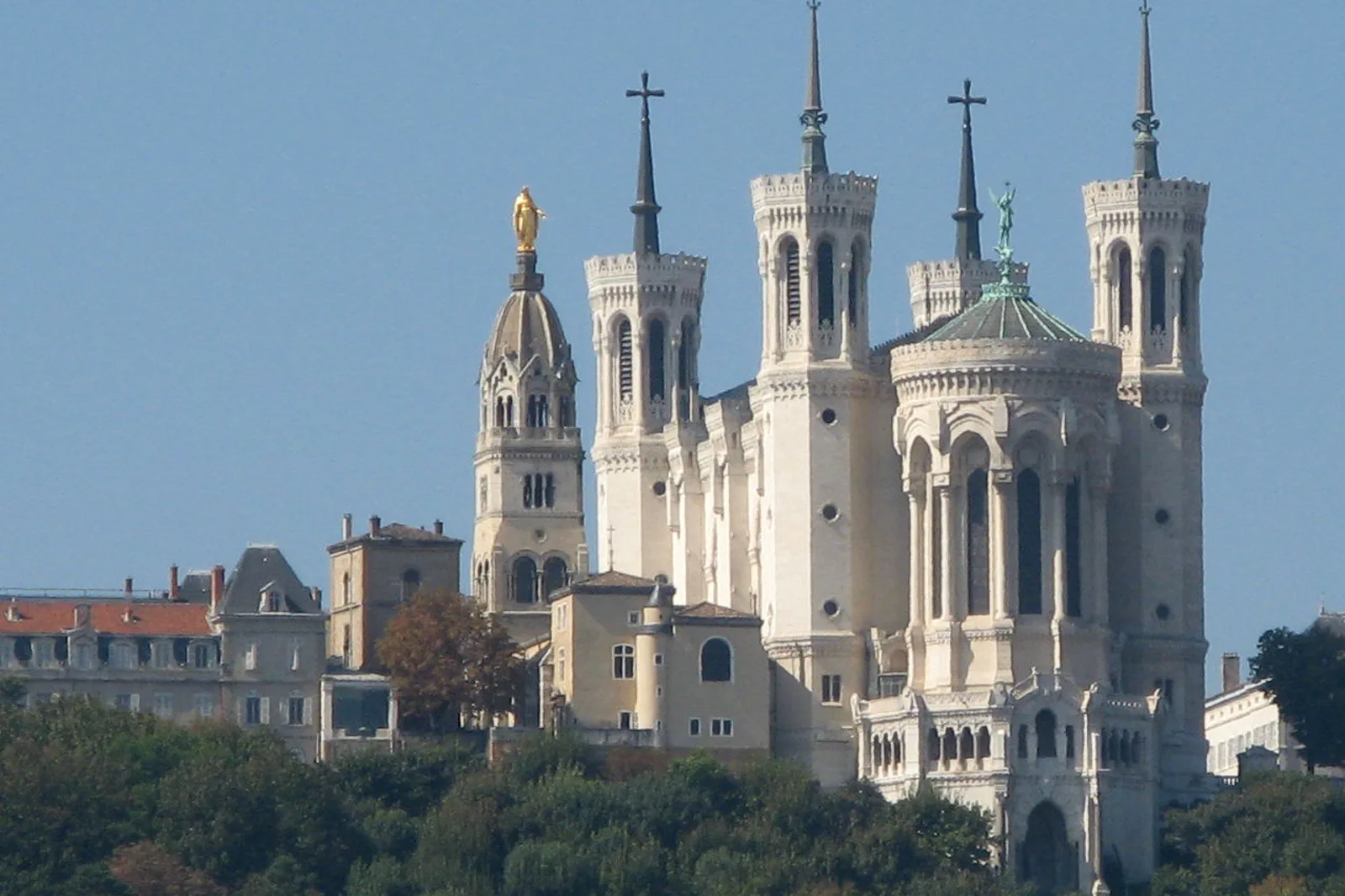
Renaissance Vieux Lyon
Prioritize Saint-Jean, public traboules, Gadagne or another museum. Keep Fourvière to the viewpoint and funicular.
Basilica and Roman hill
Ride or climb early, then give the basilica, viewpoints and Roman theaters the main block before descending.
Two-level city comparison
Use one museum below and one interpreted site above. This needs a full day and a single planned ascent.
Know where the day actually begins.
Vieux Lyon Métro serves the old town and funicular interchange. Check current funicular operation and replacement service before committing; signed public traboules are limited and private passages remain off-limits.
Choose what the route leaves out.
Adding Croix-Rousse creates a second hill and weakens both. The route gives up Presqu’île shopping and distant food stops so Vieux Lyon and Fourvière form one legible vertical story.
Fit this route into Lyon & the Rhône Gateway, not into an isolated checklist.
Lyon’s planning logic comes from the Saône, Rhône and two hills. Vieux Lyon and Fourvière form a vertical historic route; Presqu’île and Croix-Rousse connect commerce to silk-worker history; Beaujolais and Pérouges require separate regional last miles. Choose the hill before the meal reservation so the final descent, not fatigue, decides where the evening ends.
Three nights allow two city days and one excursion. Base near a useful Métro or tram connection rather than assuming the old town is easiest for every station, hill and dinner.
Part-Dieu and Perrache are distinct main stations. Metro, tram and funicular lines solve different axes; regional excursions require an exact station, bus or tour rather than a generic Lyon departure.
Summer heat makes hills and exposed squares harder at midday; winter and rain favor traboules only where publicly signed and museums where open. Festival and major-event periods alter crowds and transit.
Use the city’s museums, covered food hall or flatter Presqu’île route when heat, funicular disruption or rural weather changes the plan. Keep the substitute on the same transport axis.
Arrive, read the place, commit, then protect the return.
Check TCL funicular status, Gadagne or Roman-site openings, basilica access and any event perimeter before beginning the ascent.
- 01Arrive
Begin along the Saône edge
Enter Vieux Lyon near Saint-Jean, orient to the river and select a few officially public passages rather than searching every doorway.
- 02Read the place
Read the Renaissance ground
Connect cathedral, courtyards and one museum or interpretation site, keeping resident access clear and watching the hill above for weather.
- 03Commit
Ascend once
Use the operating funicular or a chosen stair route to Fourvière, then select basilica and viewpoint or the Roman theaters as the main upper layer.
- 04Return
Descend on a different line
Return by funicular or a signed slope toward Saint-Jean or Saint-Paul, ending near transit instead of climbing again for a missed view.
Use the live operator, monument and destination sources for this route.
The route explains the decision; these official pages control current admission, transport, weather, access and closures.
Keep the day useful when the headline plan disappears.
If the funicular is disrupted, keep Vieux Lyon and Gadagne or cross to Presqu’île; climb only if heat, mobility and daylight make it reasonable. If passages close, the public streets retain the route.
Check TCL funicular status, Gadagne or Roman-site openings, basilica access and any event perimeter before beginning the ascent.
Change the plan before the problem compounds.
Traboules are not all public
Enter only signed passages during allowed hours and keep noise low in residential courtyards.
One ascent is enough
Fourvière stairs and slopes add quickly. Use transit for one direction when mobility or heat is a concern.
Religious and event access changes
Basilica services and Roman-site events can redirect circulation. Check current notices.
Other ways to use Lyon & the Rhône Gateway.
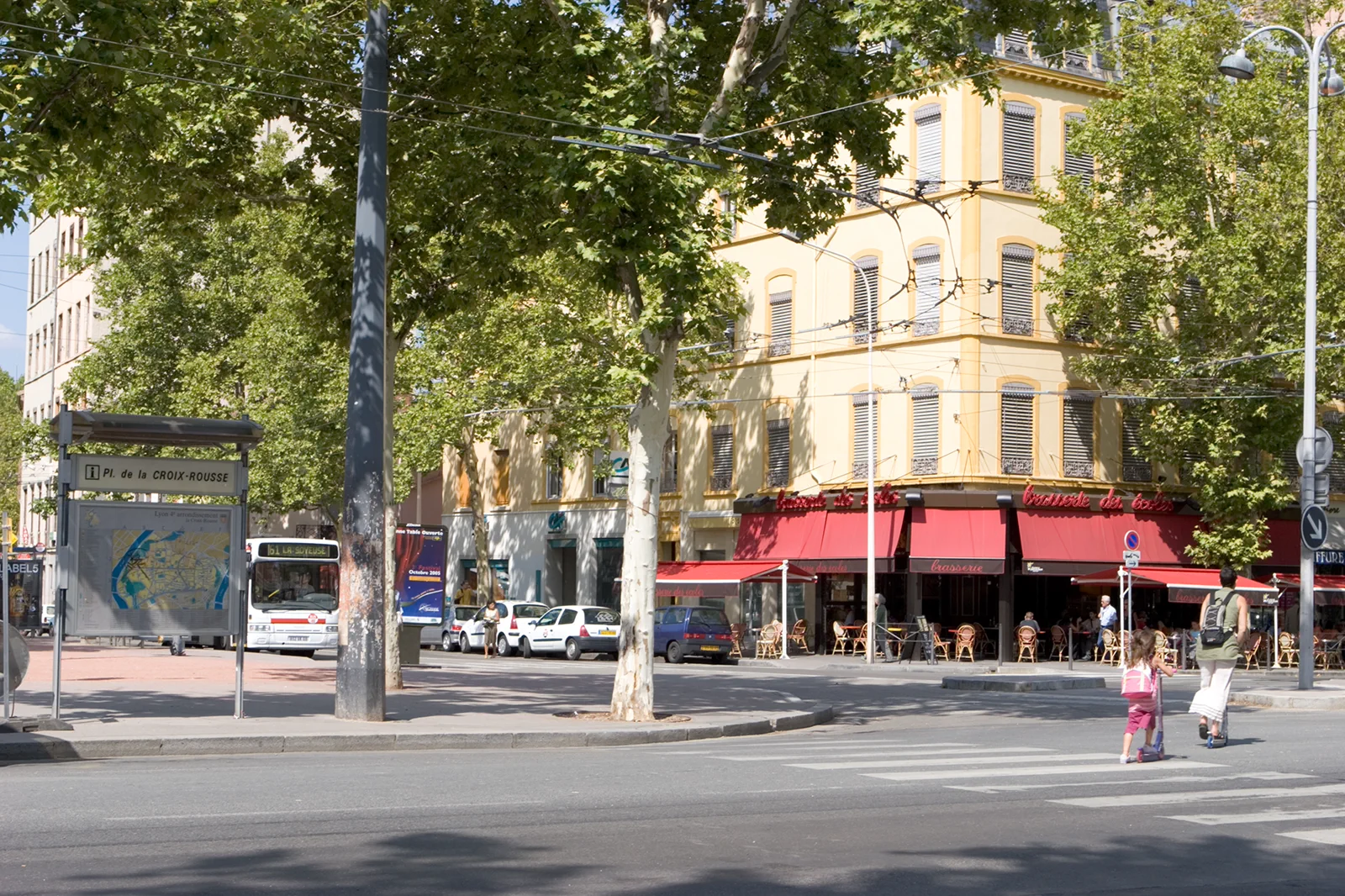
Presqu’île, Croix-Rousse & the Silk City
Move from Presqu’île’s civic and commercial center to Croix-Rousse’s silk-worker hill through one slope, one workshop or…
Open this guide →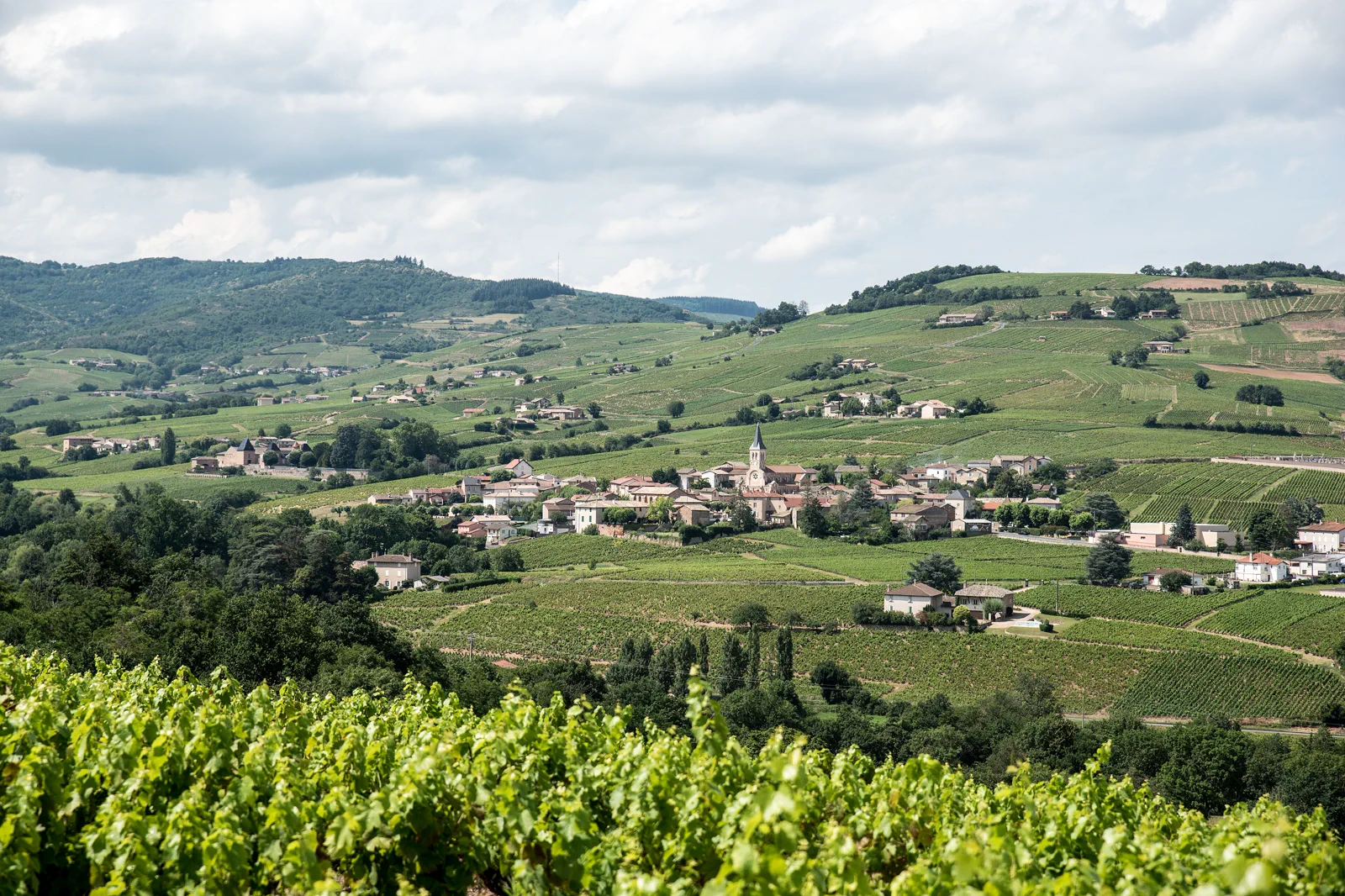
Beaujolais Villages or Pérouges
Choose one Lyon-region excursion—Beaujolais wine villages or the fortified town of Pérouges—and solve its last mile rather…
Open this guide →Vieux Lyon & Fourvière FAQ
How much time should I give Vieux Lyon & Fourvière?
Allow five to seven hours for both levels with one museum. A compact old-town and viewpoint route needs three to four hours.
What should I combine with Vieux Lyon & Fourvière?
Combine Vieux Lyon with Fourvière because they share one vertical axis. Keep Croix-Rousse, Parc de la Tête d’Or and Beaujolais for separate routes.
What should I verify before leaving?
Check TCL funicular status, Gadagne or Roman-site openings, basilica access and any event perimeter before beginning the ascent.
Official sources and photo credits
Planning facts and image licensing were reviewed on 19 September 2026. Admission, transport, roads, trails, sea, fire, weather and local access can change; reopen the linked authority or operator before travel.
- ONLYLYON Tourism — official Vieux Lyon information.
- Lugdunum Museum and Roman theatres — official visits.
- ONLYLYON Tourism — official city guide.
- TCL — official Lyon public transport information.
- TER Auvergne-Rhône-Alpes — official regional rail information.
- Basilique de Fourvière from Saone (Lyon).jpg — MickaëlG, CC BY-SA 3.0. Resized, display-cropped and converted to WebP; no other material edits.
- Lyon croix rousse 01.jpg — Olivier Aumage, CC BY-SA 2.0 fr. Resized, display-cropped and converted to WebP; no other material edits.
- Juliénas.jpg — Sunappu-shashin, CC BY-SA 4.0. Resized, display-cropped and converted to WebP; no other material edits.