Eiffel Tower, Invalides & Western Views
Treat the Eiffel Tower as a ticketed operating system, not a photo stop, then choose either military history, Seine space or a separate skyline view as the day’s second argument.
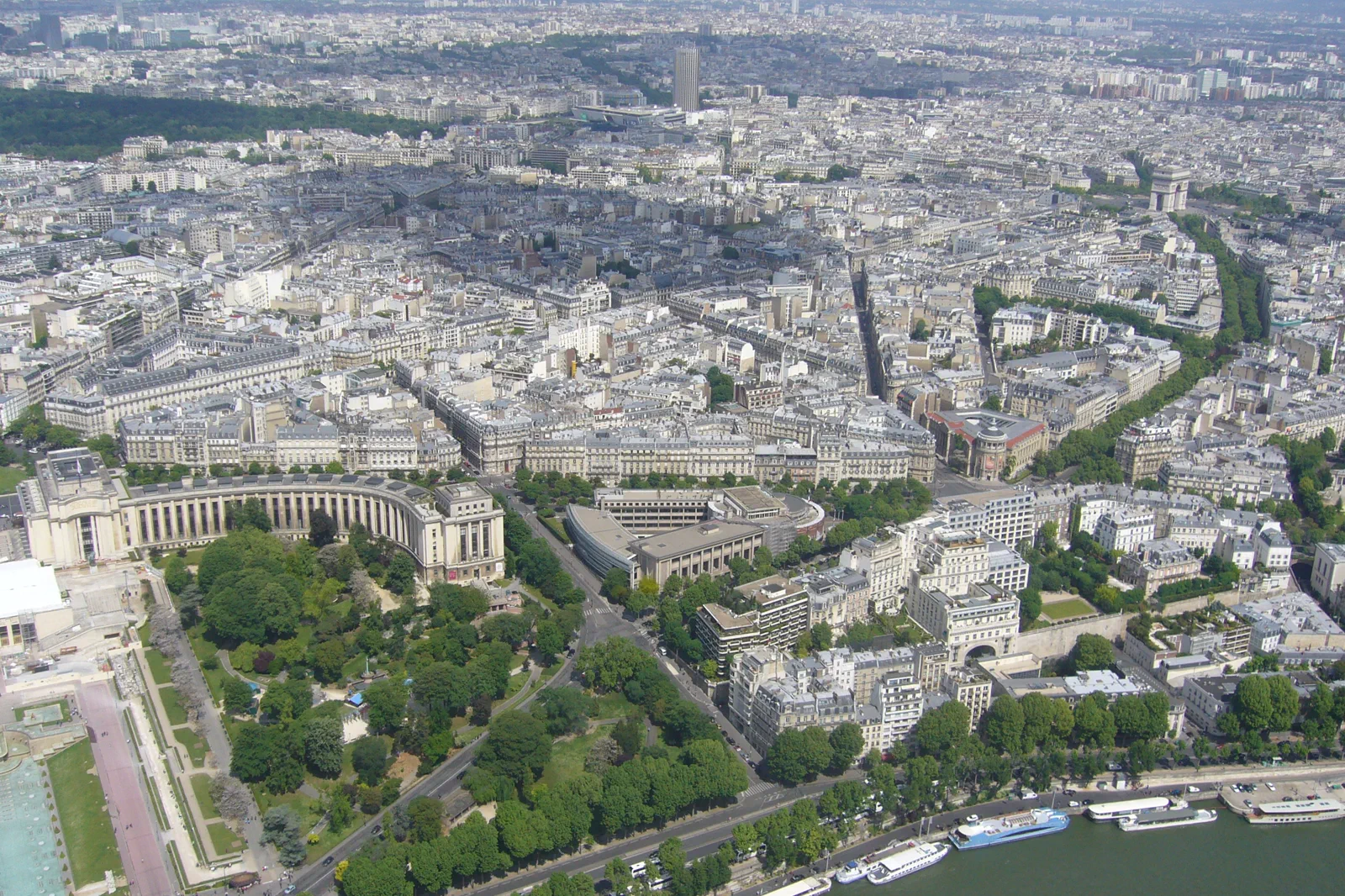
Tower ascent
Reserve the exact level and access method that matter, accept the security envelope and make the tower the main paid event. The rest of the route stays outdoors and nearby.
Ground-level icon and Invalides
Read Trocadéro, the bridge, Champ de Mars and the tower exterior, then give the Musée de l’Armée and dome the interior block. This is stronger for history than for height.
Alternative panorama
Skip the tower ascent and use Montparnasse or another verified viewpoint if the skyline composition matters more than standing on the monument itself. This saves the tower queue but adds one transit move.
Know where the day actually begins.
Trocadéro gives the classic west-to-east approach; Bir-Hakeim and Champ de Mars–Tour Eiffel serve the river and south side; École Militaire suits an Invalides-first day. Security perimeters can change pedestrian entry, so follow current tower instructions rather than a saved map pin.
Choose what the route leaves out.
Choosing the tower ascent gives up a second major museum and much of the flexible river walk. Choosing Invalides gives up the summit. The route refuses to schedule both the tower, a full museum and Montparnasse as if queues and travel were invisible.
Fit this route into Paris, not into an isolated checklist.
Paris works best as a set of walkable river and neighborhood fields joined by short Métro or RER moves. The useful decision is not how many landmarks fit on a map, but which timed interior anchors the day and which streets, gardens and river crossings form a coherent approach and exit.
Four to six nights lets a first visit separate the historic Seine, one major museum axis and western Paris while retaining a weather or closure buffer. Staying near a useful Métro interchange usually saves more energy than staying beside one monument.
Match the airport route to the hotel’s actual line and station entrance, then plan sightseeing by bank and corridor. Châtelet–Les Halles, Gare du Nord and the large termini are transfer systems, not single doors; allow time for platforms, stairs and luggage.
Spring and autumn soften long walks but still bring queues and variable rain. Summer requires shade and water planning, while winter rewards indoor anchors and earlier river light. Major events, demonstrations and security perimeters can alter access in any season.
When a booked monument, strike or weather change breaks the plan, keep the same district: replace an interior with a nearby church, covered passage, market, smaller museum or river walk instead of crossing Paris to rescue a checklist.
Arrive, read the place, commit, then protect the return.
Reopen the Eiffel Tower ticket and access notice, Musée de l’Armée visitor information, visibility and Île-de-France Mobilités service status before leaving.
- 01Arrive
Approach from the chosen sightline
Begin at Trocadéro for the frontal view or Bir-Hakeim for bridge and river context. If holding an early tower ticket, use the access side specified by the operator and photograph later.
- 02Read the place
Complete the paid anchor
Clear security, follow the ticketed lift or stair product, and keep weather expectations realistic. Do not assume a summit ticket can be improvised from a lower-level product.
- 03Commit
Choose field or museum
After the tower, either cross Champ de Mars toward École Militaire and Invalides or use the Seine edge and Île aux Cygnes. One branch preserves energy; doing both turns the middle into transit.
- 04Return
Exit on a direct line
Finish at La Tour-Maubourg, Invalides, École Militaire or Bir-Hakeim according to the branch. If using a separate viewpoint, move there only after a meal and a clear weather check.
Use the live operator, monument and destination sources for this route.
The route explains the decision; these official pages control current admission, transport, weather, access and closures.
Keep the day useful when the headline plan disappears.
When wind, visibility or ticket disruption removes the ascent, keep the western route: Trocadéro and the tower exterior, the Musée de l’Armée if open, and a Seine or Champ de Mars circuit. A later alternative viewpoint is optional, not compensation debt.
Reopen the Eiffel Tower ticket and access notice, Musée de l’Armée visitor information, visibility and Île-de-France Mobilités service status before leaving.
Change the plan before the problem compounds.
Ticket products are specific
Level, lift or stair access, date and named-holder conditions can differ. Buy only through the official operator and read the current entry instructions.
Open space is exposed
Heat, wind and rain are amplified around Trocadéro and Champ de Mars. Carry water and place the indoor block at the harshest part of the day.
Street sellers and petitions distract
Keep belongings controlled in dense viewing areas and decline unsolicited transactions without stopping the group in a pedestrian flow.
Other ways to use Paris.
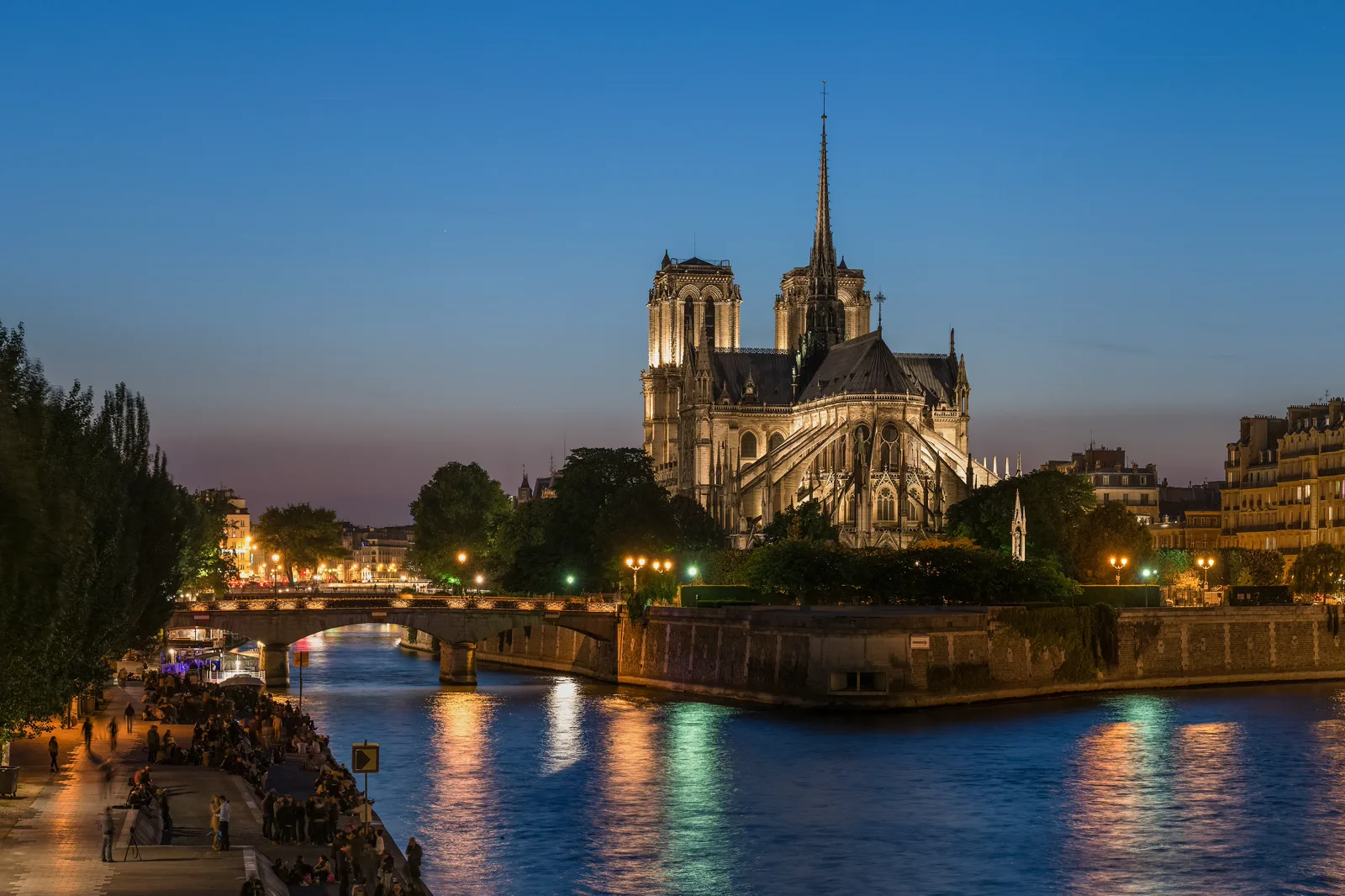
Seine Islands & the Latin Quarter
Choose a historic-core route that joins Île de la Cité to the Latin Quarter without repeating bridges or treating…
Open this guide →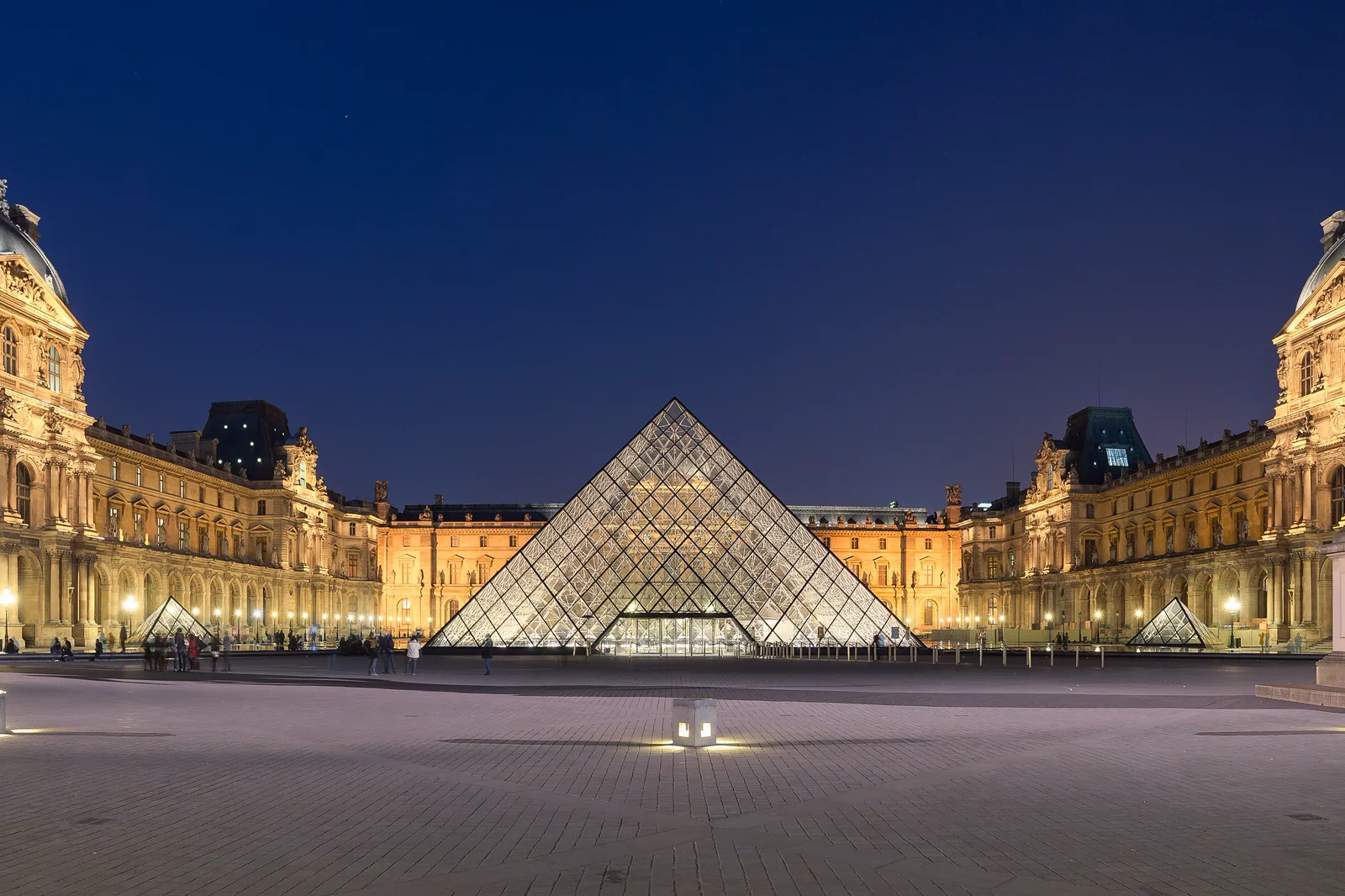
Louvre, Tuileries & the Opéra Axis
Decide whether the Louvre is the day’s main collection or merely one part of a westward city walk, then protect enough…
Open this guide →Eiffel Tower, Invalides & Western Views FAQ
How much time should I give Eiffel Tower, Invalides & Western Views?
Allow four to six hours for a tower reservation and one nearby branch; give six to eight hours when Invalides is the main interior. A photo-only west-Paris walk can be two to three hours.
What should I combine with Eiffel Tower, Invalides & Western Views?
Combine with Invalides, the Seine river edge or Montparnasse only when one is the clear second choice. Save the Louvre, Montmartre and the historic islands for their own geographic days.
What should I verify before leaving?
Reopen the Eiffel Tower ticket and access notice, Musée de l’Armée visitor information, visibility and Île-de-France Mobilités service status before leaving.
Official sources and photo credits
Planning facts and image licensing were reviewed on 19 September 2026. Admission, transport, roads, trails, sea, fire, weather and local access can change; reopen the linked authority or operator before travel.
- Eiffel Tower — official tickets and visitor information.
- Musée de l’Armée — official visitor information.
- Paris je t’aime — official tourist office.
- Île-de-France Mobilités — network, fares and service information.
- SNCF Connect — national and regional rail planning.
- Notre-Dame de Paris and Île de la Cité at dusk 140516 alt.jpg — DXR, CC BY-SA 3.0. Resized, display-cropped and converted to WebP; no other material edits.
- Louvre Museum Wikimedia Commons.jpg — Benh LIEU SONG ( Flickr ), CC BY-SA 3.0. Resized, display-cropped and converted to WebP; no other material edits.
- Paris View from the Eiffel Tower third floor Seine upstream 00b Jardins du Trocadéro.jpg — Maxime Homme, CC0. Resized, display-cropped and converted to WebP; no other material edits.