Louvre, Tuileries & the Opéra Axis
Anchor the day at one museum entrance, move west through courtyards and the Tuileries, and turn north only once toward Palais Royal, the covered passages or Palais Garnier.
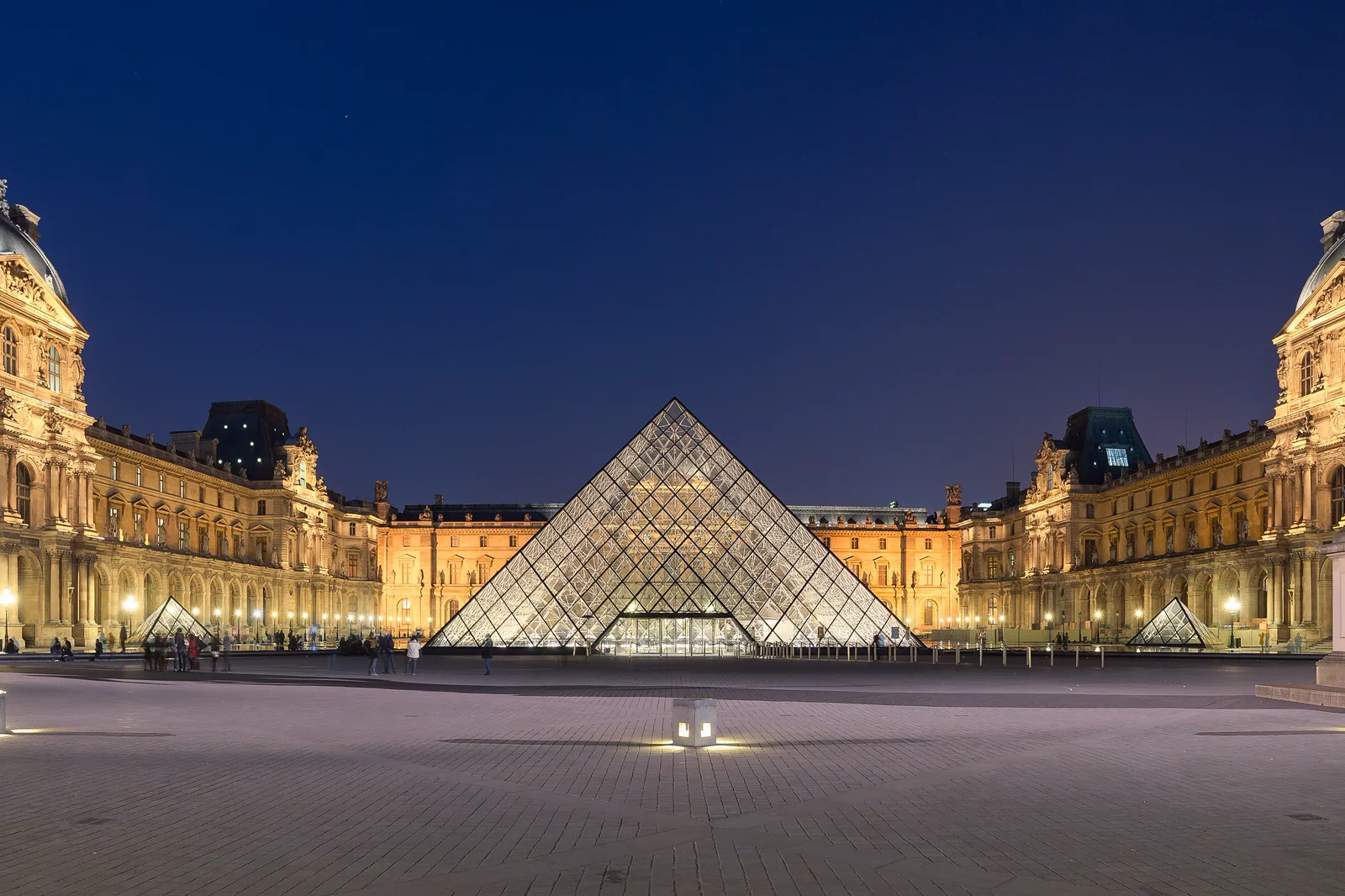
Louvre depth
Reserve a collection-led visit and select two neighboring departments before arrival. The exterior axis becomes a short decompression walk, not a second attraction marathon.
Palace and garden city line
Keep the Louvre exterior, Cour Carrée, Tuileries and Place de la Concorde as the main sequence. This works for architecture and open air but sacrifices the museum interior.
Decorative arts and Opéra
Use the Musée des Arts Décoratifs, Palais Royal, passages or Palais Garnier as the interior focus. This creates a more compact northward route and avoids pretending every visitor needs a full Louvre day.
Know where the day actually begins.
For a Louvre reservation, follow the entrance printed in the current visitor instructions rather than walking automatically to the pyramid. Palais Royal–Musée du Louvre, Pyramides and Tuileries serve different parts of the axis; choose the arrival station from the first door, not the district name.
Choose what the route leaves out.
A serious Louvre visit and a serious Opéra or Orsay visit do not comfortably share one day. The plan gives up one major collection so the selected museum, lunch and outdoor axis retain enough time to be meaningful.
Fit this route into Paris, not into an isolated checklist.
Paris works best as a set of walkable river and neighborhood fields joined by short Métro or RER moves. The useful decision is not how many landmarks fit on a map, but which timed interior anchors the day and which streets, gardens and river crossings form a coherent approach and exit.
Four to six nights lets a first visit separate the historic Seine, one major museum axis and western Paris while retaining a weather or closure buffer. Staying near a useful Métro interchange usually saves more energy than staying beside one monument.
Match the airport route to the hotel’s actual line and station entrance, then plan sightseeing by bank and corridor. Châtelet–Les Halles, Gare du Nord and the large termini are transfer systems, not single doors; allow time for platforms, stairs and luggage.
Spring and autumn soften long walks but still bring queues and variable rain. Summer requires shade and water planning, while winter rewards indoor anchors and earlier river light. Major events, demonstrations and security perimeters can alter access in any season.
When a booked monument, strike or weather change breaks the plan, keep the same district: replace an interior with a nearby church, covered passage, market, smaller museum or river walk instead of crossing Paris to rescue a checklist.
Arrive, read the place, commit, then protect the return.
Check Louvre reservations, gallery closures and entrance rules, then confirm Palais Garnier or other selected interior access and current transport notices before setting the sequence.
- 01Arrive
Meet the booked door
Arrive with ticket, bag rules and entrance identified. Use the courtyard or Carrousel only as directed, and keep a buffer for security rather than scheduling a second timed entry immediately.
- 02Read the place
Work a bounded collection
Follow the museum’s current room status and choose adjacent departments. When attention fades, stop; crossing the building for one famous object is rarely the best final hour.
- 03Commit
Reset in the palace grounds
Move through Cour Carrée, Palais Royal or the Tuileries according to the exit used. Sit, eat and reorient before adding the northern city layer.
- 04Return
Turn north once
Finish through rue Saint-Honoré and Palais Royal toward the passages or Opéra. End at Pyramides, Opéra or Auber so the return does not require walking back through the garden.
Use the live operator, monument and destination sources for this route.
The route explains the decision; these official pages control current admission, transport, weather, access and closures.
Keep the day useful when the headline plan disappears.
If the Louvre booking fails or rooms close, do not buy an unplanned attraction chain. Use the exterior palace sequence, Musée de l’Orangerie or Musée des Arts Décoratifs only when current admission works, then finish with Palais Royal and the passages.
Check Louvre reservations, gallery closures and entrance rules, then confirm Palais Garnier or other selected interior access and current transport notices before setting the sequence.
Change the plan before the problem compounds.
Entrance names matter
The pyramid, Carrousel and group or accessibility entrances are not interchangeable. Follow the ticket and official access notice.
Museum scale hides fatigue
Long internal corridors and standing time are real distance. Choose departments before arrival and schedule food outside peak pressure.
Garden edges can close
Security operations, weather or events may alter Tuileries and Concorde circulation. Keep rue de Rivoli as the parallel exit line.
Other ways to use Paris.
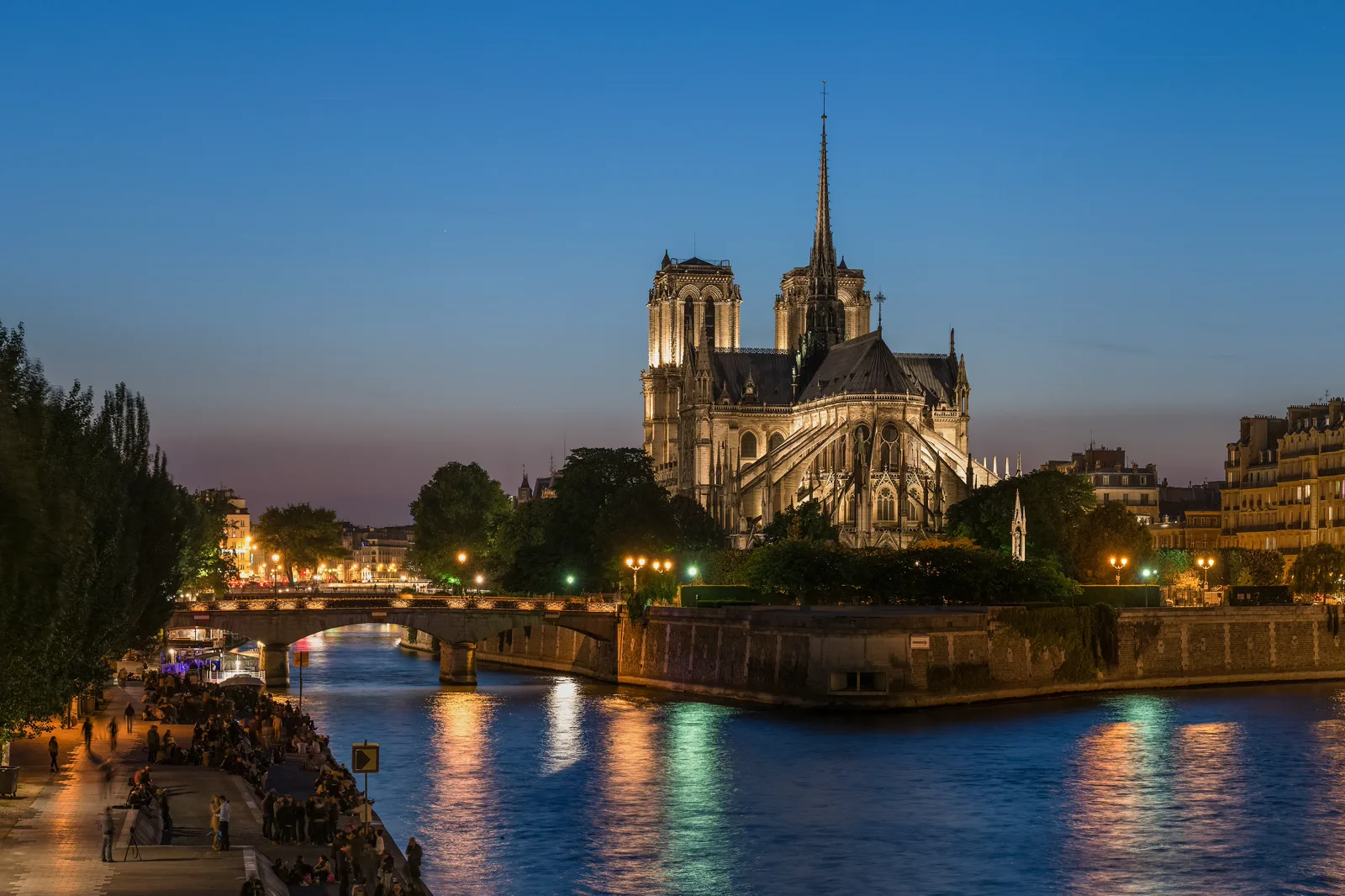
Seine Islands & the Latin Quarter
Choose a historic-core route that joins Île de la Cité to the Latin Quarter without repeating bridges or treating…
Open this guide →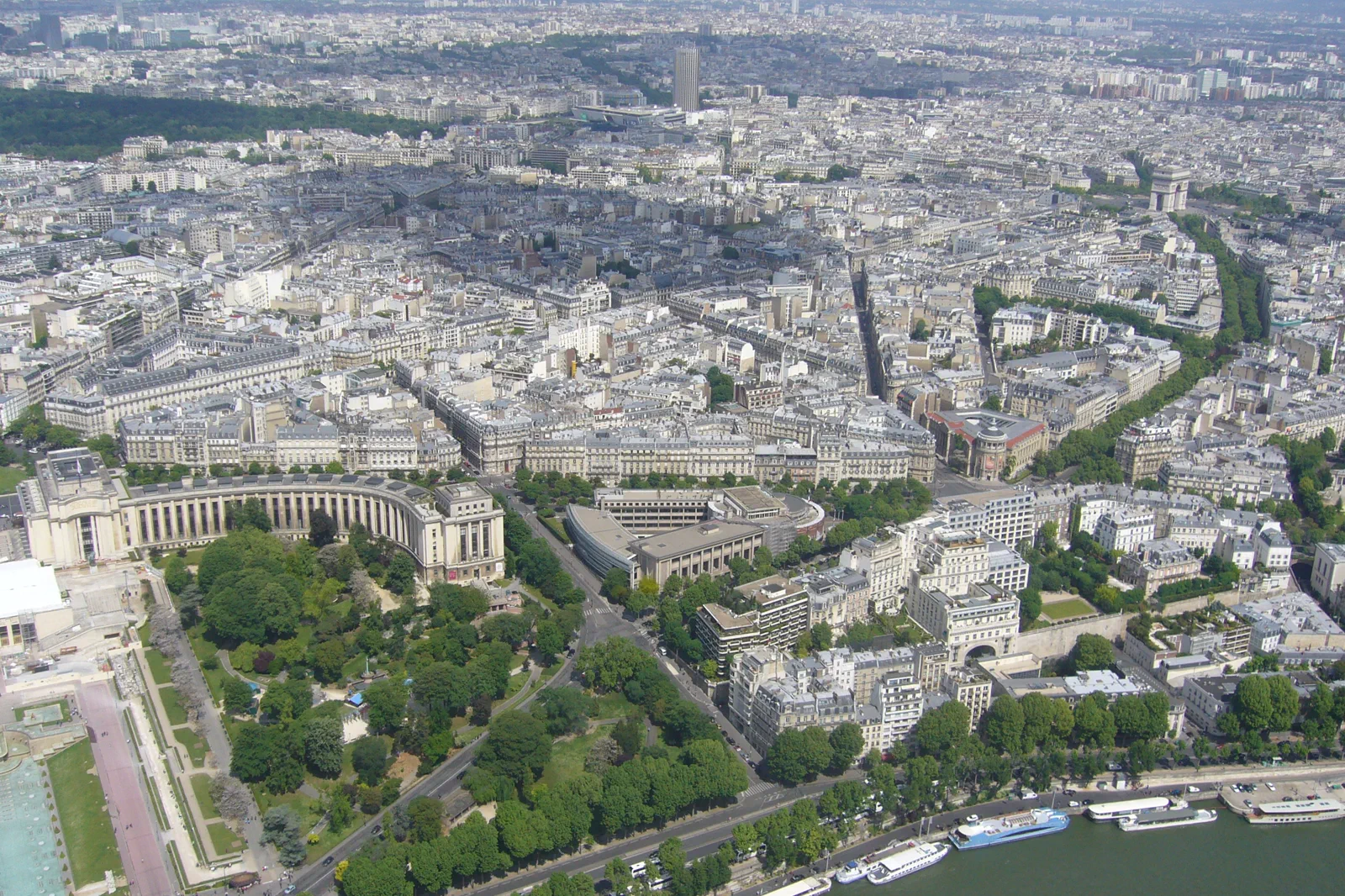
Eiffel Tower, Invalides & Western Views
Choose one paid viewpoint and connect it to the Champ de Mars or Invalides without spending the day in duplicate queues and…
Open this guide →Louvre, Tuileries & the Opéra Axis FAQ
How much time should I give Louvre, Tuileries & the Opéra Axis?
Allow six to eight hours for a bounded Louvre visit, meal, Tuileries and one northward district. An exterior palace-and-garden route can fit four hours; a full collection day should stand alone.
What should I combine with Louvre, Tuileries & the Opéra Axis?
Combine the museum axis with Palais Royal, covered passages or Opéra according to the final exit. Do not add Versailles, Montmartre or a second large museum merely because the Métro makes it possible.
What should I verify before leaving?
Check Louvre reservations, gallery closures and entrance rules, then confirm Palais Garnier or other selected interior access and current transport notices before setting the sequence.
Official sources and photo credits
Planning facts and image licensing were reviewed on 19 September 2026. Admission, transport, roads, trails, sea, fire, weather and local access can change; reopen the linked authority or operator before travel.
- Musée du Louvre — official visits and current gallery information.
- Paris Opera — official Palais Garnier visits.
- Paris je t’aime — official tourist office.
- Île-de-France Mobilités — network, fares and service information.
- SNCF Connect — national and regional rail planning.
- Notre-Dame de Paris and Île de la Cité at dusk 140516 alt.jpg — DXR, CC BY-SA 3.0. Resized, display-cropped and converted to WebP; no other material edits.
- Louvre Museum Wikimedia Commons.jpg — Benh LIEU SONG ( Flickr ), CC BY-SA 3.0. Resized, display-cropped and converted to WebP; no other material edits.
- Paris View from the Eiffel Tower third floor Seine upstream 00b Jardins du Trocadéro.jpg — Maxime Homme, CC0. Resized, display-cropped and converted to WebP; no other material edits.