Central Kyoto & Nishiki
The practical city between palace walls and the Kamo River: a market with manners, a useful transport grid and history that is political rather than purely sacred.
Central Kyoto quick facts
Use four anchors instead of one “downtown” pin
Central Kyoto stretches farther than the busiest shopping streets. Each anchor solves a different part of the day.
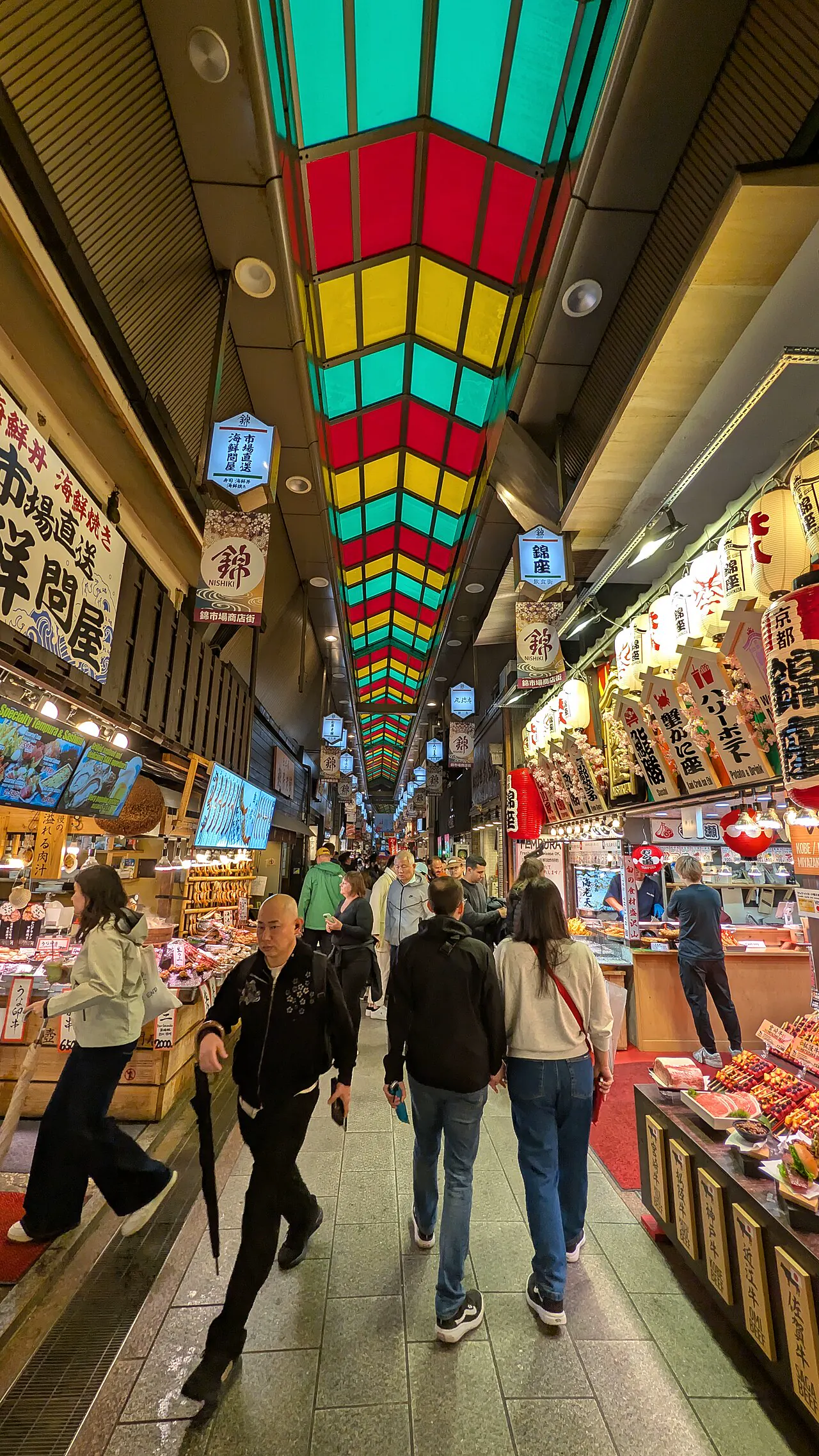
Nishiki and Teramachi
The market is a focused food corridor, while adjoining covered arcades extend shopping and provide weather protection.
Shijo and Kawaramachi
Department stores, restaurants and river access create a reliable finish with Hankyu and Keihan nearby.
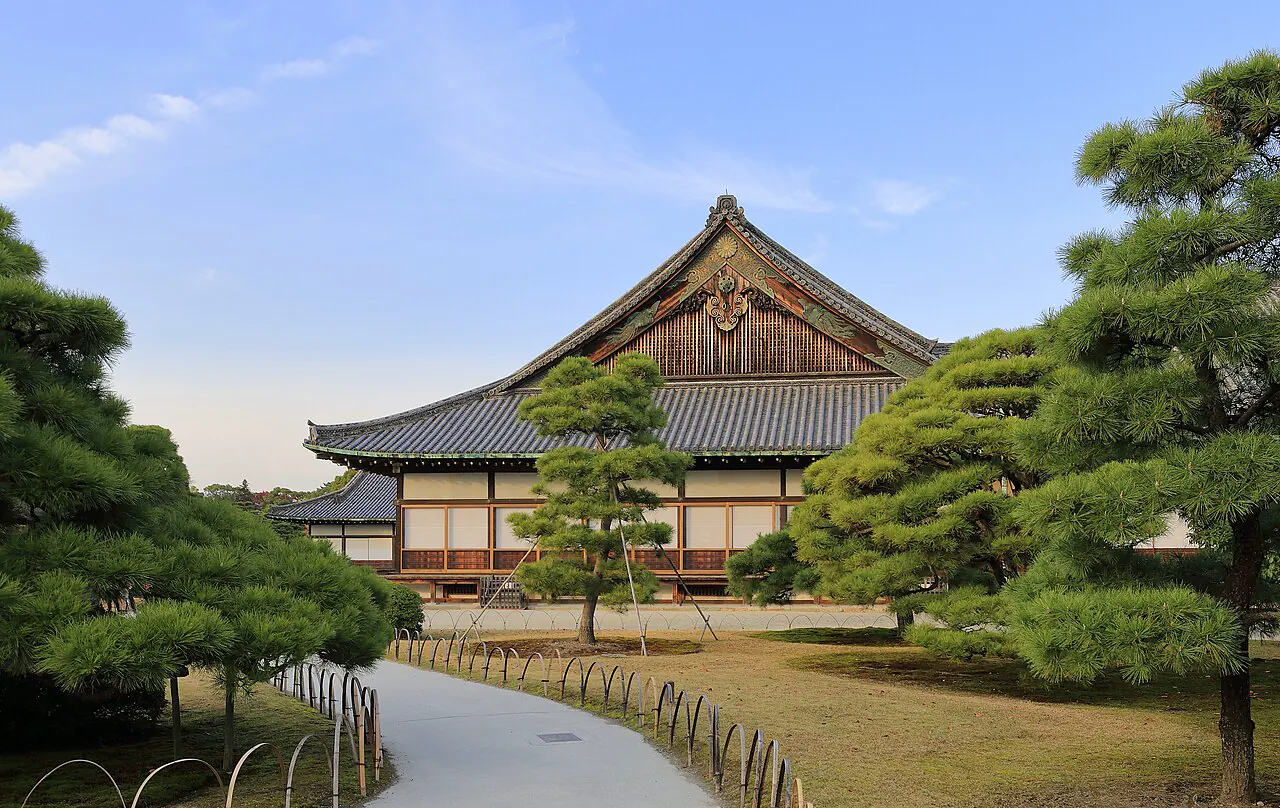
Nijo Castle
A shogunate complex with architecture and gardens. Current entry routes and palace access should be checked before arrival.
Imperial Palace and park
Broad park space and imperial history provide a different scale. Official tours and building access vary.
Sample less, notice more
Nishiki works best when you choose a handful of foods and crafts instead of stopping at every queue. Many shops are independent and keep their own hours.
At the shop
Do not eat while walking. Use the vendor's designated space, finish before moving and ask where to return packaging.
Only with awareness
Follow shop signs and ask before close-up images of staff or merchandise. A narrow counter is not a studio.
Keep the arcade flowing
Do not form a group wall or stop suddenly. If comparing options, step into a legitimate wider space.
Choose the story you want to understand
Nijo Castle centers the Tokugawa shogunate and palace architecture. The Kyoto Imperial Palace and park center the imperial city and open urban scale. Both deserve current access checks; neither benefits from a rushed checkbox visit.
- Choose Nijo for interiors, fortification and shogunate context.
- Choose the palace for imperial history and broad park space.
- Check closure days and required reservations.
- Protect at least two focused hours for the chosen site.
History first, market second, river last
Start with the site that has the firmest entry window, move into the covered central grid and finish near broad dining and rail options.
Nijo or palace → craft stop → Nishiki → Kamo
Castle or palace
Use fresh attention for the day's main historical site and any timed access.
Karasuma / craft pause
Choose a focused museum, textile or café stop instead of crossing the grid without purpose.
Nishiki Market
Sample selectively, eat at each shop and continue into the covered arcades if rain intensifies.
Kawaramachi and Kamo
Use the river for open space, then choose dinner with Hankyu or Keihan near the return route.
Downtown trades postcard quiet for daily ease
Karasuma and Kawaramachi are not equally placed. Choose Karasuma for subway and calmer streets; choose Kawaramachi for river evenings and dense dining.
Choose Karasuma when…
- The subway and simple north–south movement matter.
- You want quieter hotel blocks within walking range of dining.
- Kyoto Station transfers repeat during the stay.
- Balanced access matters more than doorstep nightlife.
Choose Kawaramachi when…
- Restaurants, Pontocho and Kamo evenings are priorities.
- Hankyu access toward western Kyoto or Osaka is useful.
- You accept busier streets and weekend foot traffic.
- You prefer to walk home after dinner.
Central Kyoto FAQ
What are the manners at Nishiki Market?
Do not eat while walking. Consume food at the shop, manage packaging as instructed, keep the aisle moving and follow each vendor's photography rules.
Is downtown a good place to stay?
Yes. It offers the strongest blend of dining and citywide transport for many first visitors, though it lacks the early-morning atmosphere of Higashiyama.
Should I visit Nijo Castle or the Imperial Palace?
Choose Nijo for shogunate architecture and interiors; choose the palace for imperial context and open park space. Check official openings first.
Is central Kyoto good in rain?
It is one of the city's most adaptable areas thanks to covered shopping arcades, museums, restaurants and subway access. Outdoor historical sites still need weather protection.
Use downtown as the hinge
Official sources and photo credits
Planning facts were reviewed on 26 August 2026. Recheck market shop hours, castle and palace access, tours, transit and temporary closures before visiting.
- Kyoto City Official Travel Guide — Central Kyoto.
- Nishiki Market — official site and visitor manners.
- Nijo Castle — official site.
- Imperial Household Agency — Kyoto Imperial Palace.
- Nishiki Market — Joli Rumi, CC BY-SA 4.0.
- Ninomaru Palace — Martin Falbisoner, CC BY-SA 4.0.