Kyoto Station & South
A vast rail interchange, a modern atrium and a practical corridor of temples and hotels. Get the side right, lose the suitcase and the transit day becomes useful time.
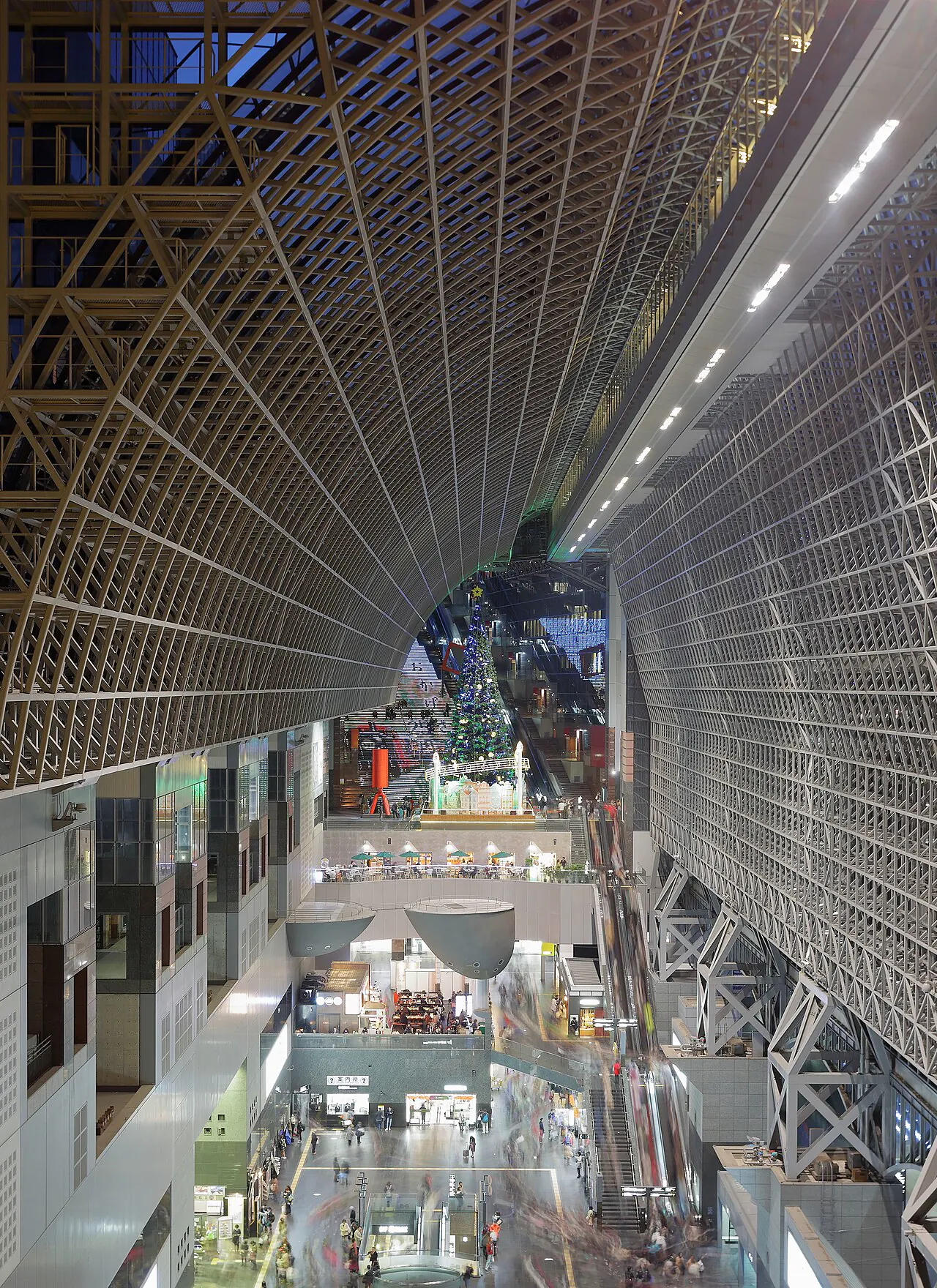
Kyoto Station quick facts
Name the side before following signs
Kyoto Station connects Shinkansen, JR conventional lines, subway, Kintetsu, buses and taxis. The correct side can save a long indoor detour.
Karasuma side
Faces Kyoto Tower and central Kyoto. Many city-bus stops, taxis and the walk toward Higashi Honganji are on this side.
Hachijo side
Useful for south-side hotels, many airport or highway coach services and routes toward Toji or Fushimi.
Station Building
Retail, dining, viewpoints and public architecture occupy several levels. Use the official floor guide instead of wandering with luggage.
Subway and passages
The Karasuma Line is the predictable spine toward Shijo and northern Kyoto. Save the nearest entrance to your hotel.
Make the bag decision before the attraction decision
Coin lockers can fill at busy times. Kyoto's Hands Free service lists staffed storage and delivery providers, giving you a second plan when lockers are unsuitable.
Deliver to the next hotel
Best when the property accepts same-day or advance luggage. Confirm cutoff, delivery date and prohibited items.
Use staffed storage
Useful for oversized bags or when a human handoff matters. Record the closing time before walking away.
Use a locker with a return plan
Photograph the locker area and station landmark. Do not assume every bank accepts the same payment or case size.
Arrival time should get lighter, not longer
Do not force an iconic cross-city attraction into a jet-lagged afternoon. Use the station corridor and preserve the geographic plan for tomorrow.
Bag drop → station architecture → temple → dinner
Store or deliver bags
Complete the practical task while services are open and note exactly where to collect anything stored.
Station Building
Use one public terrace or skyway, not every retail floor, and learn the side needed for tomorrow.
Higashi Honganji or Toji
Select by current hours, direction and energy rather than attempting both near closing.
Station or downtown dinner
Eat near the hotel, or take the subway to Shijo only if energy and luggage are already settled.
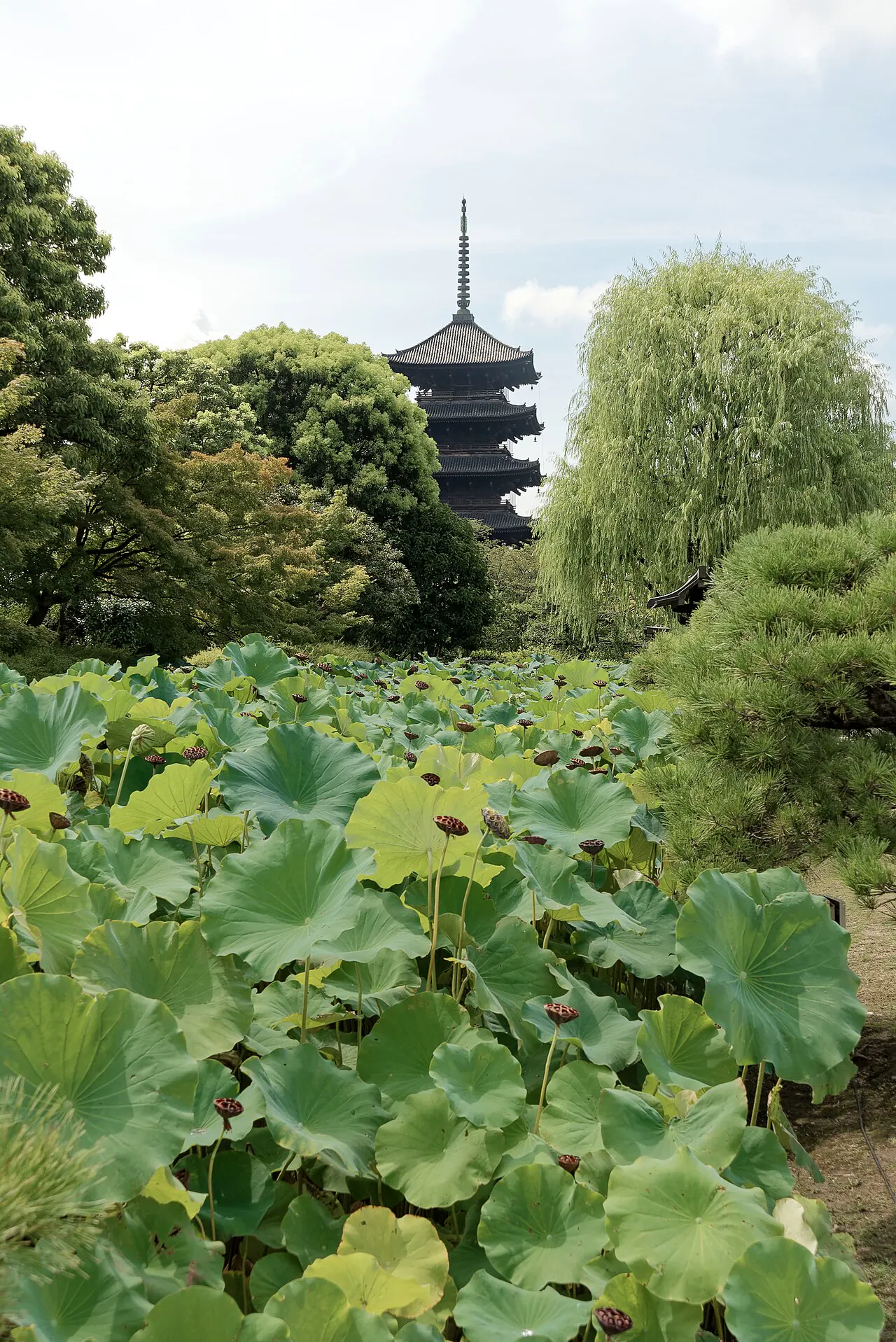
Toji is close enough only with a plan
The pagoda makes Toji look adjacent to the station, but walking with luggage or near closing can turn a simple visit into a scramble. Check the temple's official opening details and go only after the bags are handled.
- Check which halls and gardens are open.
- Review dates for the Kobo market separately.
- Allow walking time from the correct station side.
- Do not promise a pagoda interior; access is event-specific.
Efficiency is the atmosphere here
A station base is valuable when you use its strengths. If the trip is mostly evening strolls and eastern Kyoto, downtown may save more daily energy.
Stay here if…
- Shinkansen, Nara, Uji or other JR day trips repeat.
- Large luggage or an early departure shapes the stay.
- You want broad hotel and practical retail options.
- A direct return matters more than a romantic street outside.
Choose downtown if…
- Most evenings end near Nishiki, Pontocho or Gion.
- You value small streets and restaurants more than rail proximity.
- Crossing the station concourse feels draining.
- Only one intercity train occurs during the stay.
Kyoto Station FAQ
Which side of Kyoto Station should I use?
Karasuma on the north faces Kyoto Tower, downtown and many city buses. Hachijo on the south serves many coaches and south-side hotels. Follow your exact service or property instruction.
Is Kyoto Station a good place to stay?
Yes for rail, day trips and luggage. It is less atmospheric than Gion and less convenient for walking home from downtown dining.
Can I store luggage at the station?
Lockers and staffed services exist, but capacity and hours vary. Check Hands Free Kyoto and keep a backup provider, especially in peak periods.
What should I visit nearby?
Choose the station's architecture, Higashi Honganji or Toji according to current hours and your direction. One focused stop is enough for most transfer days.
Use the gateway to launch one corridor
Official sources and photo credits
Planning facts were reviewed on 26 August 2026. Recheck train and coach details, service counters, storage limits, temple hours and market dates before visiting.
- Kyoto Station Building — official site.
- Hands Free Kyoto — luggage storage and delivery.
- Kyoto City Official Travel Guide — getting around.
- Toji — official site.
- Kyoto Station atrium — Martin Falbisoner, CC BY-SA 4.0.
- Toji pagoda — Jakub Hałun, CC BY 4.0.