Épernay, Avenue de Champagne & Vineyard Villages
The Avenue de Champagne is walkable from town; the vineyards are not a free-form extension. One booked house plus one safely reached village creates the useful day.
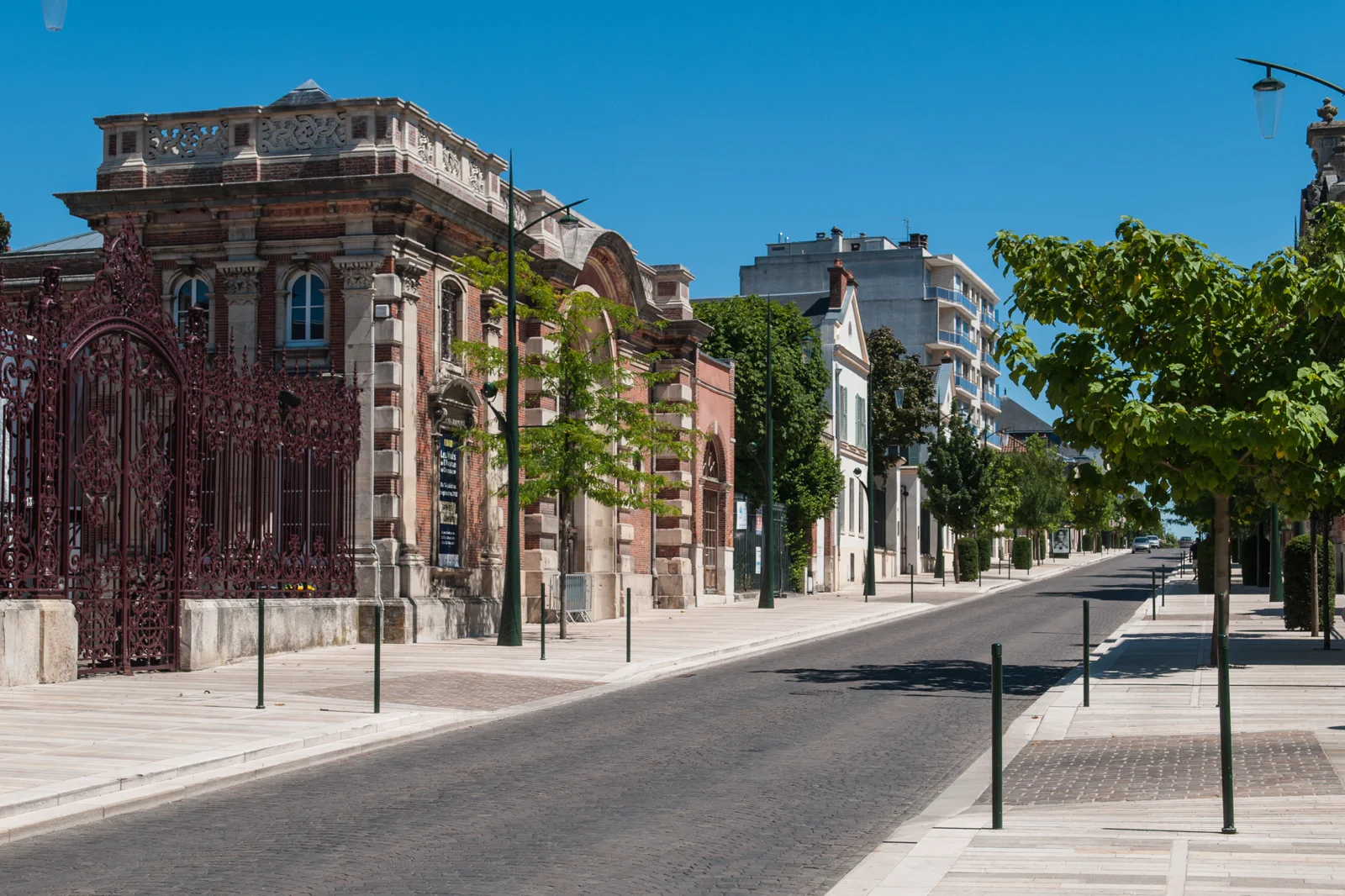
Avenue and house tour
Stay in Épernay for one major house, the avenue and town. This is the clearest rail-based option.
Small-producer appointments
Arrange visits in one village cluster with a driver, guide, bicycle plan or sober car. Appointments and distances determine the route.
Landscape without a tasting chain
Use a guided walk, viewpoint or museum context and keep alcohol optional. This suits families, non-drinkers and active travelers.
Know where the day actually begins.
Épernay station is close to the center and avenue, but rural villages spread along both sides of the Marne. Confirm the exact producer address, appointment, parking or pickup and return before leaving town.
Choose what the route leaves out.
Multiple appointments reduce flexibility and encourage unsafe rushing. The route gives up a long producer list so one house, one village cluster and a meal can be experienced responsibly.
Fit this route into Reims, Épernay & Champagne Country, not into an isolated checklist.
Champagne travel combines cathedral cities, working cellars, regulated tastings and vineyard villages. Reims and Épernay are rail-friendly bases, while rural producers and southern Champagne need appointments or a clear last mile. Alcohol tasting also changes who can drive.
Two nights support one city and one vineyard or second-city day. Reims offers the broadest rail and museum base; Épernay places the avenue and nearby vineyards closer; Troyes opens a separate southern circuit.
High-speed and regional trains connect the main cities, but cellar houses, villages and vineyards have different appointments and local transport. Never build a rural tasting day around spontaneous taxis alone.
Cellar visits operate year-round but schedules, harvest activity and village transport vary. Harvest is working time, not an open festival everywhere; winter offers quieter cities with shorter daylight.
When a rural visit cancels, keep the city’s cathedral, museums and one confirmed house. If tasting is no longer appropriate, use architecture and vineyard landscape without treating consumption as compulsory.
Arrive, read the place, commit, then protect the return.
Confirm every cellar appointment, tour language, designated transport, harvest or road restrictions and the final Épernay train.
- 01Arrive
Orient at Épernay station
Walk toward the avenue, identify the reserved house and establish the pickup or bicycle point for any rural segment.
- 02Read the place
Complete one urban appointment
Use the cellar tour to understand production and storage, then pause for food and water rather than stacking an immediate second tasting.
- 03Commit
Commit to one village cluster
Travel only through the pre-arranged method. Keep appointments geographically close and respect working yards and private vineyards.
- 04Return
Return sober and early enough
Reach Épernay with a backup train or remain overnight. The driver should not participate in tastings, even when pours seem small.
Use the live operator, monument and destination sources for this route.
The route explains the decision; these official pages control current admission, transport, weather, access and closures.
Keep the day useful when the headline plan disappears.
If a producer cancels, remain in Épernay for the avenue, a confirmed house, museum or self-guided town route. Do not knock on unlisted cellar doors or enter vineyard rows as public trails.
Confirm every cellar appointment, tour language, designated transport, harvest or road restrictions and the final Épernay train.
Change the plan before the problem compounds.
Appointments are real commitments
Small producers may be working and cannot absorb late arrivals. Reconfirm and cancel promptly if plans change.
Vineyards are working property
Use signed paths and public roads; avoid rows during operations and never treat harvest as a spectacle without permission.
Bicycle and alcohol conflict
Cycling still requires sobriety and road awareness. A guided bicycle product is not permission to over-taste.
Other ways to use Reims, Épernay & Champagne Country.
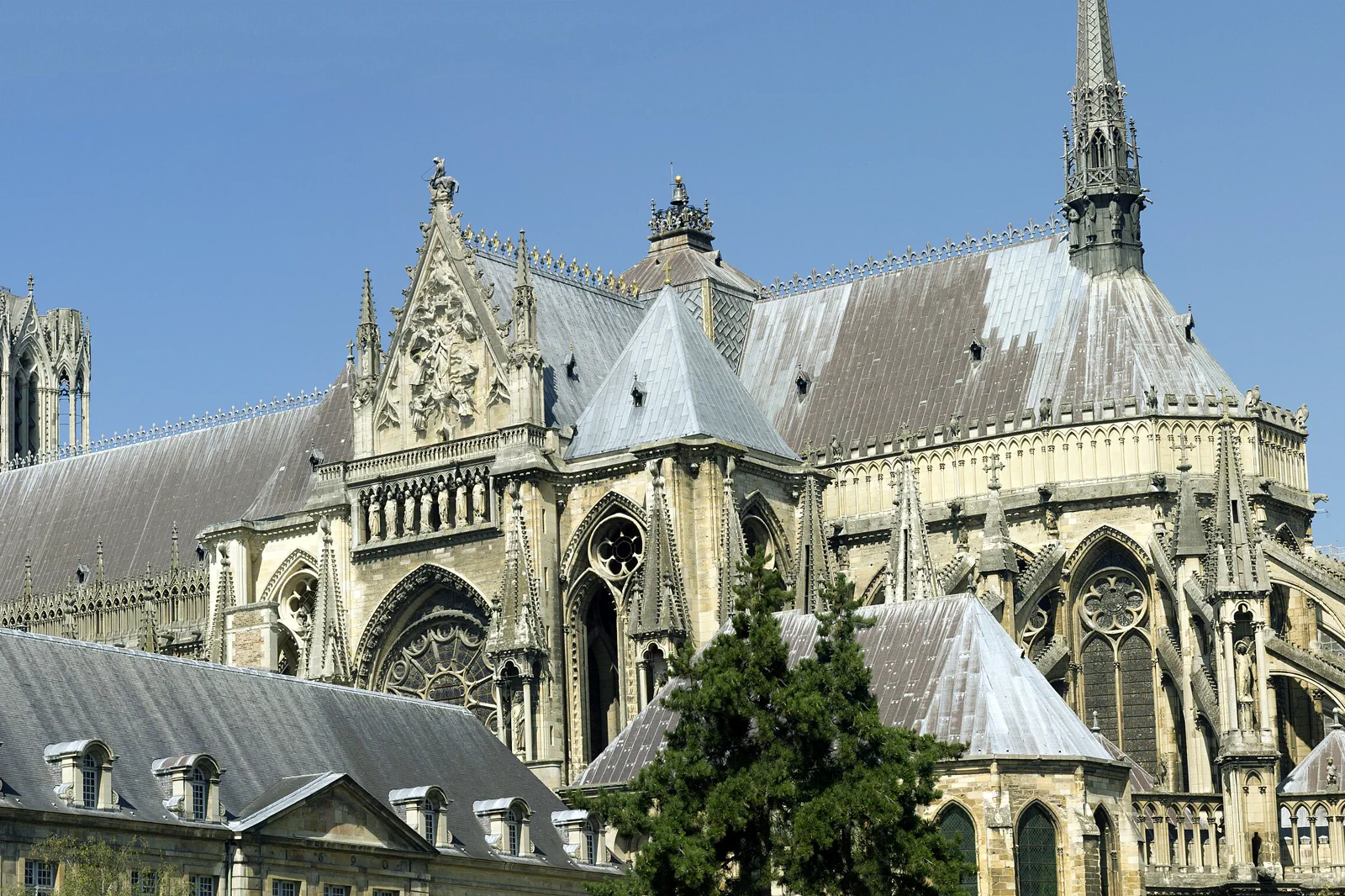
Reims Cathedral & Cellar Districts
Connect Reims’s cathedral and coronation history to one reserved cellar house, accounting for the distance between the…
Open this guide →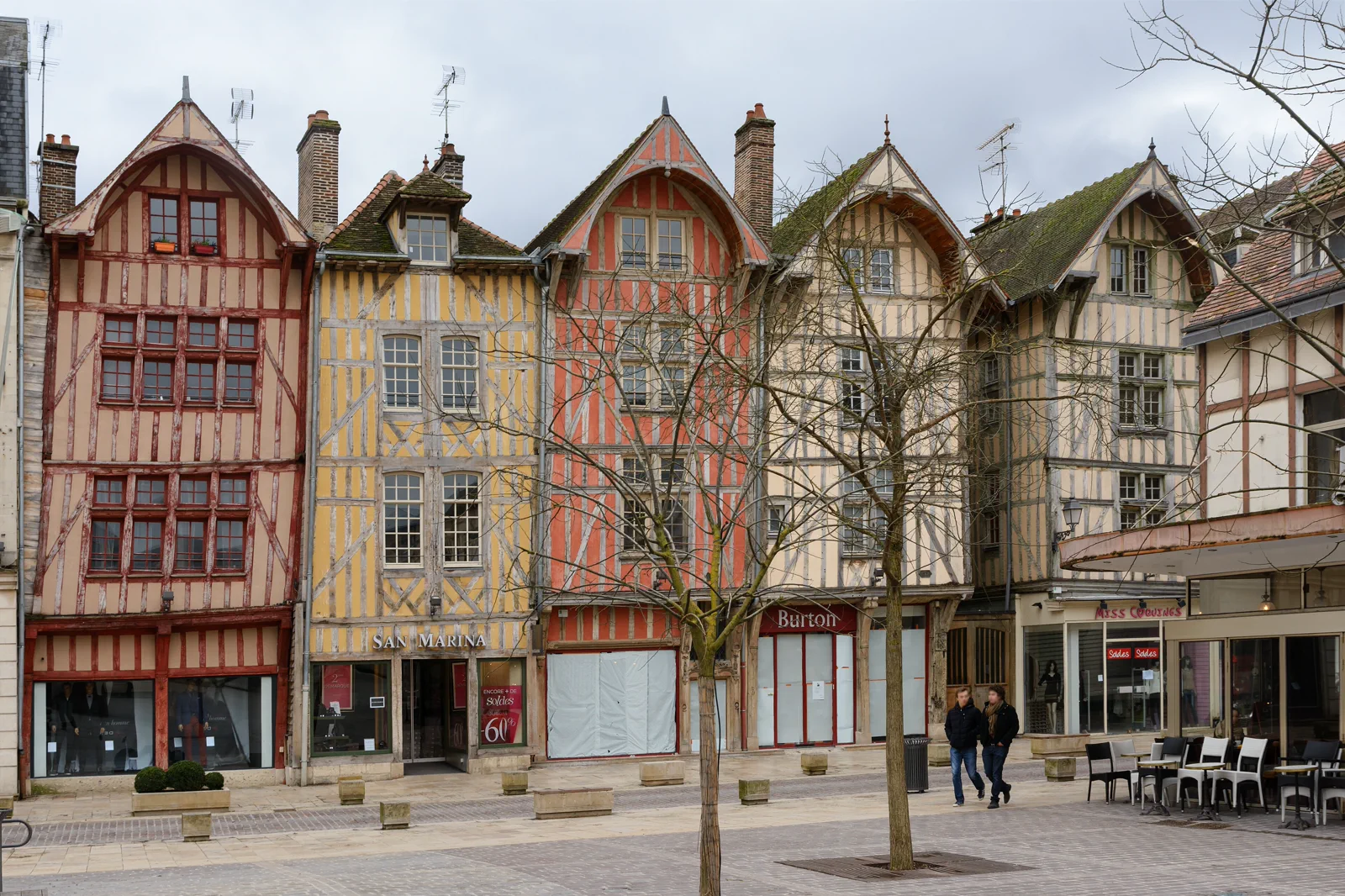
Troyes & Southern Champagne
Give Troyes’s half-timbered city and stained-glass collections an independent day, adding southern Champagne only through a…
Open this guide →Épernay, Avenue de Champagne & Vineyard Villages FAQ
How much time should I give Épernay, Avenue de Champagne & Vineyard Villages?
Allow six to eight hours for Épernay plus one nearby village cluster. An avenue-only day needs four to six hours; several producer visits require an overnight and arranged transport.
What should I combine with Épernay, Avenue de Champagne & Vineyard Villages?
Combine one Épernay house with one village or landscape activity. Keep Reims cathedral and Troyes for separate rail days.
What should I verify before leaving?
Confirm every cellar appointment, tour language, designated transport, harvest or road restrictions and the final Épernay train.
Official sources and photo credits
Planning facts and image licensing were reviewed on 19 September 2026. Admission, transport, roads, trails, sea, fire, weather and local access can change; reopen the linked authority or operator before travel.
- Épernay Pays de Champagne tourism — official planning.
- Comité Champagne — official visiting and producer context.
- Explore Grand Est — official Champagne destination guide.
- Comité Champagne — official appellation and responsible-visit context.
- TER Grand Est — official regional rail information.
- Panorama view of notre dame de reims.jpg — danigmarx, CC BY-SA 3.0. Resized, display-cropped and converted to WebP; no other material edits.
- Avenue de Champagne, Épernay (8132669246).jpg — Michal Osmenda from Brussels, Belgium, CC BY 2.0. Resized, display-cropped and converted to WebP; no other material edits.
- Troyes rue Emile Zola maisons pans de bois.jpg — Myrabella, CC BY-SA 4.0. Resized, display-cropped and converted to WebP; no other material edits.