Troyes & Southern Champagne
Troyes is not a consolation stop after Reims: its compact medieval streets, churches and museums support a complete city route before any vineyard transfer.
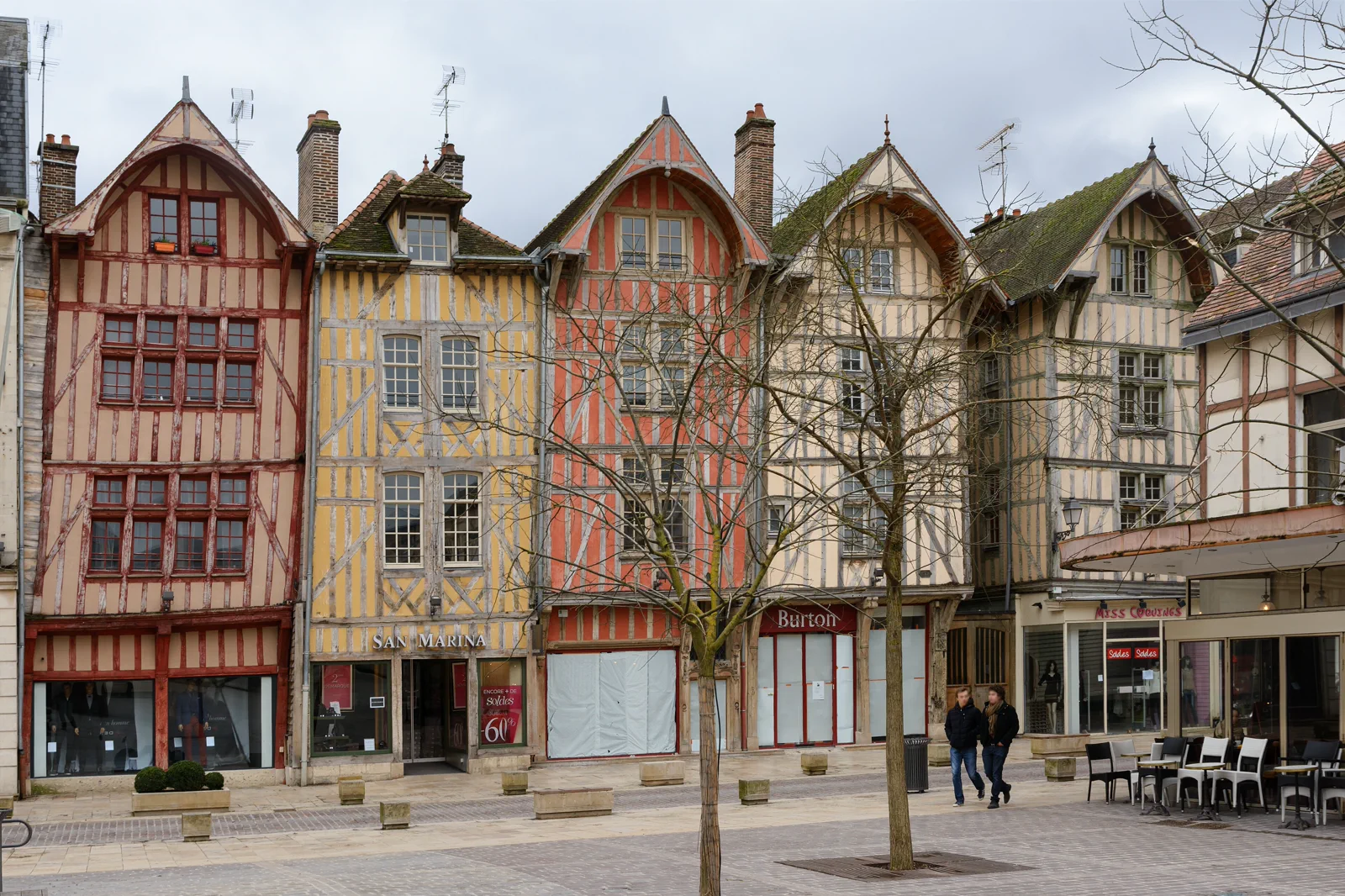
Historic Troyes
Follow the “cork-shaped” center, cathedral and selected churches, using one museum or stained-glass collection as the indoor anchor.
Textile and design context
Use Troyes’s industrial and outlet history selectively, keeping the historic center as a contrasting layer rather than a shopping transfer.
Côte des Bar excursion
Arrange one southern producer or vineyard landscape route with transport and appointments. This is a separate rural contract from the city walk.
Know where the day actually begins.
Troyes station is walkable to the historic center. Côte des Bar villages lie much farther south and generally need a car, guide or arranged transfer; do not infer a rural route from the city’s Champagne name.
Choose what the route leaves out.
A rural excursion removes time for several churches and museums. The route gives up outlet shopping or an additional producer so Troyes remains more than a lunch stop.
Fit this route into Reims, Épernay & Champagne Country, not into an isolated checklist.
Champagne travel combines cathedral cities, working cellars, regulated tastings and vineyard villages. Reims and Épernay are rail-friendly bases, while rural producers and southern Champagne need appointments or a clear last mile. Alcohol tasting also changes who can drive.
Two nights support one city and one vineyard or second-city day. Reims offers the broadest rail and museum base; Épernay places the avenue and nearby vineyards closer; Troyes opens a separate southern circuit.
High-speed and regional trains connect the main cities, but cellar houses, villages and vineyards have different appointments and local transport. Never build a rural tasting day around spontaneous taxis alone.
Cellar visits operate year-round but schedules, harvest activity and village transport vary. Harvest is working time, not an open festival everywhere; winter offers quieter cities with shorter daylight.
When a rural visit cancels, keep the city’s cathedral, museums and one confirmed house. If tasting is no longer appropriate, use architecture and vineyard landscape without treating consumption as compulsory.
Arrive, read the place, commit, then protect the return.
Check Troyes museum and church access, any Côte des Bar appointment, road conditions, responsible transport and the final train.
- 01Arrive
Enter the cork-shaped center
Walk from the station through the western edge, identify the return route and begin with the market or central streets.
- 02Read the place
Read timber, church and glass
Connect cathedral and selected churches with a stained-glass or museum interior. Check religious closures rather than assuming every door is open.
- 03Commit
Choose city depth or Côte des Bar
Continue through lanes and collections, or meet the booked rural transport. One choice should own the afternoon.
- 04Return
Return through a simple western line
Finish near the station side of the center or return from the Côte des Bar with enough road margin for the booked train.
Use the live operator, monument and destination sources for this route.
The route explains the decision; these official pages control current admission, transport, weather, access and closures.
Keep the day useful when the headline plan disappears.
If a rural appointment fails, use Troyes’s museums, cathedral and old streets. If churches close, the Cité du Vitrail or another current collection can carry the interpretation without an unscheduled drive.
Check Troyes museum and church access, any Côte des Bar appointment, road conditions, responsible transport and the final train.
Change the plan before the problem compounds.
Church access changes around services
Keep the street and museum route useful even when an interior pauses.
Côte des Bar is not suburban Troyes
Road distance and sparse transit require a vehicle and sober-driver plan.
Outlet districts consume time
If shopping is a priority, treat it as the main second block rather than a quick stop between heritage sites.
Other ways to use Reims, Épernay & Champagne Country.
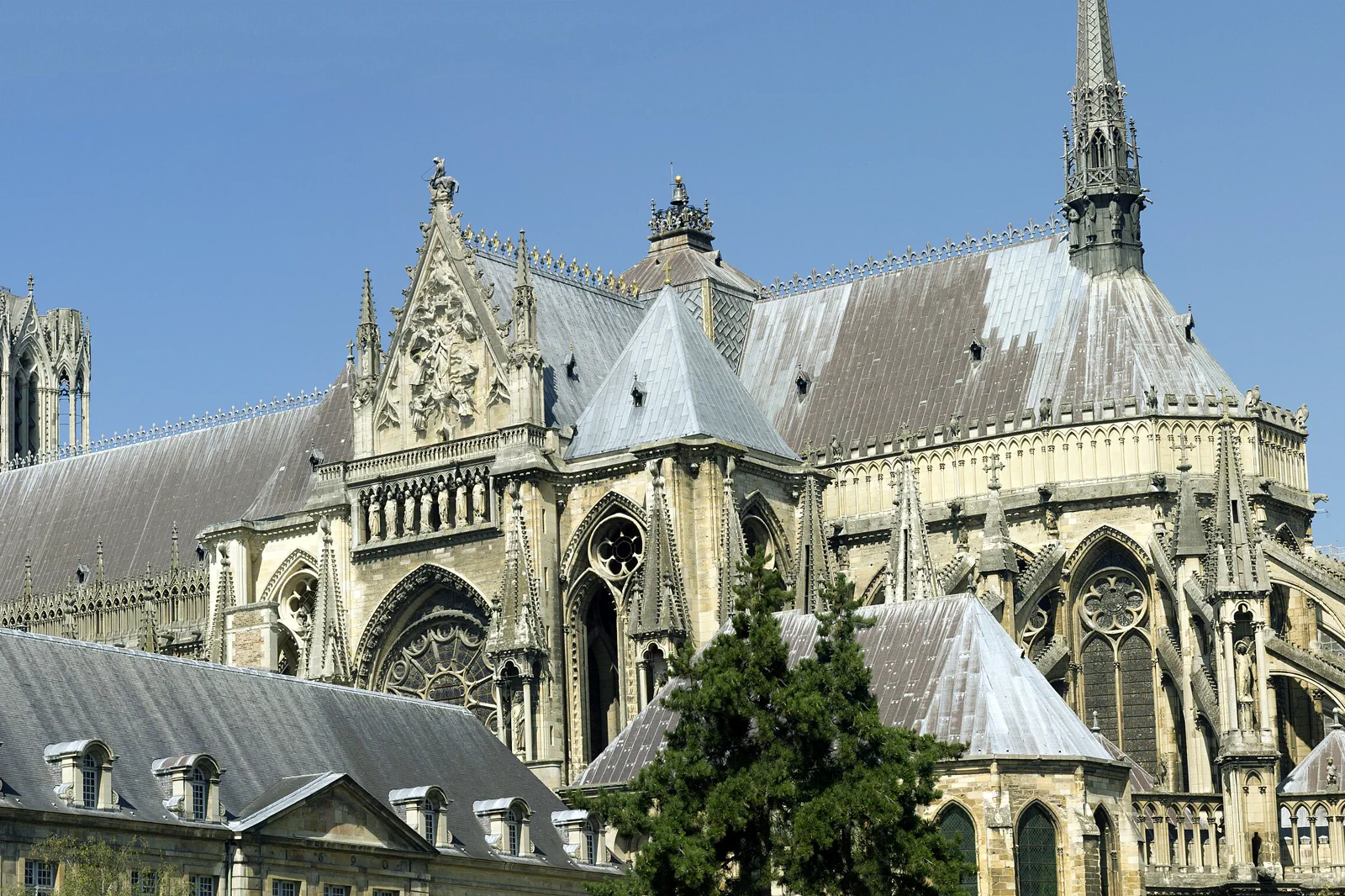
Reims Cathedral & Cellar Districts
Connect Reims’s cathedral and coronation history to one reserved cellar house, accounting for the distance between the…
Open this guide →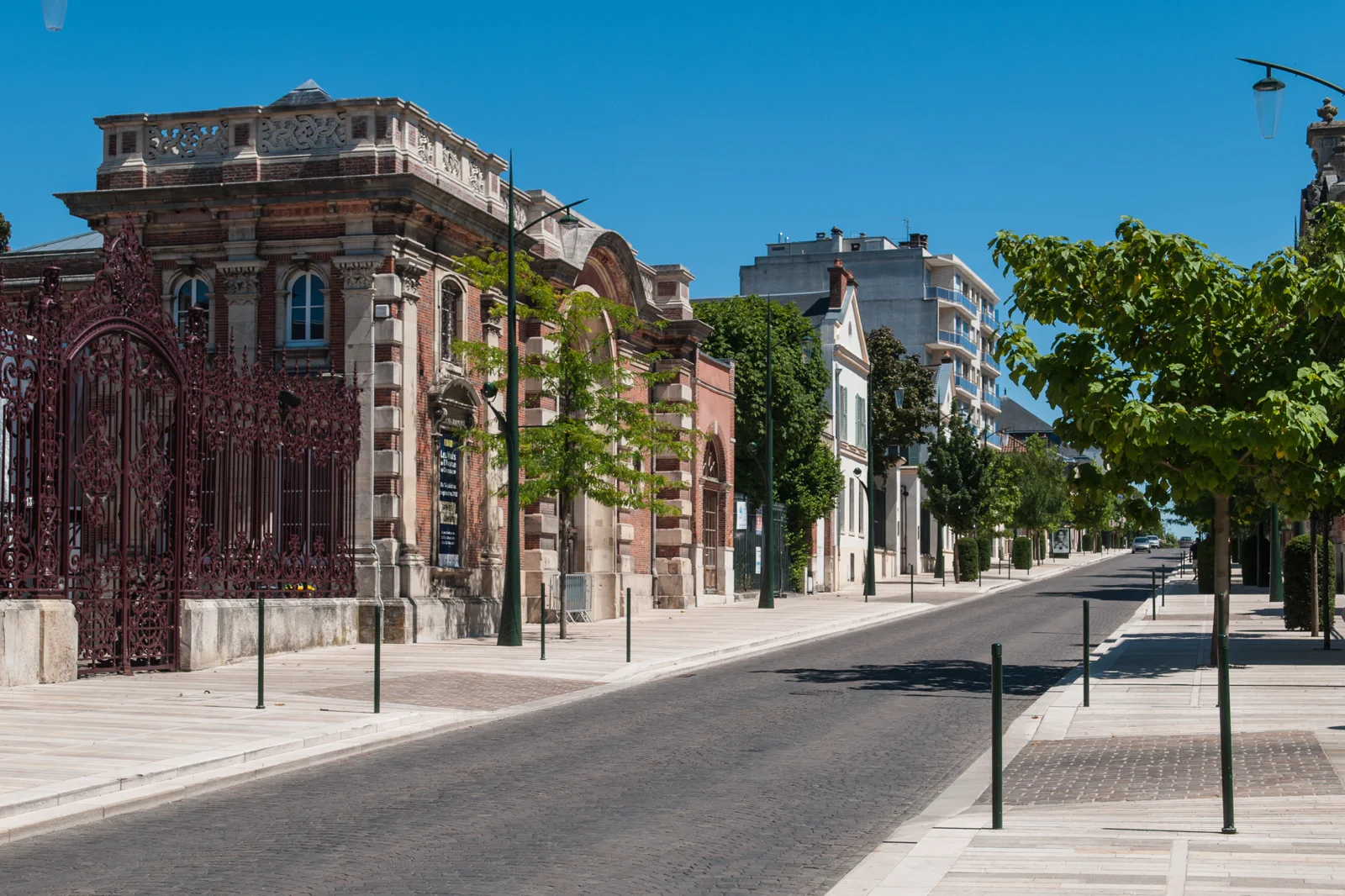
Épernay, Avenue de Champagne & Vineyard Villages
Choose between an urban house visit and a rural producer route, then solve appointments and sober transport before arriving…
Open this guide →Troyes & Southern Champagne FAQ
How much time should I give Troyes & Southern Champagne?
Allow five to seven hours for Troyes and a full day for a city-plus-Côte des Bar itinerary. Rural appointments work best with an overnight.
What should I combine with Troyes & Southern Champagne?
Combine Troyes with one southern Champagne appointment or nearby lake only on a planned road day. Keep Reims and Épernay on their own northern corridor.
What should I verify before leaving?
Check Troyes museum and church access, any Côte des Bar appointment, road conditions, responsible transport and the final train.
Official sources and photo credits
Planning facts and image licensing were reviewed on 19 September 2026. Admission, transport, roads, trails, sea, fire, weather and local access can change; reopen the linked authority or operator before travel.
- Troyes La Champagne tourism — official city guide.
- Côte des Bar tourism — official southern Champagne planning.
- Explore Grand Est — official Champagne destination guide.
- Comité Champagne — official appellation and responsible-visit context.
- TER Grand Est — official regional rail information.
- Panorama view of notre dame de reims.jpg — danigmarx, CC BY-SA 3.0. Resized, display-cropped and converted to WebP; no other material edits.
- Avenue de Champagne, Épernay (8132669246).jpg — Michal Osmenda from Brussels, Belgium, CC BY 2.0. Resized, display-cropped and converted to WebP; no other material edits.
- Troyes rue Emile Zola maisons pans de bois.jpg — Myrabella, CC BY-SA 4.0. Resized, display-cropped and converted to WebP; no other material edits.