Reims Cathedral & Cellar Districts
Use the cathedral and Palais du Tau context in the center, then travel to one house whose tour language, time and tasting conditions are confirmed.
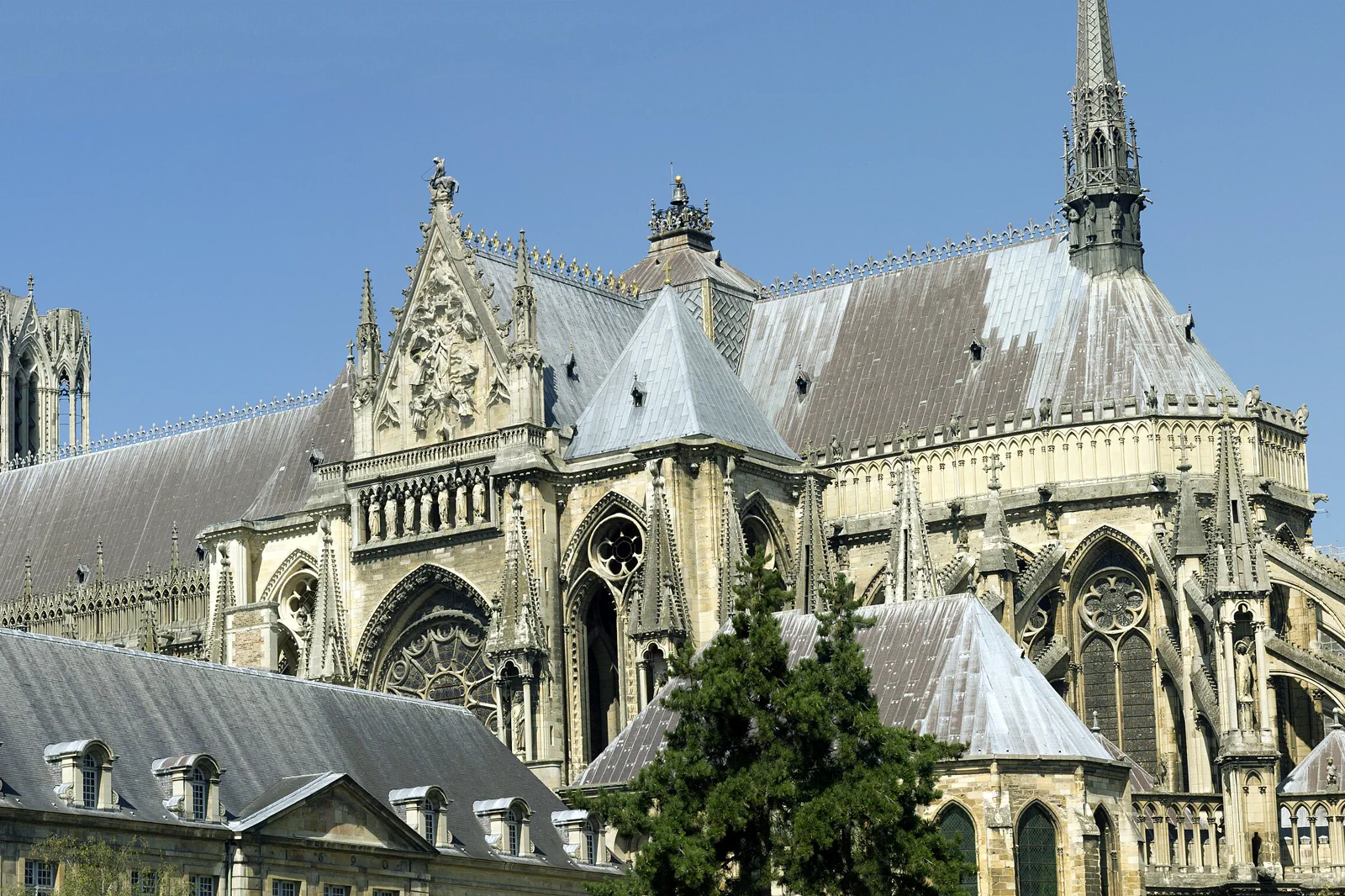
Cathedral and city history
Prioritize the cathedral, civic center and museums. This is a complete non-tasting day and the best option when cellar slots do not align.
One major cellar house
Reserve a specific tour and build the day around its district. Cellar temperature, stairs and tasting rules belong in the plan.
Reims plus vineyard edge
Use an arranged excursion to a nearby village or producer after a compact city morning. The rural pickup and designated driver must be explicit.
Know where the day actually begins.
Reims Centre station serves the core; Champagne-Ardenne TGV may require a tram or train connection. Many cellar houses are south or east of the cathedral center, so use the current urban route and exact visitor entrance.
Choose what the route leaves out.
Two cellar tours can repeat production explanations and crowd out the cathedral. The route chooses one house and one historic layer, leaving comparison tasting or rural producers for another day.
Fit this route into Reims, Épernay & Champagne Country, not into an isolated checklist.
Champagne travel combines cathedral cities, working cellars, regulated tastings and vineyard villages. Reims and Épernay are rail-friendly bases, while rural producers and southern Champagne need appointments or a clear last mile. Alcohol tasting also changes who can drive.
Two nights support one city and one vineyard or second-city day. Reims offers the broadest rail and museum base; Épernay places the avenue and nearby vineyards closer; Troyes opens a separate southern circuit.
High-speed and regional trains connect the main cities, but cellar houses, villages and vineyards have different appointments and local transport. Never build a rural tasting day around spontaneous taxis alone.
Cellar visits operate year-round but schedules, harvest activity and village transport vary. Harvest is working time, not an open festival everywhere; winter offers quieter cities with shorter daylight.
When a rural visit cancels, keep the city’s cathedral, museums and one confirmed house. If tasting is no longer appropriate, use architecture and vineyard landscape without treating consumption as compulsory.
Arrive, read the place, commit, then protect the return.
Check cathedral access, the cellar house reservation and language, Reims transit and the correct TGV or central station before departure.
- 01Arrive
Enter through the correct station
Confirm whether the train ends at Reims Centre or Champagne-Ardenne TGV and complete the urban transfer before the first reservation.
- 02Read the place
Read the coronation center
Use the cathedral, exterior sculpture and nearby interpretation in a compact loop. Respect services and temporary access controls.
- 03Commit
Travel to one booked cellar
Arrive at the named visitor reception, dress for cool underground conditions and follow the tour’s age, mobility and language rules.
- 04Return
Return without driving pressure
Use tram, bus, taxi or a designated driver and finish near the center. Leave time after tasting before the train and eat before more alcohol.
Use the live operator, monument and destination sources for this route.
The route explains the decision; these official pages control current admission, transport, weather, access and closures.
Keep the day useful when the headline plan disappears.
If the cellar cancels, deepen the cathedral and museum day or reserve a city-based tasting only through a current official provider. If cathedral access pauses, use the exterior and Musée Saint-Remi or another confirmed collection.
Check cathedral access, the cellar house reservation and language, Reims transit and the correct TGV or central station before departure.
Change the plan before the problem compounds.
Cellars are cool and physical
Long stairs, uneven surfaces and low temperatures may affect visitors; check accessibility directly with the house.
TGV station assumptions cause delays
Champagne-Ardenne TGV is not the cathedral station. Build the connector into every timed booking.
Tasting needs a transport decision
Do not drive after alcohol. Confirm a sober driver, transit or tour before the first glass.
Other ways to use Reims, Épernay & Champagne Country.
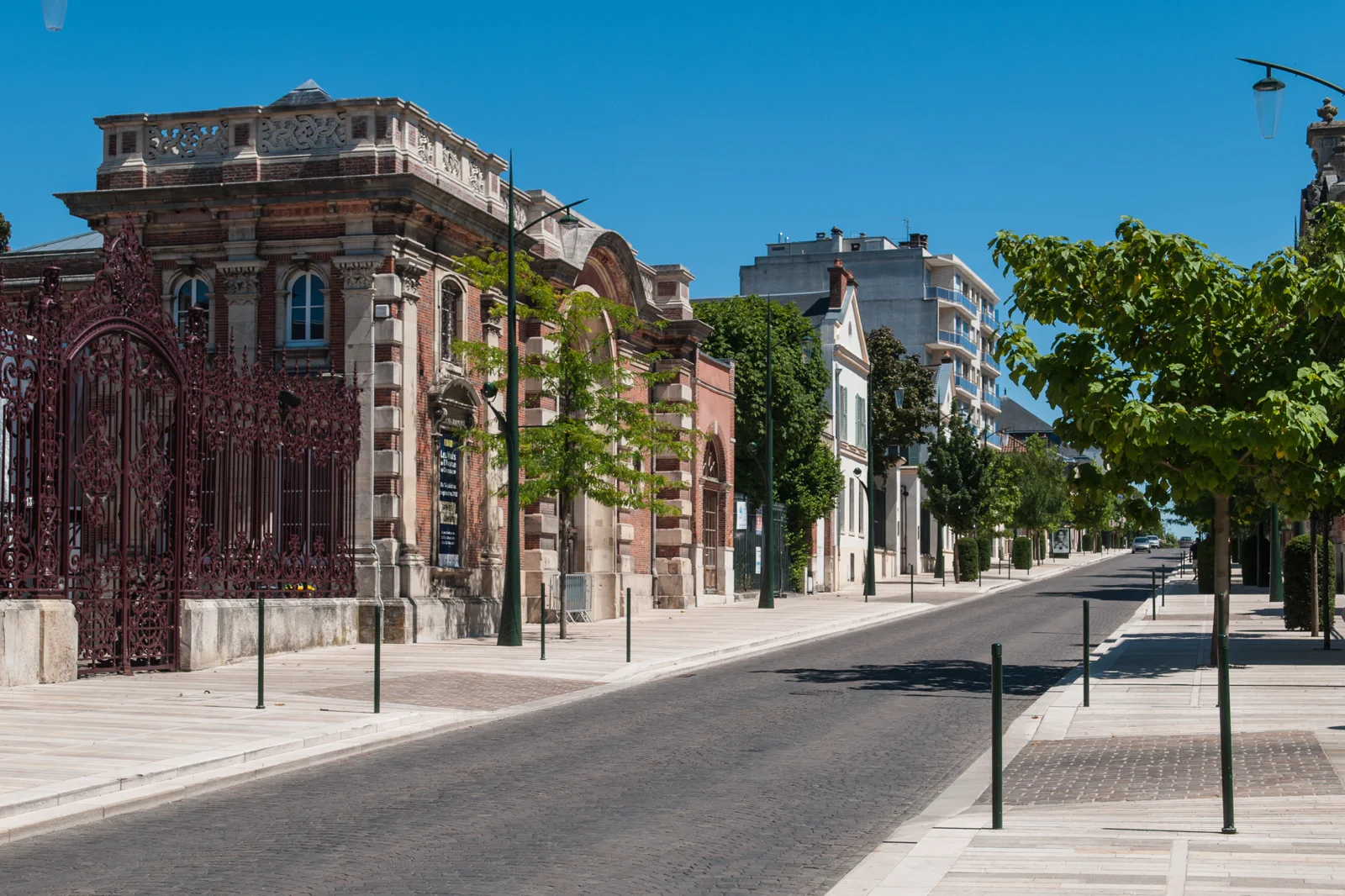
Épernay, Avenue de Champagne & Vineyard Villages
Choose between an urban house visit and a rural producer route, then solve appointments and sober transport before arriving…
Open this guide →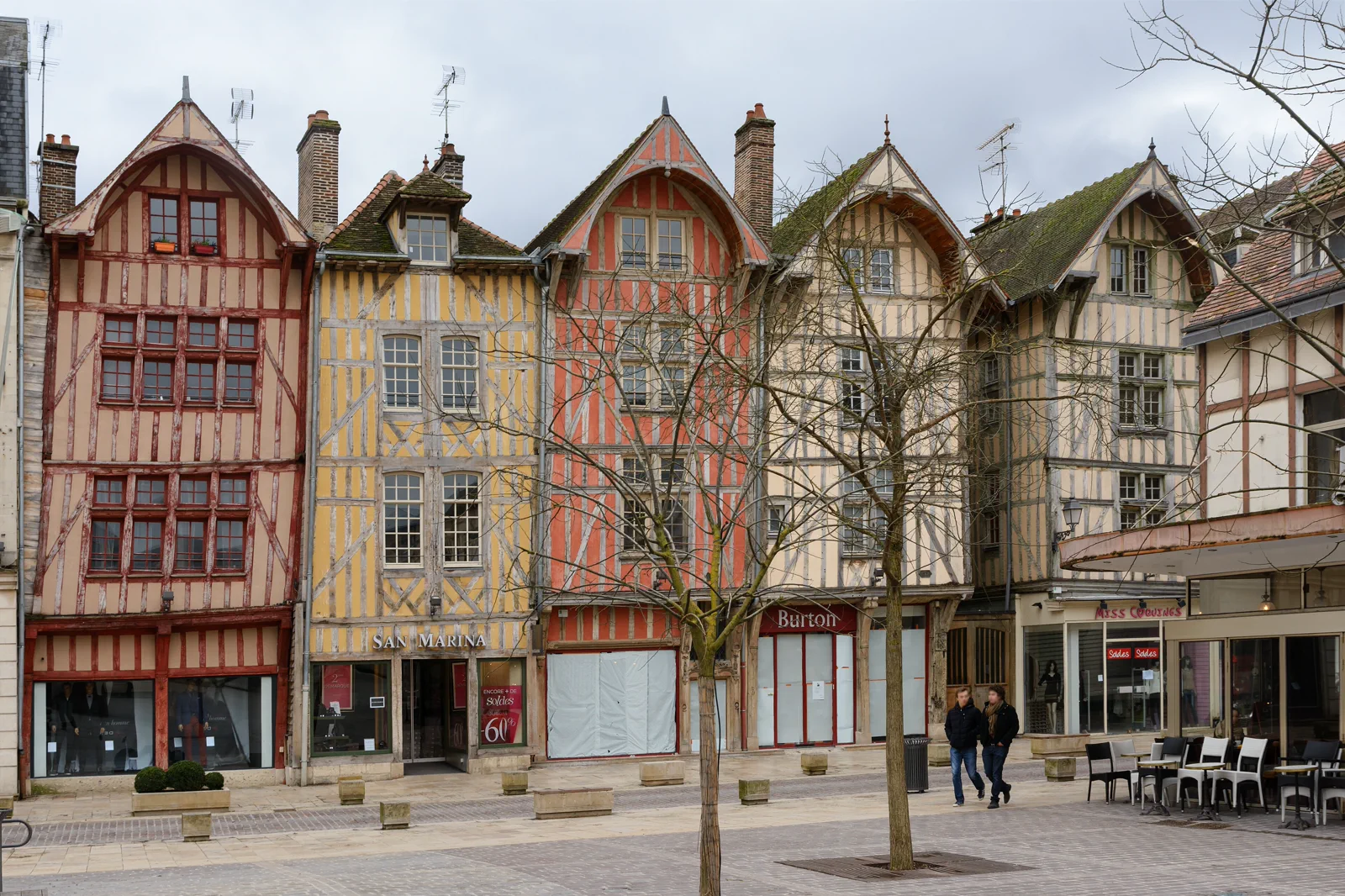
Troyes & Southern Champagne
Give Troyes’s half-timbered city and stained-glass collections an independent day, adding southern Champagne only through a…
Open this guide →Reims Cathedral & Cellar Districts FAQ
How much time should I give Reims Cathedral & Cellar Districts?
Allow six to eight hours for cathedral context, meal and one cellar tour. A rural producer excursion or second house needs another half or full day.
What should I combine with Reims Cathedral & Cellar Districts?
Combine the center with one Reims cellar district. Keep Épernay’s avenue and vineyard villages for a separate day.
What should I verify before leaving?
Check cathedral access, the cellar house reservation and language, Reims transit and the correct TGV or central station before departure.
Official sources and photo credits
Planning facts and image licensing were reviewed on 19 September 2026. Admission, transport, roads, trails, sea, fire, weather and local access can change; reopen the linked authority or operator before travel.
- Reims Tourism — official city and cellar planning.
- Notre-Dame de Reims Cathedral — official visitor information.
- Explore Grand Est — official Champagne destination guide.
- Comité Champagne — official appellation and responsible-visit context.
- TER Grand Est — official regional rail information.
- Panorama view of notre dame de reims.jpg — danigmarx, CC BY-SA 3.0. Resized, display-cropped and converted to WebP; no other material edits.
- Avenue de Champagne, Épernay (8132669246).jpg — Michal Osmenda from Brussels, Belgium, CC BY 2.0. Resized, display-cropped and converted to WebP; no other material edits.
- Troyes rue Emile Zola maisons pans de bois.jpg — Myrabella, CC BY-SA 4.0. Resized, display-cropped and converted to WebP; no other material edits.