Gyeongju is read in layers.
Royal tombs sit beside cafés, palace foundations become an evening walk and Buddhist sculpture continues into the mountains. Give each layer its own light, transport and attention instead of compressing a millennium into one bus loop.
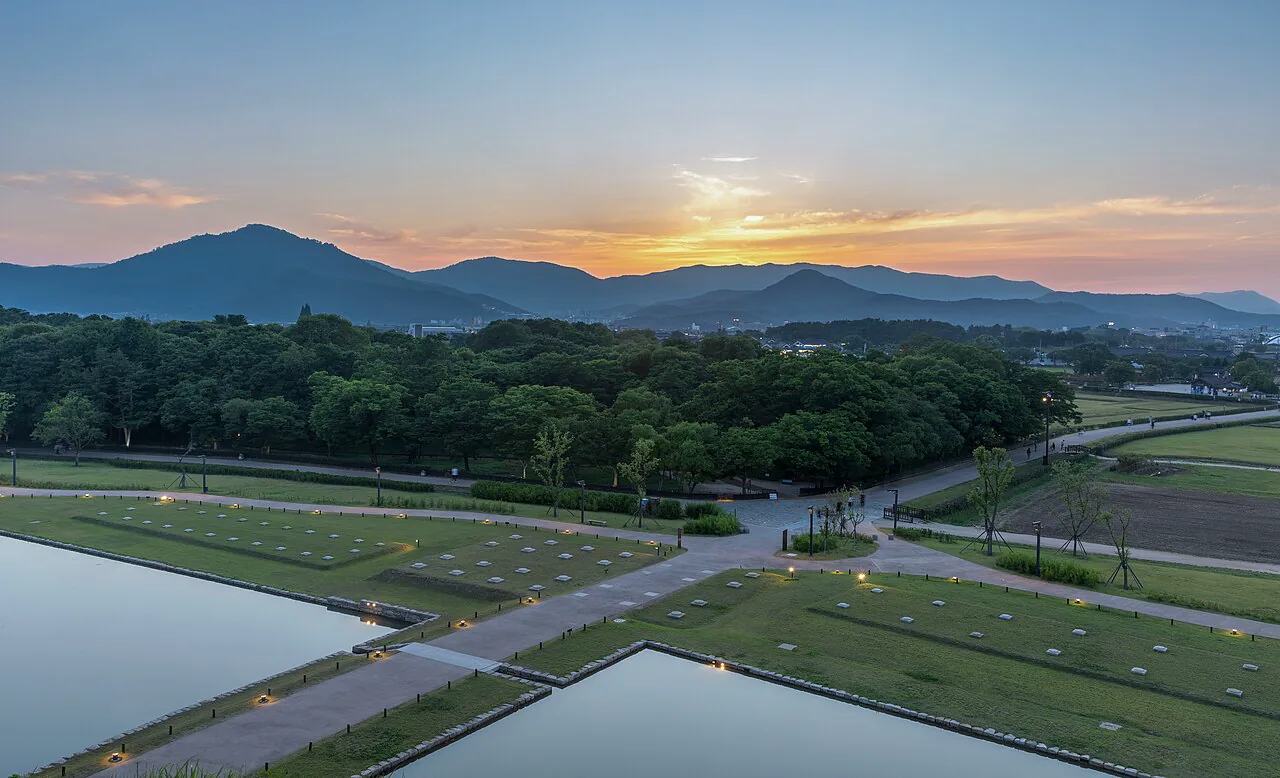
Gyeongju quick facts
Four layers change how the day works
The visible city includes burial landscapes, palace and temple archaeology, mountain belief and later lived settlements. The point is not to memorize dates; it is to stop treating every site as interchangeable.
Tumuli and center
Landscape, tomb interiors, streets and evening light fit a walkable core.
Wolseong belt
Museum context and excavation traces make the blue-hour reflection more legible.
Tohamsan and Namsan
A formal temple pair and an archaeological mountain require separate movement.
Yangdong
A resident village is entered with restraint, not consumed as an outdoor set.
Choose the kind of attention first
Each guide has a different job: pacing a central day, timing a night landscape, protecting a temple axis, choosing a trail, recovering by the lake or entering a living village responsibly.
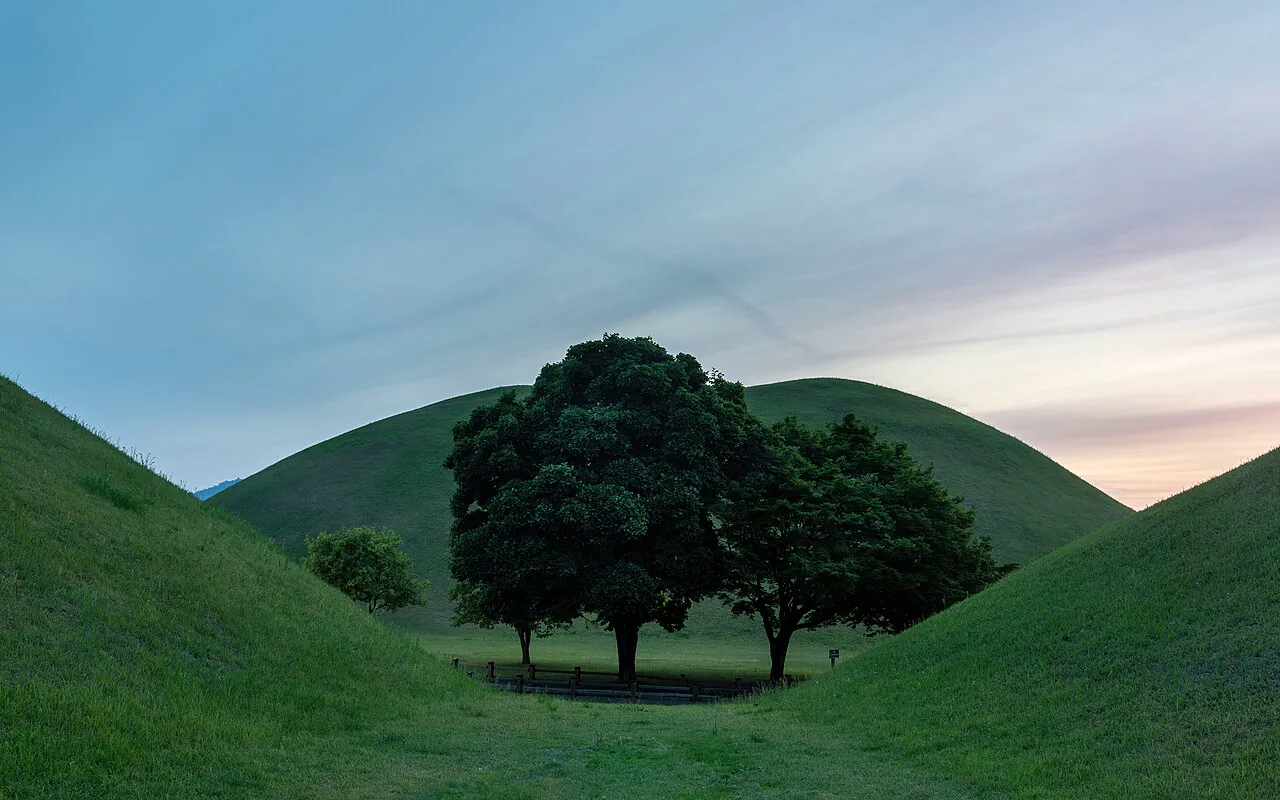
Daereungwon & Hwangnidan-gil
Move from quiet royal earth to a busy food street without letting either erase the other.
Follow the day arc →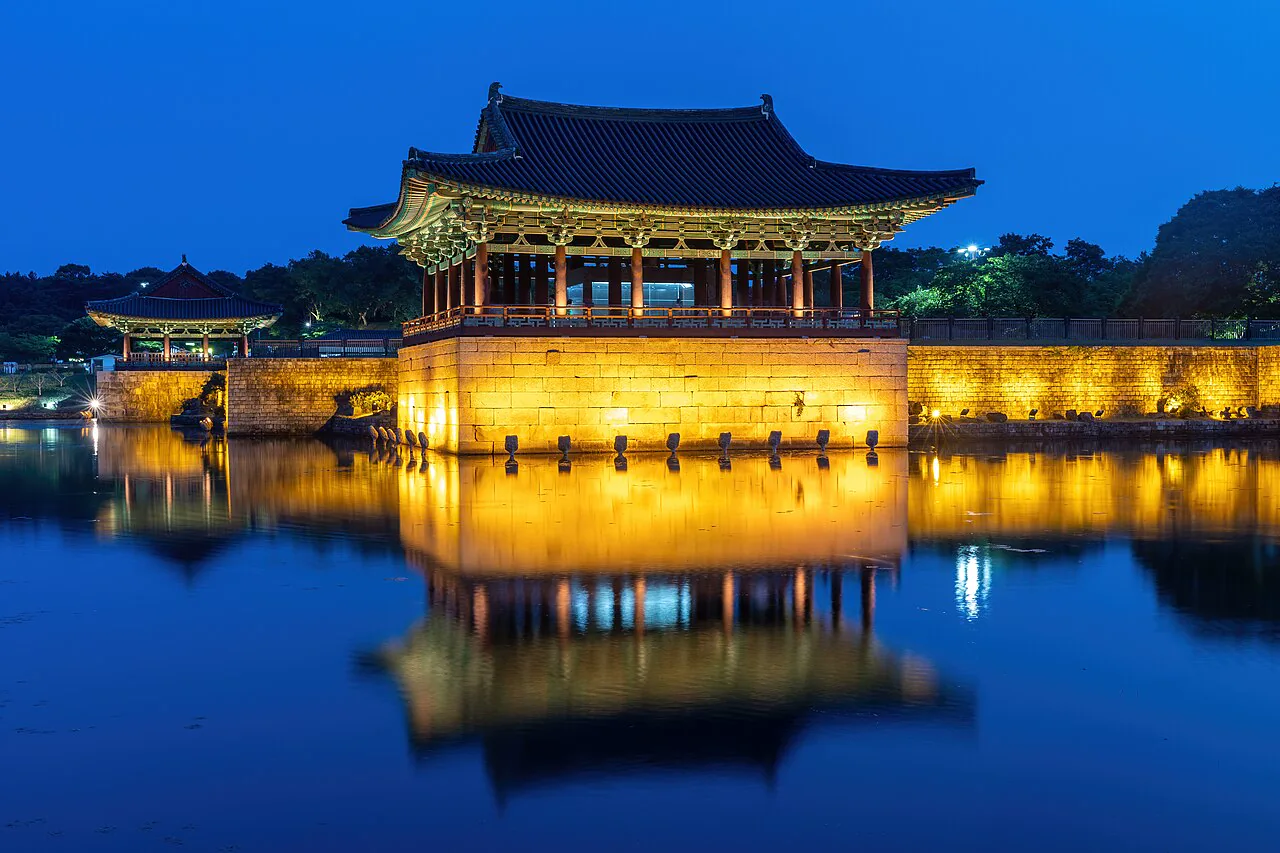
Wolseong & Donggung
Build historical context before the famous reflection, then leave a safe evening margin.
Open the light ledger →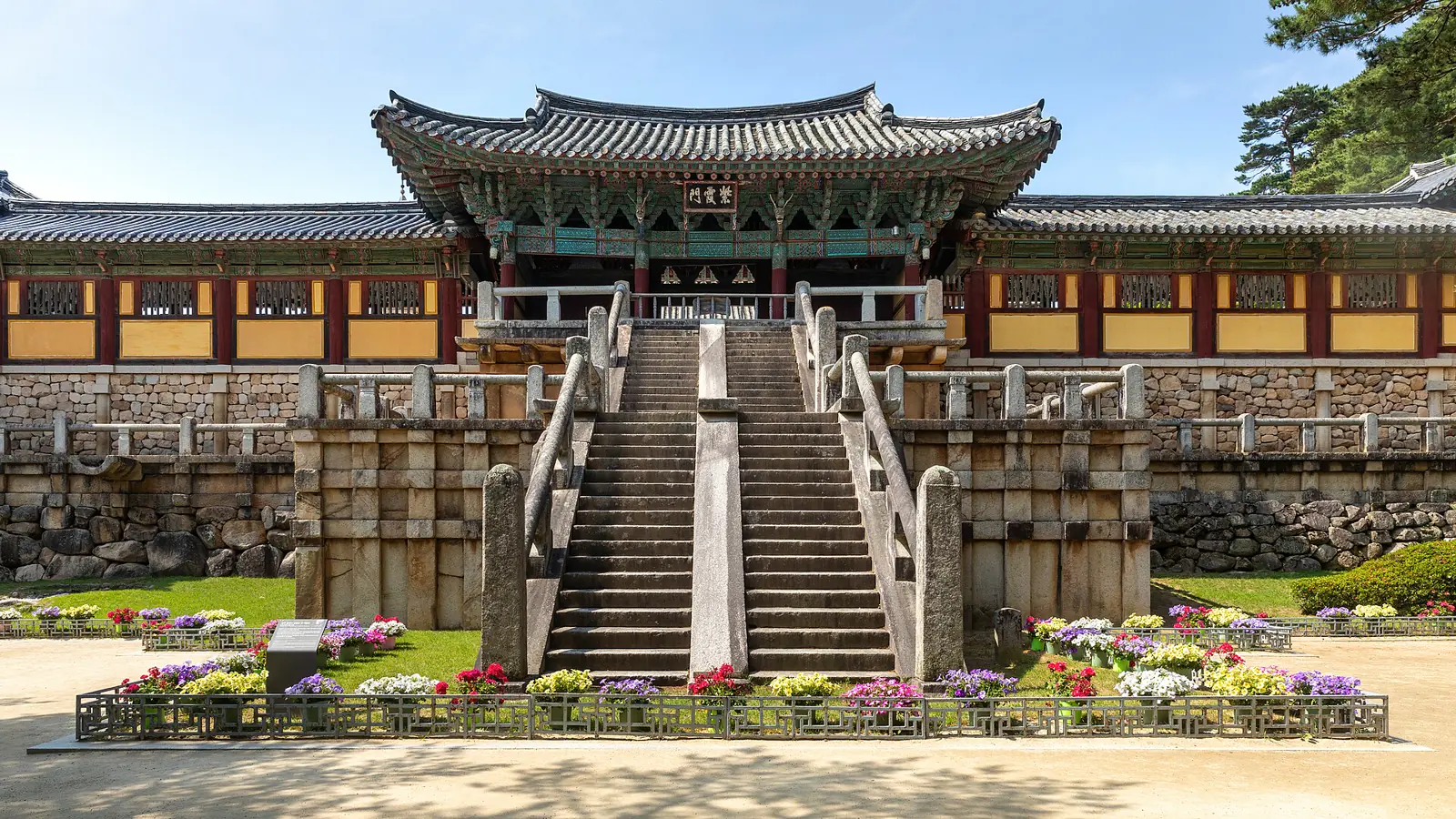
Bulguksa & Seokguram
Protect two separate visits on Tohamsan instead of hiding the mountain transfer.
Read the temple axis →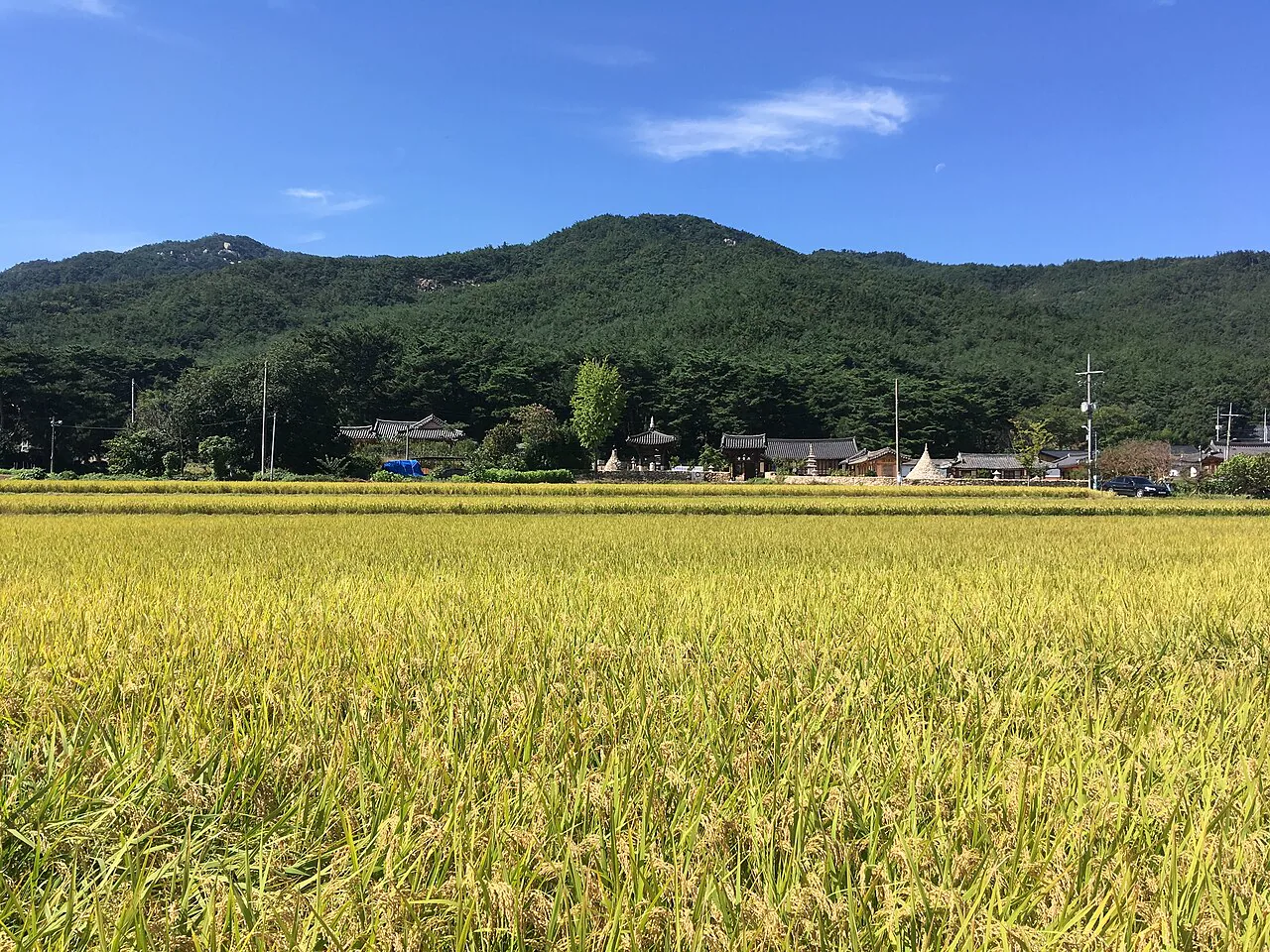
Namsan
Choose a lower heritage path or mountain route with the map, daylight and gear it deserves.
Open the field notebook →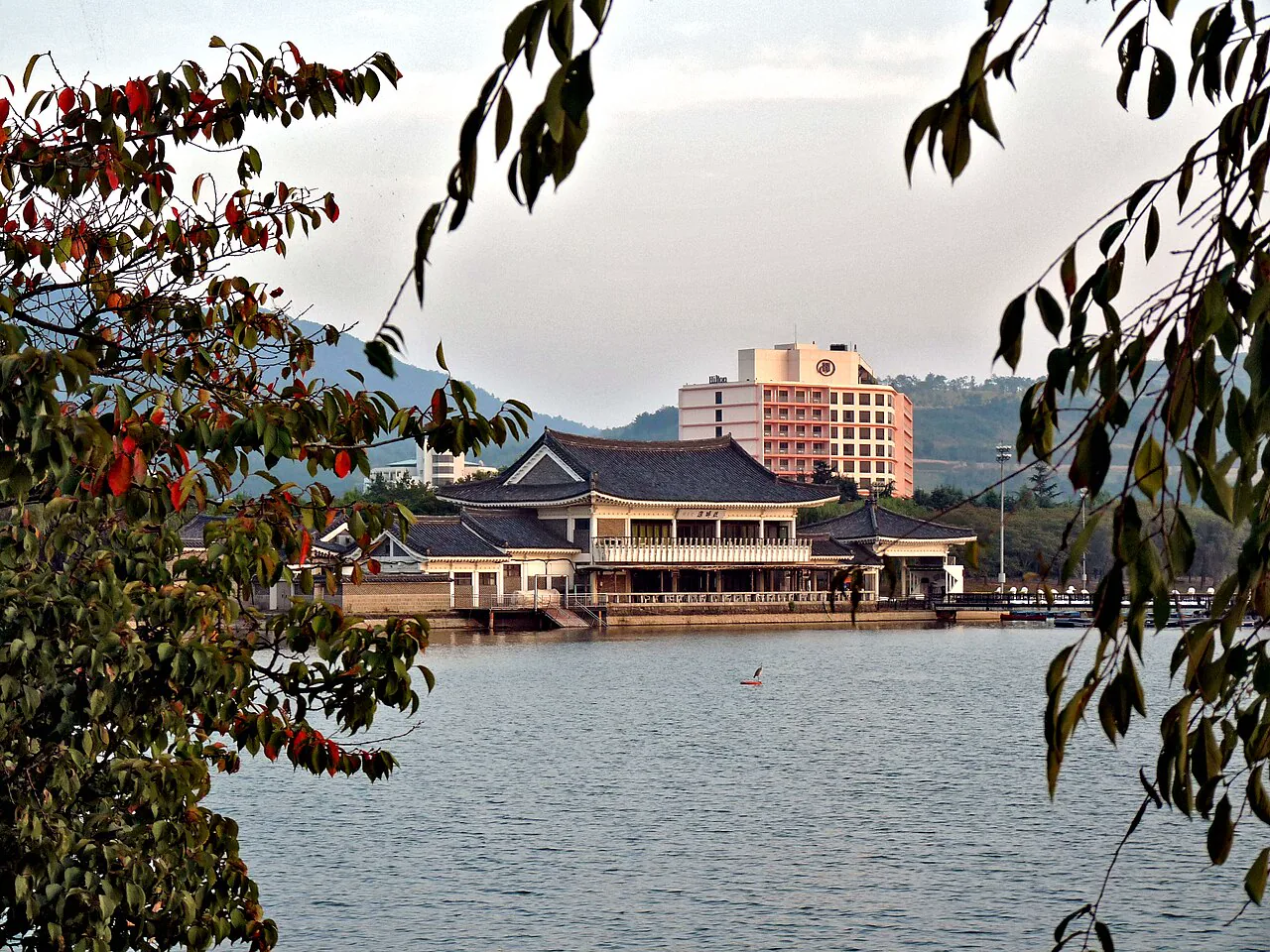
Bomun Lake
A hotel and recreation district that works when you choose rest, family logistics or events deliberately.
Set a lakeside pace →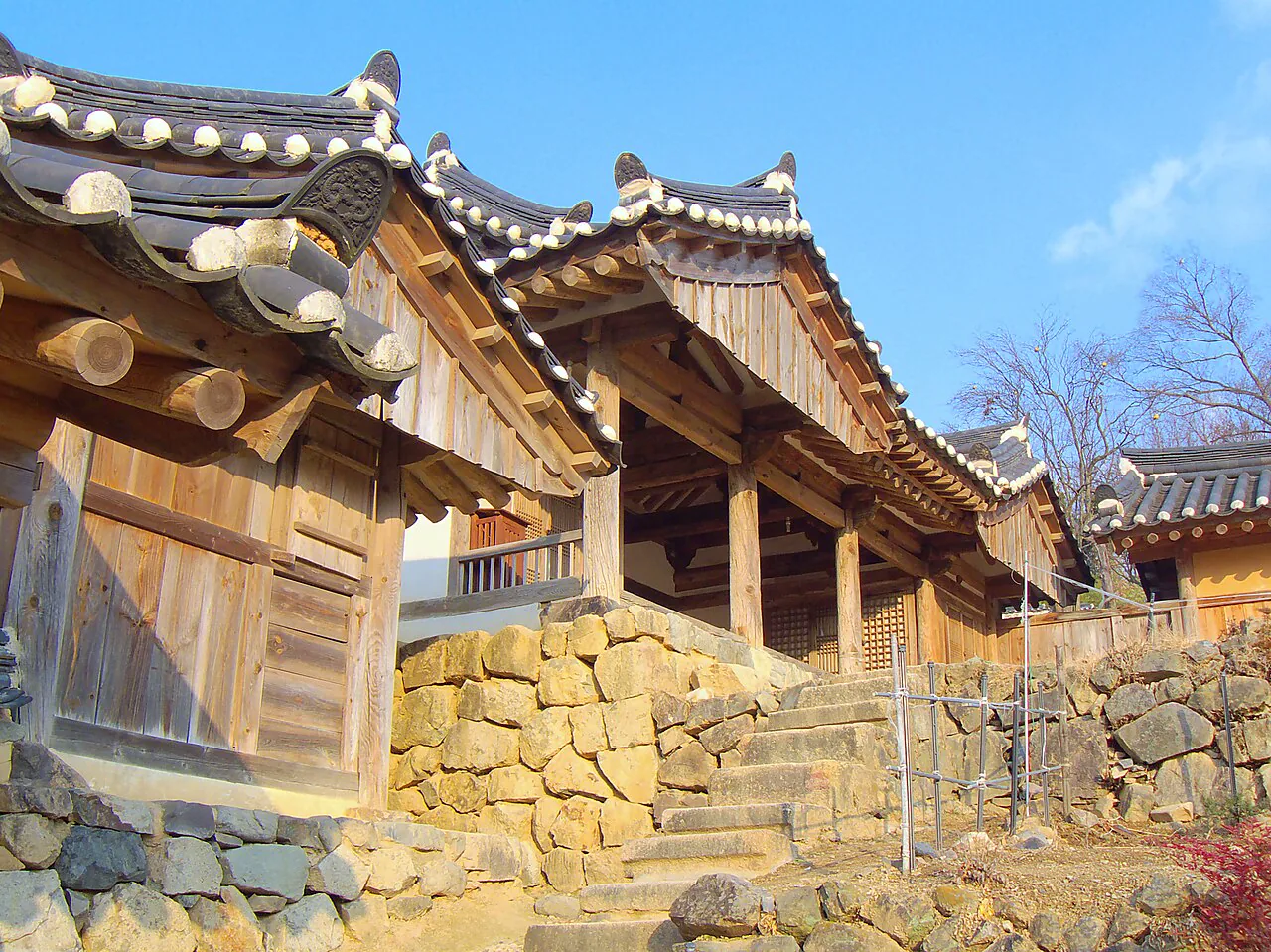
Yangdong Village
Read a Joseon clan landscape while keeping homes, work and resident privacy intact.
Enter with care →Choose rail or bus by the final address
Gyeongju KTX Station is west of the historic center. The express and intercity bus terminals sit much closer to central lodging and the evening walking zone. Compare complete journeys, not only the fastest vehicle.
Gyeongju KTX Station
Strong for the Seoul–Gyeongju–Busan corridor, but the station is not in the heritage center. Add the current local bus or taxi transfer, wait time and hotel check-in.
- Use the official rail seller for the exact train.
- Keep the hotel address available in Korean.
- Do not schedule a timed attraction immediately after arrival.
Express and intercity terminals
Useful for regional links and accommodation near Hwangnidan-gil or Daereungwon. Confirm the exact terminal, operator and final departure rather than assuming every Busan service is identical.
- Price the complete route from your Busan base.
- Check luggage storage before relying on it.
- Keep a taxi fallback for late or sparse connections.
The central base wins most first trips
Distance to the next landmark matters less than access to the first morning, last evening and transport you will actually use.
Historic center / terminal side
Walkable access to the tomb and evening landscape, broad food choice and practical regional buses. Noise and weekend demand vary by exact street.
Bomun
Hotels, family facilities and quieter lake edges, with a bus or taxi needed for central nights.
Bulguksa area
A slower temple-led stay that trades away central dining variety and spontaneous evening walks.
Do not repeat the same transfer twice
This structure keeps the walkable center together, protects Tohamsan as its own day and leaves one choice day for the interest that genuinely matters.
Royal earth into evening light
Start with Daereungwon or the museum, cross Cheomseongdae and Gyerim, then choose Woljeonggyo or Donggung for blue hour—not both at a sprint.
Stay on foot once the central line begins.Temple and grotto
Visit Bulguksa with real interior time, then make the separate Seokguram approach only when weather, mobility and current transport work.
Posted worship and photography rules lead.Trail, village or lake
Choose Namsan for an archaeological landscape, Yangdong for a resident-first village or Bomun for a lower-friction family and recovery day.
One strong outer direction beats three fragments.Move gently through fragile and lived places
Archaeological sites, temples, mountain carvings and private homes all have different boundaries. The common rule is to let posted access and local life outrank the saved photo.
Do
- Use marked paths and barriers around excavations and tombs.
- Lower voices and follow worship guidance at active temples.
- Carry water, layers and a downloaded map on Namsan.
- Pass private doors and courtyards without stopping in Yangdong.
Do not
- Climb burial mounds or touch stone carvings.
- Fly a drone without confirming all current permissions.
- Assume every night site, museum or trail shares one schedule.
- Build a route around outdated fares or bus intervals.
Gyeongju planning FAQ
How many days do you need in Gyeongju?
Two full days cover a coherent central day and a separate Bulguksa–Seokguram day. Add a third for Namsan, Yangdong or a relaxed Bomun chapter instead of squeezing an outer area into an arrival day.
Is Gyeongju worth an overnight stay?
Yes for most first trips. The walkable historic center changes character around sunset, and an overnight stay avoids forcing both the center and mountain temples into one transfer-heavy day.
Can I visit without a car?
Yes. Central Gyeongju is walkable, and the official tourism site identifies public-bus links through Bomun to Bulguksa. Recheck live routes and intervals; use a taxi selectively when an outer connection does not support the day.
Should I stay near the KTX station?
Only when an early train is the dominant constraint. The station is west of the central heritage area, so most leisure visits gain more from a central base and one planned station transfer.
Place Gyeongju between city chapters
Official sources and photo credits
Planning facts were reviewed on 26 August 2026. Recheck rail and bus schedules, admission, closures, trail access, worship rules and weather before travel. Images are stored locally and converted to WebP for performance.
- Gyeongju City — official tourism portal.
- Gyeongju City — public-bus planning and the central–Bomun–Bulguksa corridor.
- Gyeongju City — KTX station and tourist information centers.
- UNESCO — Gyeongju Historic Areas.
- UNESCO — Seokguram Grotto and Bulguksa Temple.
- UNESCO — Historic Villages of Korea: Hahoe and Yangdong.
- Gyeongju sunset landscape — Basile Morin, CC BY-SA 4.0.
- Daereungwon tumuli — Basile Morin, CC BY-SA 4.0.
- Donggung and Wolji — Basile Morin, CC BY-SA 4.0.
- Bulguksa — Basile Morin, CC BY-SA 4.0.
- Namsan and rice fields — Christophe95, CC BY-SA 4.0.
- Bomun Lake in autumn — Grete Howard, CC BY 3.0.
- Yangdong Village — Kok Leng Yeo, CC BY 2.0.