Jeju is
a weather system.
The island looks compact until Hallasan divides the roads, wind changes a coast and a ferry or trail gate closes. Give each day one side, one operating risk and one reason to move.
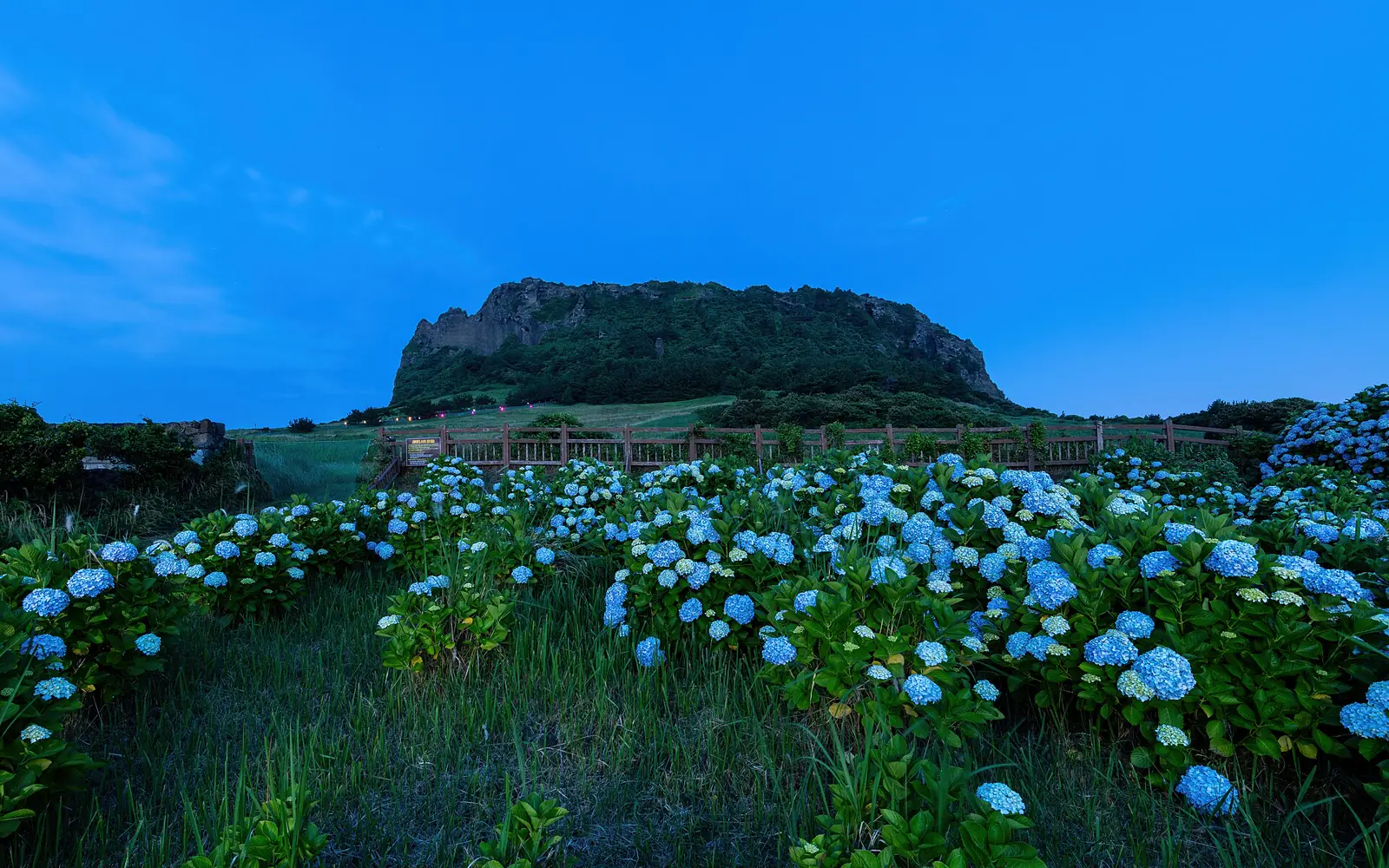
Jeju Island quick facts
Choose the decision before the destination
These are not eight versions of a sightseeing list. Each guide solves a different planning problem: arrival, coast, summit, waterfall city, geology, ferry, sunrise island or lava village.
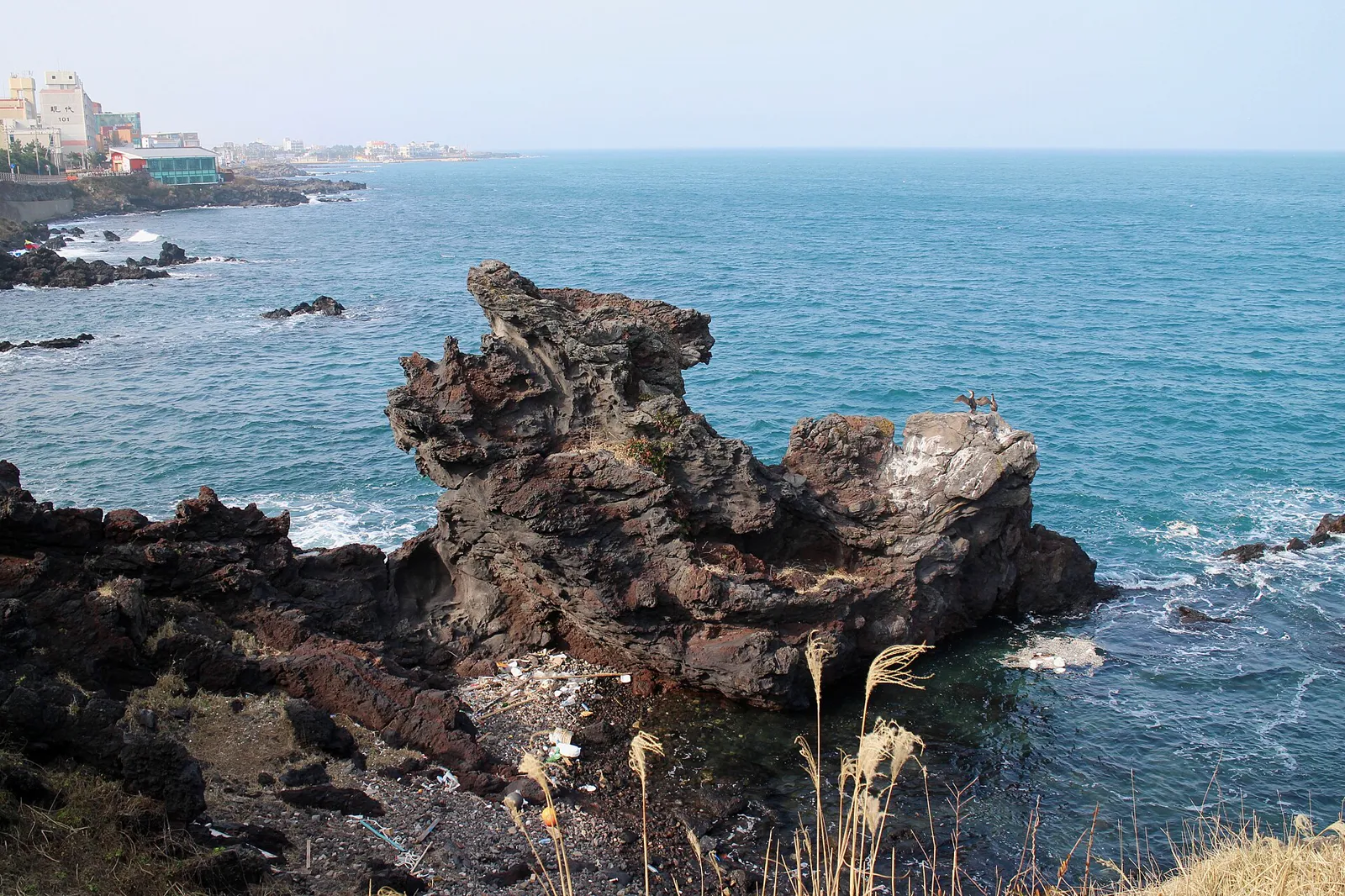 GATE / 01
Jeju City & Yongduam
Turn a flight day into a useful arrival chapter without racing south.
Arrival board →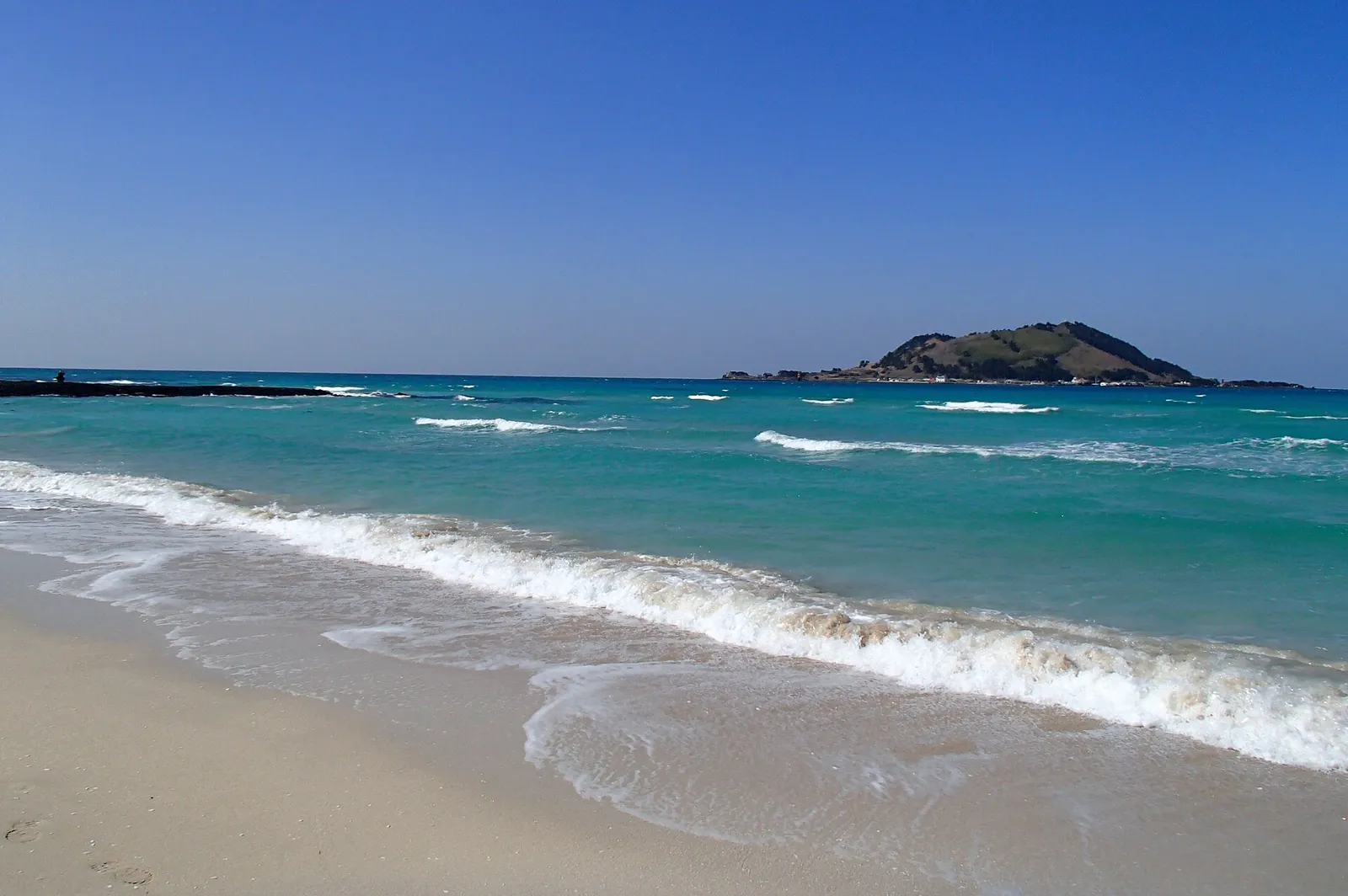 WIND / 02
Aewol & Hyeopjae
Budget stops along the west coast and let sea state define the beach.
Shoreline strip →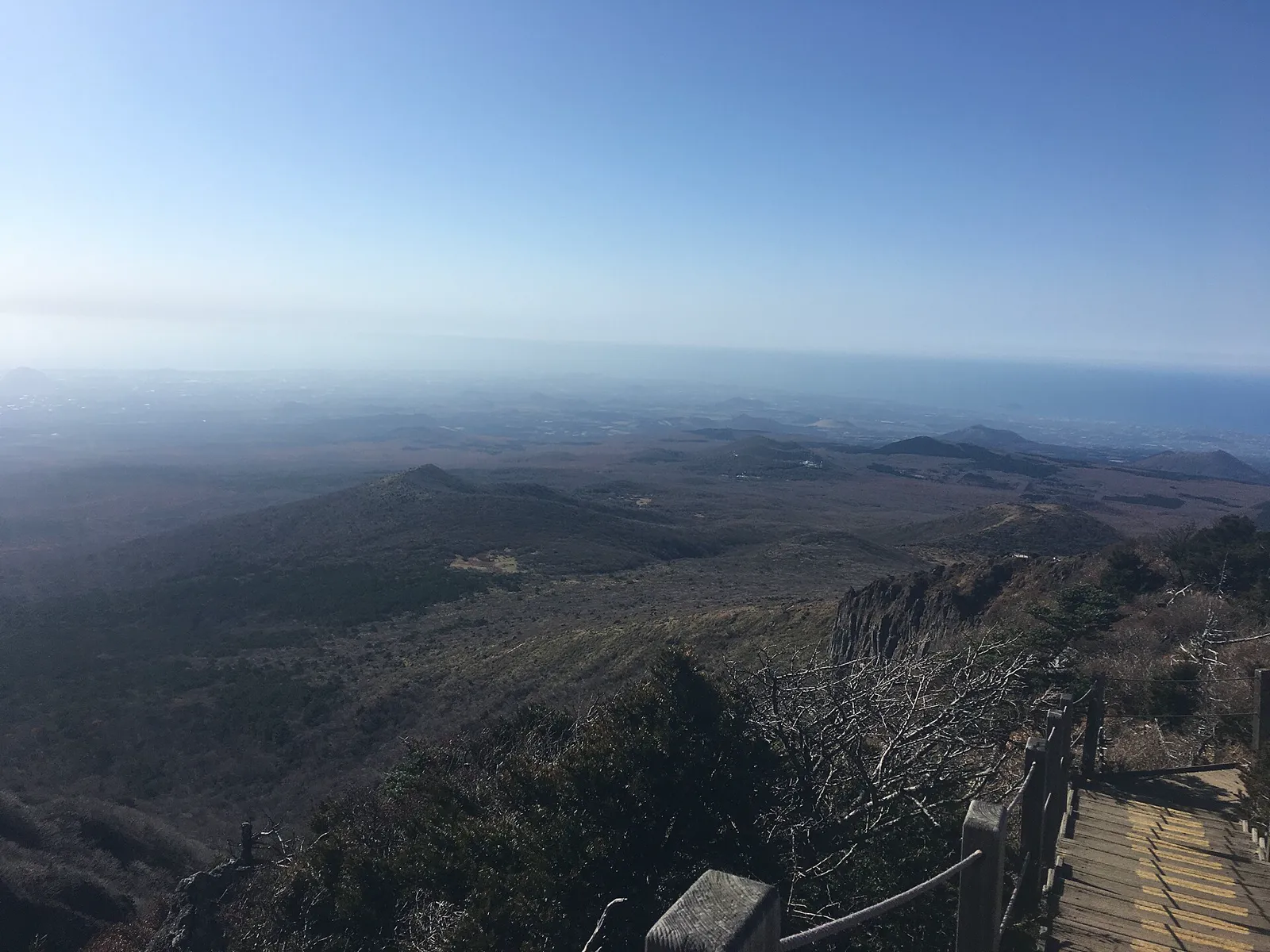 GATE / 03
Hallasan
Choose a trail only after reservation, cut-off and weather checks agree.
Summit protocol →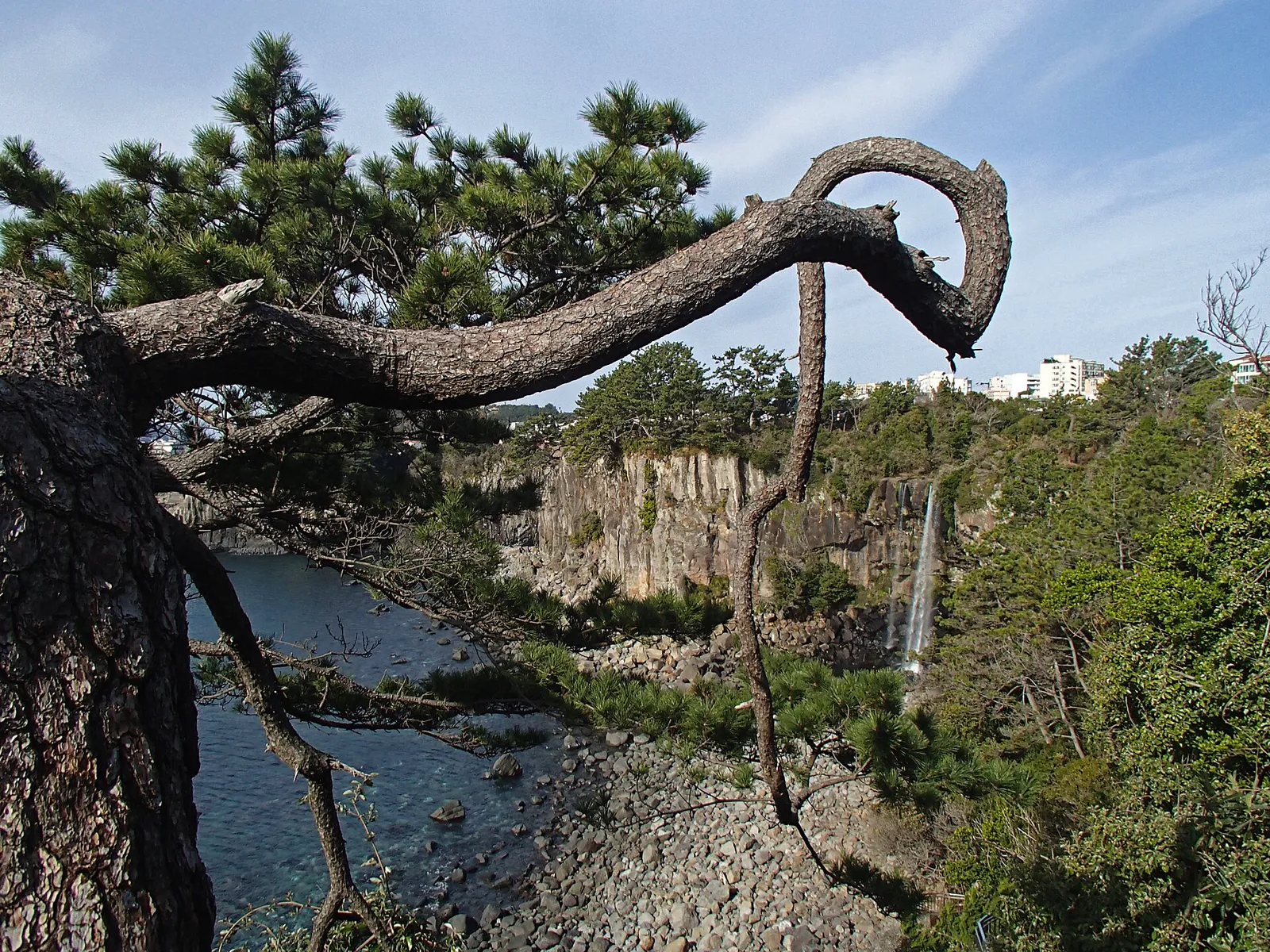 WATER / 04
Seogwipo & Jeongbang
A compact southern city day shaped by stairs, water and local memory.
Waterfall edition →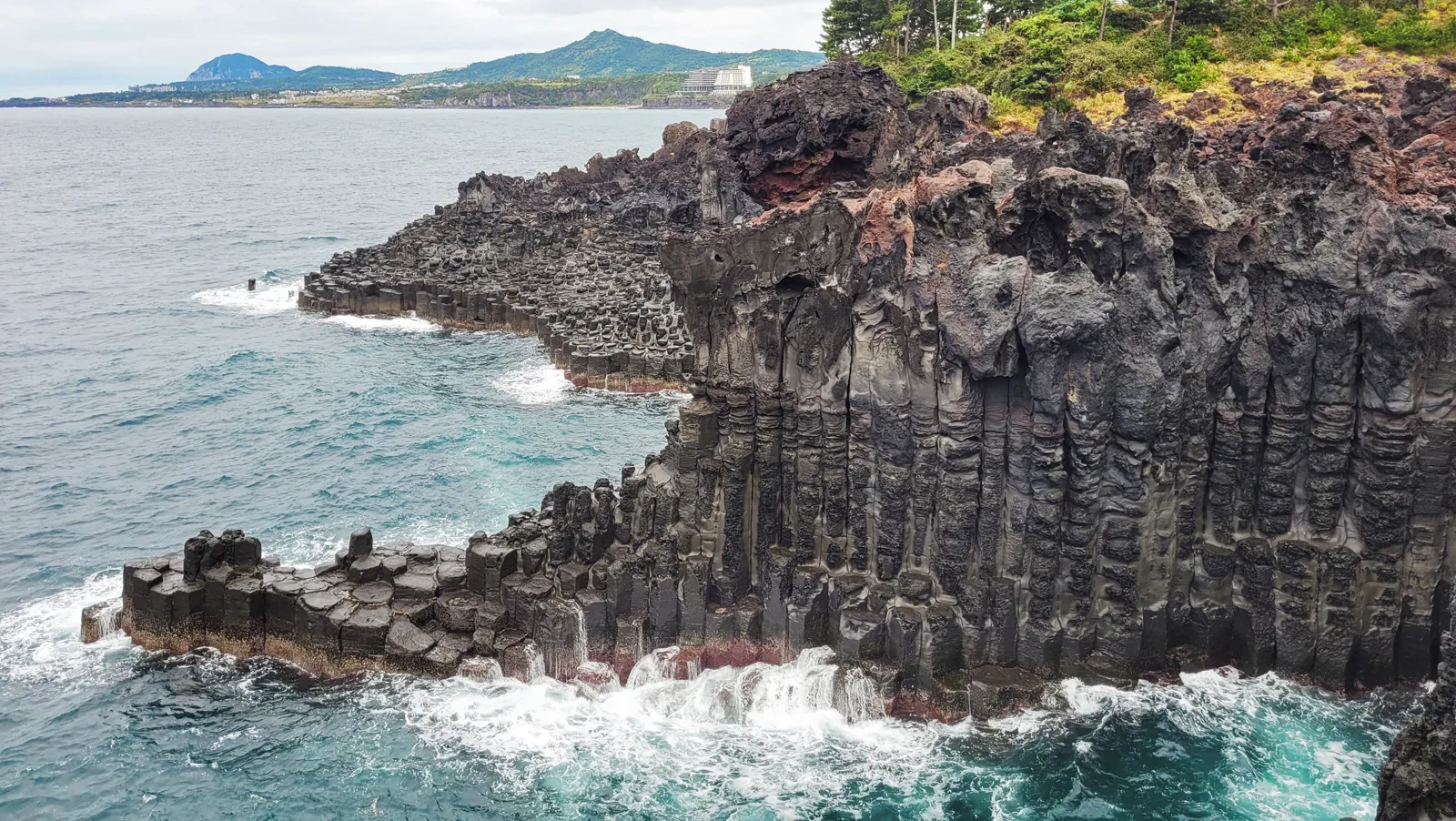 STONE / 05
Jungmun & Andeok
Separate resort convenience from a weather-dependent geologic coast.
Field section →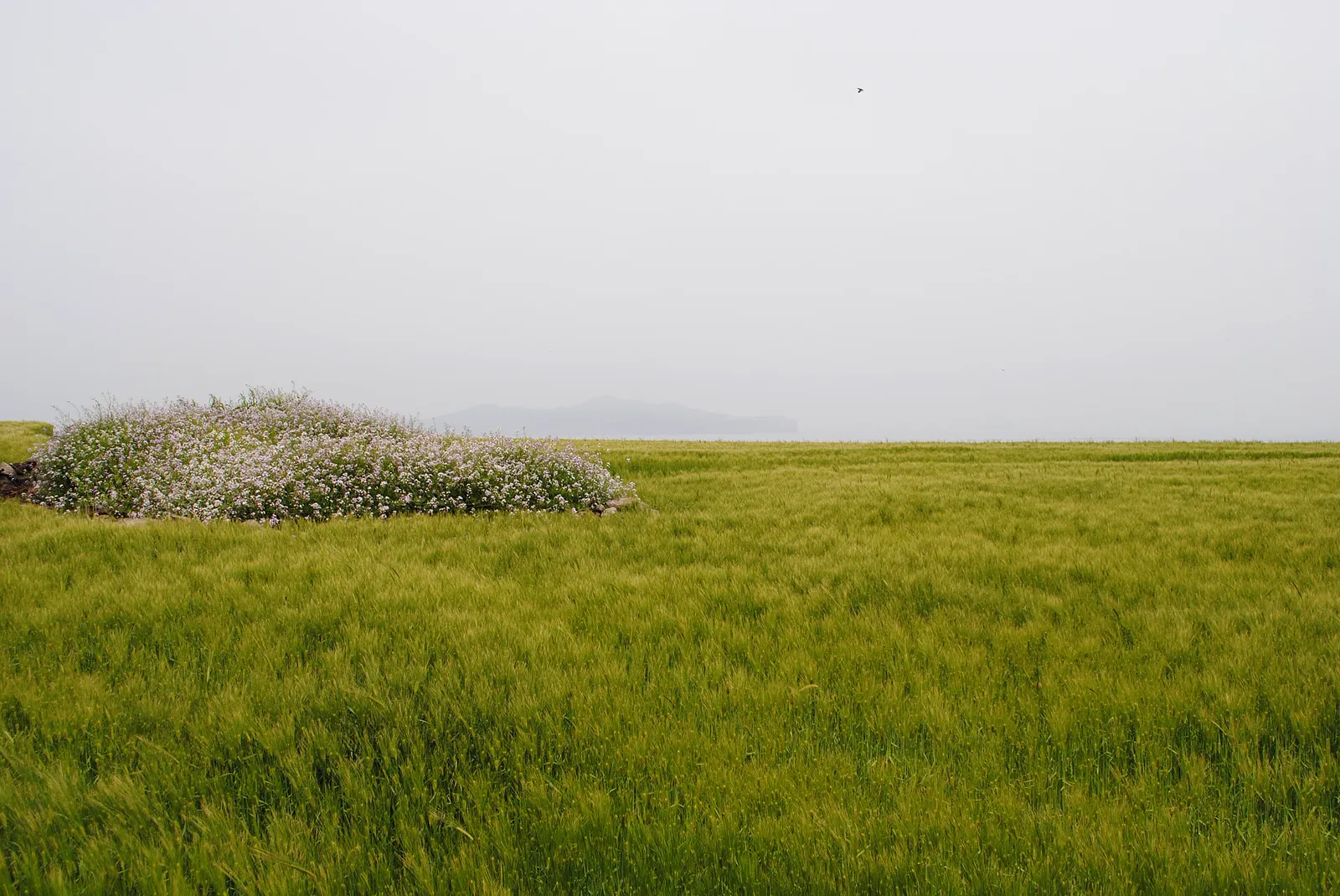 SAIL / 06
Moseulpo & Gapado
A passenger manifest for a low island where wind owns the timetable.
Ferry manifest →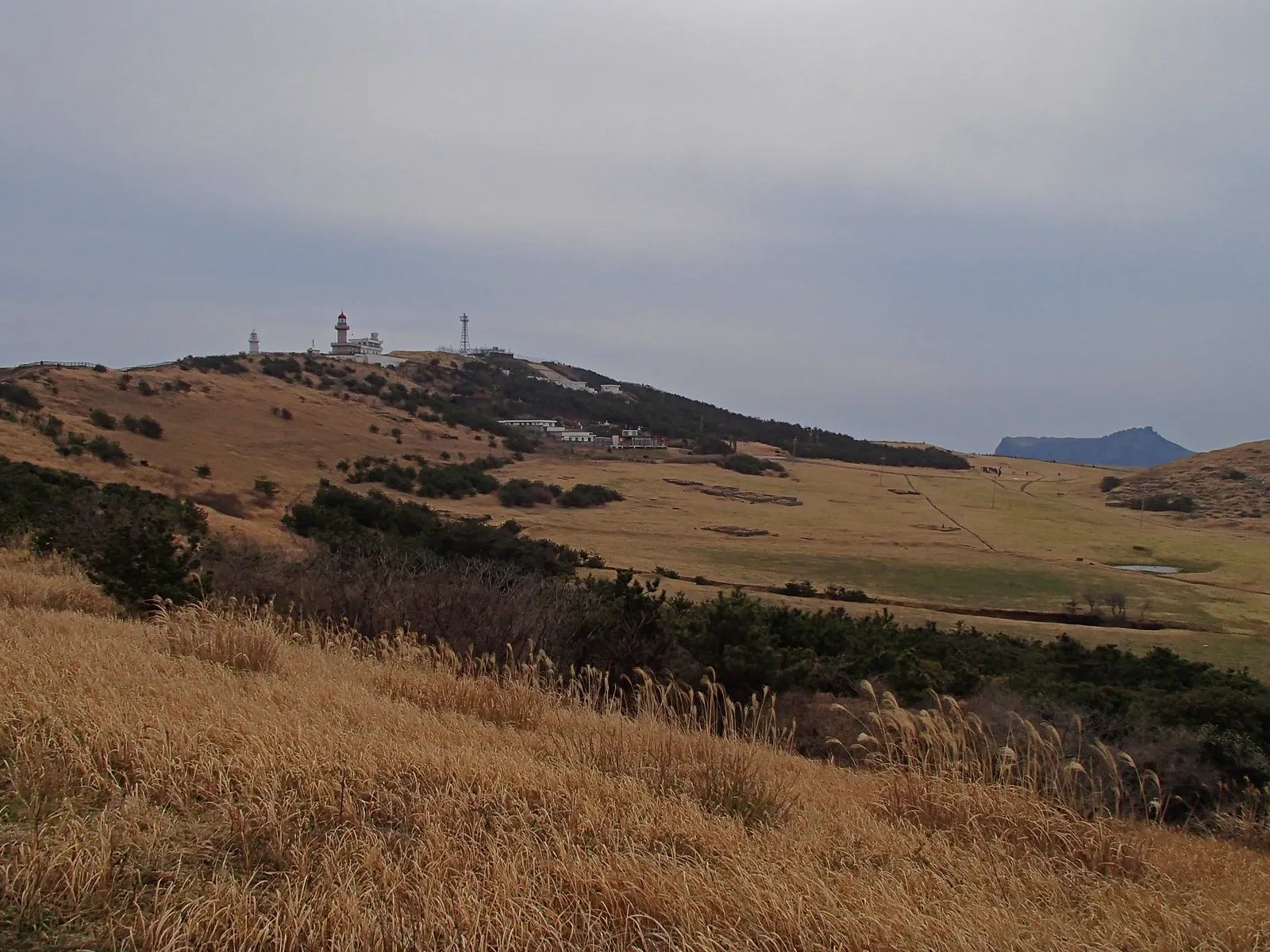 TWO CLOCKS / 07
Seongsan & Udo
Protect the sunrise clock from the separate ferry clock.
Two-clock plan →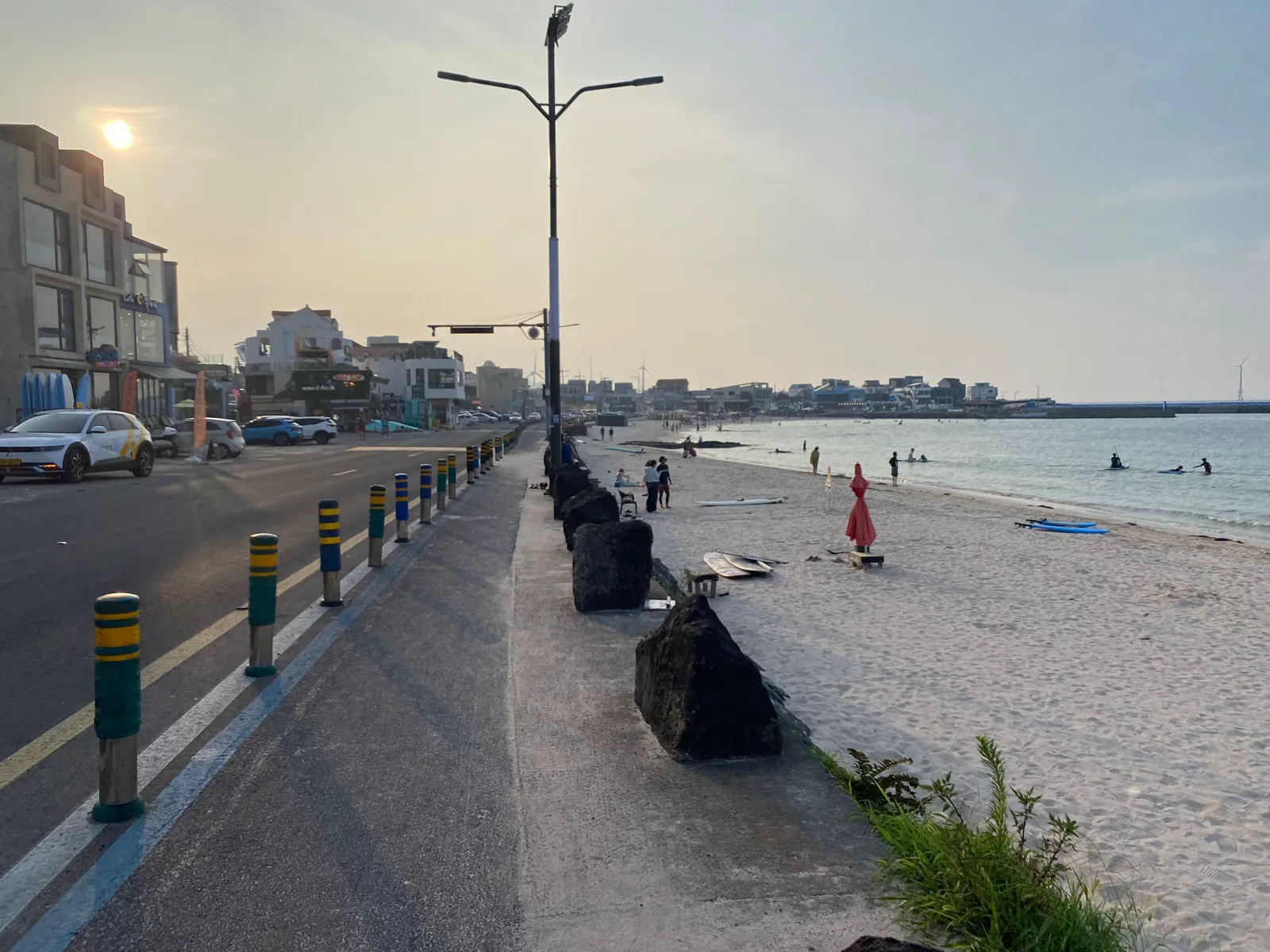 LAVA / 08
Woljeongri & Gimnyeong
Read village streets, basalt, wind and permitted access as one coast.
Material study →Sleep on the side you want to start
A hotel near the geographic center is not automatically useful. The best base protects the first bus, earliest trail approach, latest meal or final airport transfer that matters to your route.
Jeju City
Best for short stays, airport nights, Dongmun Market and northern or eastern bus starts.
Trade-off · weaker southern eveningsSeogwipo
Walkable food and waterfall anchors with better access to the southern coast.
Trade-off · long airport crossingSeongsan
Protects early Ilchulbong access and a weather-ready Udo attempt.
Trade-off · specialized, remote baseHallim or Andeok
Useful when the trip prioritizes west beaches, geology and slower driving.
Trade-off · fewer broad transit optionsA car adds reach;
it does not add daylight
Jeju has no passenger rail or subway. Buses connect the airport, the two cities and regional hubs, while rural stops may involve longer waits and walks. Driving helps only when parking, fatigue, navigation, insurance and an alcohol-free driver are already solved.
Write the route in pencil
Lock only the pieces that require a reservation. Keep the mountain, exposed coasts and ferries movable until their operating conditions become real.
Use the arrival side
Stay north for Jeju City, Yongduam and a practical first meal, or transfer south once and end near the next morning's plan.
Do not hide rental pickup inside “flight time.”Mountain or inland substitute
Attempt the exact Hallasan route only with reservation, equipment, weather and cut-off confidence. Keep a forest, museum or city fallback.
The summit is never owed.One west or south corridor
Pair nearby landscapes rather than a famous beach, waterfall and cliff on three sides of the island.
Finish before fatigue writes the route.Seongsan with a ferry choice
Choose Udo only if the sailing window leaves a safe return margin. Otherwise use the mainland east coast without treating it as a consolation.
Two clocks must both work.Give the island veto power
Move the most exposed plan to the clearest, calmest day. A useful flex day protects the entire trip better than a fifth tightly reserved attraction.
Cloud, wind, heat and rain change different places differently.Check more than the airport icon
Conditions at the coast, on Hallasan and across the island can differ. Confirm official warnings and each operator's own status before leaving the base.
Arrival coast
Wind affects flight comfort, shoreline walks and the usefulness of an airport-adjacent first day.
Ferry and sunrise
Sea state and visibility decide whether Udo or a dawn ascent deserves the schedule.
Water and cliffs
Rain changes waterfall volume, stairs, coastal access and the value of exposed viewpoints.
Beach and sunset
Official swimming periods, tide, wind and cloud matter more than a saved postcard.
Jeju planning FAQ
How many days do you need on Jeju Island?
Four full days support one inland or mountain day, two coherent coastal regions and one flexible day. Five or six days make a two-base stay, weather changes and a ferry attempt much easier to absorb.
Do I need a rental car?
No. A bus-first trip works when you choose fewer places, sleep near useful corridors and accept that rural transfers consume real time. A car expands reach, but parking, fatigue, insurance and a designated driver remain part of the plan.
Should I stay in Jeju City or Seogwipo?
Jeju City favors airport access, northern routes and short stays. Seogwipo favors the south coast and a more compact evening base. Split the stay only when saved travel time exceeds the cost of changing hotels.
Can I combine Hallasan and Udo in one day?
No useful first-trip plan should. Hallasan is an early, condition-dependent mountain day; Udo is a separate ferry day with a last-return constraint. Keep them on different days with independent fallbacks.
Official sources and photo credits
Planning facts were reviewed on 26 August 2026. Recheck trail reservations, cut-off times, bus routes, ferry sailings, beach operations and weather warnings before travel.
- Visit Jeju — official tourism portal.
- Jeju International Airport — public transportation.
- Visit Jeju — island public transportation.
- Hallasan National Park — reservation and live trail status.
- UNESCO — Jeju Volcanic Island and Lava Tubes.
- Yongduam — Ahn Beom-jin, CC BY-SA 4.0.
- Hyeopjae Beach — Lcarrion88, CC BY-SA 4.0.
- Hallasan — Letmeuseflowers, CC BY-SA 3.0.
- Jeongbang Waterfall — Lcarrion88, CC BY-SA 4.0.
- Daepo Jusangjeolli Cliff — Bernard Gagnon, CC0 1.0.
- Gapado — Jjw, CC BY-SA 4.0.
- Udo — Lcarrion88, CC BY-SA 4.0.
- Woljeongri Beach — Sgroey, CC BY-SA 4.0.
- Seongsan Ilchulbong — Basile Morin, CC BY-SA 4.0.