Ayutthaya read the island by rivers
The former capital is not a queue of interchangeable ruins. The Chao Phraya, Pa Sak and Lopburi waterways shaped an island city, its trade, its defenses and today's travel friction. Choose one historical argument, one side of the river and one cool window at a time.
ONE ISLAND
Four choices prevent ruin fatigue
The best visit is edited. Decide duration, arrival bank, heat strategy and historical focus before pinning every chedi.
Day trip or night?
A day trip needs one tight core. An overnight unlocks early light, a real lunch pause and a west-bank evening without racing the return.
Name the river side
The station is east of the island; Wat Chaiwatthanaram is west; living temples and settlements extend south and east. Crossings cost time.
Choose an argument
Royal power, monastic architecture, international trade or living devotion each creates a stronger day than collecting similar brick silhouettes.
Build the river island in chapters
Each guide solves a different kind of friction: arrival, archaeological context, royal scale, shade, sunset, etiquette, global history or an outlying palace day.
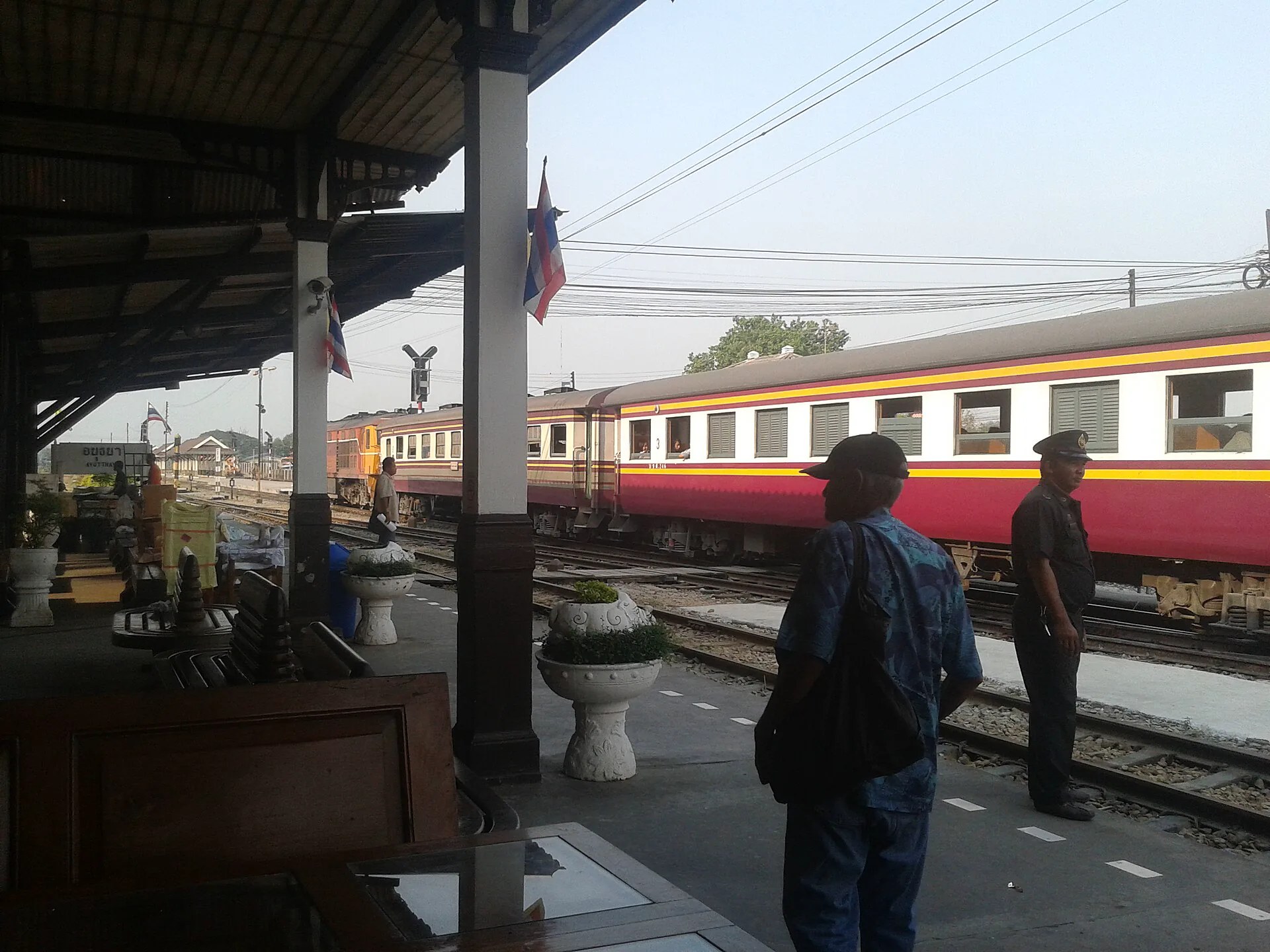
Railway Station & Chao Phrom
Turn a Bangkok train arrival into a deliberate east-bank-to-island transfer.
Read the arrival board →Mahathat & Ratchaburana
Read two adjacent compounds as different chapters of court, relic and collapse.
Open the strata →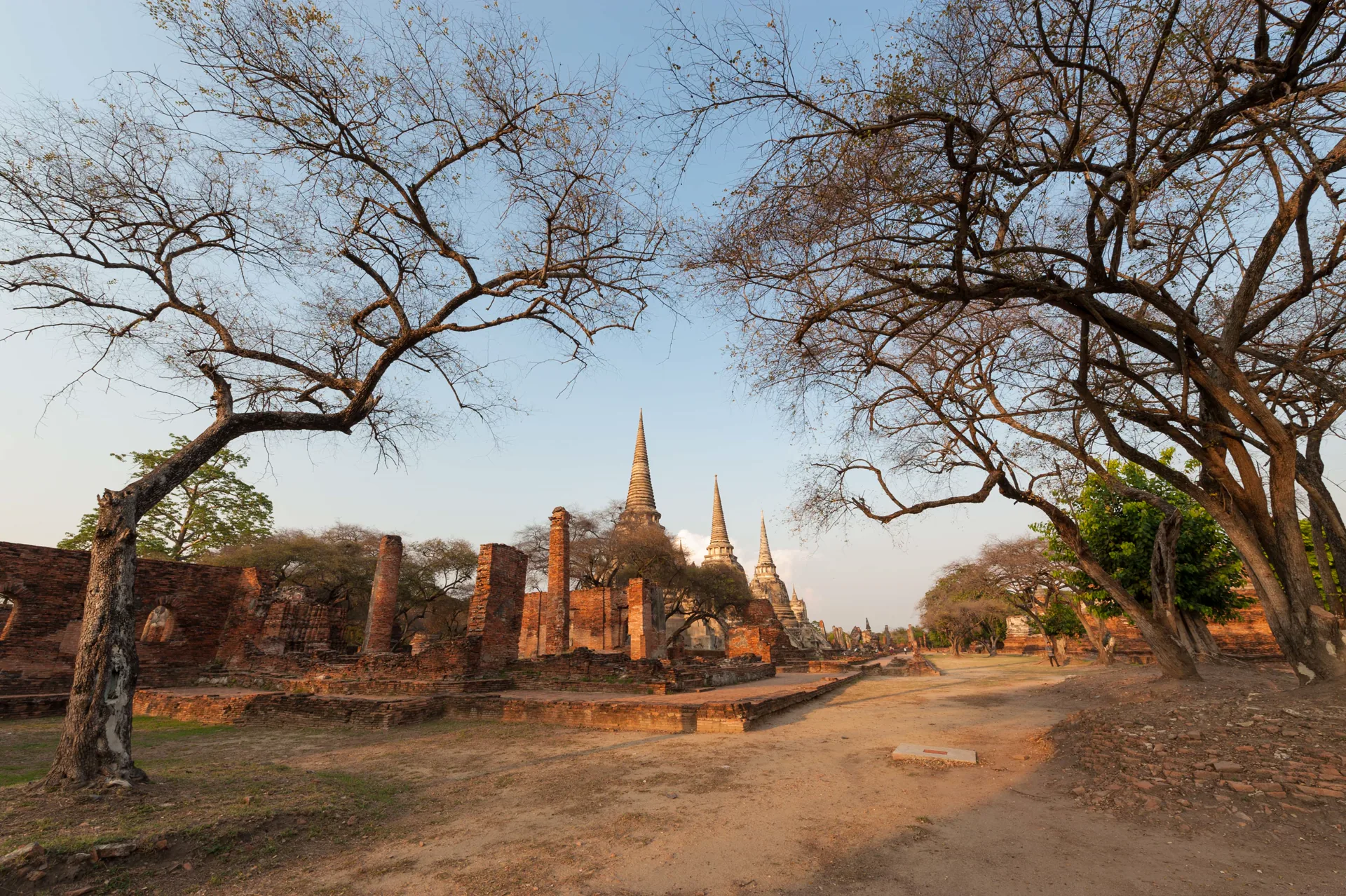
Palace Quarter & Sanphet
Use ceremonial axes and museum objects to restore the scale missing from ruins.
Enter the royal plan →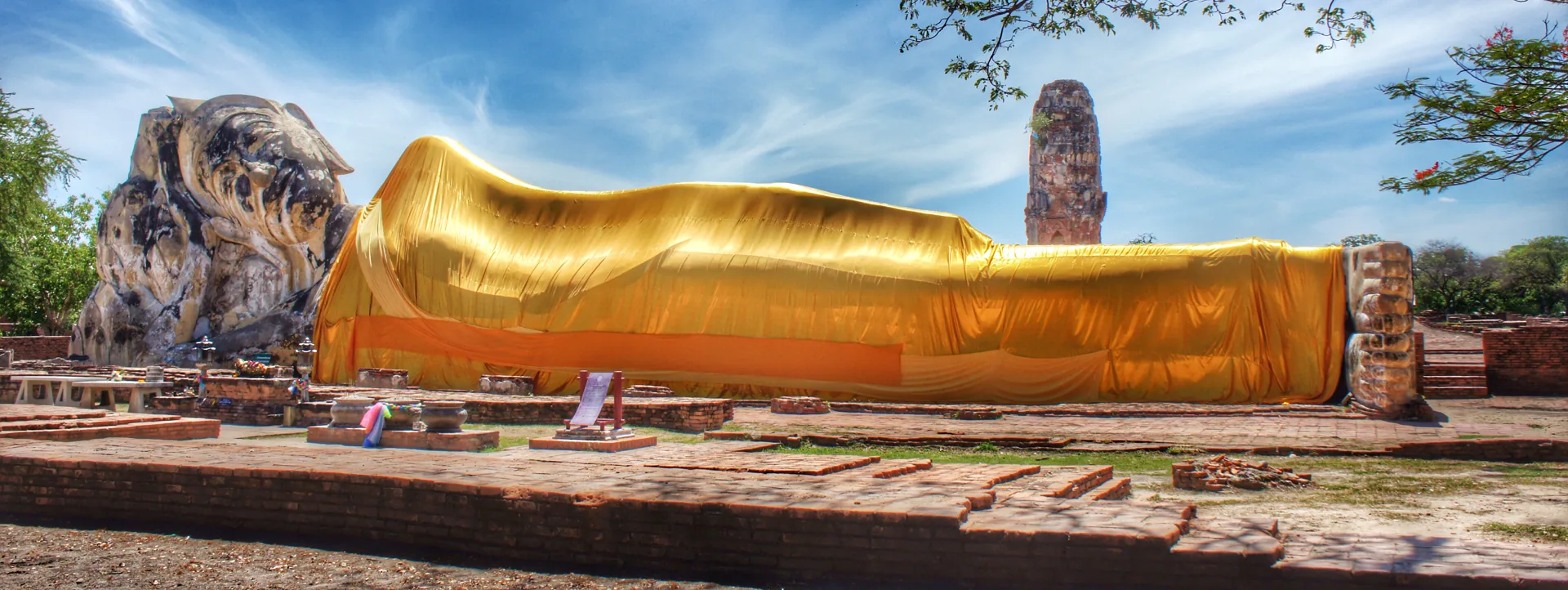
West Island & Lokayasutharam
A slower edge route where trees, exposed monuments and midday heat set the order.
Set the shade clock →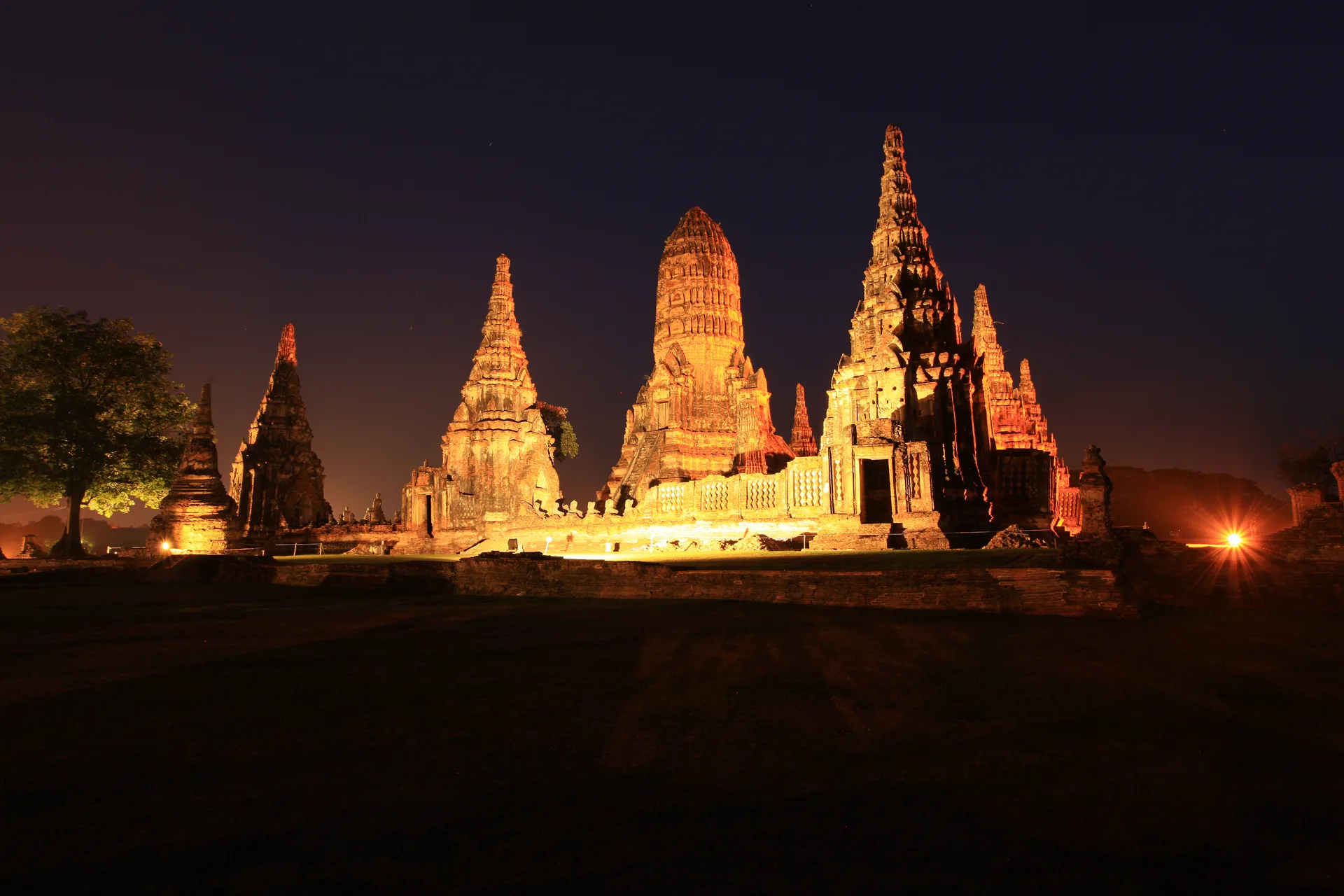
Chaiwatthanaram & West Bank
Plan the famous silhouette around light, return transport and one coherent bank.
Open the aperture →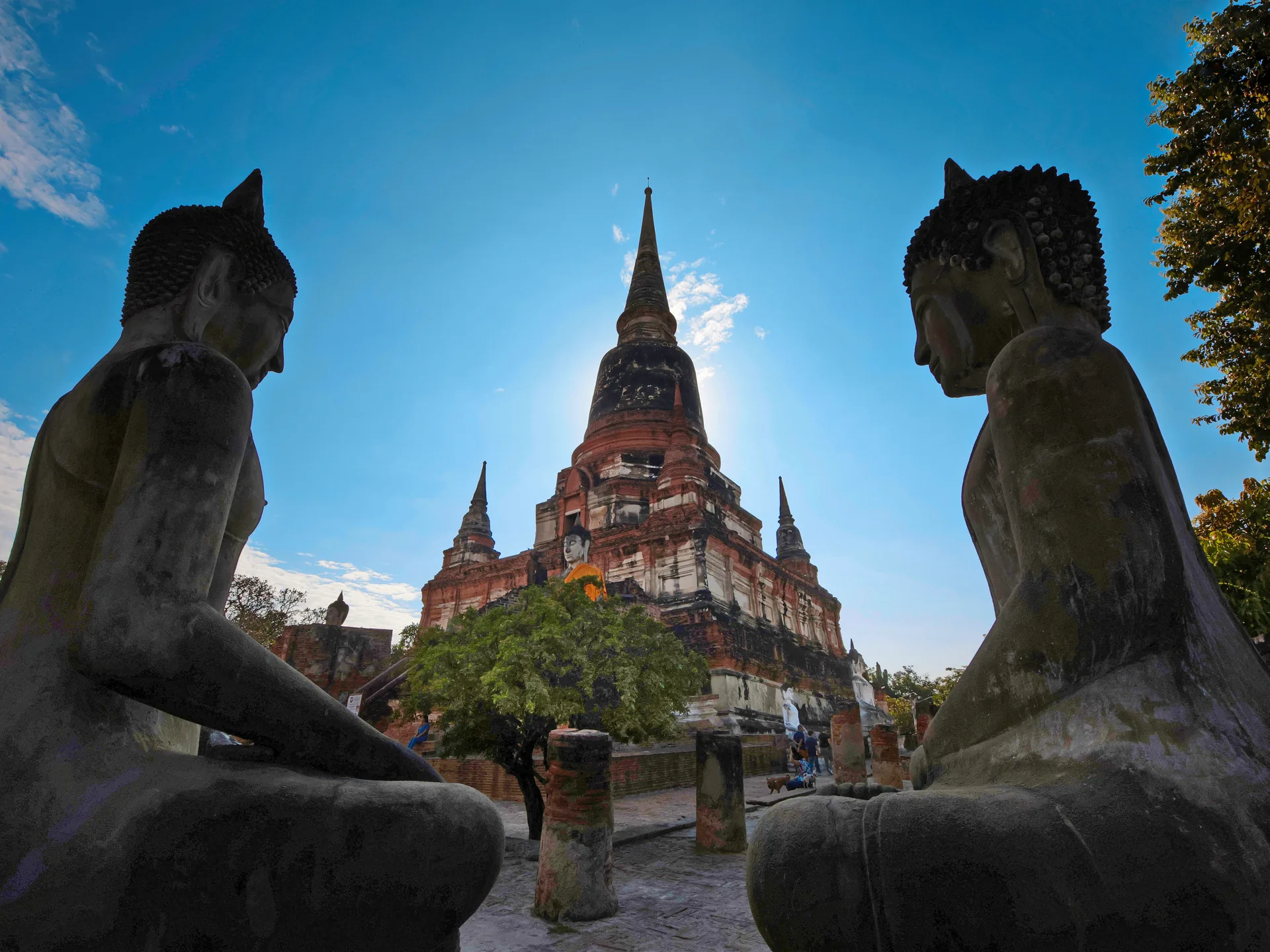
Yai Chai Mongkhon & Phanan Choeng
Visit active worship spaces as living institutions, not a second ruin circuit.
Cross the threshold →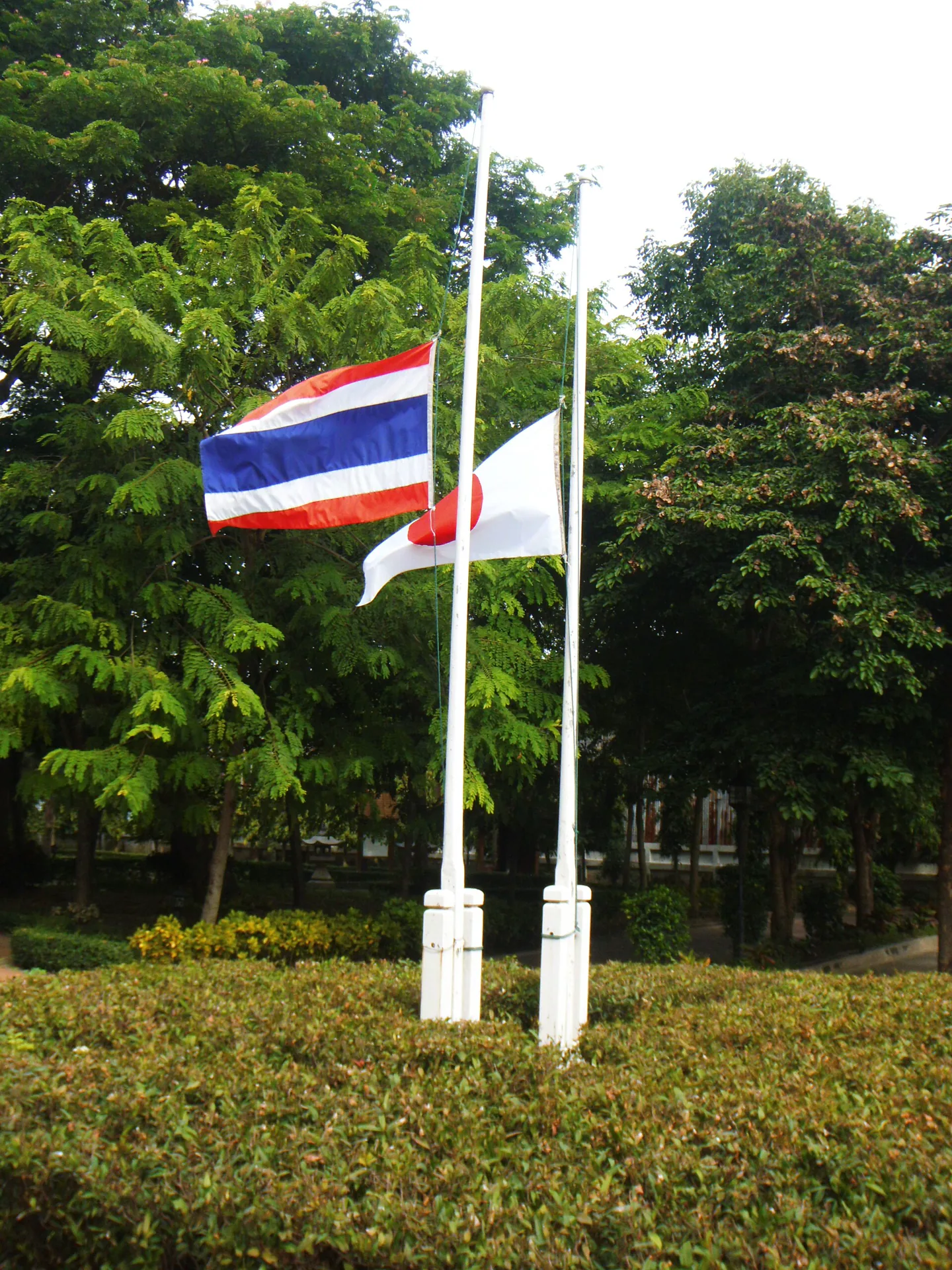
Foreign Settlements & South River
Reconstruct Ayutthaya as a connected port through Japanese and European traces.
Read the manifest →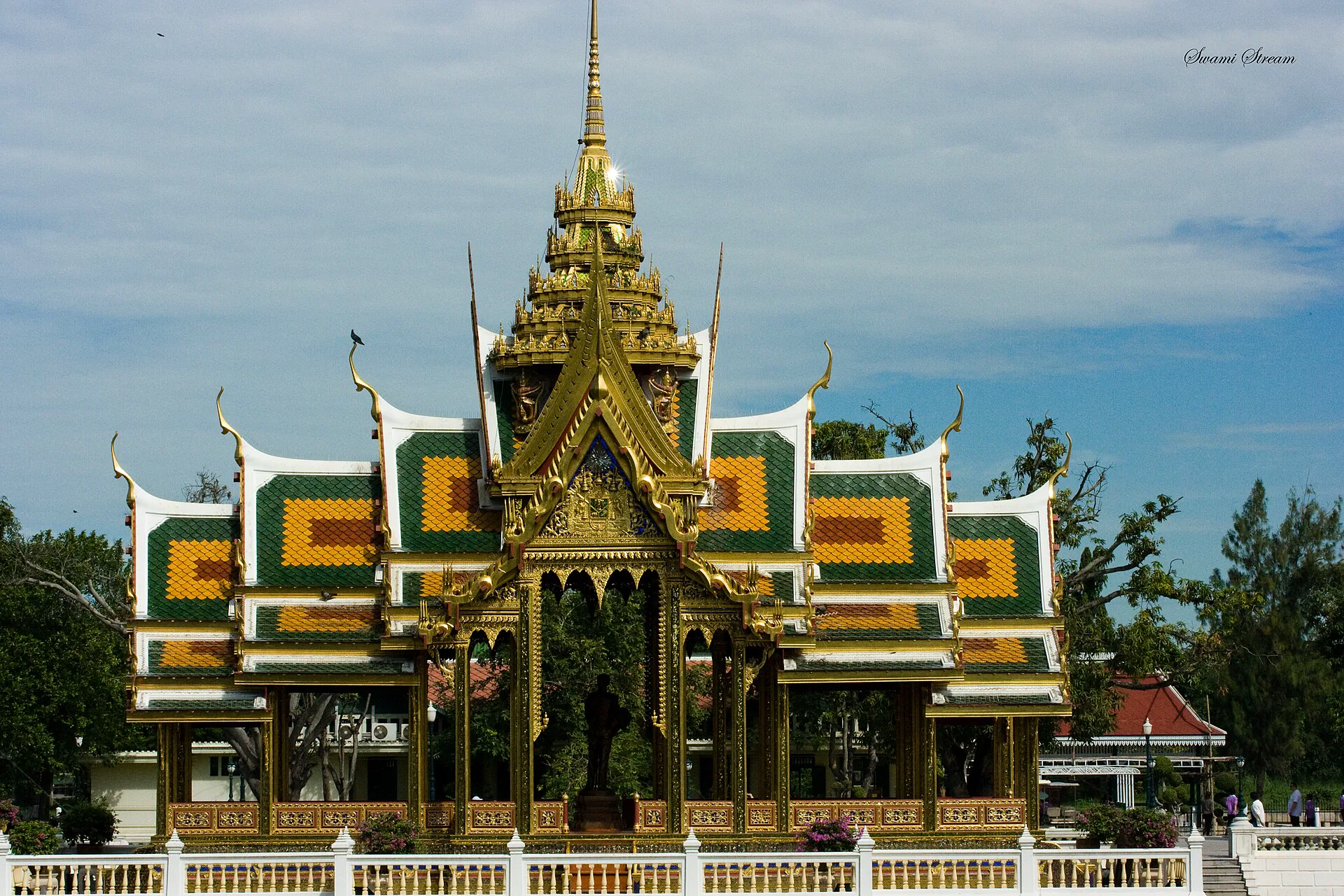
Bang Pa-In Palace
An outlying royal estate that needs its own transport, dress and opening-day check.
Open the garden cabinet →Rivers still organize the visit
UNESCO describes Ayutthaya as a city founded on an island encircled by three rivers. That history is also practical geography: station, island core, west-bank monuments and southern settlements are separate operating zones.
Use four geographic envelopes
- East-bank arrival: station, Chao Phrom and the first river transfer.
- Central island: Mahathat, Ratchaburana and the royal quarter.
- Outer banks: Chaiwatthanaram, living temples and south-river histories.
- Beyond the city: Bang Pa-In is a distinct half- or full-day movement.
Do not price a tuk-tuk or car only by the first stop. Agree on the complete zone sequence, waiting and finish point.
Arrive on the side your first chapter uses
State Railway of Thailand trains arrive east of the Pa Sak River. Vans, buses, private cars and tours use different stops. Check the live operator and then solve baggage, river crossing and local movement separately.
Official timetable first
Use SRT D-Ticket for current trains. Do not build around an old blog timetable or assume every service has the same seating and luggage conditions.
Station to island
Confirm the current pedestrian, ferry or road option on arrival. Keep the accommodation address available offline and avoid dragging bags through the full ruin circuit.
Walk in clusters
Walk inside one compound group; use a legal bicycle or pre-agreed vehicle between distant banks. Heat and traffic change what a map makes look short.
Protect the train
Finish the last monument early enough to cross back, retrieve bags and identify the platform without turning sunset into a sprint.
One core day, one river day
This sequence limits backtracking and gives each place a distinct role. Current opening, ticket and worship conditions still need checking near travel.
Mahathat and Ratchaburana
Start with the central archaeological pair while attention and temperature are manageable. Read one full compound before moving on.
Royal quarter and museum
Use Wat Phra Si Sanphet and curated objects to connect monumental space with surviving material evidence.
Living temple threshold
Choose Wat Yai Chai Mongkhon and Wat Phanan Choeng, adjusting conduct because worship continues.
West-bank light
Move to Wat Chaiwatthanaram with return transport settled before the light changes. Add south-river history only with enough daylight.
Leave the masonry, worship and riverbanks intact
Do not climb fragile structures, touch restricted surfaces or pose disrespectfully with Buddha images. At active temples, dress conservatively, lower your voice and follow local signs even when another visitor does not.
Stay on permitted routes
Brick edges erode. A barrier or closed stair is part of conservation, not an invitation to find another angle.
Frame with context
Avoid jokes, climbing or feet directed toward sacred images. Ask before photographing worshippers or close portraits.
Pause before judgment
Carry water, use shade and stop when attention fades. Ruin fatigue is both a safety problem and a poor way to read a city.
Spend beyond admission
Use local guides, food businesses and accommodation when they fit the trip; heritage survives inside a working community.
Ayutthaya planning FAQ
Is Ayutthaya better as a day trip or overnight?
A focused day trip can cover one central cluster. Stay one or two nights if you want early and late light, museum time, the west bank or a slower river-side chapter.
How do I get there from Bangkok?
Rail and road both work, but they arrive in different places. Check the current SRT timetable or exact road operator, then plan the last transfer to the island rather than treating arrival in the province as arrival at a ruin.
Can I walk everywhere?
No. Central compounds can be grouped on foot, but the station, west bank, southern temples and settlements are dispersed. Combine walking with a suitable bicycle or clearly agreed local transport.
Which temples should I choose first?
Begin with Mahathat and Ratchaburana, then the royal quarter around Wat Phra Si Sanphet. Add one living-temple or west-bank chapter instead of trying to collect every named ruin.
Official sources and photo credits
Planning facts and licenses were reviewed on 26 August 2026. Train times, admission, opening hours, dress requirements, crossings and local transport change; verify with the linked authority or operator. Images were resized or converted to WebP; visible framing may crop the display.
- UNESCO World Heritage Centre - Historic City of Ayutthaya.
- Tourism Authority of Thailand - Phra Nakhon Si Ayutthaya.
- Fine Arts Department - Ayutthaya Historical Park.
- State Railway of Thailand - D-Ticket and current timetable.
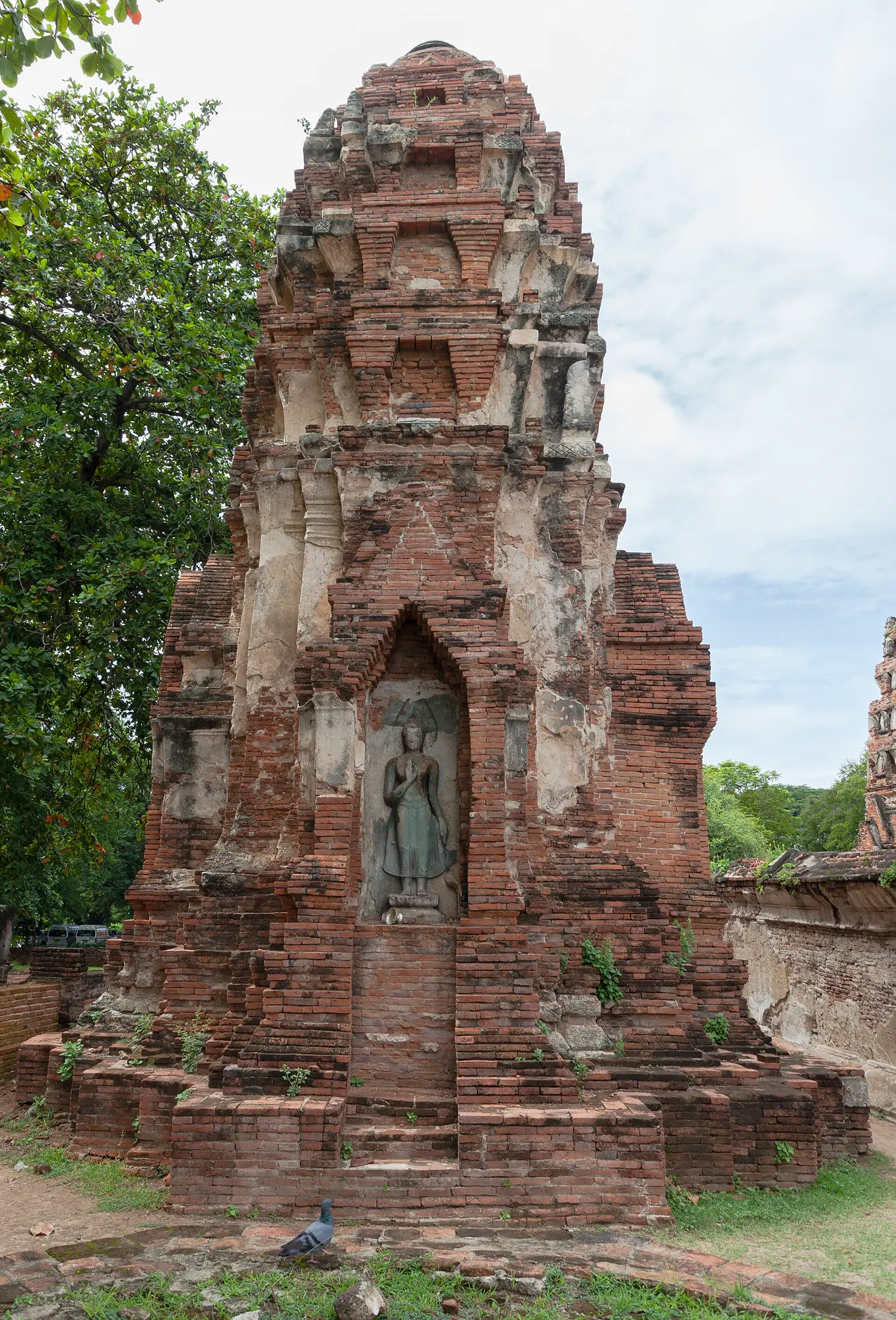
- Wat Mahathat - Diego Delso, CC BY-SA 3.0; resized and converted to WebP, display crop.
- Ayutthaya railway station - Jr8825, CC BY-SA 3.0; resized and converted to WebP, display crop.
- Wat Phra Si Sanphet - Preecha.MJ, CC BY-SA 4.0; resized and converted to WebP, display crop.
- Wat Lokayasutharam - Nayika C., CC BY-SA 3.0; resized and converted to WebP, display crop.
- Wat Chaiwatthanaram - KOSIN SUKHUM, CC BY-SA 4.0; resized and converted to WebP, display crop.
- Wat Yai Chai Mongkhon - Kriengsak Jirasirirojanakorn, CC BY-SA 4.0; resized and converted to WebP, display crop.
- Ayutthaya Japanese Village grounds - กสิณธร ราชโอรส, CC BY-SA 4.0; resized and converted to WebP, display crop.
- Bang Pa-In Palace - Swaminathan, CC BY 2.0; resized and converted to WebP, display crop; original creator watermark retained.