Hoi An Ancient Town A living trading port.
Plan Hoi An as a living World Heritage town of houses, river trade, worship and residents, with entry rules and flood weather built into the walk.
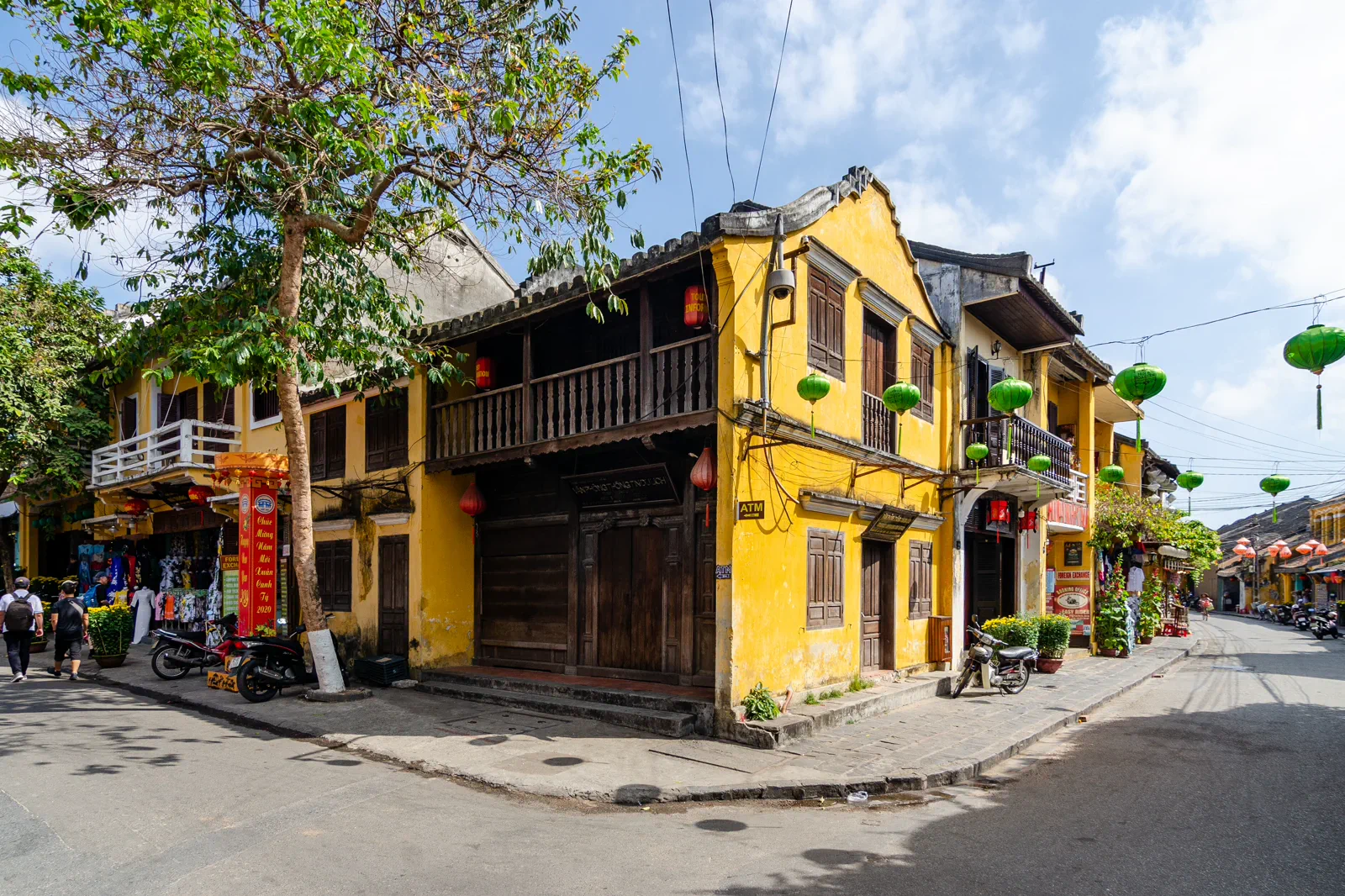
Reach Hoi An by road from Da Nang or another regional base, then walk or cycle inside the appropriate pedestrian zone. Entry points, ticket validity and vehicle restrictions can change.
Begin in daylight with a heritage building sequence, pause away from the busiest lanes, then return for the lantern atmosphere only after checking rain, water level and crowd movement.
Protect the living heritage boundary: follow ticket and building rules, do not touch timber or altars, ask residents before photographing and keep doorways clear.
Keep the local logic visible.
Hoi An’s value is the relationship between architecture, commerce, river, memory and present-day residents. The old town should be read slowly enough that living use remains visible.
Let sequence do the editing.
Begin in daylight with a heritage building sequence, pause away from the busiest lanes, then return for the lantern atmosphere only after checking rain, water level and crowd movement.
Choose the town scale
Check the current visitor announcement, ticket arrangement and walking restrictions, then select a few buildings that tell a coherent story.
Read the port
Follow street, house, assembly hall and river relationships to understand why Hoi An is more than a lantern photograph.
Leave living room
Step aside for residents, deliveries and worshippers; use public rest areas rather than occupying private thresholds.
Return by weather
Decide whether an evening walk is sensible after checking rain, flood conditions and crowd density, then leave the old town clean and quiet.
Three weak points to solve.
Conditions change faster than an editorial page. Verify the named official source, actual operator and local weather close to travel.
Flood and storms
Hoi An’s annual flood and storm pattern can change streets, access and building operations; keep a dry-day alternative.
Heritage wear
Crowding, touching, flash and large equipment can damage old interiors; follow the conservation center’s rules.
Shared streets
Pedestrian, bicycle, delivery and boat movement overlap; keep children close and avoid stopping in narrow doorways or bridges.
Protect the living heritage boundary: follow ticket and building rules, do not touch timber or altars, ask residents before photographing and keep doorways clear.
Hoi An Ancient Town FAQ
How much time should Hoi An Ancient Town receive?
Give the old town one full daylight-to-evening arc, or split it into two shorter visits when heat, mobility or rain is a concern.
Can I combine Hoi An Ancient Town with another major chapter?
Combine with Cam Kim or Tra Que only as a separate countryside chapter; My Son deserves a different departure and return buffer.
What should I verify before leaving?
Recheck the Hoi An heritage center’s current ticket, hours, pedestrian rules, weather and flood notices before the walk.
Choose the next chapter by purpose.
Return to the hub before joining distant branches into one day.
Official sources and photo credits
Planning facts and image licenses were reviewed on 31 August 2026. Schedules, access, tickets, weather and operator terms change; verify directly before travel.
- Vietnam Tourism — Da Nang transport, beach, Son Tra and Marble Mountains.
- UNESCO — Hoi An Ancient Town.
- UNESCO — My Son Sanctuary.
- Hoi An World Cultural Heritage Conservation Center — visitor announcement.
- Da Nang Tourism — Son Tra Peninsula.
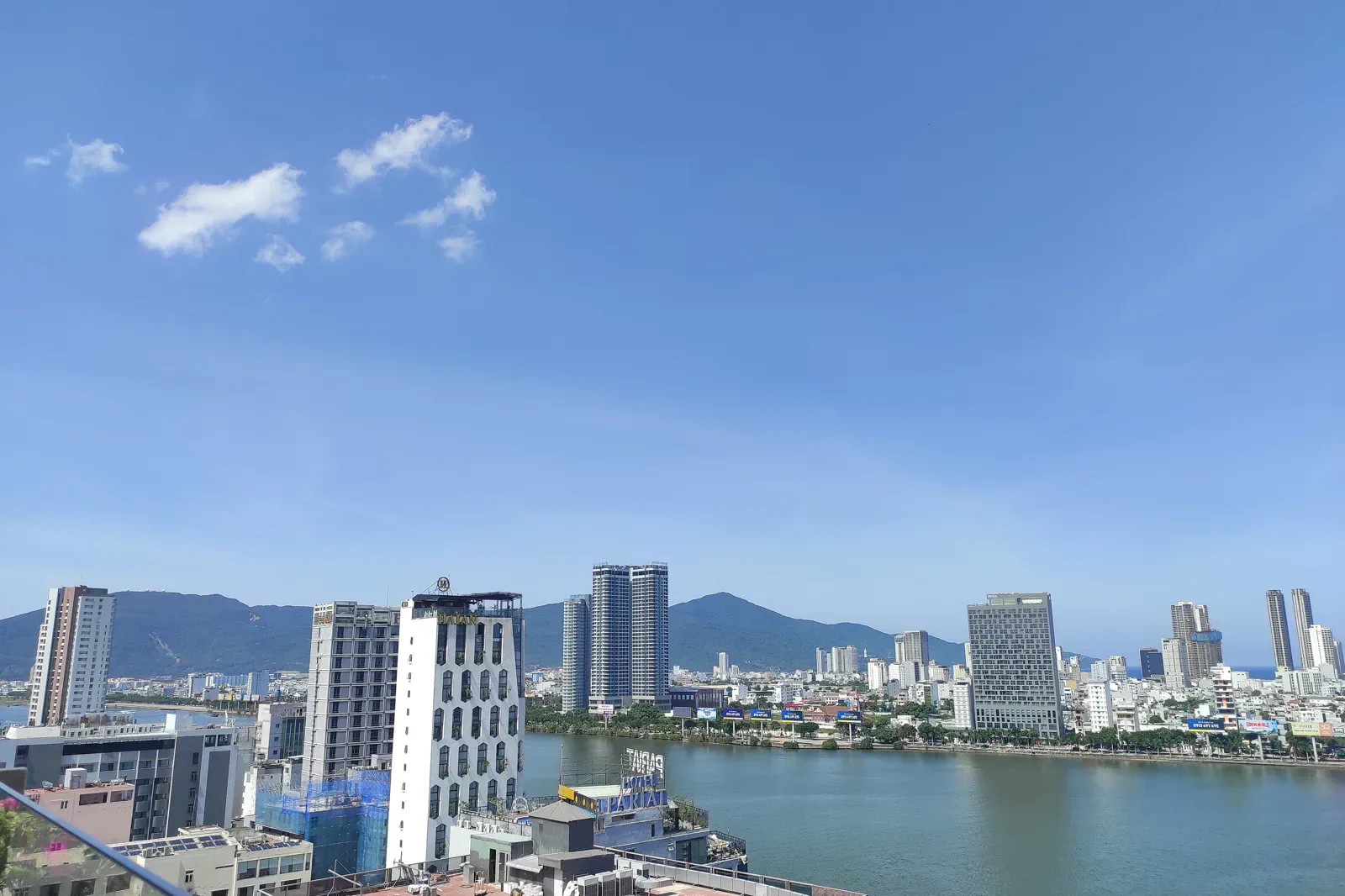
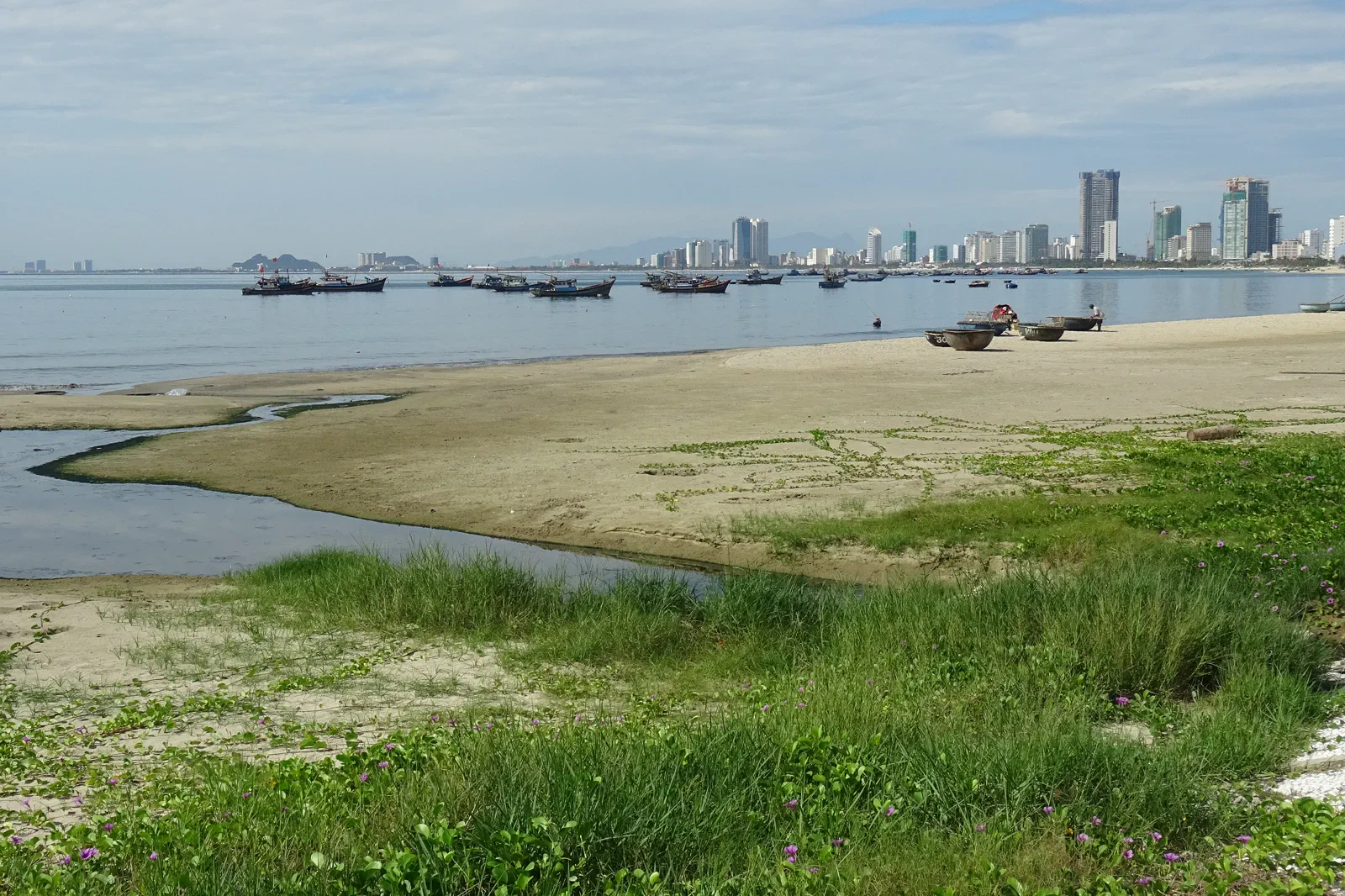
- Han River, Da Nang — Somerset999, CC BY-SA 4.0. Resized, display-cropped and converted to WebP; no other material edits.
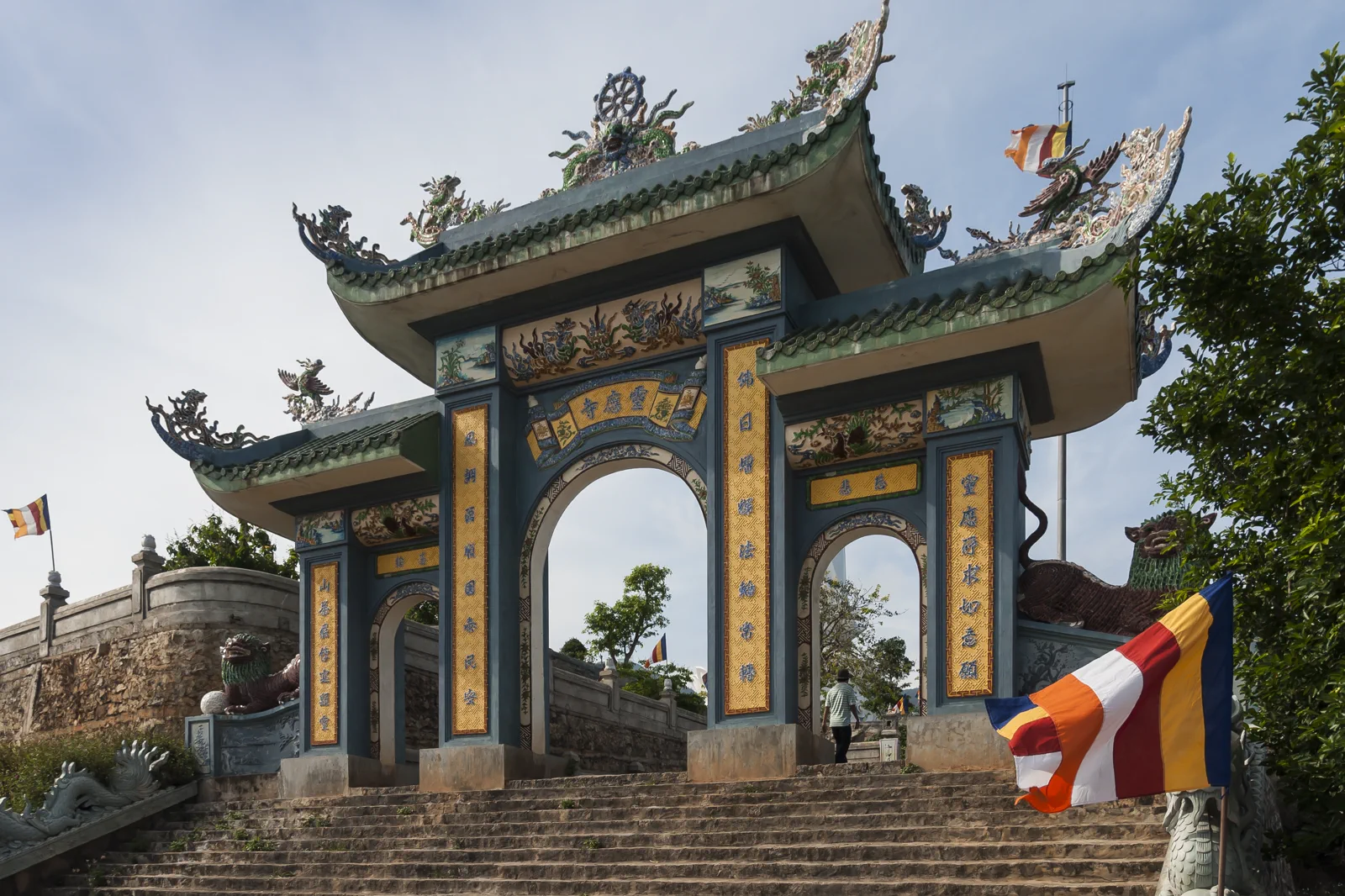
- Gate to Linh Ung Pagoda, Son Tra Peninsula — CEphoto, Uwe Aranas, CC BY-SA 3.0. Resized, display-cropped and converted to WebP; no other material edits.
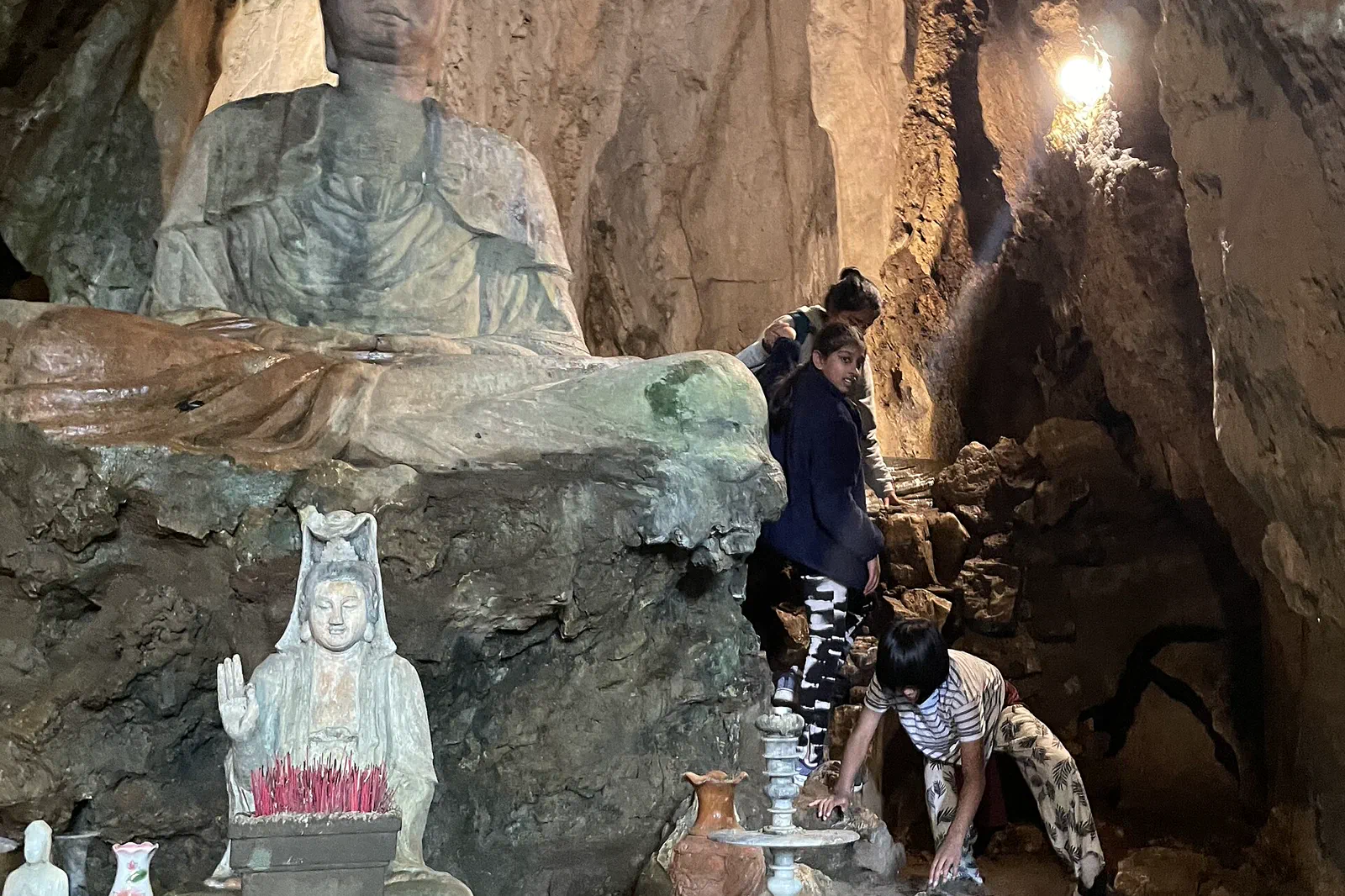
- Marble Mountains, Ngu Hanh Son — Muralikrishna m, CC BY-SA 4.0. Resized, display-cropped and converted to WebP; no other material edits.
- My Khe Beach, Da Nang — Christophe95, CC BY-SA 4.0. Resized, display-cropped and converted to WebP; no other material edits.
- Hoi An Ancient Town — Steffen Schmitz, CC BY-SA 4.0. Resized, display-cropped and converted to WebP; no other material edits.
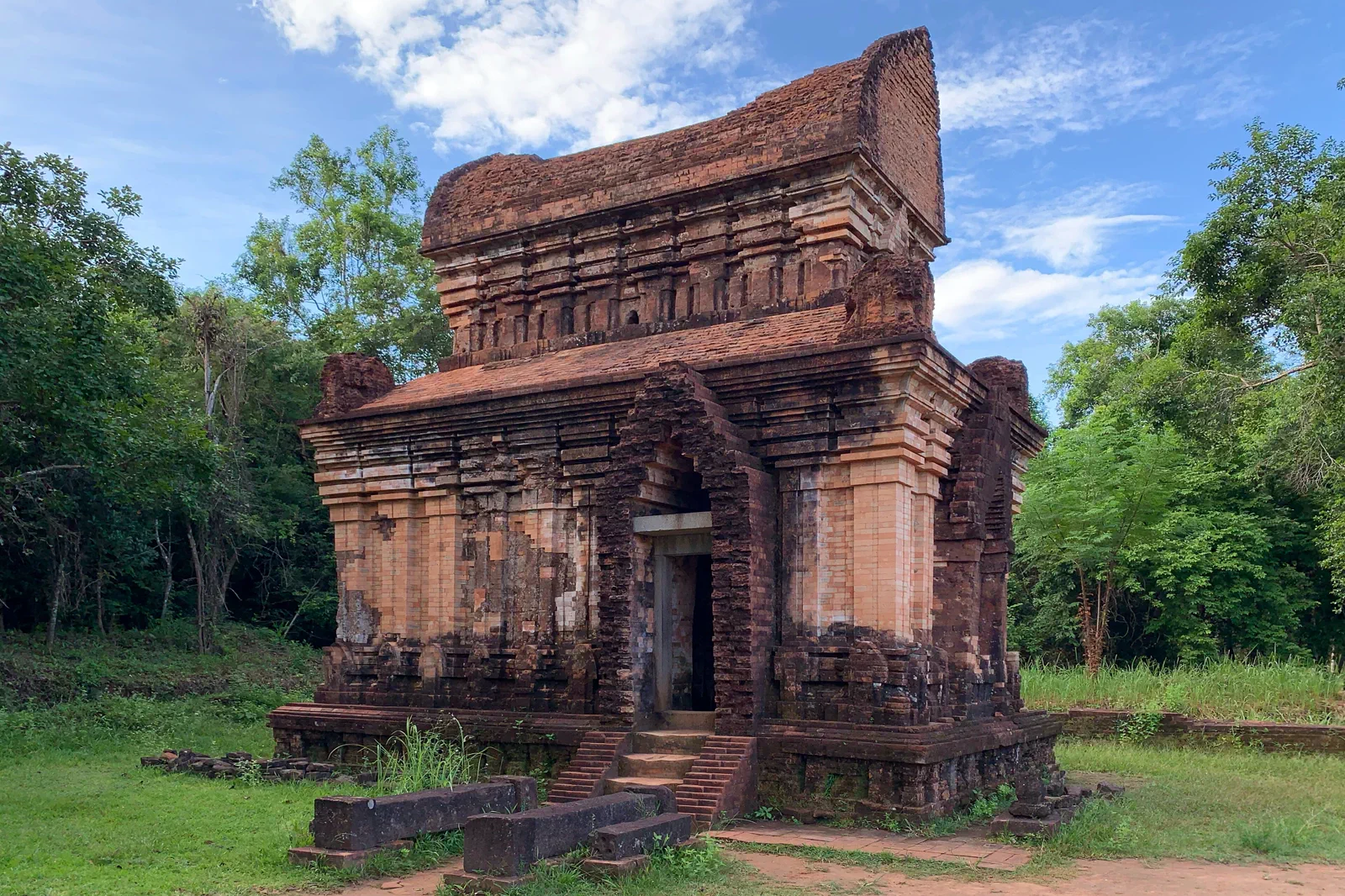
- My Son Sanctuary Temple E7 — Chainwit., CC BY 4.0. Resized, display-cropped and converted to WebP; no other material edits.