Son Tra Peninsula Wildlife & Linh Ung Forest above the bay.
Plan Son Tra as a forest and wildlife route with Linh Ung, viewpoints and red-shanked douc langur ethics at its center.
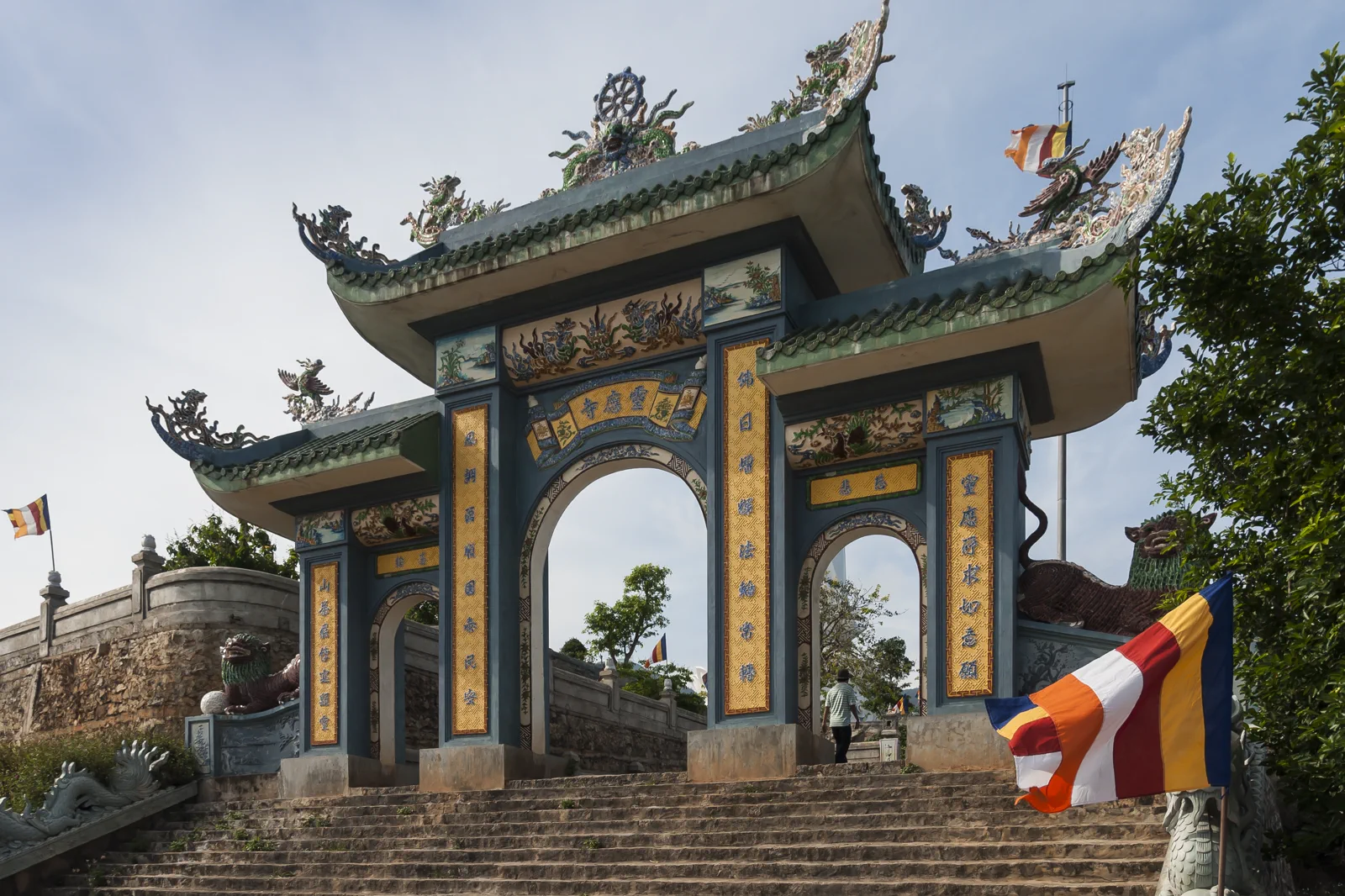
Use a roadworthy vehicle, helmet and a driver comfortable with winding mountain roads. Some roads, viewpoints and access arrangements can be restricted by weather or local management.
Climb with a weather check, visit the pagoda respectfully, scan the forest from legal viewpoints, then descend before rain, darkness or fatigue changes the road risk.
Protect the douc langur habitat: no feeding, chasing, calling, touching, flash photography, drones or off-road approach; carry all waste back down.
Keep the local logic visible.
Son Tra is a protected coastal forest beside a fast-growing city. The best visit makes the habitat visible, keeps the road safe and treats the pagoda as a sacred place rather than a backdrop.
Let sequence do the editing.
Climb with a weather check, visit the pagoda respectfully, scan the forest from legal viewpoints, then descend before rain, darkness or fatigue changes the road risk.
Check the road
Confirm weather, road restrictions, vehicle condition and fuel before committing to the peninsula’s winding ascent.
Cross the threshold
Visit Linh Ung in modest clothing and with quiet attention, leaving prayer spaces and resident worshippers undisturbed.
Watch without pursuit
Use binoculars and patience from legal viewpoints; a missed animal is a successful ethical visit, not a reason to move closer.
Descend early
Keep a daylight and rain buffer for the descent, then return to the city without adding another mountain road to the same evening.
Three weak points to solve.
Conditions change faster than an editorial page. Verify the named official source, actual operator and local weather close to travel.
Wildlife disturbance
Red-shanked douc langurs are endangered; feeding, baiting, crowding or loud behavior can harm the animals and the forest.
Winding road
Wet pavement, blind bends, loose gravel and traffic make speed and roadside stops dangerous; use marked pull-outs only.
Sacred conduct
Linh Ung and other religious spaces require modest dress, quiet movement and compliance with photography restrictions.
Protect the douc langur habitat: no feeding, chasing, calling, touching, flash photography, drones or off-road approach; carry all waste back down.
Son Tra Peninsula Wildlife & Linh Ung FAQ
How much time should Son Tra Peninsula Wildlife & Linh Ung receive?
Allow most of a day for a careful peninsula circuit; a short city stop is not enough to justify a rushed summit drive.
Can I combine Son Tra Peninsula Wildlife & Linh Ung with another major chapter?
Combine with the city core only before or after the forest window; keep Marble Mountains and My Khe separate so road and beach conditions remain visible.
What should I verify before leaving?
Check local Son Tra access notices, weather, road status, wildlife guidance and the vehicle or driver plan before departure.
Choose the next chapter by purpose.
Return to the hub before joining distant branches into one day.
Official sources and photo credits
Planning facts and image licenses were reviewed on 31 August 2026. Schedules, access, tickets, weather and operator terms change; verify directly before travel.
- Vietnam Tourism — Da Nang transport, beach, Son Tra and Marble Mountains.
- UNESCO — Hoi An Ancient Town.
- UNESCO — My Son Sanctuary.
- Hoi An World Cultural Heritage Conservation Center — visitor announcement.
- Da Nang Tourism — Son Tra Peninsula.
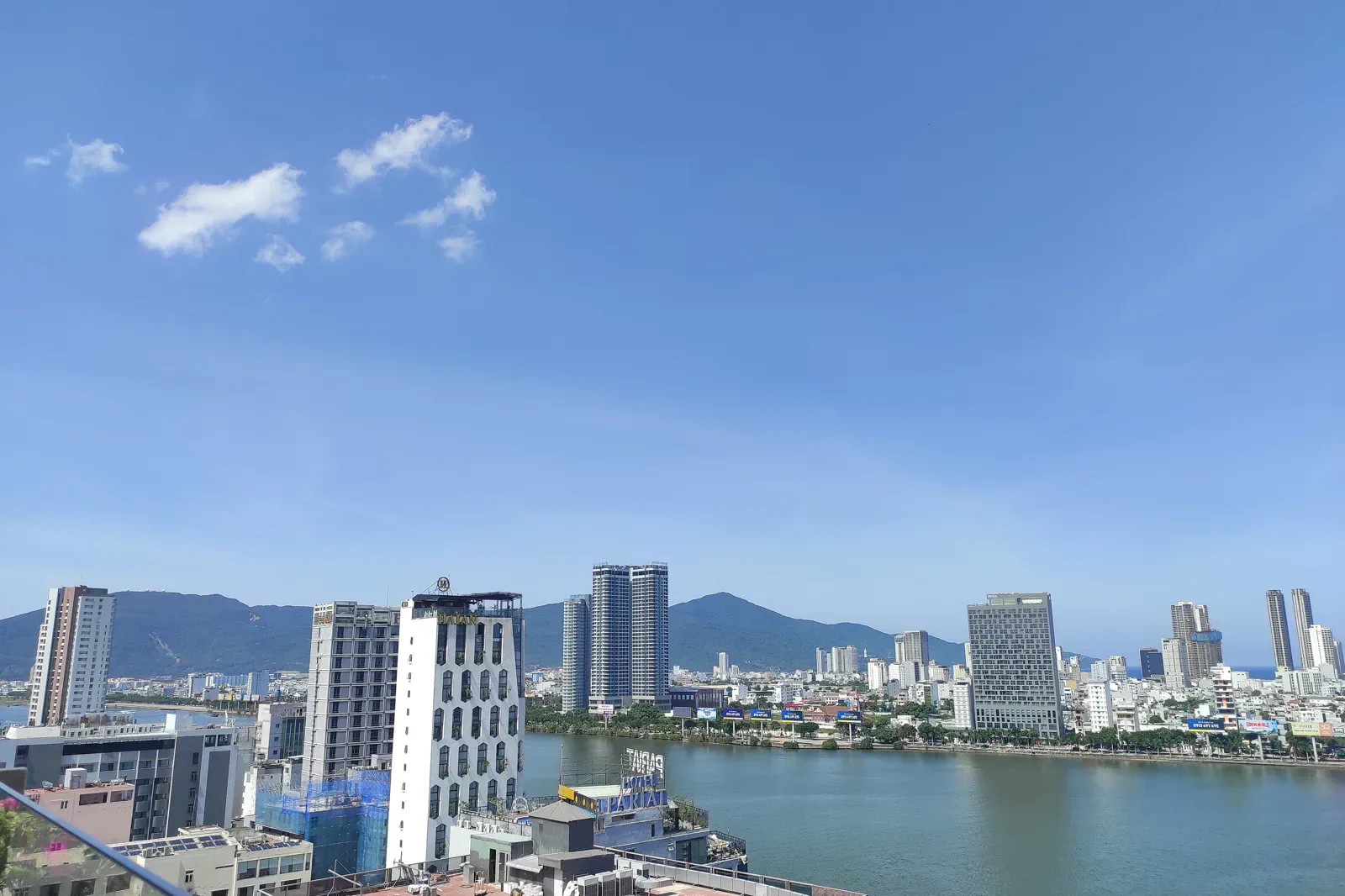
- Han River, Da Nang — Somerset999, CC BY-SA 4.0. Resized, display-cropped and converted to WebP; no other material edits.
- Gate to Linh Ung Pagoda, Son Tra Peninsula — CEphoto, Uwe Aranas, CC BY-SA 3.0. Resized, display-cropped and converted to WebP; no other material edits.
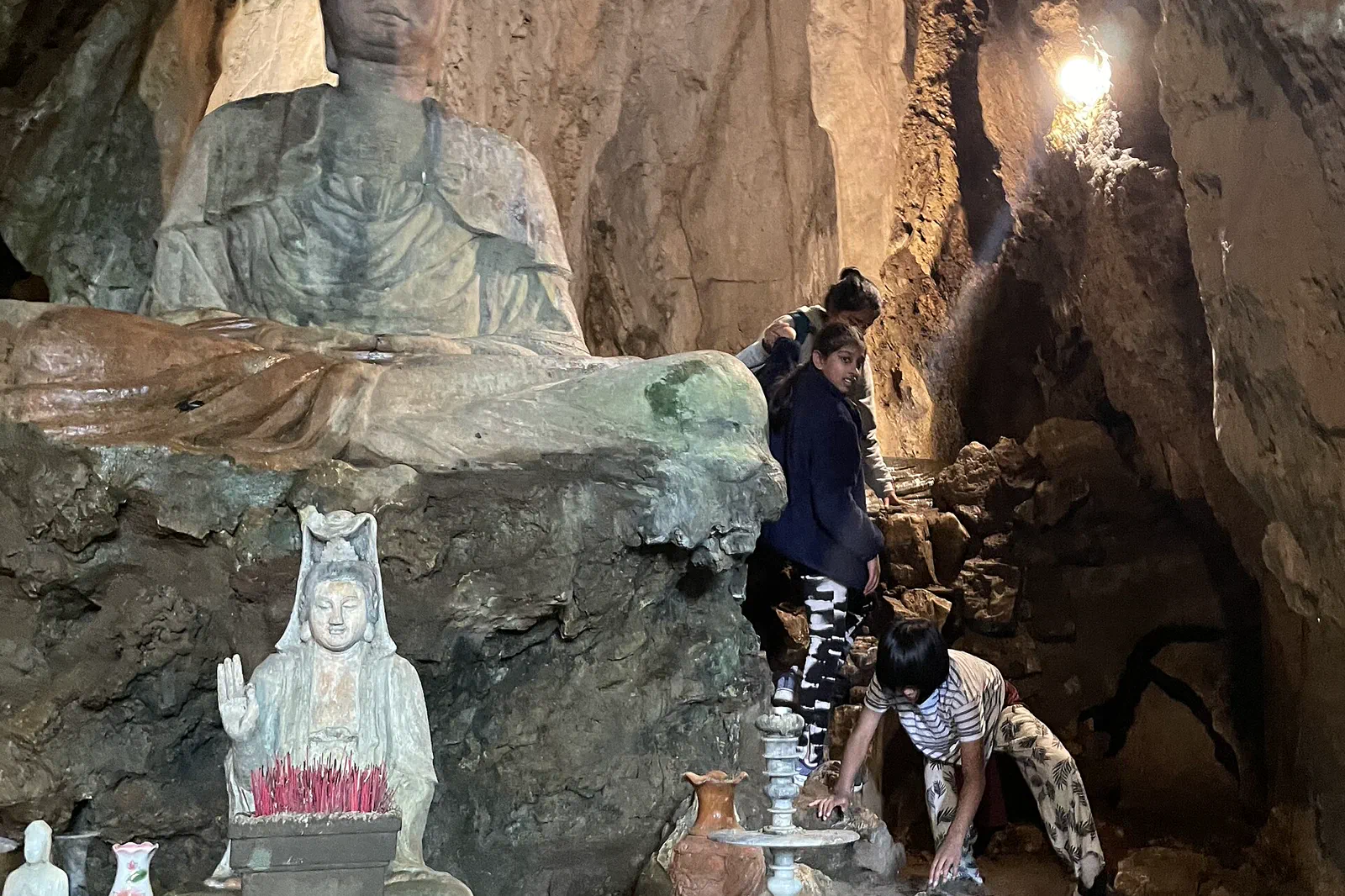
- Marble Mountains, Ngu Hanh Son — Muralikrishna m, CC BY-SA 4.0. Resized, display-cropped and converted to WebP; no other material edits.
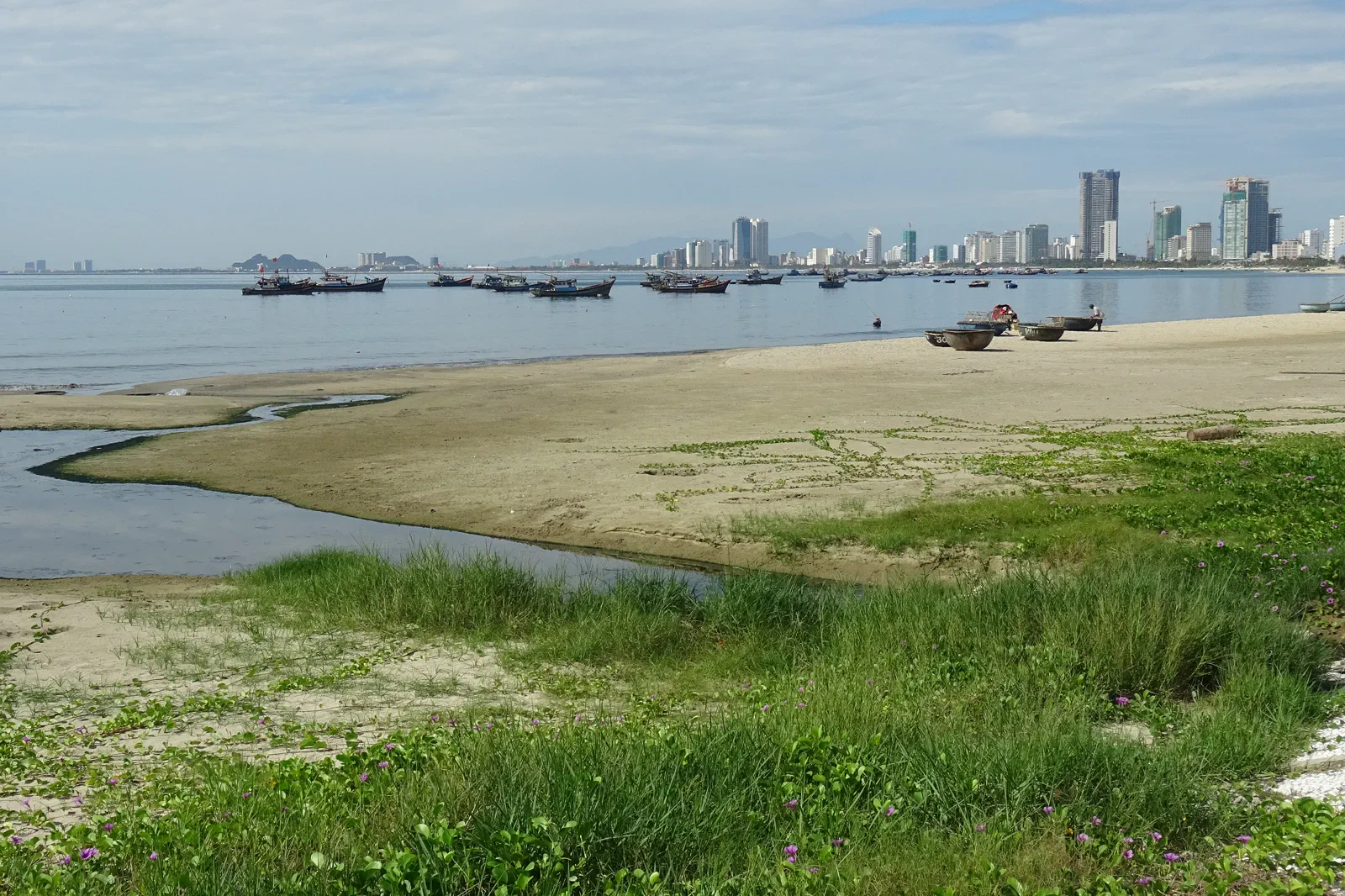
- My Khe Beach, Da Nang — Christophe95, CC BY-SA 4.0. Resized, display-cropped and converted to WebP; no other material edits.
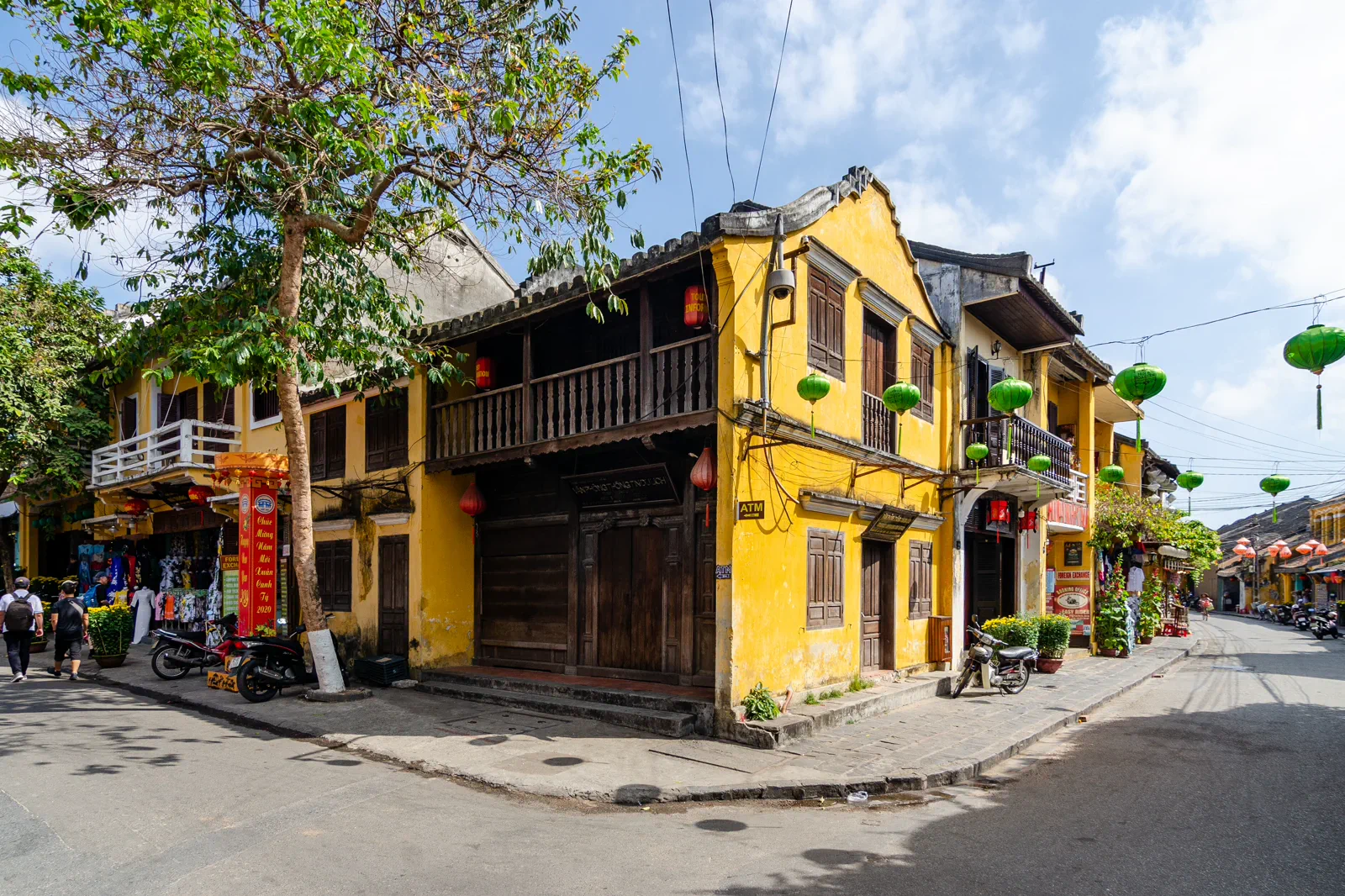
- Hoi An Ancient Town — Steffen Schmitz, CC BY-SA 4.0. Resized, display-cropped and converted to WebP; no other material edits.
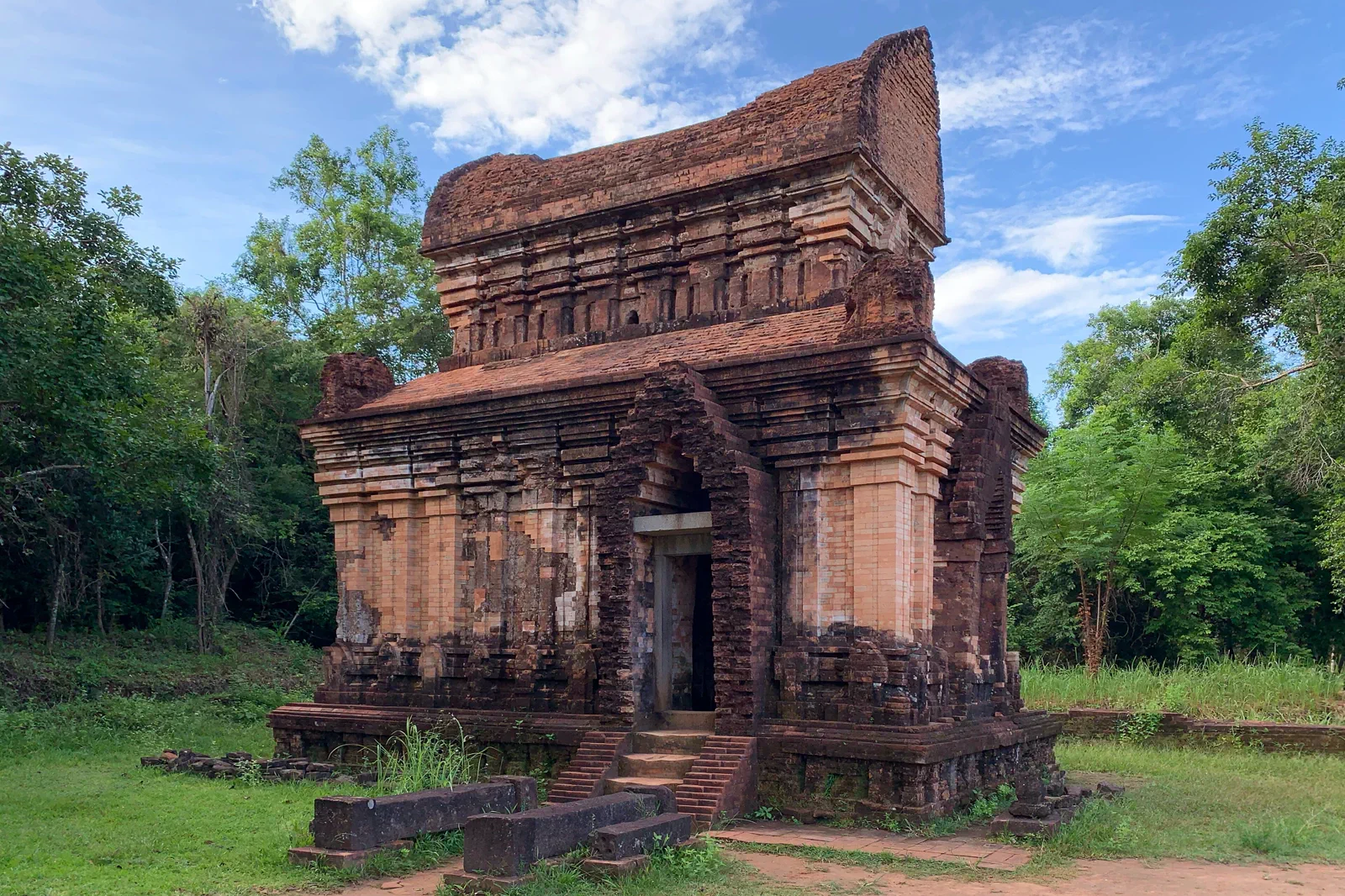
- My Son Sanctuary Temple E7 — Chainwit., CC BY 4.0. Resized, display-cropped and converted to WebP; no other material edits.