Nha Trang Bay Conservation & Island Transfer The reef-side contract.
A practical conservation chapter for choosing a bay route, checking protected zones, selecting an operator and protecting the return transfer.
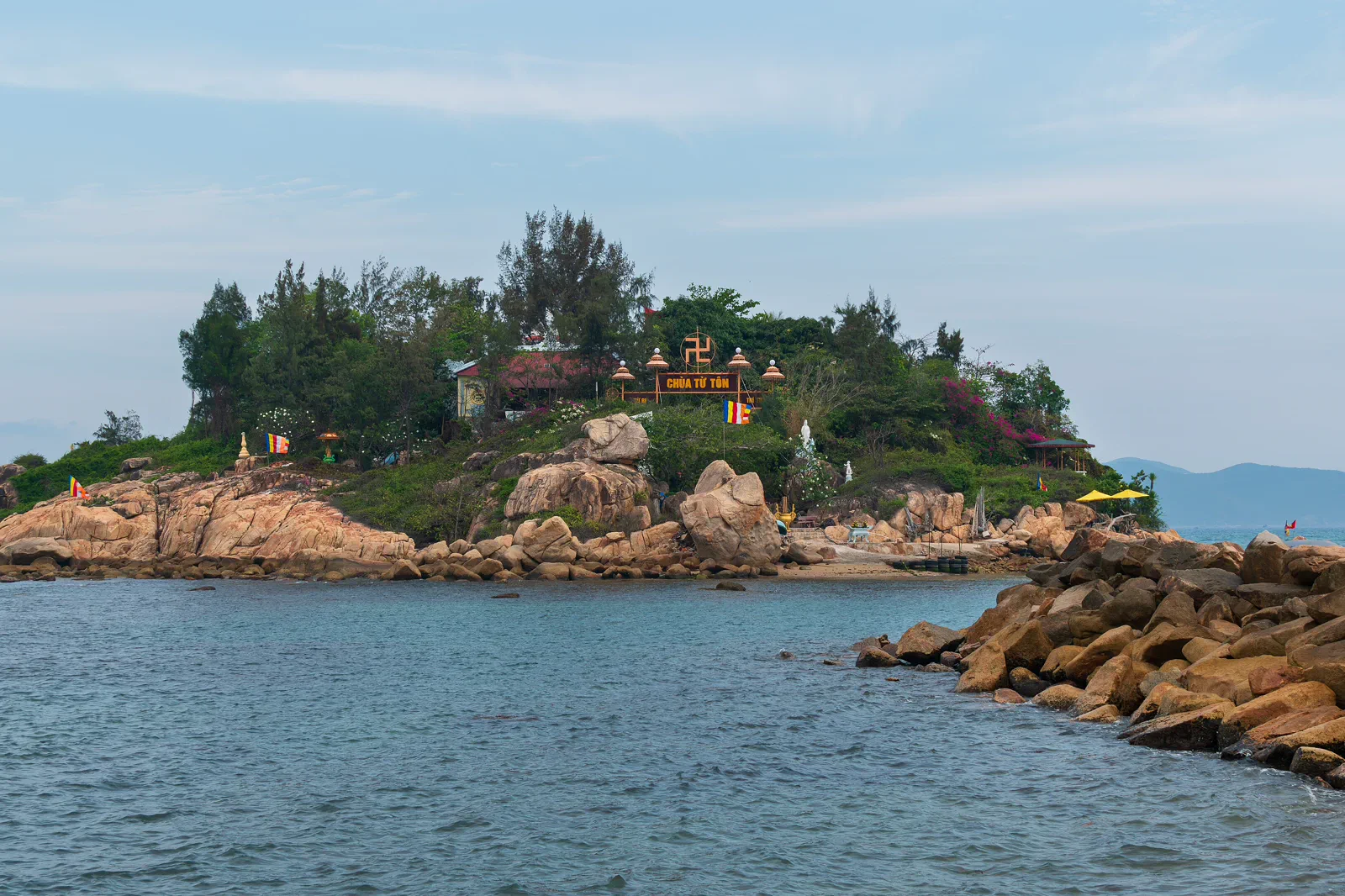
Start with the exact pier and current bay notice, then compare operator vessel, life jackets, route, cancellation terms, passenger load and return time before paying.
Check the marine forecast, confirm the protection zone and operator, board safely, follow no-touch reef practice, and return with enough slack for a delayed or canceled boat.
Protect the bay boundary: no coral contact, anchoring in prohibited habitat, marine-life feeding, plastic discharge, shell collection or entry into closed zones.
Keep the local logic visible.
The bay is not just a menu of islands. Coral, seagrass, mangrove, working ports, vessel safety, weather and community livelihoods all determine whether a marine itinerary is responsible and realistic.
Let sequence do the editing.
Check the marine forecast, confirm the protection zone and operator, board safely, follow no-touch reef practice, and return with enough slack for a delayed or canceled boat.
Read the reserve
Use official bay and biodiversity information to understand why coral, seagrass, mangrove and island water are managed differently.
Audit the operator
Confirm license or official booking channel, vessel identity, crew, life jackets, route, weather cancellation and return contract.
Travel as a guest
Remain seated underway, follow the captain, keep noise low and enter water only in the designated activity area.
Protect the next leg
Leave a large return buffer before flights, trains or another paid activity; a canceled boat should trigger a safe plan B.
Three weak points to solve.
Conditions change faster than an editorial page. Verify the named official source, actual operator and local weather close to travel.
Forecast mismatch
Sea conditions can change after a booking is made; check waves, wind, thunderstorms and visibility close to departure.
Protected habitat
Nha Trang Bay’s reefs and seagrass are under restoration and management; no touching, standing, collecting or unapproved anchoring.
Operator gap
A cheap or vague boat offer may not provide the same safety, insurance or cancellation terms; keep exact operator details and crew instructions.
Protect the bay boundary: no coral contact, anchoring in prohibited habitat, marine-life feeding, plastic discharge, shell collection or entry into closed zones.
Nha Trang Bay Conservation & Island Transfer FAQ
How much time should Nha Trang Bay Conservation & Island Transfer receive?
Use this as a planning session before a marine day, then reserve the whole day for the actual transfer and weather margin.
Can I combine Nha Trang Bay Conservation & Island Transfer with another major chapter?
Combine with city planning or a flexible recovery day; never stack this decision chapter onto a fixed flight connection without slack.
What should I verify before leaving?
Check NCHMF sea weather, the current Nha Trang Bay management notice, protected-area rules, operator details and the next transport connection.
Choose the next chapter by purpose.
Return to the hub before joining distant branches into one day.
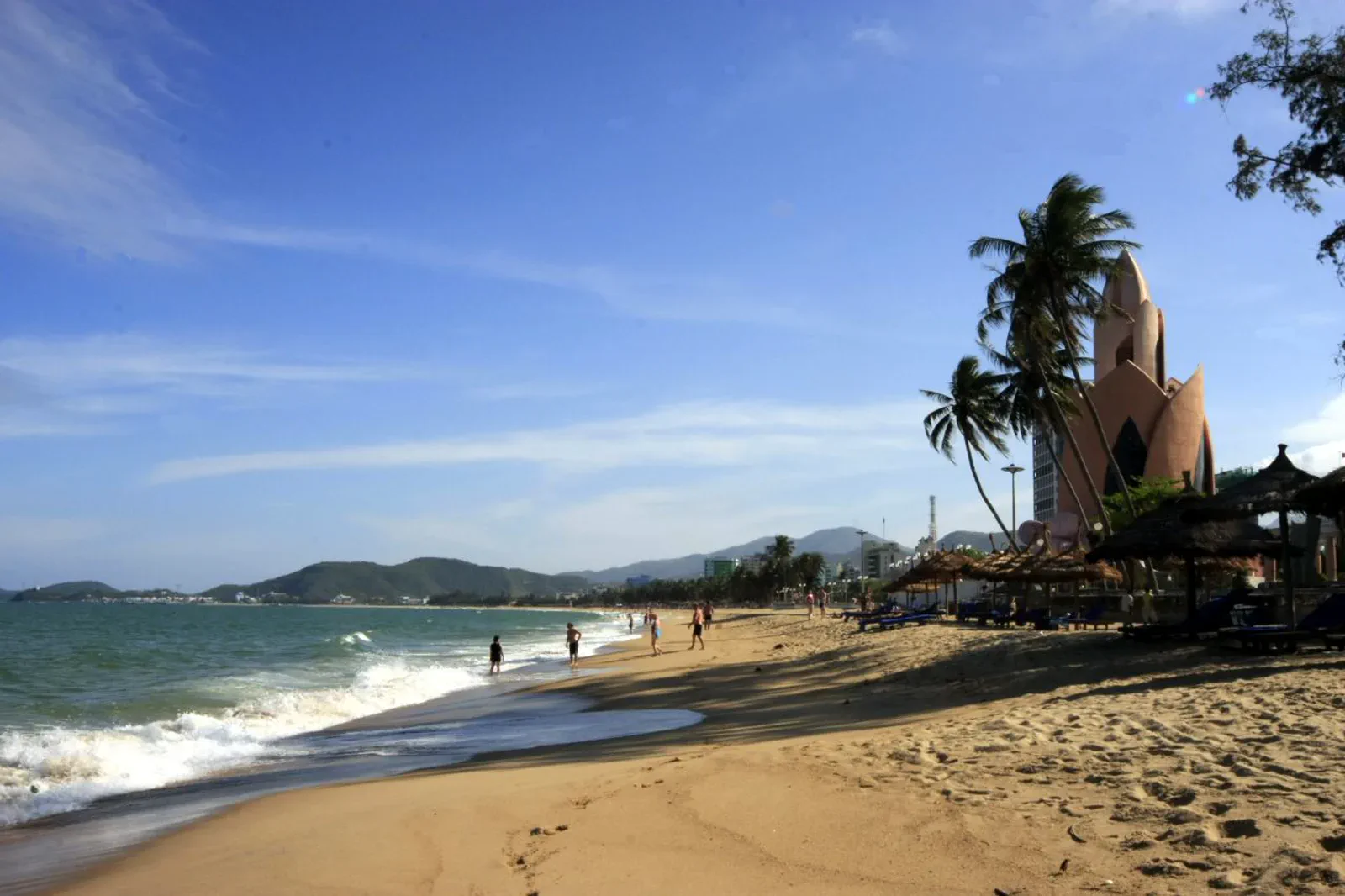 docketNha Trang City & Tran Phu BeachThe public shoreline
 compassPo Nagar Cham Towers & Hon ChongMother of the land, stone of the bay
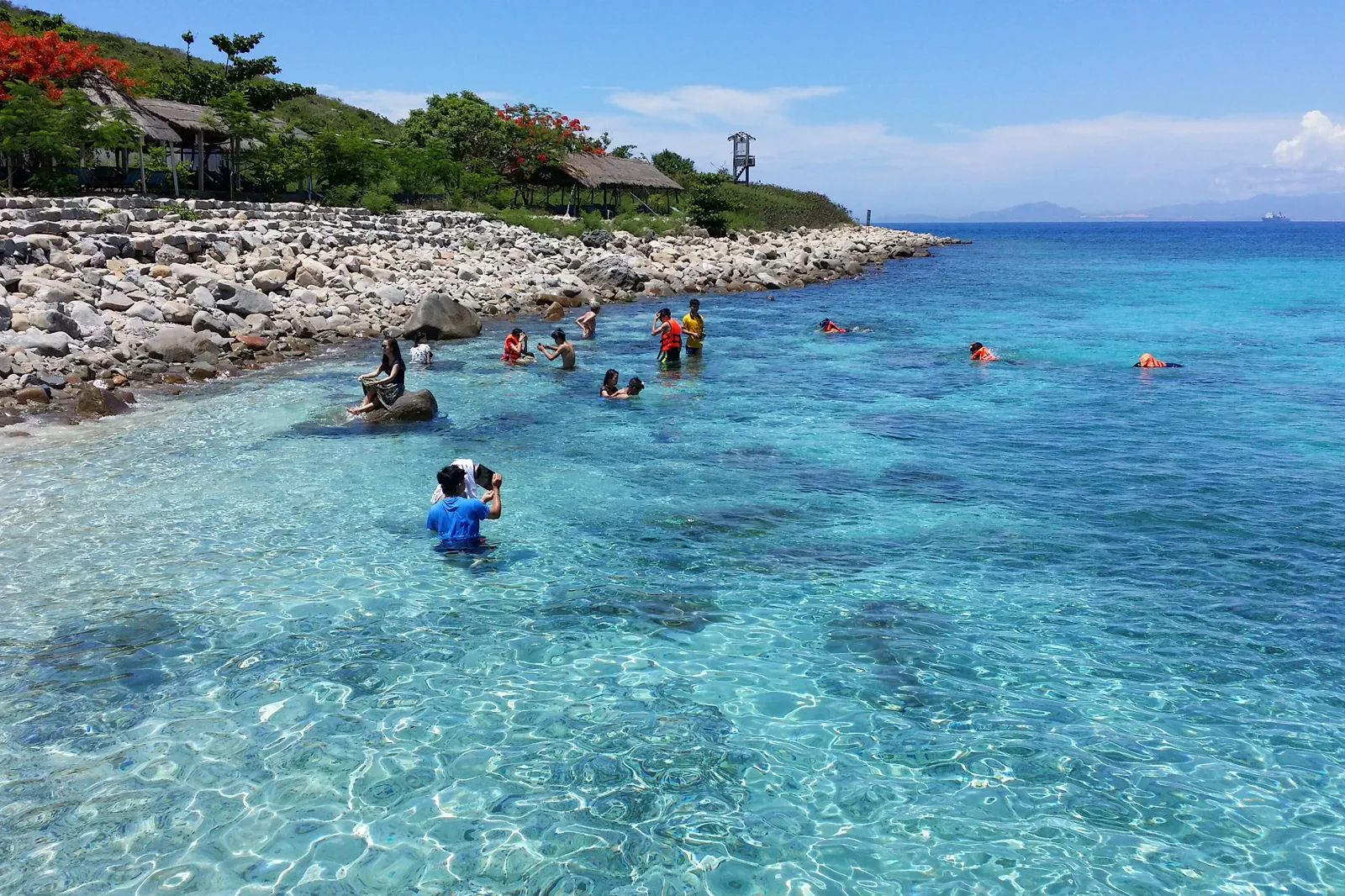 expeditionHon Mun Island Marine RouteReef before recreation
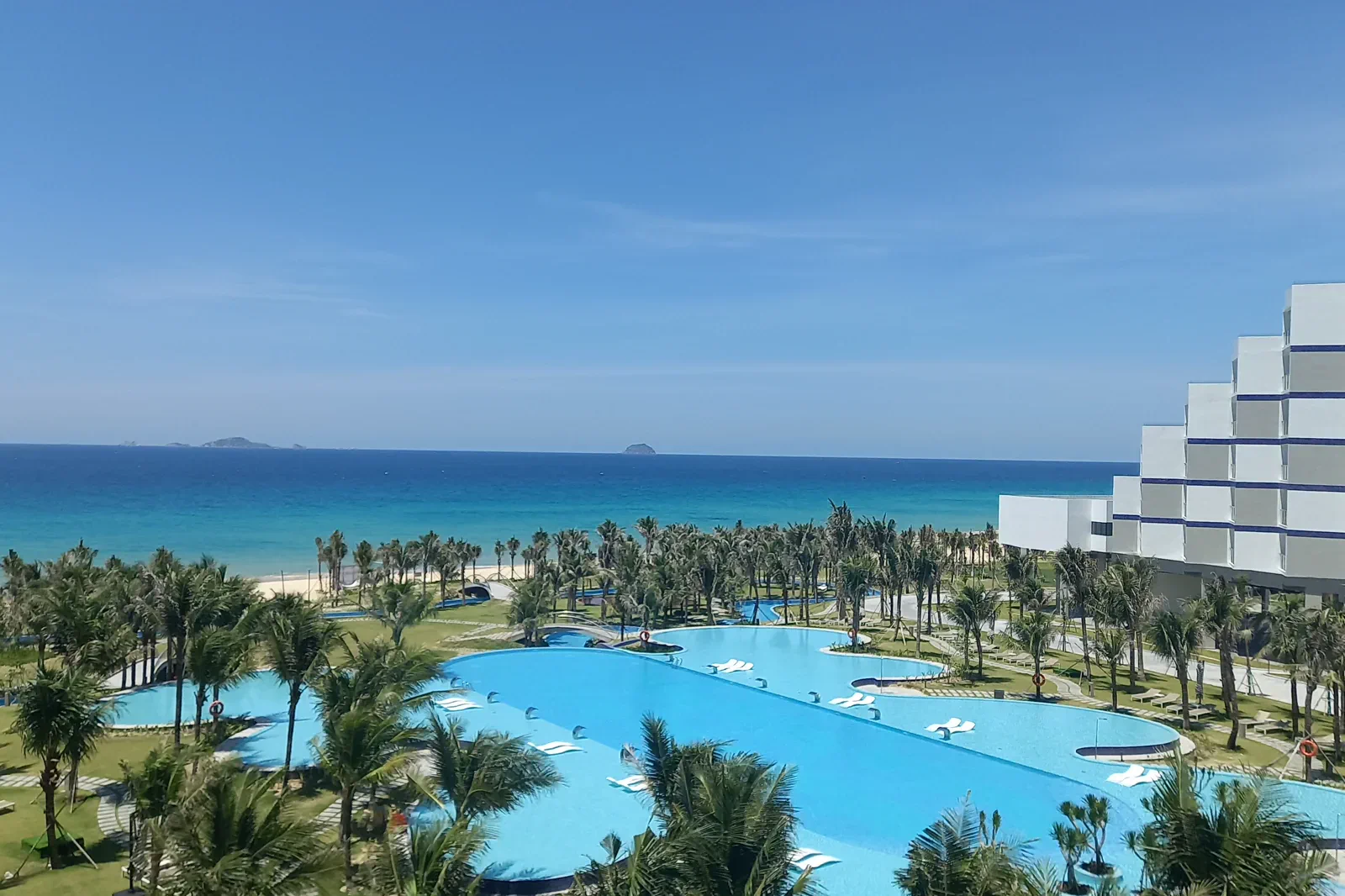 ledgerCam Ranh & Bai Dai CoastThe airport-side coast
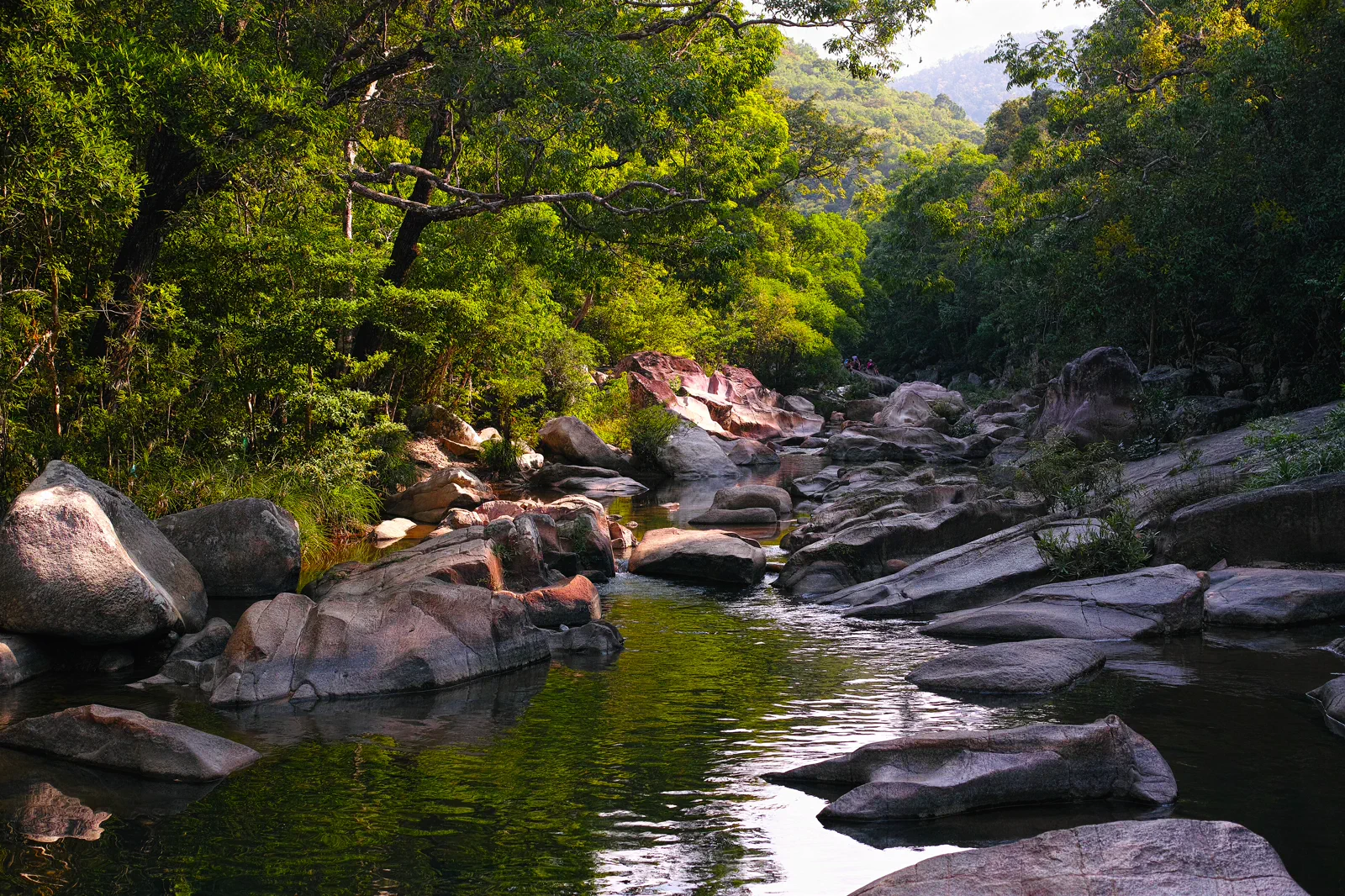 transectBa Ho Waterfalls & Ninh HoaThree pools inland
Official sources and photo credits
Planning facts and image licenses were reviewed on 31 August 2026. Schedules, access, tickets, weather and operator terms change; verify directly before travel.
- Vietnam Tourism — Nha Trang city, beaches, islands and transport.
- Khanh Hoa Digital Travel Platform — Nha Trang Bay.
- Khanh Hoa Digital Travel Platform — Po Nagar Cham Towers.
- National Biodiversity Conservation — Nha Trang Bay Nature Reserve.
- Ninh Hoa Government — Ba Ho Ecotourism Area.
- Beach at Nha Trang, Vietnam — Bruce Tuten, CC BY 2.0. Resized, display-cropped and converted to WebP; no other material edits.
- Po Nagar Cham Towers — wileypics, CC BY 2.0. Resized, display-cropped and converted to WebP; no other material edits.
- Hon Mun Island, Nha Trang Bay — Nguyen Hung Vu, CC BY 2.0. Resized, display-cropped and converted to WebP; no other material edits.
- Cam Ranh Sea — GDAE, CC BY-SA 4.0. Resized, display-cropped and converted to WebP; no other material edits.
- Ba Ho Stream, Khanh Hoa — [Tycho], CC BY-SA 3.0. Resized, display-cropped and converted to WebP; no other material edits.
- Hon Do Island from Nha Trang mainland — Dominic Nelson, CC BY-SA 4.0. Resized, display-cropped and converted to WebP; no other material edits.