Apollo Bay & the Otways forest-and-harbour base.
Use Apollo Bay as a real overnight reset between the open coast and Great Otway forest, with one confirmed walk and a road-safe plan for the next stage.
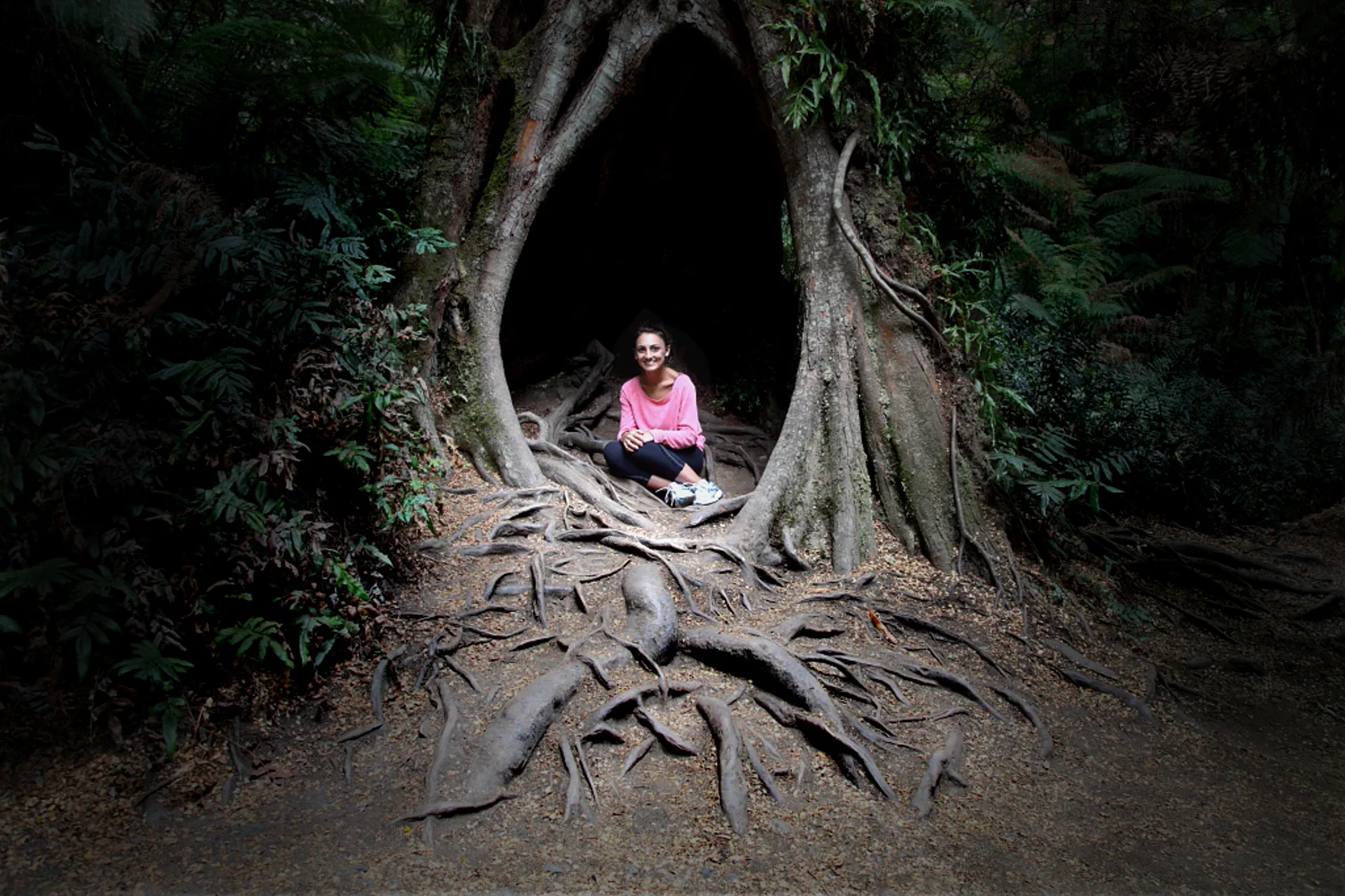
Give the forest walk its own daylight block. Add another coast stop only if the track is short, open, the driver is rested and the next accommodation is confirmed.
Treat the listed coach corridor to Apollo Bay as a town connection to verify, not a park shuttle. Confirm trailhead access and a return before buying or relying on a transit plan.
Use the visitor guide to select a formed track suited to current ground and the least mobile person. If rain, closure, limited daylight or fatigue removes that margin, stay in town and move the walk to another day.
Make the harbour town the pause between habitats.
Apollo Bay gives the coast progression a town-sized reset: complete meals, fuel, check-in and the next-day decision here rather than assuming every forest stop has supplies. Choose one Great Otway walk or visitor site, such as a current signed rainforest boardwalk, then return to town before adding another trailhead. The retained photograph shows a person beside a large hollow rainforest tree, not a map of a full trail; keep visitors on formed paths and use the manager’s current visitor guide to match the walk to ability and conditions.
Keep forest access and the next coast leg separate.
Arrive and settle
Confirm the booking, fuel, food and next day’s departure before driving inland. Use VicTraffic and park notices to see whether the chosen approach is open; a short map distance can still involve a narrow, slow road.
Select one signed walk
Use Parks Victoria’s Great Otway visitor guides and the current access notice to choose a formed walk that fits mobility, weather and the remaining daylight. Confirm trailhead parking and any separate operator or visitor requirements.
Walk within the conditions
Keep to the boardwalk or marked track and use handrails where present. Carry a warm layer and water; turn back if wind, rain, slippery roots, fallen trees or a closure makes the return uncertain.
Reset before the next drive
Return to Apollo Bay, rest and check Port Campbell-bound road conditions and the next night’s check-in. If the next leg cannot be made safely, extend the base or change the following day rather than rushing after dusk.
Three reasons to change the plan.
Services and opening windows
Town services and accommodation availability change by day and season. Settle essentials before the forest leg and confirm the next check-in directly.
Forest access and storm damage
Park boundaries and management can differ within the Great Otway area, and storm repairs can change access. Follow the live notice for the exact trailhead; do not assume a nearby route is open.
Wet track and driver fatigue
Roots and boards become slippery, while narrow roads need concentration. Shorten the walk or spend another night if the group or driver has lost a safe margin.
Access is never implied by proximity.
Keep to official tracks and boardwalks. Do not enter closed forest, climb into tree hollows, feed or spotlight wildlife, leave food or approach animals for a photograph. Rain can make roots and boardwalks slippery, while storm damage can close a road even when a nearby town remains open. Follow Traditional Owner and managing-authority guidance at all cultural sites.
Four related field chapters.

Torquay & Bells Beach
Start the coast with Torquay’s practical town services, a formal Bells Beach viewpoint and a deliberate choice…
Open the field guide →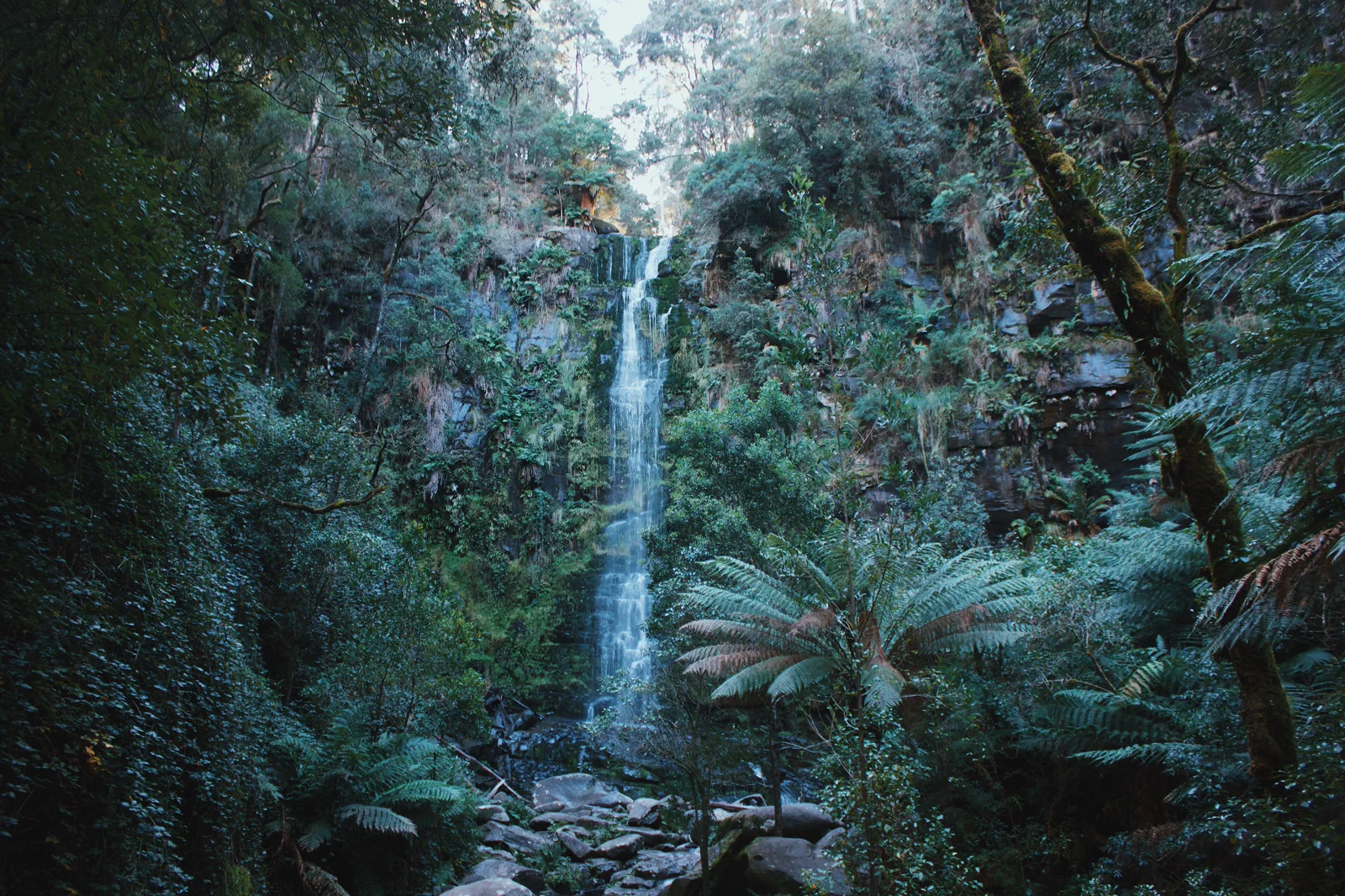
Lorne & Otway Waterfalls
A coast-and-forest day that makes the inland turn, waterfall stairs and narrow access road part of the schedule.
Open the field guide →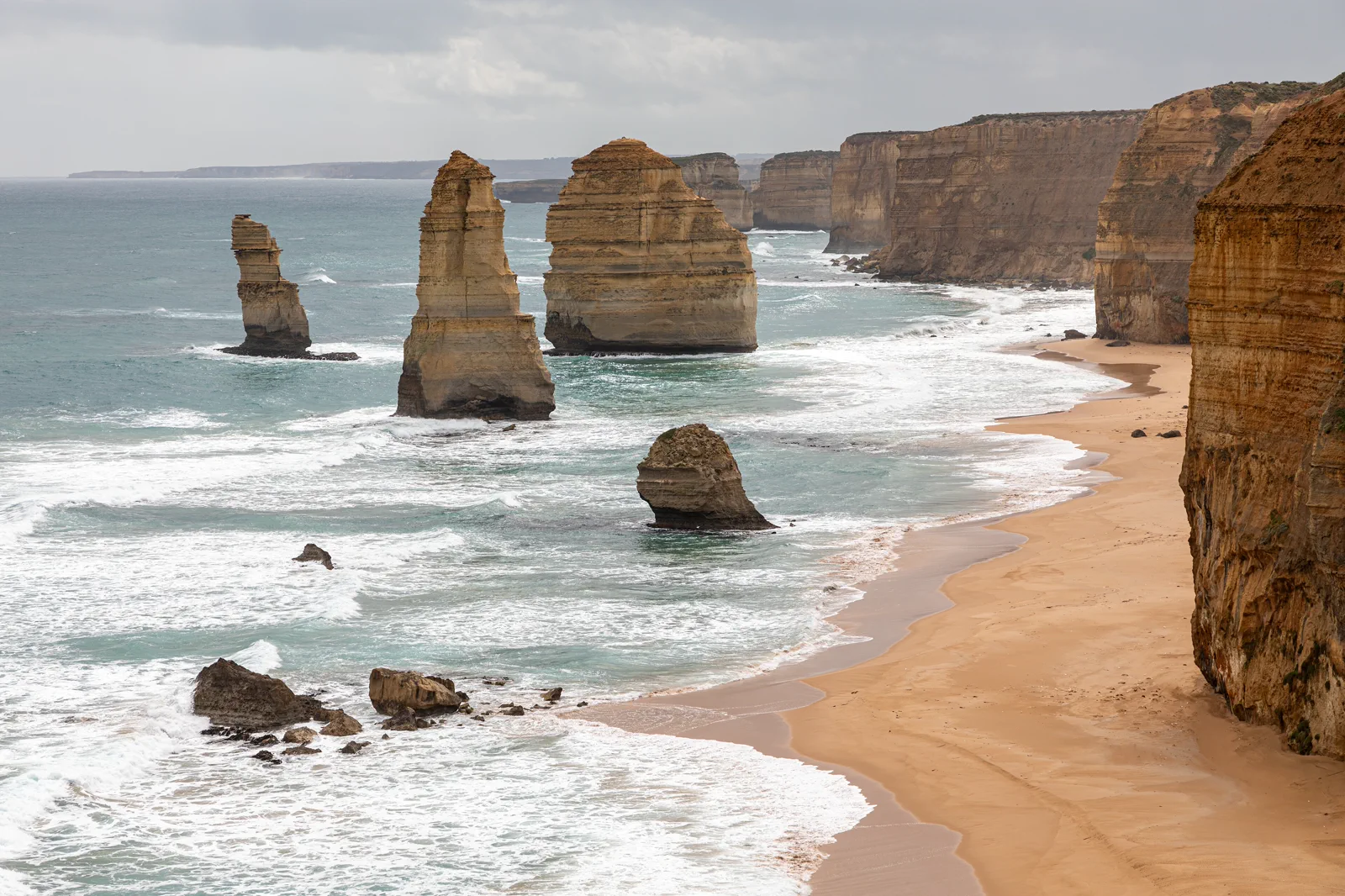
Port Campbell & Twelve Apostles
Base near Port Campbell to visit the limestone coast in daylight, choose formal viewpoints around wind and…
Open the field guide →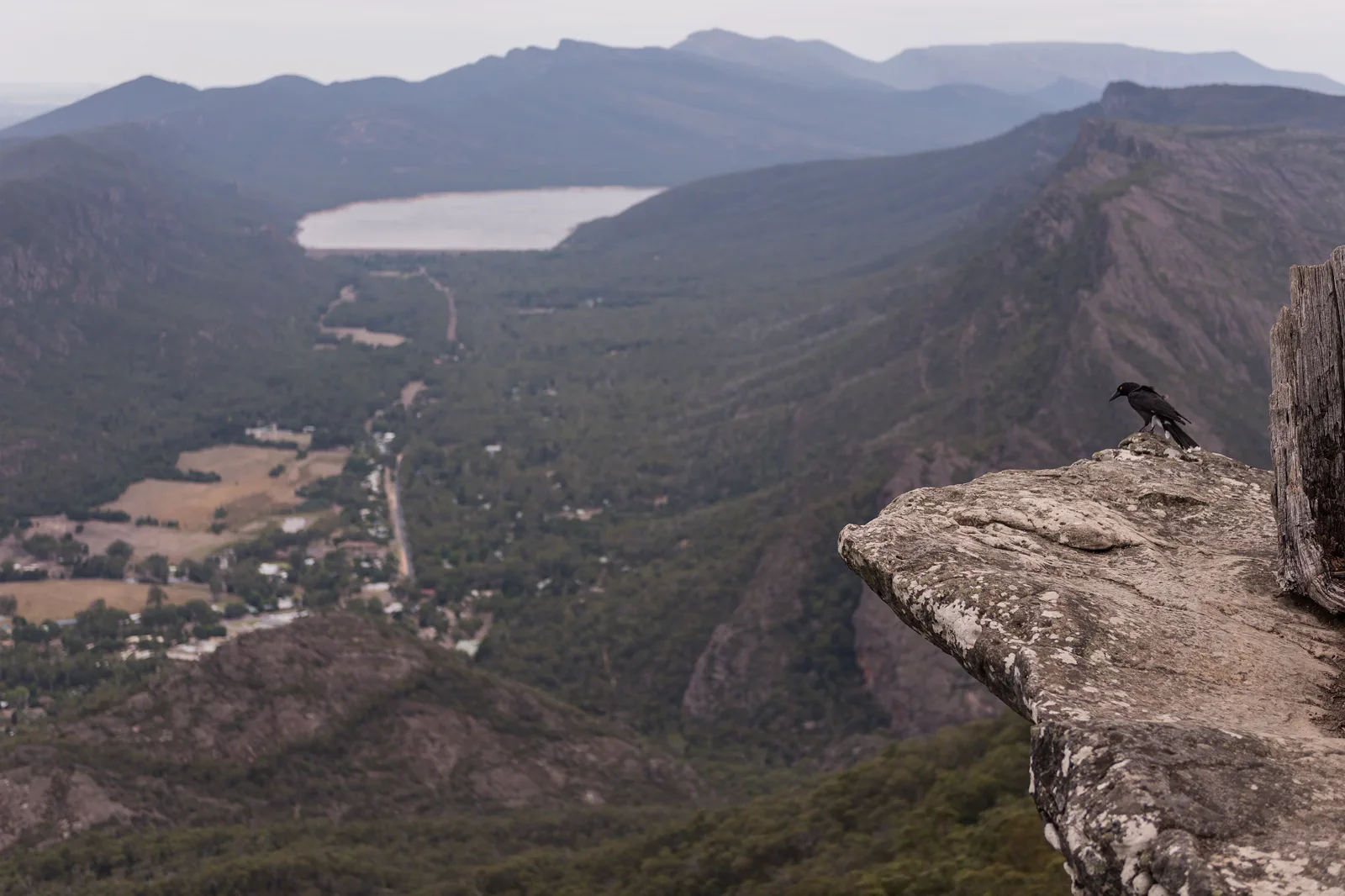
Gariwerd / Grampians
A mountain destination with its own cultural landscape, fire risk and graded walks, not a detour squeezed…
Open the field guide →Apollo Bay & the Otways FAQ
Can the regional coach take me to a rainforest walk?
The current route listing names Colac, Apollo Bay and Marengo, but it does not establish a stop at a particular trailhead or a convenient return. Check the day’s stops and connections in the official planner. If no safe last mile exists, choose a town visit or confirmed tour.
How many nights should I stay in Apollo Bay?
One overnight creates a sensible pause for one forest walk and the westbound drive. Add a second night for weather flexibility, a slower walk or a connection that would otherwise force a late arrival.
What is the wet-weather alternative?
Use a short open town walk, a confirmed indoor venue or a rest block, and move the forest outing to a suitable window. Do not enter a closed track because the coast is still accessible.
Official sources and photo credits
Planning facts and image licenses were reviewed on 12 October 2026. Access, weather, transport, fire, marine and operator conditions change; verify directly before travel.
- Transport Victoria — Colac–Marengo via Apollo Bay route listing.
- Transport Victoria — date-specific journey planner.
- Parks Victoria — Great Otway visitor guides and current conditions.
- Parks Victoria — park management is shared with GORCAPA.
- VicTraffic — current road conditions.
- Bureau of Meteorology — Victorian forecasts and warnings.
- Bells Beach, Australia (Unsplash).jpg — Samantha Lynch samjaynee, CC0. Resized, display-cropped and converted to WebP; no other material edits.
- Erskine Falls.jpg — Ari Moore, CC BY-SA 4.0. Resized, display-cropped and converted to WebP; no other material edits.
- Maits Rest Rainforest Trail.jpg — Michael John Sankey, CC BY-SA 4.0. Resized, display-cropped and converted to WebP; no other material edits.
- Princetown (AU), Port Campbell National Park, Twelve Apostles -- 2019 -- 0930.jpg — Dietmar Rabich, CC BY-SA 4.0. Resized, display-cropped and converted to WebP; no other material edits.
- View over Halls Gap, Grampians, from Boroka Lookout.jpg — Peter Trenchard, CC BY-SA 4.0. Resized, display-cropped and converted to WebP; no other material edits.