Malaysia between straits and rainforest.
Malaysia is not one linear country route. Build the peninsula around rail, road and two coastlines; treat Sabah or Sarawak as a separate flight-linked chapter with its own weather, park and transfer logic.
guide
Peninsular Malaysia
Kuala Lumpur is the air and rail hinge. The west-coast sequence can connect Melaka, Ipoh and Penang, while Cameron Highlands, Taman Negara and the east-coast islands require separate road or seasonal decisions.
Sabah and Sarawak
Kota Kinabalu, Sandakan, Semporna, Kuching and Mulu are not a single overland chain. Choose one ecological or cultural argument, then solve the exact flight, park booking and last-mile transfer.
Solve the border, money and first transfer before the route
Rules vary by passport and time. Use the official Immigration Department portal, and keep arrival-day plans deliberately light.
Check your nationality, not a generic visa list
Confirm the current entry permission, passport validity and allowed stay through the Malaysian Immigration Department or the mission serving your passport. An airline or third-party summary is not the final authority.
Use the official MDAC portal close to arrival
The official registration page says the trip must be within three days, including the submission date. Check exemptions, avoid look-alike paid sites and keep the confirmation accessible.
Bring cards, ringgit and a working phone
Cards and QR payments are common in cities, but cash still matters for markets, small boats, rural transport and outages. Arrange a data connection early and keep an offline copy of the hotel address and onward ticket.
Carry the passport into Borneo
Sabah and Sarawak have their own immigration controls within Malaysia. Expect document checks on arrival, keep the original passport with you and leave enough time between a domestic flight and a fixed park or boat departure.
Think in four transport layers
No single pass unlocks the whole country. Combine urban transit, the peninsula's rail spine, road transfers and domestic flights only where each one is actually strong.
Urban rail and bus
Rapid KL covers the capital region; Penang and other cities use different local networks. Verify the current operator and last service.
KTM intercity rail
ETS is useful on the peninsula's west-side corridor, but it does not reach every island, highland or national-park gateway.
Road and ferry links
Buses, hired cars and boats solve many last miles. Name the terminal or jetty, not only the destination, before booking.
Domestic flights
Flights connect the peninsula with Sabah and Sarawak. Protect baggage, weather and transfer time before a fixed wildlife or marine departure.
A cheap connection is not efficient if it adds a terminal change, an unprotected last boat or an overnight buffer you did not count.
There is no single “best time for Malaysia”
Malaysia is tropical year-round, but exposure changes by coast and landform. Verify the exact island, park and operator rather than relying on a country-wide weather icon.
Kuala Lumpur, Melaka, Ipoh, Penang and Langkawi
Short heavy showers can occur in any season. Heat, inter-monsoon thunderstorms and local flooding still affect urban walking and road time even when the west coast remains visitable.
Perhentian, Redang and east-coast gateways
The northeast monsoon can bring rough seas, heavy rain and seasonal closures. Do not book a marine itinerary from an annual average; check the island's current operating season and boat status.
Sabah and Sarawak
Rain patterns vary by district, elevation and coast. Build flexibility around mountain visibility, river levels, cave access and small-boat departures, then follow park and meteorological updates.
Fourteen strong starting points, not fourteen boxes to tick
All fourteen cards now open complete regional guides, and every guide continues into four focused field chapters with its own transport, conduct and official-source checks.
Urban layers and west-coast heritage
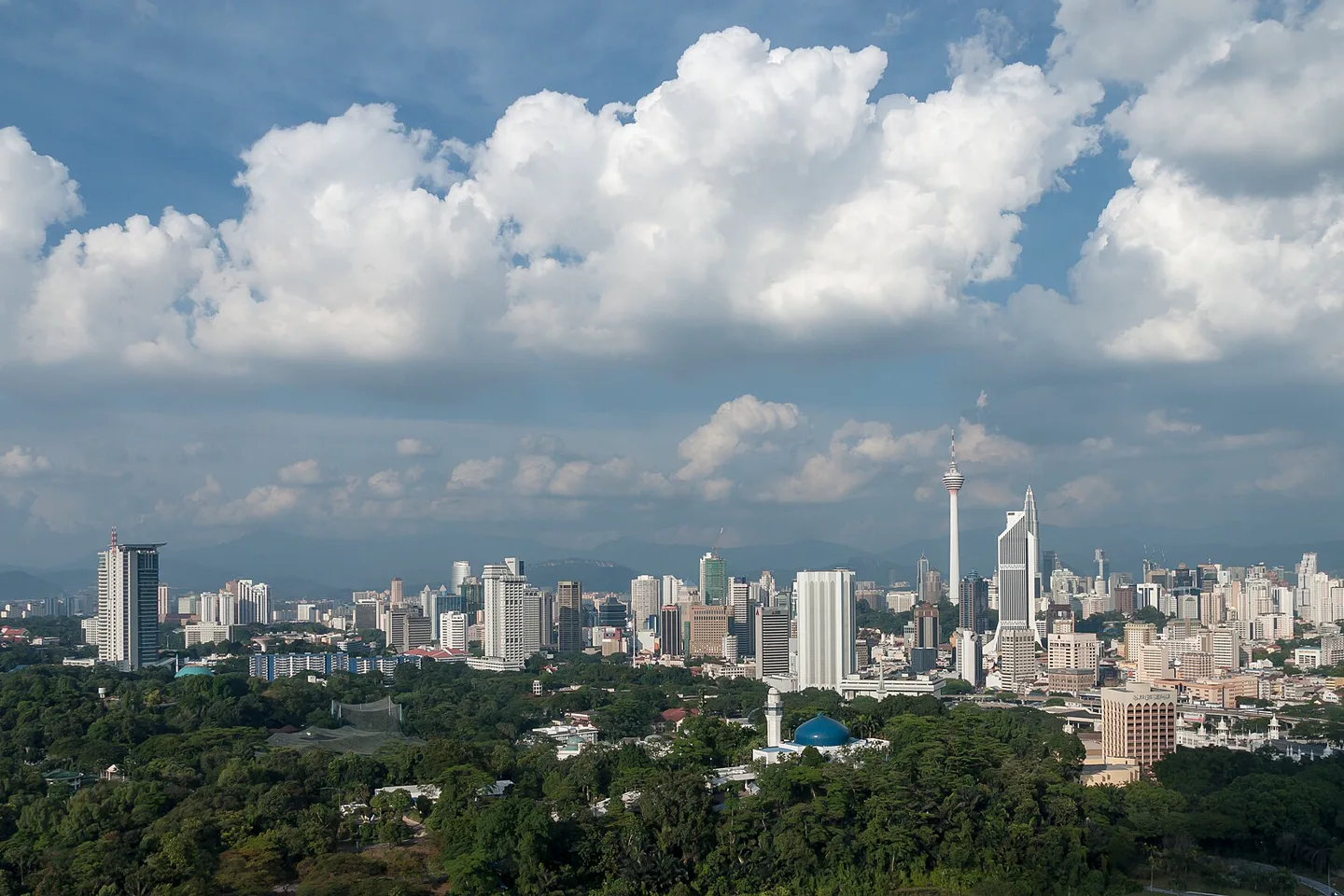
01Kuala Lumpur & Putrajaya
Choose a rail-connected base, separate civic history from tower views and give food districts, museums, Batu Caves and planned Putrajaya their real transfer time.
Open the complete guide →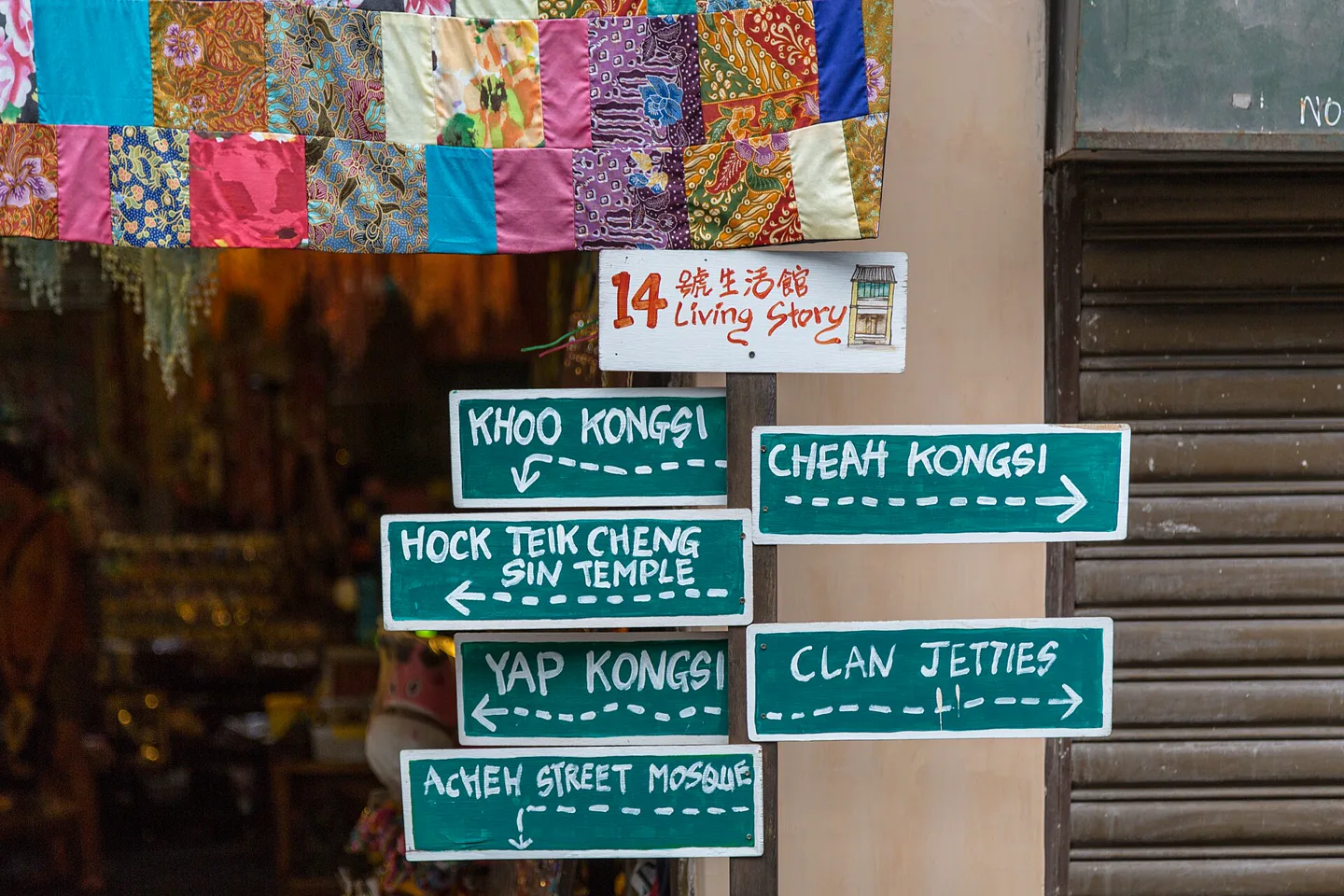 02
02George Town & Penang
Read living streets beyond murals and meals: clan jetties, worship spaces, hill ecology, mainland rail access and beach districts belong to different days.
Open the complete guide →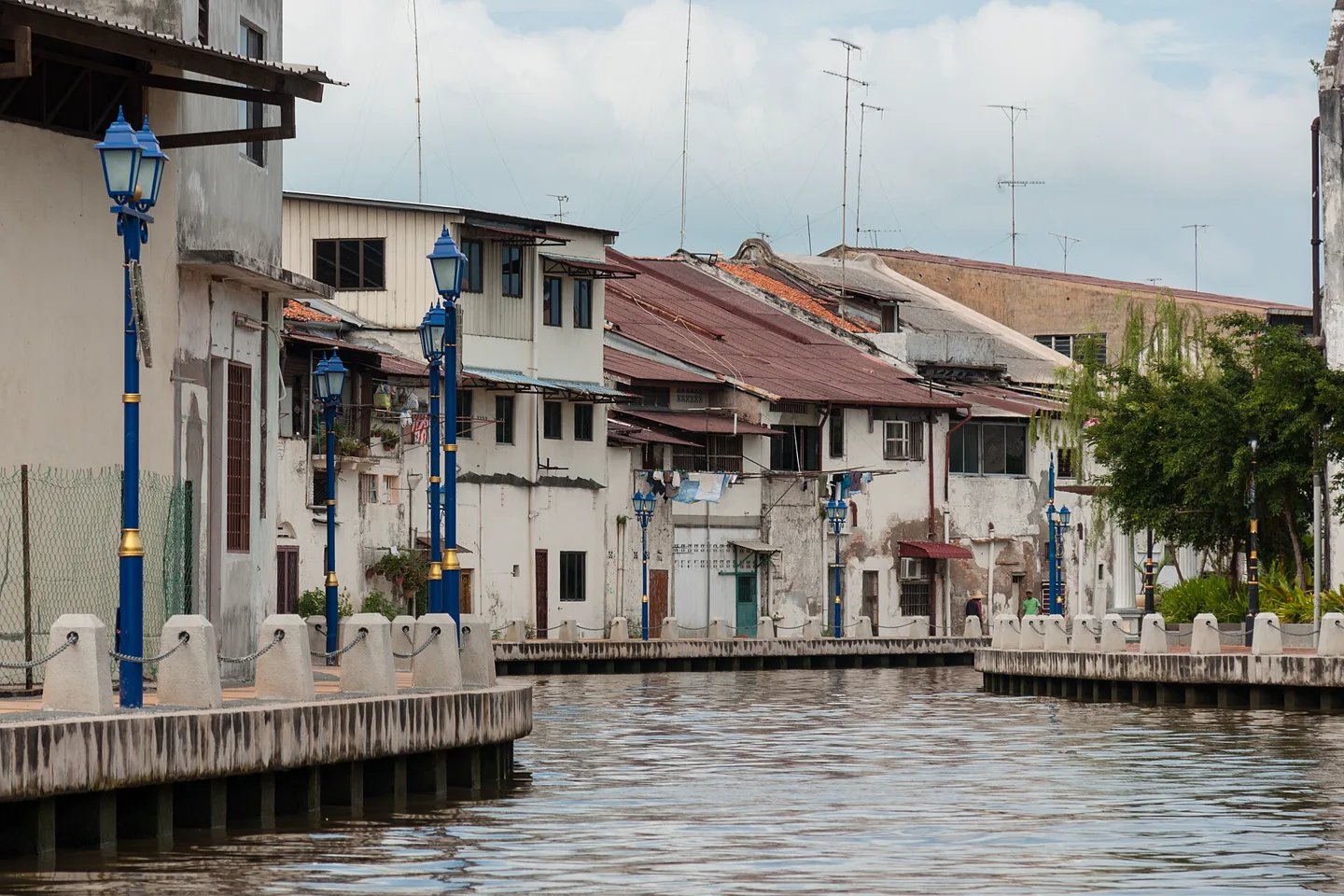 03
03Melaka
Use the river to connect maritime trade, living communities and colonial layers without reducing the city to Dutch Square and one night-market photograph.
Open the complete guide →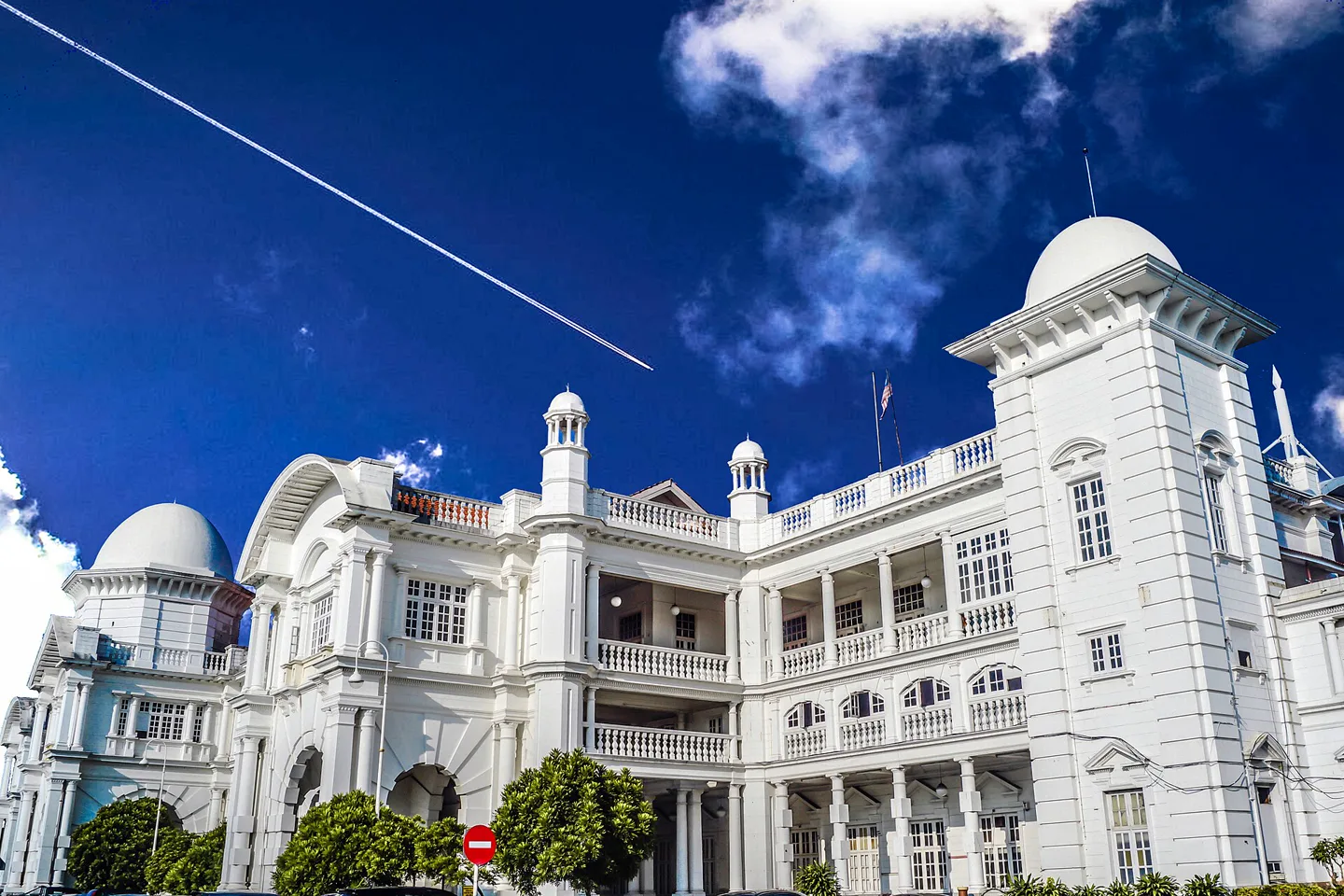 04
04Ipoh & Kinta Valley
Pair the rail-era city with limestone landscapes and cave temples while keeping active worship, food businesses and outlying road distances in view.
Open the complete guide →Islands, highlands and old rainforest
 05
05Langkawi
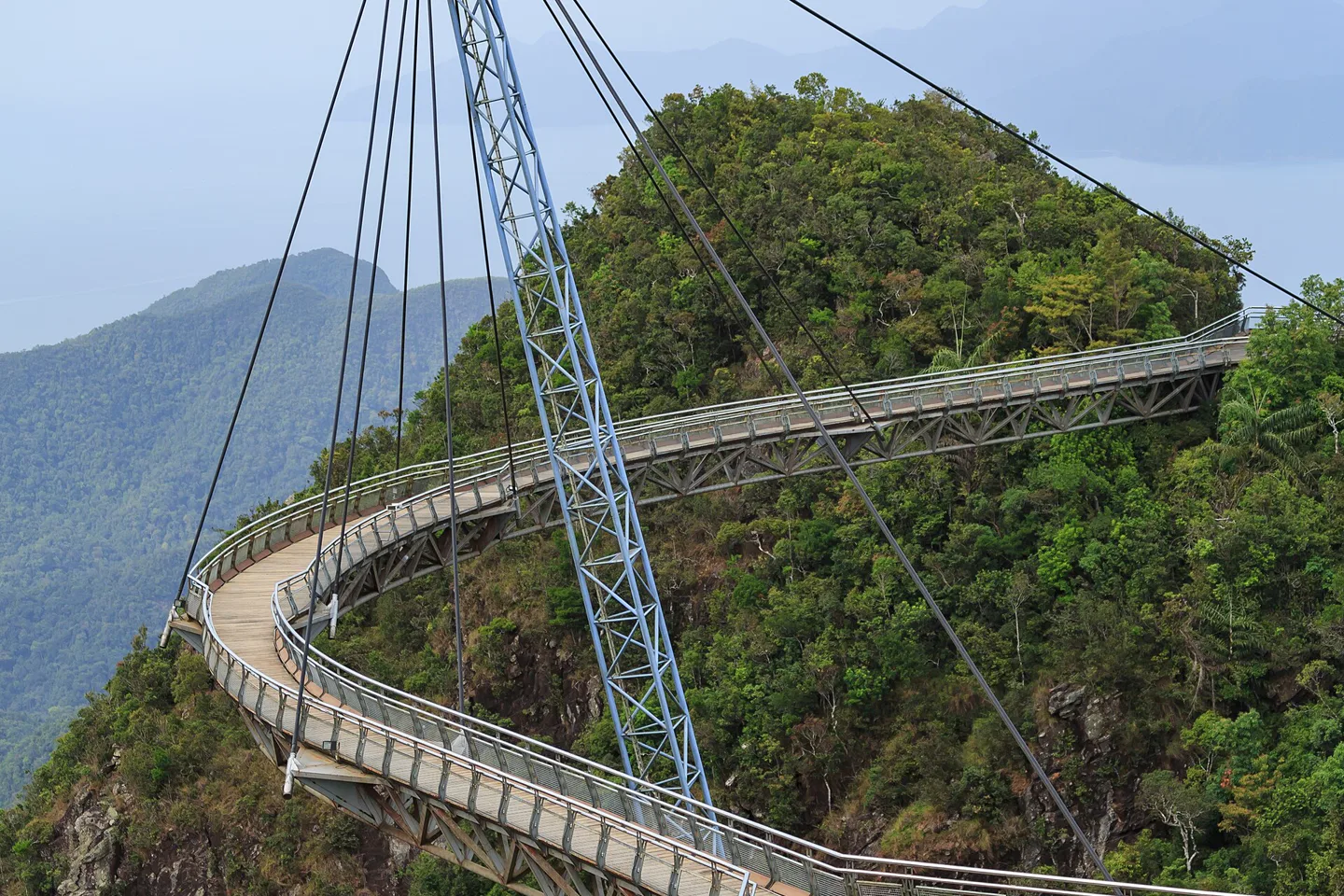
Choose whether the trip is beach time, mangrove geology or highland viewpoints, then solve island transport and weather rather than collecting scattered attractions.
Open the complete guide →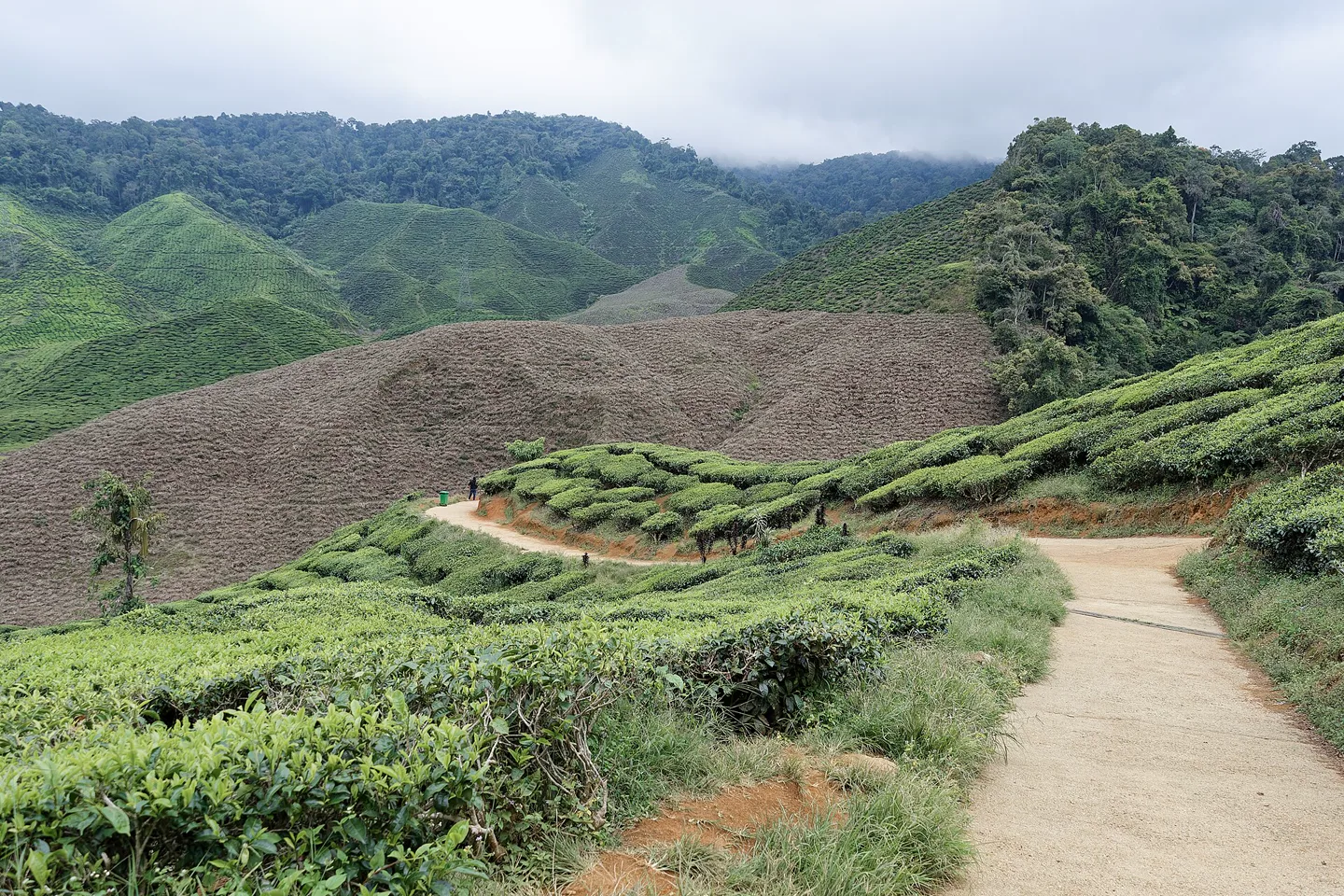 06
06Cameron Highlands
Road congestion, rain and working agriculture matter more than the temperature alone. Choose one base and treat tea landscapes as production systems, not decorative backdrops.
Open the complete guide →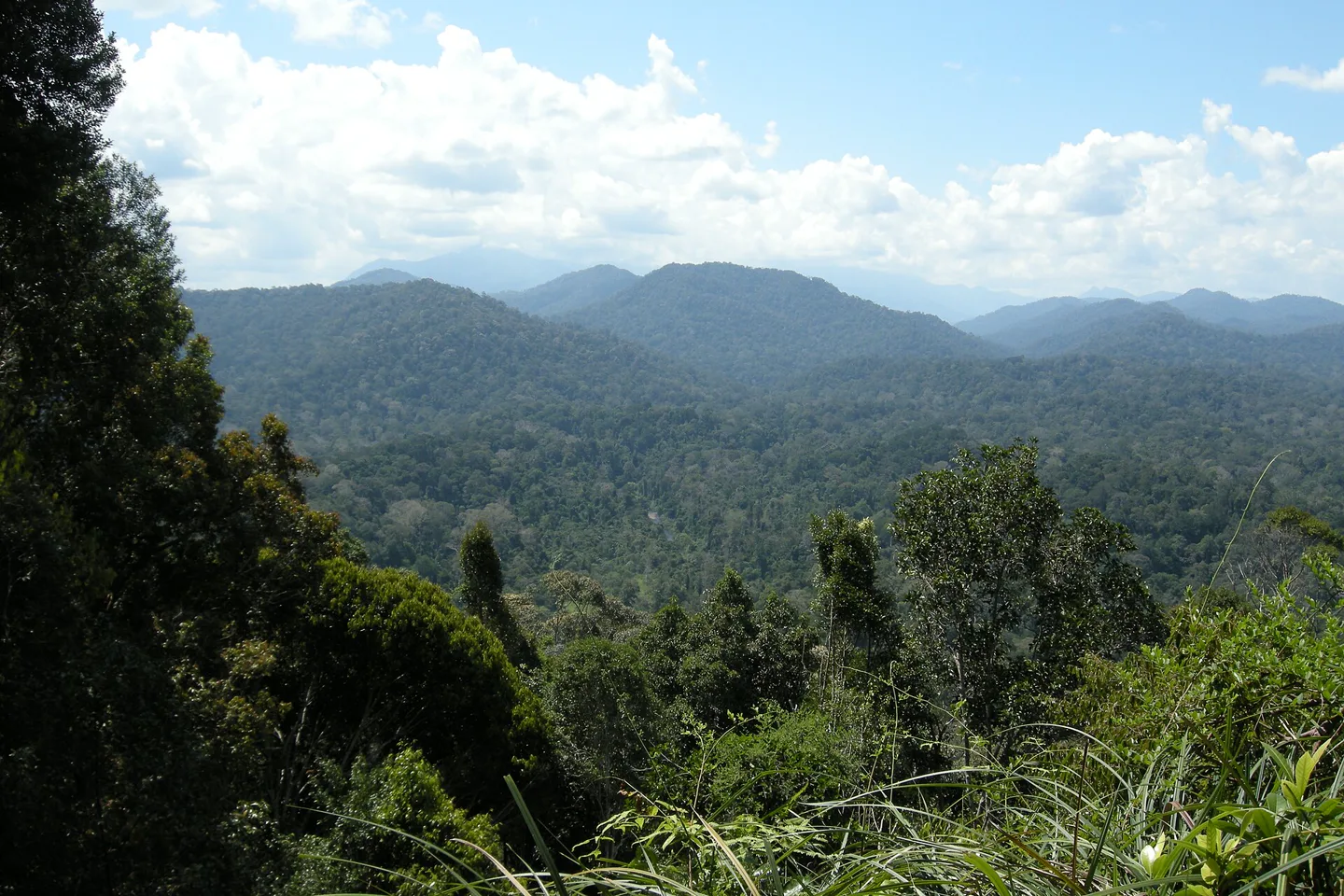 07
07Taman Negara
Select the correct gateway, verified trail or river program and a realistic wet-weather alternative. Wildlife is never guaranteed, and forest access is not a theme-park timetable.
Open the complete guide →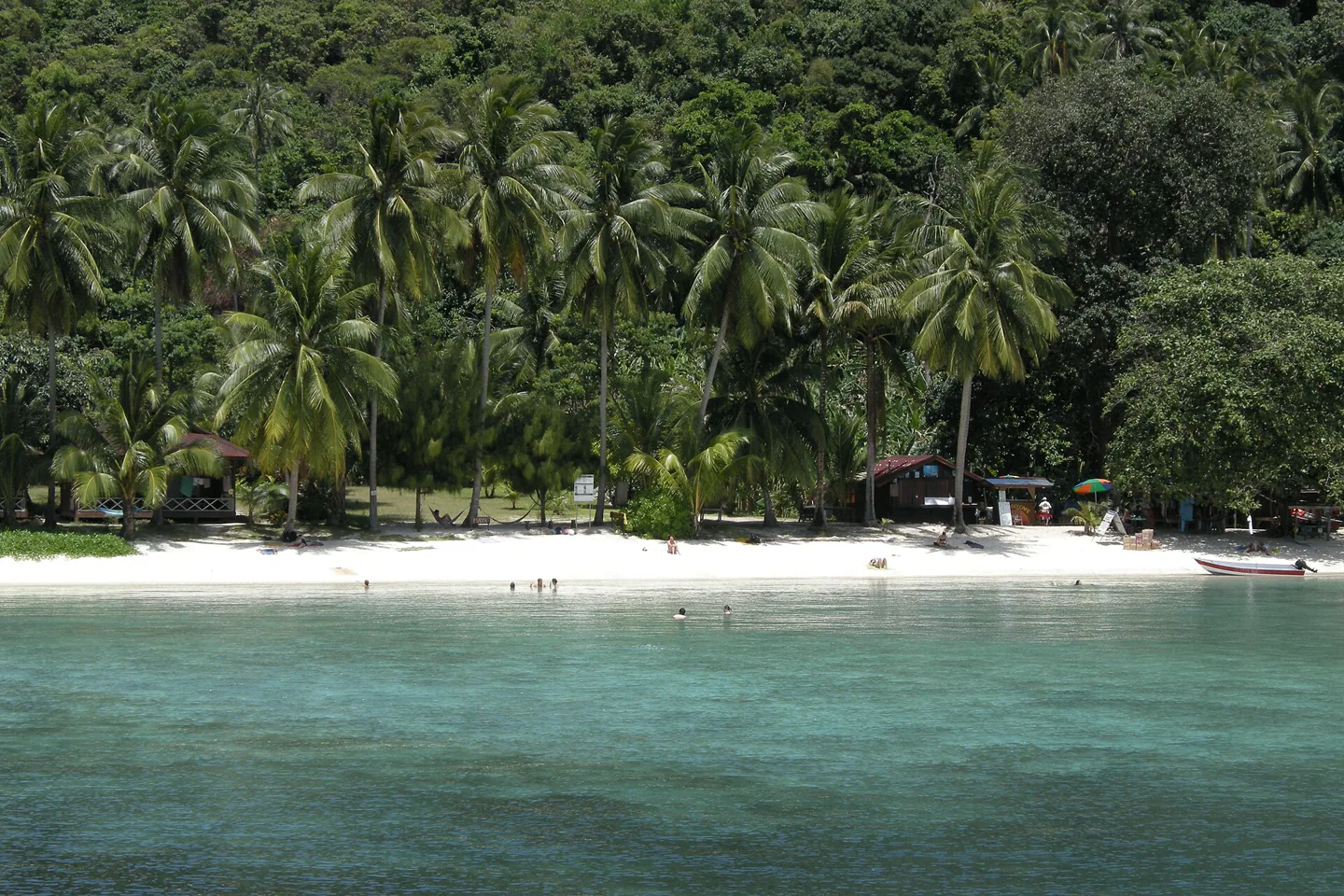 08
08Perhentian & Redang
Pick one island system, verify the current boat season and protect reef etiquette. Gateway jetties, accommodation transfers and sea state control the route.
Open the complete guide →Mountain, river and reef—three separate operating systems
 09
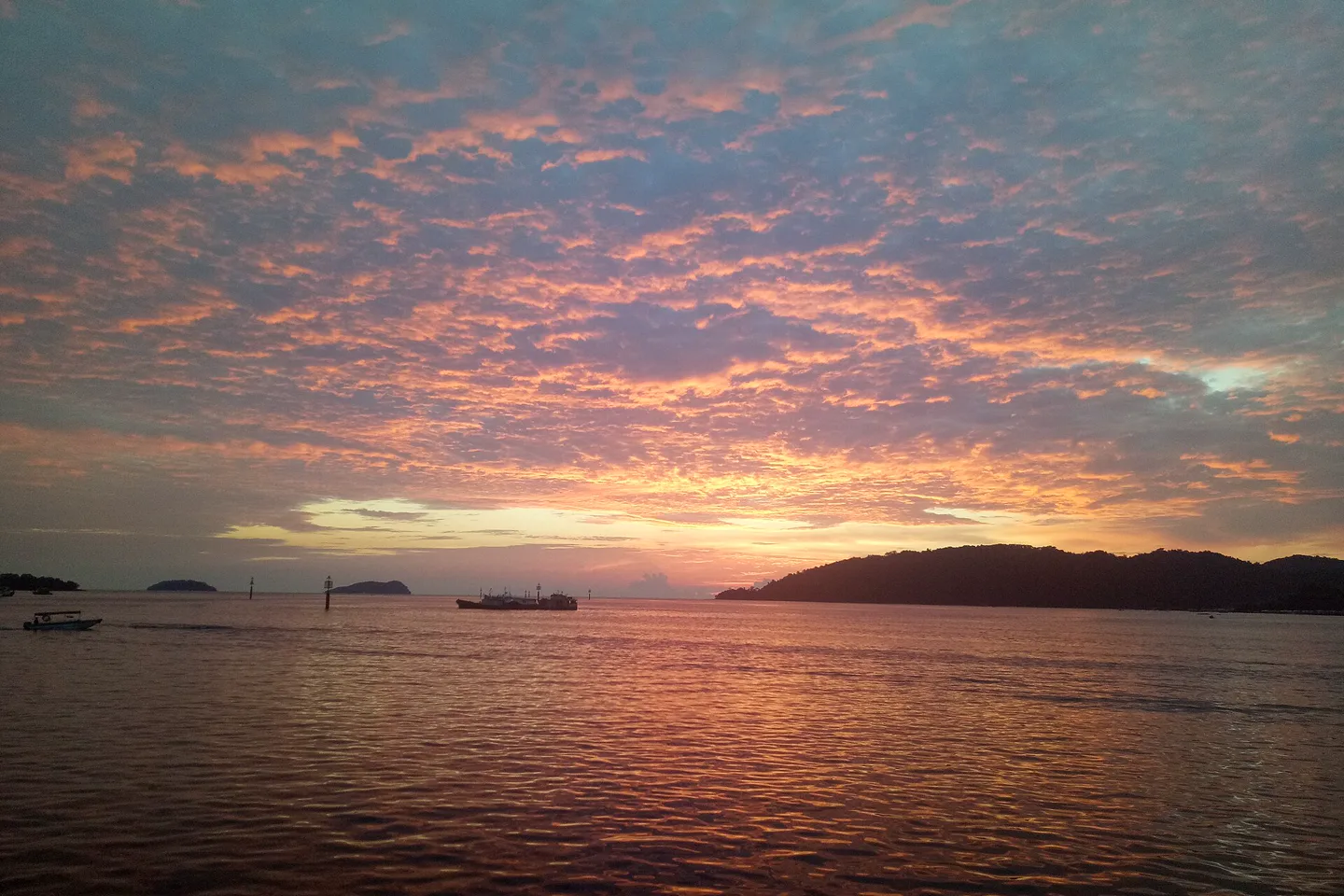
09Kota Kinabalu & Tunku Abdul Rahman Park
Use the city as a food, museum and logistics base, then choose island time by jetty, sea condition and return buffer rather than treating every marine stop as interchangeable.
Open the complete guide →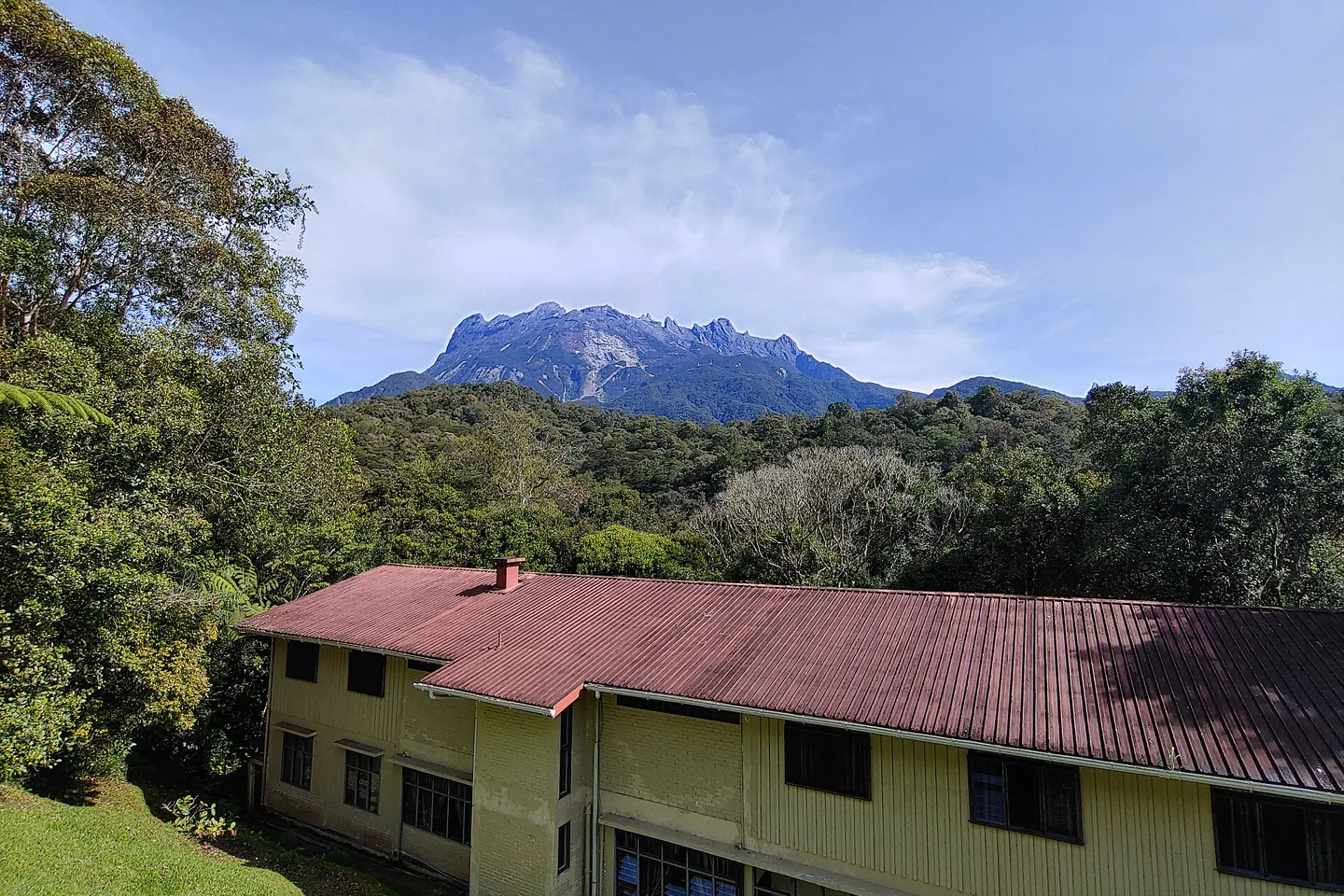 10
10Kinabalu Park & Kundasang
A park visit and a summit climb are different commitments. Check current permits, guides, weather and physical limits; non-climbers still need a road-aware highland plan.
Open the complete guide →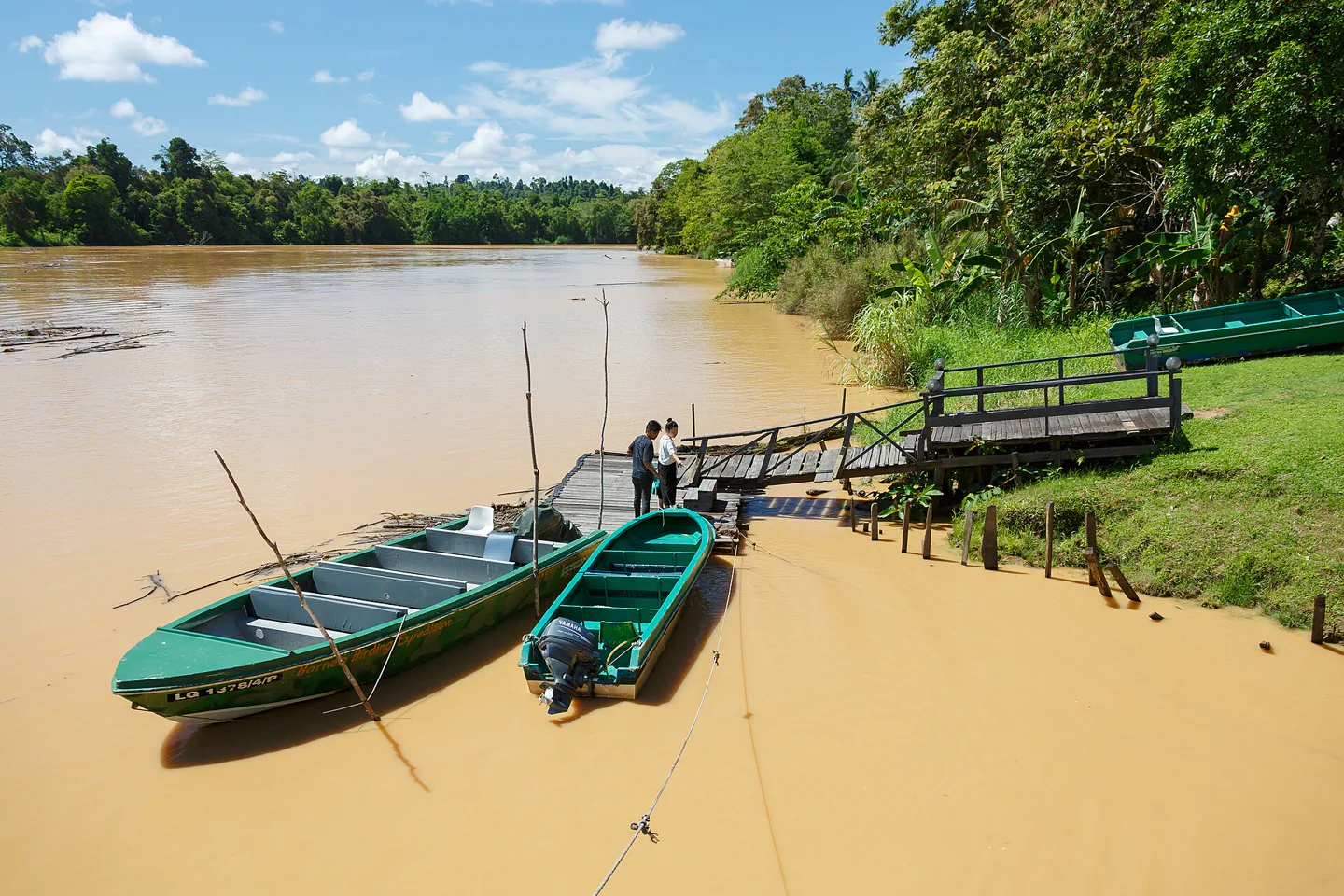 11
11Sandakan & Kinabatangan
Connect conservation centers and a river stay without promising sightings. Operator practice, lodge location, dawn timing and road transfers determine the experience.
Open the complete guide →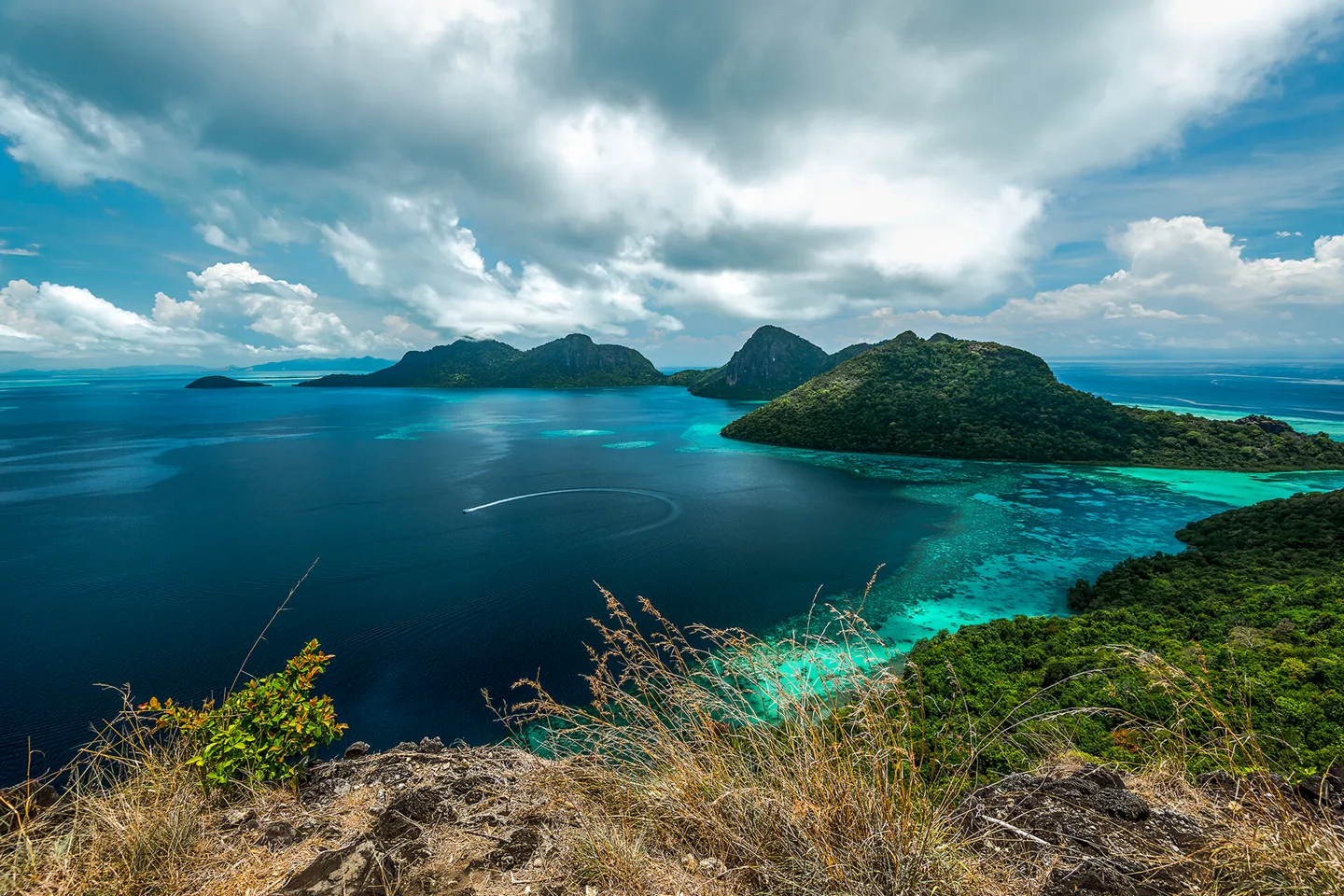 12
12Semporna & Tun Sakaran
Build around a licensed operator, exact island permit, sea forecast and conservative dive or snorkel limits. The town, jetty and offshore stay create different transfer risks.
Open the complete guide →River city, coastal park and limestone underworld
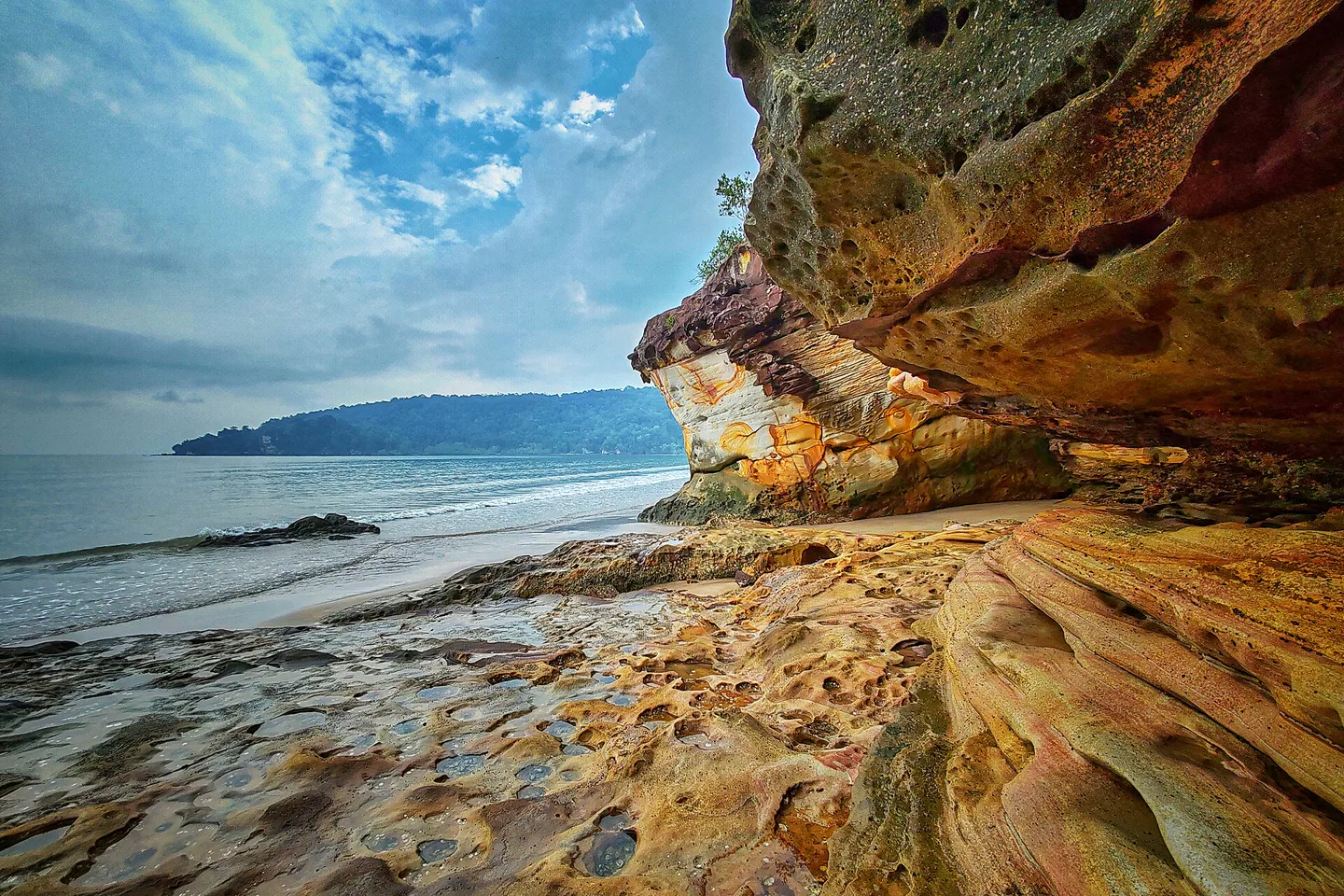 13
13Kuching & Bako
Give Kuching's museums, river and food cultures their own city time, then treat Bako as a weather- and boat-dependent park day with wildlife distance respected.
Open the complete guide →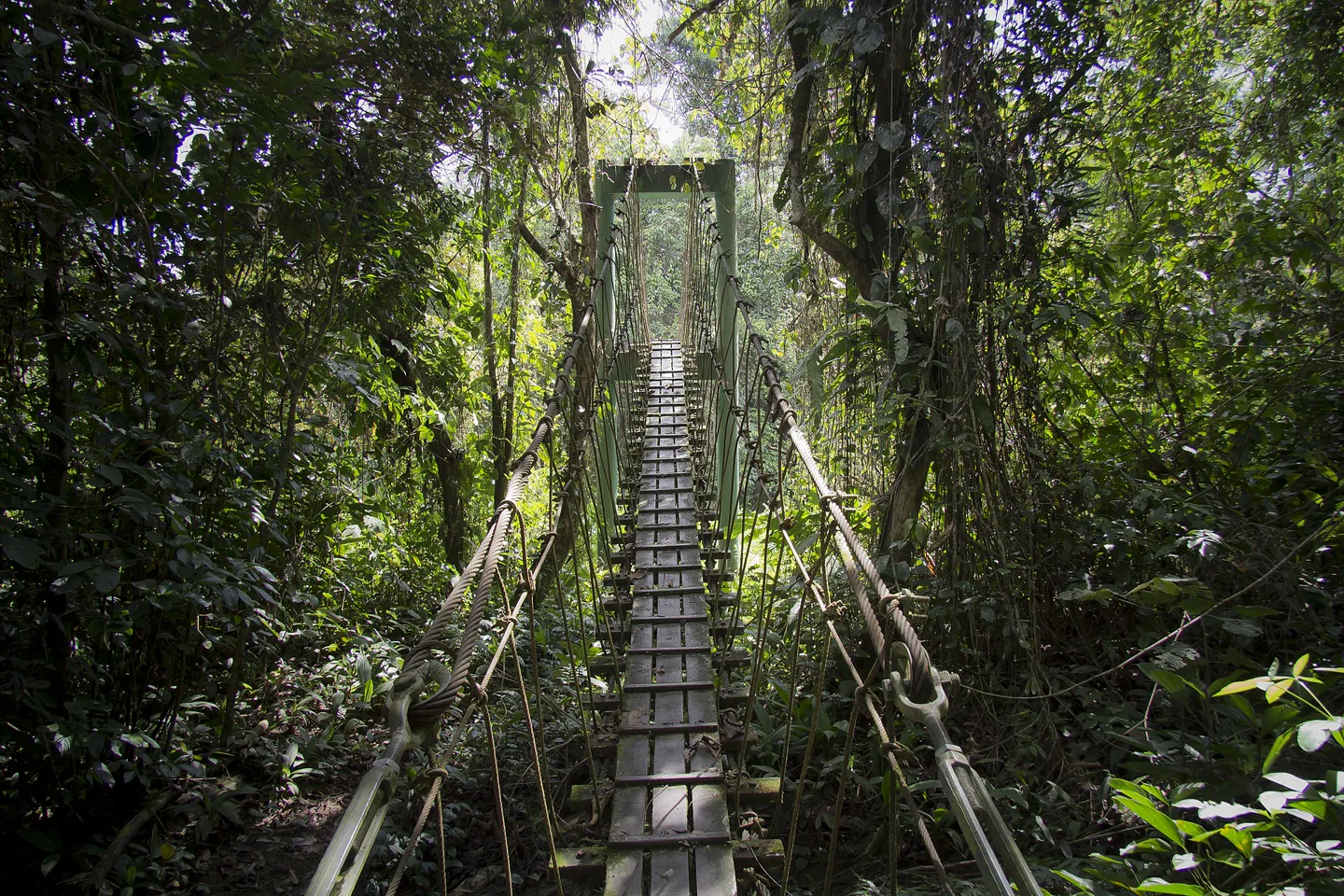 14
14Gunung Mulu
Reserve flights, park accommodation and suitable cave or trail programs as one package. Weather, capacity and guide requirements shape every meaningful route.
Open the complete guide →Add contrast, not airport trophies
These are pacing models. Replace a region rather than stacking more transfers when weather, budget or interests change.
A focused peninsula introduction
- Kuala Lumpur for three nights
- Melaka for two nights by road
- George Town for three nights
- One protected departure night or buffer
One peninsula contrast
- Kuala Lumpur for three nights
- Ipoh or Cameron Highlands for two nights
- George Town for three nights
- Langkawi for four weather-aware nights
Peninsula plus one Borneo argument
- Kuala Lumpur and one west-coast city
- Fly once to Kota Kinabalu or Kuching
- Add only one mountain, river, cave or reef chapter
- Keep a final buffer before the international flight
Read the table before ordering from it
Malay, Chinese, Indian, Indigenous and many other traditions meet here, but they are not one interchangeable “fusion” story. Learn who made the dish, where you are eating and what dietary system the venue follows.
Halal and non-halal
Do not assume every food court or restaurant follows the same preparation rules. Look for clear signs and ask politely when it matters.
Shared meals
Wash hands, follow the host's lead and use the right hand when eating directly by hand or passing communal food where customary.
Worship spaces
Dress modestly, remove shoes where instructed, keep voices low and never photograph worshippers without clear permission.
Living culture
Longhouses, villages and markets are communities, not sets. Use invited or community-led visits and ask before photographing people or private interiors.
Malaysia planning FAQ
Should a first Malaysia trip include both the peninsula and Borneo?
Only if the trip is long enough to protect a flight day and one focused Sabah or Sarawak region. A shorter trip is usually stronger when it stays on the peninsula instead of turning Borneo into a rushed airport loop.
When should I submit the Malaysia Digital Arrival Card?
The official MDAC portal says the trip must be within three days, including the submission date. Check whether your traveler category is exempt and use only the Immigration Department portal.
Is there one best month for all of Malaysia?
No. The peninsula's west and east coasts and Malaysian Borneo do not share one identical rain pattern. Match the month to the exact coast, park and marine operator, then recheck close to travel.
Can trains connect the peninsula to Sabah or Sarawak?
No. Peninsular rail does not cross the South China Sea. Most visitors use a domestic flight, then a separate local transport plan in Sabah or Sarawak.
Do I need a car?
Not for a Kuala Lumpur–Ipoh–Penang rail route. A car or hired transfer can become useful for highlands and rural gateways, while island and Borneo itineraries may need an operator, boat or flight instead. Solve each segment independently.
How should I choose between Sabah and Sarawak?
Choose the planning argument. Sabah is strong for a west-coast gateway, Mount Kinabalu, Kinabatangan wildlife and Semporna marine routes; Sarawak offers Kuching's cultural base, Bako and major cave and rainforest systems such as Mulu. Do not squeeze both into one short add-on.
Official sources and photo credits
Planning facts and licenses were reviewed on 30 August 2026. Entry, MDAC exemptions, transport schedules, park capacity, marine operations and weather change; verify close to travel. All photographs were resized, center-cropped to 1440 × 960 and converted to WebP; no other material edits were made.
- Tourism Malaysia — country overview.
- Tourism Malaysia — official destination guides.
- Immigration Department of Malaysia — entry authority.
- Immigration Department — official MDAC registration.
- METMalaysia — monsoon and weather phenomena.
- KTM Berhad — current train times.
- MyRapid — current urban transit information.
- Sabah Parks — Kinabalu Park.
- Kuala Lumpur skyline — CEphoto, Uwe Aranas, CC BY-SA 3.0.
- George Town direction signs — CEphoto, Uwe Aranas, CC BY-SA 3.0.
- Houses along the Melaka River — CEphoto, Uwe Aranas, CC BY-SA 3.0.
- Ipoh Railway Station — Fairuskhafiz, CC BY-SA 4.0.
- Langkawi Sky Bridge — CEphoto, Uwe Aranas, CC BY-SA 3.0.
- Cameron Bharat Tea Plantation — Jakub Hałun, CC BY 4.0.
- Taman Negara panorama — Vyacheslav Argenberg, CC BY 4.0.
- Perhentian Kecil beach — Vyacheslav Argenberg, CC BY 4.0.
- Kota Kinabalu sunset — Garysawjuntiek, CC BY-SA 4.0.
- Mount Kinabalu from the park — Tecrc, CC BY-SA 4.0.
- Kinabatangan River at Sukau — CEphoto, Uwe Aranas, CC BY-SA 3.0.
- Bohey Dulang near Semporna — Redzuan Bohari, CC BY-SA 4.0.
- Bako National Park sandstone coast — Borneo mobilegrapher, CC BY-SA 4.0.
- Gunung Mulu rainforest bridge — Luke Price, CC BY 2.0.